
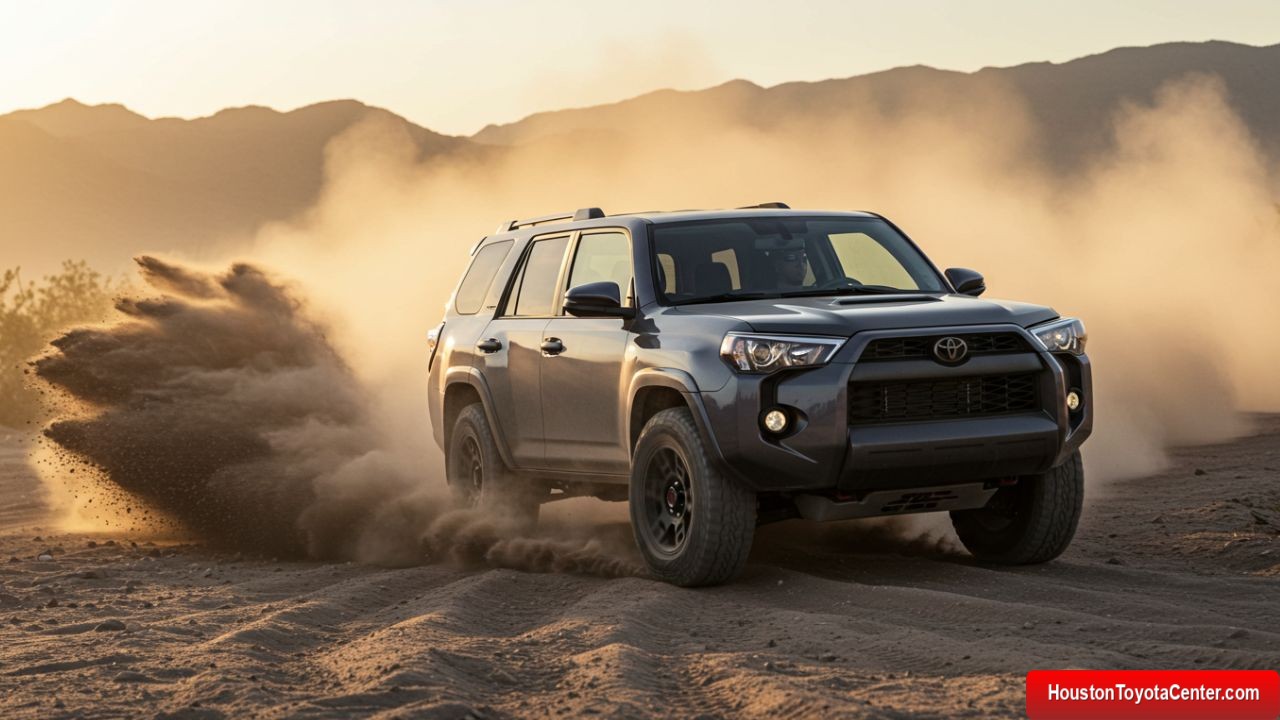
The automotive landscape is filled with vehicles that come and go, but few have managed to carve out a legacy as enduring and respected as the Toyota 4Runner. Since its inception in the mid-1980s, this mid-size sport utility vehicle has become synonymous with durability, off-road capability, and unwavering reliability. It is not merely a mode of transportation; it is a companion for adventurers, a workhorse for professionals, and a trusted family hauler for those who value substance over flash. The history of the 4Runner is a testament to Toyota’s engineering philosophy, which prioritizes long-term dependability and functional design over fleeting trends. This article explores the evolution of the 4Runner through its various generations, examining how it has maintained its core identity while adapting to changing consumer demands and technological advancements.
The Origins: From Pickup to SUV
The story of the 4Runner begins not as a standalone SUV, but as an extension of Toyota’s highly successful pickup truck line. In the early 1980s, the market for recreational vehicles was growing, but most options were either cumbersome full-size trucks or less capable station wagons. Toyota recognized an opportunity to create a vehicle that combined the ruggedness of a pickup with the comfort and versatility of a passenger car. The result was the Toyota Hilux Surf, introduced in Japan in 1984. For the North American market, this vehicle was rebadged as the 4Runner, a name that evoked images of outdoor adventure and exploration.
The first-generation 4Runner, produced from 1984 to 1989, was essentially a Toyota Pickup with a fiberglass removable top installed over the bed. This design choice was both practical and innovative. It allowed owners to enjoy the open-air experience of a convertible when desired, while providing the security and weather protection of an enclosed vehicle when needed. Under the hood, the early 4Runners were powered by Toyota’s renowned 22R-E four-cylinder engine, known for its simplicity and longevity. Later models introduced a V6 option, providing more power for towing and highway driving. Despite its rudimentary origins, the first-generation 4Runner quickly gained a reputation for being nearly indestructible. Its body-on-frame construction, derived from the Hilux pickup, provided a robust foundation that could withstand harsh off-road conditions and heavy use.
FREE: Quickly identify and understand problems with your vehicle 🚘
CLICK HERESecond Generation: Refining the Formula
The second generation of the 4Runner, launched in 1990, marked a significant step forward in terms of refinement and integration. No longer just a pickup with a cap, the 4Runner received a dedicated chassis and a more cohesive design. The removable top was replaced with a fixed metal roof, improving structural rigidity and reducing noise and leaks. This generation also saw the introduction of independent front suspension, which greatly enhanced on-road comfort and handling without compromising off-road capability.
Throughout the 1990s, the 4Runner became a favorite among outdoor enthusiasts and families alike. It offered ample cargo space, reasonable fuel economy for its class, and Toyota’s legendary build quality. The availability of four-wheel drive systems, including a part-time 4WD with a locking center differential, made it a capable performer in snow, mud, and rocky terrain. The second generation also introduced higher trim levels, such as the SR5 and Limited, which added features like leather seats, power windows, and advanced audio systems. These additions helped broaden the 4Runner’s appeal beyond hardcore off-roaders to include suburban families seeking a safe and reliable vehicle for daily commuting and weekend trips.
Third Generation: Embracing Modernity
The third generation, introduced in 1996, brought the 4Runner into the modern era. This model featured a more aerodynamic design, improved interior ergonomics, and enhanced safety features. The engine lineup was updated to include more powerful V6 options, and transmission technology advanced with the introduction of electronic controls. One of the most notable changes was the shift towards a more car-like driving experience. While the 4Runner retained its body-on-frame construction, engineers worked to reduce vibration and improve ride quality, making it more competitive against emerging unibody SUVs.
During this period, the 4Runner faced increasing competition from rivals like the Jeep Grand Cherokee and the Ford Explorer. However, it maintained its edge through superior reliability and resale value. Owners frequently reported reaching high mileages with minimal major repairs, a trait that became a hallmark of the 4Runner brand. The third generation also saw the introduction of specialized trims, such as the Sport Edition, which featured unique styling cues and off-road oriented components. This diversification allowed Toyota to cater to different segments of the market, from budget-conscious buyers to those seeking a more premium experience.
Fourth Generation: The Peak of Popularity
Launched in 2003, the fourth generation 4Runner is often regarded as the peak of the model’s popularity and capability. This generation featured a bold, muscular design that appealed to a wide audience. Under the hood, buyers could choose between a powerful V6 and a torque-rich V8 engine, the latter providing exceptional towing capacity and acceleration. The V8 option, in particular, set the 4Runner apart from many of its competitors, offering performance that rivaled larger full-size SUVs.
Technologically, the fourth generation introduced advanced features such as Vehicle Stability Control, traction control, and optional navigation systems. The interior was spacious and well-appointed, with high-quality materials and intuitive controls. Off-road capability remained a priority, with available features like Kinetic Dynamic Suspension System (KDSS) and Crawl Control, which helped drivers navigate difficult terrain with confidence. The fourth generation 4Runner became a cultural icon, frequently appearing in movies, television shows, and outdoor magazines. It was the vehicle of choice for overlanders, campers, and anyone who valued the freedom to explore remote locations without fear of breakdown.
Fifth Generation: Longevity and Consistency
The fifth generation, introduced in 2010, took a different approach. Rather than undergoing frequent redesigns, Toyota opted for a strategy of incremental updates and long-term consistency. This generation remained in production for over a decade, with only minor changes to styling and features along the way. While some critics argued that the 4Runner was becoming outdated compared to newer, more technologically advanced rivals, loyal customers appreciated its proven reliability and straightforward mechanics.
The fifth generation 4Runner continued to offer body-on-frame construction, solid rear axle, and robust four-wheel drive systems. It was one of the few remaining SUVs in its class to maintain these traditional off-road credentials. The engine lineup was simplified, focusing on a single V6 option that balanced power and efficiency. Inside, the cabin remained functional and durable, with easy-to-clean surfaces and ample storage space. The longevity of this generation demonstrated Toyota’s confidence in its design and its understanding of a niche market that valued dependability over cutting-edge technology.
Sixth Generation: A New Chapter
In recent years, the 4Runner has entered its sixth generation, marking a new chapter in its storied history. This latest iteration brings modern design language, updated technology, and improved efficiency while staying true to its off-road roots. The new 4Runner features a more aggressive exterior stance, with bold grille designs and sculpted body lines. Inside, the cabin has been completely redesigned with larger touchscreens, digital instrument clusters, and advanced driver-assistance systems.
Under the hood, the sixth generation introduces hybrid powertrain options, reflecting Toyota’s commitment to electrification and environmental sustainability. These hybrid systems provide increased torque and better fuel economy without sacrificing the towing and off-road capabilities that 4Runner fans expect. The chassis has been reinforced for improved rigidity, and suspension tuning has been refined for a smoother ride on paved roads while maintaining articulation off-road. Advanced four-wheel drive systems, including multi-terrain select and crawl control, ensure that the new 4Runner remains a formidable performer in challenging conditions.
Cultural Impact and Community
Beyond its mechanical attributes, the 4Runner has cultivated a passionate community of owners and enthusiasts. Online forums, social media groups, and local clubs are filled with individuals who share tips, modifications, and stories of their adventures. The 4Runner is not just a vehicle; it is a lifestyle symbol. It represents a love for the outdoors, a respect for nature, and a desire for self-reliance. Owners often customize their 4Runners with lift kits, off-road tires, roof racks, and camping gear, transforming them into personalized expedition machines.
This strong community support has contributed to the 4Runner’s impressive resale value. Even after years of use, well-maintained 4Runners command high prices in the used car market. This economic resilience is a testament to the vehicle’s enduring appeal and perceived value. For many buyers, purchasing a 4Runner is seen as a smart financial decision, as it retains its worth better than most competitors.
Conclusion
The history of the Toyota 4Runner is a story of evolution without compromise. From its humble beginnings as a pickup with a fiberglass top to its current status as a technologically advanced hybrid SUV, the 4Runner has consistently delivered on its promise of reliability and capability. It has adapted to changing times, incorporating new technologies and meeting stricter emissions standards, while never losing sight of its core mission: to provide a durable, versatile, and trustworthy vehicle for those who seek adventure. As the automotive industry continues to shift towards electrification and automation, the 4Runner stands as a reminder that there is still a place for rugged, purpose-built vehicles that can take you anywhere and bring you back home safely. Its legacy is not just written in sales figures, but in the countless miles traveled, mountains climbed, and memories created by its devoted owners around the world.
Leave a Reply