
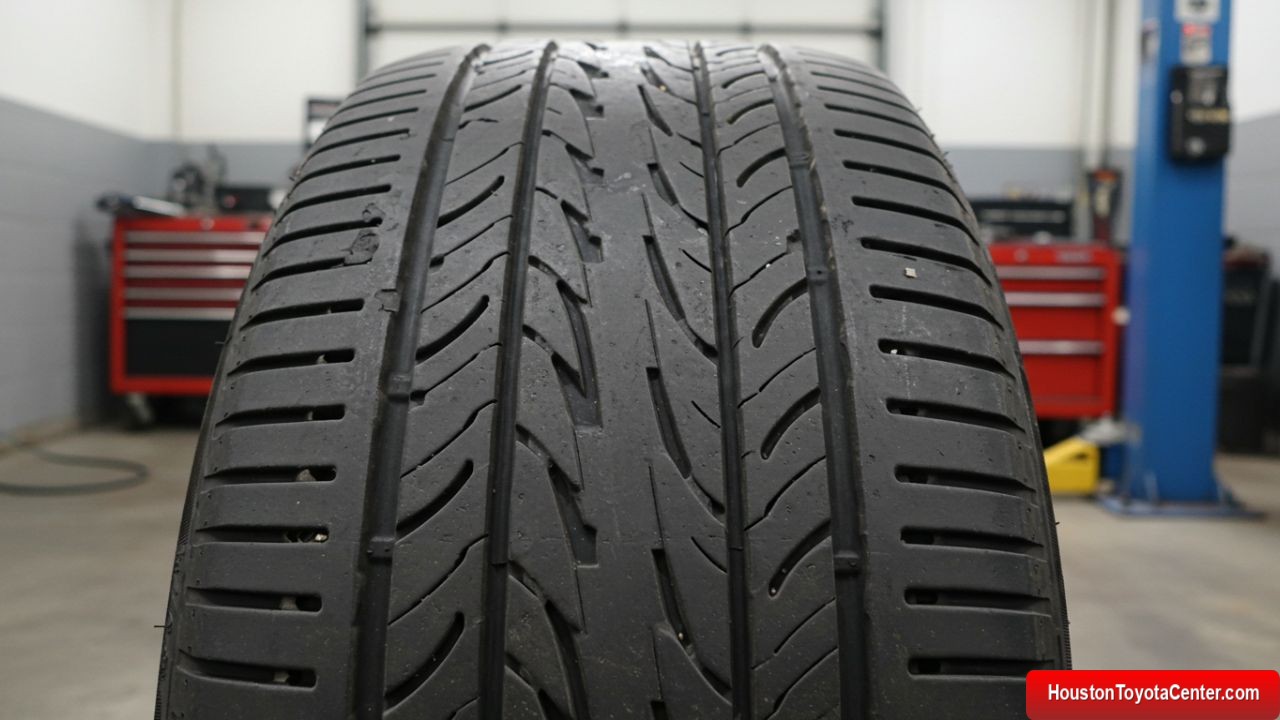
Your vehicle’s tires are more than just rubber touching the road. They’re vital safety components that provide grip, stability, and comfort. But over time, tire wear is inevitable—and the pattern of that wear can tell a deep story about the health of your vehicle.
In this comprehensive guide, you’ll learn how to decode tire wear patterns, understand what they reveal about your car’s alignment, suspension, and driving habits, and how to extend the life of your tires.
🔍 Why Tire Wear Matters
Tire wear isn’t just about aesthetics or the need for replacement. It can:
- Indicate underlying mechanical problems.
- Affect your fuel efficiency.
- Reduce braking and handling performance.
- Increase the risk of blowouts or hydroplaning.
Understanding wear patterns can help you catch issues early, potentially saving you thousands in repairs and avoiding dangerous driving conditions.
FREE: Quickly identify and understand problems with your vehicle 🚘
CLICK HERE🚗 Common Tire Wear Patterns and What They Mean
Here are the most frequent tire wear patterns drivers encounter, along with their potential causes:
1. Center Wear
- Appearance: The center of the tread wears faster than the edges.
- Cause: Overinflation.
- Risk: Reduced traction and a harsher ride.
- Fix: Adjust tire pressure to the manufacturer’s specification.
2. Edge Wear (Both Edges)
- Appearance: Both the inner and outer edges of the tread are worn, with the center less affected.
- Cause: Underinflation.
- Risk: Increased rolling resistance and overheating.
- Fix: Inflate tires to proper pressure.
3. One-Sided Wear (Inner or Outer Edge)
- Appearance: One edge is worn more than the other.
- Cause: Misalignment—either toe or camber.
- Risk: Uneven traction, pulling to one side.
- Fix: Alignment service.
4. Cupping/Scalloping
- Appearance: Diagonal scallop-like dips across the tread.
- Cause: Suspension problems or unbalanced tires.
- Risk: Vibrations, noise, and reduced control.
- Fix: Inspect shocks, struts, and balance tires.
5. Feathering
- Appearance: Tread ribs feel smooth on one side and sharp on the other.
- Cause: Incorrect toe alignment.
- Risk: Vehicle pulling or noise.
- Fix: Alignment correction.
6. Patchy Wear
- Appearance: Irregular high and low spots across the tread.
- Cause: Imbalanced tires or bad shocks.
- Risk: Noise, vibration, and decreased traction.
- Fix: Rebalance tires and inspect suspension.
🧠 Tire Wear and Your Vehicle’s Health
Tire wear can act like a health report card for your car. Here’s what different wear patterns may be telling you about the car:
| Wear Pattern | Possible Vehicle Issue | Recommended Action |
|---|---|---|
| Center Wear | Overinflated tires | Check and adjust air pressure |
| Edge Wear (Both) | Underinflated tires | Inflate tires properly |
| One-Sided Wear | Misaligned suspension or worn bushings | Wheel alignment |
| Cupping/Scalloping | Bad shocks/struts | Replace suspension components |
| Feathering | Incorrect toe settings | Alignment adjustment |
| Patchy Wear | Wheel imbalance or warped rotors | Balance wheels, inspect brakes |
🔧 Diagnosing Tire Wear at Home
You don’t need to be a mechanic to spot tire issues. Here’s a DIY inspection guide:
Step 1: Inspect All Tires
- Park on a flat surface.
- Turn the front wheels outward for better visibility.
- Look for abnormal wear on each tire.
Step 2: Use the Penny Test
- Insert a penny (Lincoln side down) into several tread grooves.
- If you see all of Lincoln’s head, the tread is too worn (less than 2/32″).
Step 3: Feel the Tread
- Gently run your hand over the tread to feel for feathering or cupping.
Step 4: Check Air Pressure
- Use a reliable tire pressure gauge.
- Compare against the recommended pressure in your owner’s manual or door sticker.
🛠️ What to Do When You Spot Abnormal Wear
Once you’ve diagnosed a problem, don’t ignore it. Take one of the following actions:
- Uneven Wear: Visit an alignment specialist.
- Cupping or Feathering: Ask for a suspension inspection.
- Tread Depth Too Low: Replace your tires immediately.
- Pressure Issues: Get a digital inflator or stop by a gas station air pump.
🕰️ Tire Maintenance Schedule
Here’s a simple tire maintenance routine to follow:
| Task | Frequency |
|---|---|
| Check tire pressure | Monthly |
| Rotate tires | Every 5,000 to 8,000 miles |
| Inspect tread depth | Monthly |
| Alignment check | Annually or every 12,000 miles |
| Balance check | Every 10,000 to 15,000 miles |
| Replace tires | Every 6 years (or per tread depth) |
🏁 Driving Habits That Reduce Tire Wear
You can extend the life of your tires by improving how you drive:
- Avoid Hard Braking: It creates flat spots and uneven wear.
- No Sharp Cornering: Reduces stress on tire shoulders.
- Limit High-Speed Driving: Less heat and stress on the rubber.
- Avoid Curb Hits: Keeps sidewalls safe and alignment intact.
- Keep Load Within Limits: Overloading your car strains the tires.
🔄 Importance of Tire Rotation
Tire rotation ensures even wear across all four tires. Most vehicles are either front-wheel or rear-wheel drive, which puts more stress on two tires than the others.
Typical Rotation Patterns:
- Front-Wheel Drive: Front tires go to the back (same side), rear tires cross to the front.
- Rear-Wheel Drive: Rear tires go to the front (same side), front tires cross to the back.
- All-Wheel Drive: Often an “X” rotation or per manufacturer’s instructions.
💡 Tire Technology and Wear Indicators
Modern tires come with treadwear indicators—raised rubber bars in the tread grooves. Once the tread wears down to the level of the bars, it’s time for new tires.
Additionally, some tires have:
- Color Wear Strips: That appear when the tire is dangerously low.
- Electronic Sensors: Found in high-tech vehicles for real-time monitoring.
🌧️ Tire Wear and Wet Performance
Worn tires don’t just affect handling; they dramatically reduce wet-weather safety. Less tread depth means less water is channeled away, leading to hydroplaning.
How to Stay Safe:
- Replace tires at 4/32″ for wet climates.
- Drive slower in rain if your tires are worn.
- Use tires rated for wet traction.
❄️ Tire Wear in Winter and Snow Conditions
If you live in a snowy climate, tire wear is even more critical:
- Worn snow tires become nearly useless.
- All-seasons may not offer enough grip with low tread.
Consider measuring tread depth with a quarter instead of a penny for snow driving. If the tread is below 4/32″, you should replace the tire.
💰 How Much Does Tire Wear Cost You?
Ignoring tire wear may lead to more than just the cost of a new set:
| Issue | Estimated Cost |
|---|---|
| Uneven tire wear | $300–$1,000 (suspension) |
| Blowout damage | $500–$2,000 (body repairs) |
| Lower fuel economy | $100–$300/year in gas |
| Unsafe driving/fines | Up to $1,000 (per ticket) |
Investing in maintenance saves money and improves safety.
🧰 Tools to Help You Monitor Tire Wear
Keep these affordable tools in your garage:
- Tire pressure gauge (digital preferred)
- Tread depth gauge
- Portable tire inflator
- Torque wrench for lug nuts
- Tire rotation schedule app or calendar
✅ Final Tips: How to Maximize Tire Life
- 🛞 Rotate tires regularly
- 🔧 Keep your car aligned and balanced
- 📏 Monitor tread depth every month
- 🔍 Inspect for signs of damage after long trips
- 📘 Follow your vehicle’s tire guidelines
- ⛽ Inflate to the proper pressure (check when cold)
🚀 Conclusion: Tires Talk—Listen to Them
Every scuff, ripple, and groove in your tire tread is a message from your vehicle. When you learn to interpret these wear patterns, you gain insight into your car’s mechanics, your driving habits, and your safety on the road.
Don’t wait for your tires to “go bald”—check them today. A few minutes of inspection could mean the difference between a smooth ride and an expensive repair.
Leave a Reply