
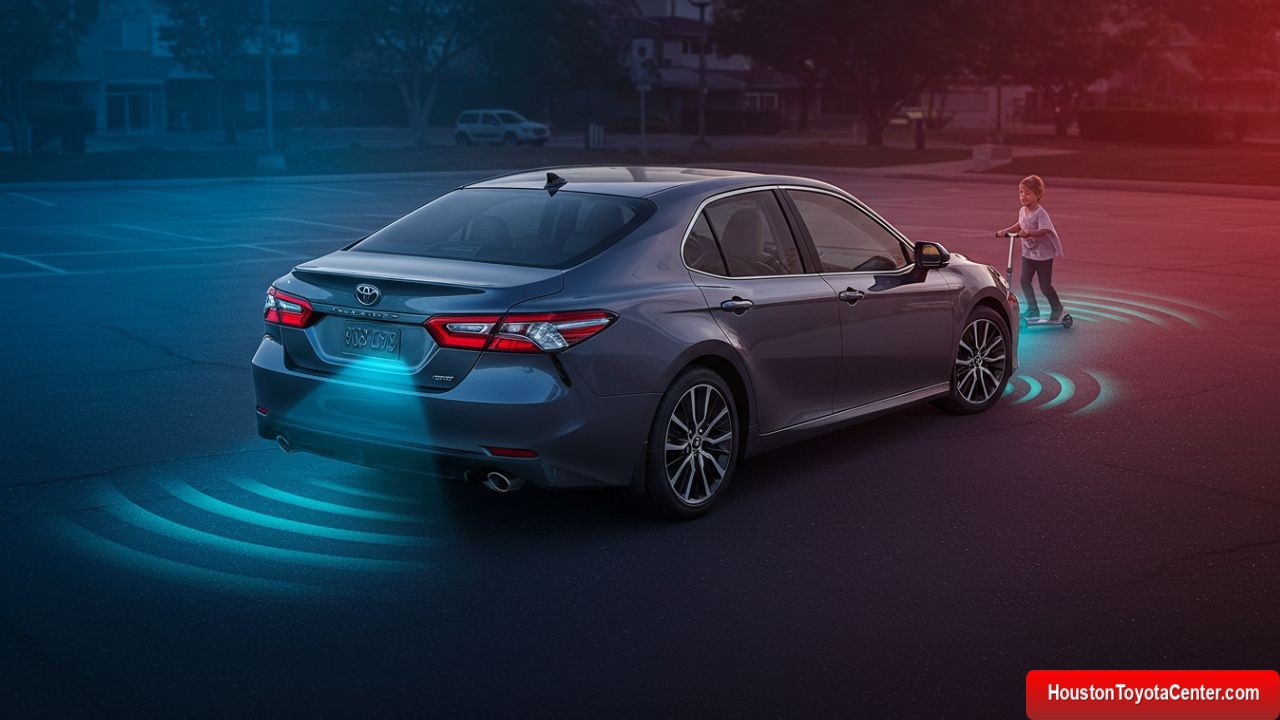
The Toyota Camry has earned a reputation as one of the most dependable, practical, and well-rounded midsize sedans ever built. For decades, it has been a top choice among commuters, families, business professionals, first-time buyers, and even automotive enthusiasts seeking reliable transportation with low ownership costs.
If you are considering buying a Toyota Camry for the first time, this guide will help you understand everything you need to know before making your purchase. Whether you are shopping for a brand-new Camry or looking at a used model, understanding the different generations, trim levels, engines, ownership costs, maintenance requirements, and common buying mistakes can save you thousands of dollars and years of frustration.
Why the Toyota Camry Remains One of the Best-Selling Sedans
The automotive market has shifted heavily toward SUVs and crossovers, yet the Toyota Camry continues to thrive. The reason is simple: it delivers an excellent balance of comfort, reliability, efficiency, safety, and value.
Unlike many vehicles that excel in one category but compromise in others, the Camry offers a complete ownership package.
FREE: Quickly identify and understand problems with your vehicle 🚘
CLICK HEREKey advantages include:
- Strong long-term reliability
- High resale value
- Excellent fuel economy
- Comfortable ride quality
- Spacious interior
- Advanced safety features
- Low maintenance costs
- Broad availability of parts
- Large used-car market
For many buyers, a Camry can easily provide 200,000 to 300,000 miles (320,000 to 480,000 km) of service when maintained properly.
Understanding Toyota Camry Generations
Knowing the generation of Camry you are considering is essential because each generation offers different technology, styling, engines, and reliability characteristics.
| Generation | Model Years | Key Features |
|---|---|---|
| XV40 | 2007–2011 | Proven reliability, simple technology |
| XV50 | 2012–2017 | Improved fuel economy, modern design |
| XV70 | 2018–2024 | Sportier styling, advanced safety technology |
| Latest Generation | 2025+ | Hybrid-focused lineup, newest technology |
Generally speaking:
- Budget buyers often target 2012–2017 models.
- Buyers seeking modern safety features often choose 2018–2024 models.
- Buyers wanting maximum efficiency usually consider the newest hybrid versions.
New vs Used Toyota Camry
One of the biggest decisions is whether to buy new or used.
Buying New
Advantages:
- Full warranty coverage
- Latest technology
- Maximum reliability
- No previous owner history concerns
- Better financing options
Disadvantages:
- Higher purchase price
- Faster depreciation during early ownership
Buying Used
Advantages:
- Lower purchase price
- Reduced depreciation
- Potentially lower insurance costs
Disadvantages:
- Unknown maintenance history
- Possible wear and tear
- Shorter remaining lifespan
For most value-focused buyers, a well-maintained Camry that is three to six years old often provides the best balance between cost and reliability.
Choosing the Right Engine
Toyota has offered several engine options over the years.
Four-Cylinder Engines
The four-cylinder version is the most common.
Benefits include:
- Better fuel economy
- Lower maintenance costs
- Lower purchase price
- Proven reliability
Ideal for:
- Daily commuting
- Families
- Ride-sharing drivers
- Long-distance travelers
V6 Engines
Available on many older and premium trims.
Benefits:
- Significantly more power
- Faster acceleration
- Smoother highway performance
Trade-offs:
- Higher fuel consumption
- Higher insurance costs
- More expensive maintenance
Ideal for drivers who prioritize performance.
Hybrid Powertrains
Hybrid Camrys have become increasingly popular.
Benefits:
- Outstanding fuel economy
- Lower fuel costs
- Smooth driving experience
- Strong reliability record
Potential considerations:
- Higher purchase price
- Battery replacement costs many years later
For most urban and highway drivers, the hybrid model provides the best long-term operating costs.
Understanding Camry Trim Levels
Toyota offers multiple trim levels designed for different buyers.
LE
The value-oriented trim.
Common features:
- Comfortable seating
- Basic infotainment
- Toyota Safety Sense
- Excellent value
Best for:
- Budget-conscious buyers
- Fleet users
- Commuters
SE
The sporty trim.
Features often include:
- Sport suspension
- Larger wheels
- Sport styling
- Improved interior appearance
Best for:
- Younger buyers
- Drivers wanting a more engaging feel
XLE
Luxury-oriented trim.
Features:
- Premium materials
- Enhanced comfort
- Additional technology
- More convenience features
Best for:
- Professionals
- Long-distance travelers
XSE
Combines luxury and sportiness.
Features:
- Premium interior
- Aggressive exterior styling
- Sport tuning
- Enhanced technology
Best for:
- Buyers wanting premium features and sporty appearance
TRD
Performance-focused variant.
Features:
- Sport suspension
- Performance tuning
- Aggressive styling
- Enhanced handling
Best for:
- Enthusiasts seeking a more dynamic driving experience
Fuel Economy Expectations
Fuel economy varies by engine and generation.
Approximate ranges:
| Powertrain | Typical MPG |
|---|---|
| Older 4-Cylinder | 25–34 MPG |
| Modern 4-Cylinder | 28–39 MPG |
| V6 | 22–33 MPG |
| Hybrid | 44–52 MPG |
Drivers covering significant annual mileage often save thousands of dollars over ownership by choosing a hybrid.
What to Check When Buying a Used Camry
A Camry is reliable, but no vehicle is immune to neglect.
Service Records
Always request:
- Oil change history
- Brake service records
- Tire replacement history
- Transmission maintenance documentation
Consistent records often indicate a responsible owner.
Accident History
Obtain a vehicle history report and verify:
- Major accidents
- Flood damage
- Salvage title history
- Structural repairs
Tire Condition
Uneven tire wear can indicate:
- Alignment issues
- Suspension damage
- Poor maintenance
Brake Inspection
Check for:
- Vibration during braking
- Squealing noises
- Excessive wear
Engine Bay Inspection
Look for:
- Oil leaks
- Coolant leaks
- Corrosion
- Improper modifications
Test Drive Evaluation
During a test drive:
- Listen for unusual noises
- Test acceleration
- Check transmission shifts
- Verify steering response
- Assess ride quality
A proper test drive should include city streets and highway speeds.
Common Toyota Camry Problems
While generally reliable, certain model years may experience recurring issues.
Excessive Oil Consumption
Some older four-cylinder engines have been reported to consume oil.
Warning signs:
- Frequent oil top-offs
- Blue exhaust smoke
- Low oil level warnings
Transmission Hesitation
Some generations may exhibit delayed shifting or hesitation.
Ensure smooth operation during the test drive.
Dashboard Cracking
Certain older models developed dashboard cracking due to sun exposure.
Inspect interior surfaces carefully.
Water Pump Wear
Water pumps may require replacement as mileage increases.
Look for:
- Coolant leaks
- Engine overheating
- Unusual noises
Suspension Wear
Higher-mileage examples may require:
- Struts
- Control arms
- Bushings
These are generally normal maintenance items.
Best Toyota Camry Model Years
Several model years are especially attractive for buyers.
2015–2017
Benefits:
- Mature generation
- Excellent reliability
- Modern safety features
- Affordable pricing
2018–2024
Benefits:
- Updated platform
- Better driving dynamics
- Advanced safety systems
- Modern technology
Hybrid Models from Recent Years
Benefits:
- Exceptional efficiency
- Strong reliability record
- High resale value
Many automotive experts consider these among the strongest choices in the midsize sedan market.
Ownership Costs
One reason buyers choose a Camry is predictable ownership expenses.
Fuel Costs
The hybrid variant often delivers the lowest operating expenses.
Maintenance Costs
Routine maintenance generally includes:
- Oil changes
- Tire rotations
- Brake service
- Air filter replacement
- Fluid inspections
Compared with luxury brands, Camry maintenance costs are typically much lower.
Insurance
Insurance costs depend on:
- Driver age
- Location
- Trim level
- Driving history
Generally, four-cylinder trims are cheaper to insure than V6 performance-oriented models.
Understanding Toyota Safety Features
Modern Camrys include numerous driver-assistance systems.
Common features include:
Automatic Emergency Braking
Helps reduce collision severity or avoid accidents.
Adaptive Cruise Control
Maintains a safe following distance automatically.
Lane Departure Alert
Warns drivers when drifting from their lane.
Lane Keeping Assistance
Provides steering assistance to stay centered.
Blind Spot Monitoring
Improves awareness of surrounding traffic.
Rear Cross-Traffic Alert
Useful when backing out of parking spaces.
These features contribute significantly to the Camry’s strong safety reputation.
Interior Comfort and Practicality
The Camry succeeds because it balances practicality and comfort.
Highlights include:
- Spacious front seats
- Comfortable rear seating
- Large trunk
- User-friendly controls
- Good visibility
- Quiet cabin
For families, the rear seat area easily accommodates child seats while still providing adequate passenger space.
Technology Features Worth Having
Not every feature is essential.
Prioritize:
Smartphone Integration
Look for:
- Apple CarPlay
- Android Auto
Backup Camera
Now considered a must-have feature.
Navigation
Helpful but often unnecessary because smartphones provide superior navigation.
Wireless Charging
Convenient for daily use.
Premium Audio
Worth considering for drivers who spend significant time commuting.
Hybrid vs Gasoline Camry
Many first-time buyers struggle with this decision.
Choose Hybrid If:
- You drive frequently
- Fuel savings matter
- You spend time in traffic
- You plan long-term ownership
Choose Gasoline If:
- Initial purchase price matters most
- Annual mileage is relatively low
- You prefer mechanical simplicity
For most modern buyers, the hybrid variant often delivers superior total ownership value.
Financing Tips for First-Time Buyers
Before visiting a dealership:
Check Your Credit Score
Better credit usually means:
- Lower interest rates
- Lower monthly payments
Get Pre-Approved
Pre-approval gives leverage during negotiations.
Focus on Total Cost
Avoid focusing solely on monthly payments.
Consider:
- Interest charges
- Loan term
- Total purchase price
Avoid Unnecessary Add-Ons
Common dealership add-ons may include:
- Paint protection packages
- Extended warranties
- Tire protection plans
Evaluate each carefully rather than accepting them automatically.
Negotiation Strategies
Many buyers leave money on the table.
Before negotiating:
- Research local market values.
- Compare multiple listings.
- Obtain financing quotes.
- Be willing to walk away.
The strongest negotiating position belongs to the buyer who is not emotionally attached to a single vehicle.
Certified Pre-Owned Camry: Is It Worth It?
Certified Pre-Owned (CPO) programs often include:
- Multi-point inspections
- Extended warranty coverage
- Roadside assistance
- Vehicle history verification
Advantages:
- Reduced risk
- Greater peace of mind
Disadvantages:
- Higher purchase price than non-certified used vehicles
For risk-averse buyers, CPO models can be an excellent middle ground between new and used.
Long-Term Maintenance Schedule
A simplified maintenance approach:
| Mileage | Recommended Service |
|---|---|
| 5,000 miles | Oil change and inspection |
| 10,000 miles | Tire rotation and inspection |
| 30,000 miles | Filters and fluids |
| 60,000 miles | Major inspection |
| 100,000 miles | Comprehensive service review |
Always consult the owner’s manual for exact requirements.
How Long Does a Toyota Camry Last?
This is one of the most common questions among buyers.
With proper maintenance:
- 200,000 miles is common.
- 250,000 miles is achievable.
- 300,000 miles or more is not unusual.
Factors influencing lifespan:
- Maintenance quality
- Driving habits
- Climate
- Accident history
The Camry’s reputation for longevity is one of its strongest selling points.
Who Should Buy a Toyota Camry?
The Camry is ideal for:
Commuters
Benefits:
- Fuel efficiency
- Comfort
- Reliability
Families
Benefits:
- Safety
- Interior space
- Low ownership costs
Students
Benefits:
- Dependability
- Affordable maintenance
Retirees
Benefits:
- Comfort
- Ease of operation
- Long-term value
Ride-Share Drivers
Benefits:
- Durability
- Fuel economy
- Passenger comfort
Few vehicles appeal successfully to such a broad range of drivers.
Final Thoughts
The Toyota Camry remains one of the smartest vehicle purchases available today because it excels in the areas that matter most: reliability, safety, comfort, fuel efficiency, and resale value. Whether you choose a budget-friendly used model, a certified pre-owned vehicle, a modern gasoline-powered trim, or a fuel-saving hybrid, the Camry offers a proven ownership experience that few competitors can match.
For first-time owners, the best strategy is to identify your budget, determine whether fuel efficiency or performance is the priority, inspect any used vehicle thoroughly, and focus on maintenance history rather than appearance alone. A well-maintained Camry can provide many years of dependable service while minimizing unexpected expenses and ownership stress.
Rather than chasing the newest trend or the most expensive option, many buyers discover that a thoughtfully chosen Toyota Camry delivers exactly what a vehicle should: reliable transportation, strong value retention, and confidence every time you start the engine.
Leave a Reply