When it comes to purchasing a truck, few brands command as much respect and loyalty as Toyota. For decades, Toyota has built a reputation for producing vehicles that combine rugged capability with legendary reliability, making their trucks some of the most sought-after vehicles on the market. Whether you’re a first-time truck buyer or a seasoned owner looking to upgrade, understanding what makes Toyota trucks special and how to choose the right model for your needs is essential to making an informed purchase decision.
This comprehensive buying guide will walk you through everything you need to know about Toyota’s truck lineup, from the compact Tacoma to the full-size Tundra, helping you navigate features, trim levels, pricing, and ownership considerations. By the end of this guide, you’ll be equipped with the knowledge to confidently select the Toyota truck that best matches your lifestyle, budget, and performance requirements.
Why Choose a Toyota Truck?
Before diving into specific models, it’s important to understand why Toyota trucks have earned such a devoted following among truck enthusiasts and everyday drivers alike. Several key factors set Toyota apart in the competitive pickup truck market.
Unmatched Reliability and Durability
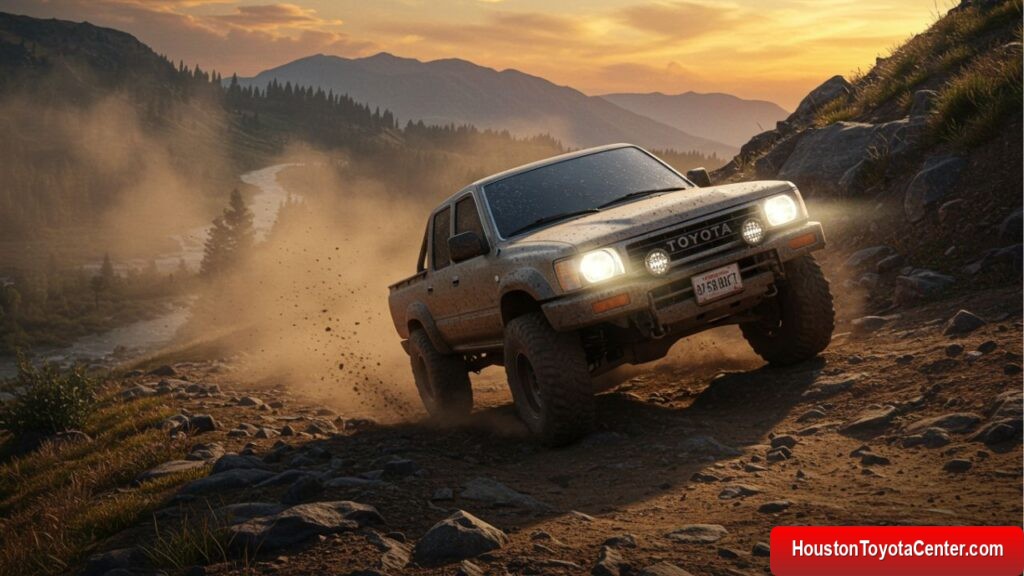
Toyota’s reputation for building vehicles that last is perhaps its strongest selling point. Multiple studies and consumer reports consistently rank Toyota trucks among the most reliable vehicles on the road. Many Toyota Tacomas and Tundras regularly surpass 200,000 miles with proper maintenance, and stories of these trucks reaching 300,000 or even 500,000 miles are not uncommon. This longevity translates directly into lower long-term ownership costs and better resale values.
FREE: Quickly identify and understand problems with your vehicle 🚘
CLICK HEREThe secret behind this durability lies in Toyota’s conservative engineering philosophy. Rather than rushing to implement the latest unproven technologies, Toyota tends to refine proven systems over time, ensuring they work flawlessly before widespread adoption. This approach may mean Toyota sometimes lags slightly behind competitors in introducing cutting-edge features, but it results in vehicles that simply don’t break down as often.
Strong Resale Value
Toyota trucks hold their value exceptionally well compared to competitors. According to various automotive industry reports, Toyota pickups typically retain 60-70% of their original value after five years, significantly higher than many rival brands. This strong resale value means that while you might pay a premium upfront, you’ll recoup more of your investment when it’s time to sell or trade in your vehicle.
Several factors contribute to this impressive retention rate: the brand’s reliability reputation, consistent demand in both new and used markets, and Toyota’s careful management of production volumes to avoid oversaturating the market. For buyers concerned about total cost of ownership, this resale strength is a crucial consideration.
Proven Off-Road Capability
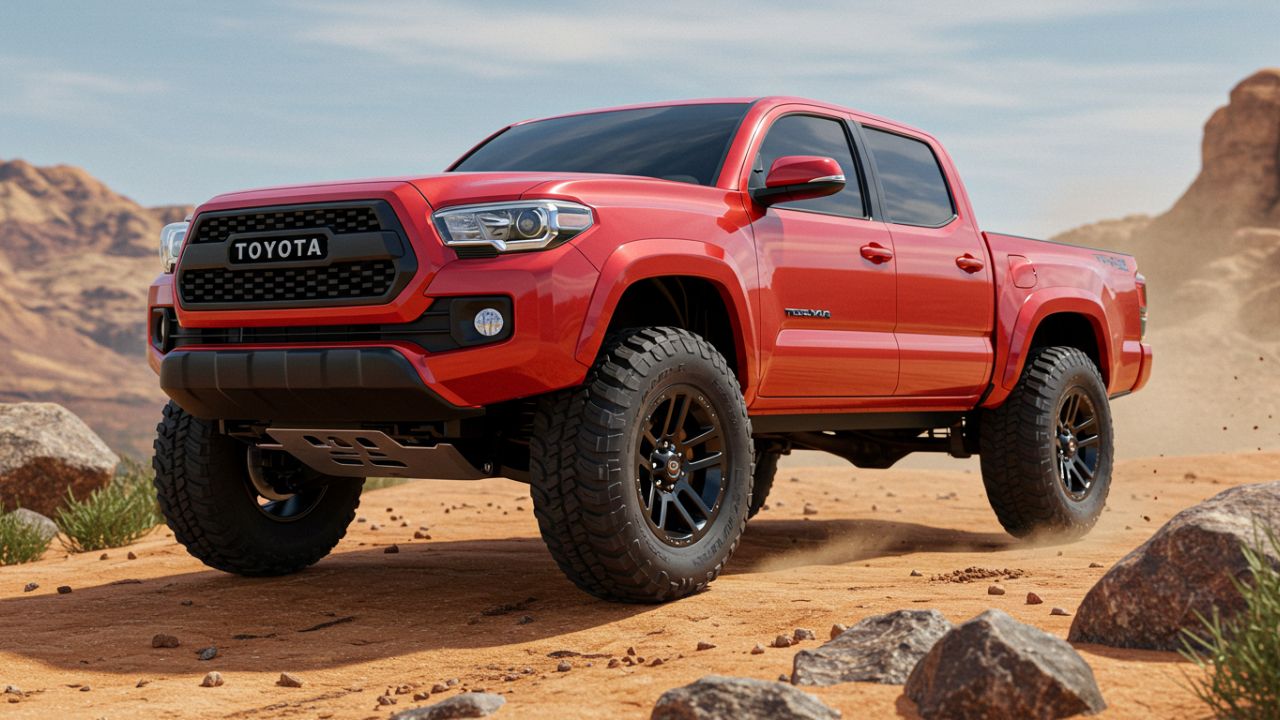
Toyota has deep roots in off-road performance, dating back to the Land Cruiser’s development in the 1950s. This heritage carries through to their modern truck lineup, with dedicated off-road trims like the Tacoma TRD Pro and Tundra TRD Pro offering serious capability straight from the factory. Features like locking differentials, specialized suspension systems, skid plates, and all-terrain tires make these trucks ready for adventure without requiring aftermarket modifications.
Even base models benefit from Toyota’s off-road expertise, with generous ground clearance, robust four-wheel-drive systems, and durable construction that can handle rough terrain. Whether you’re tackling mountain trails, navigating muddy job sites, or simply dealing with winter weather, Toyota trucks provide confidence-inspiring capability.
Comprehensive Dealer Network and Support
With one of the largest dealer networks in North America, Toyota owners enjoy convenient access to service centers and parts regardless of where they live or travel. This extensive infrastructure means maintenance and repairs are rarely inconvenient, and genuine Toyota parts are readily available. Additionally, Toyota’s customer service reputation generally ranks above industry averages, providing peace of mind throughout the ownership experience.
Understanding the Toyota Truck Lineup
Toyota currently offers two primary truck models in North America: the midsize Tacoma and the full-size Tundra. Each serves different purposes and appeals to different types of buyers. Let’s explore both models in detail.
The Toyota Tacoma: Midsize Mastery
The Tacoma has been Toyota’s midsize pickup since 1995, and it remains one of the best-selling vehicles in its class. Recently redesigned for the 2024 model year, the current generation represents a significant evolution while maintaining the core characteristics that made the Tacoma popular.
Key Specifications:
| Feature | Details |
|---|---|
| Engine Options | 2.4L Turbocharged 4-cylinder (hybrid available) |
| Horsepower | 228-326 hp (depending on configuration) |
| Torque | 243-465 lb-ft |
| Transmission | 8-speed automatic |
| Maximum Towing Capacity | Up to 6,500 lbs |
| Maximum Payload | Up to 1,685 lbs |
| Bed Lengths | 5-foot or 6-foot |
| Cab Configurations | Access Cab (extended), Double Cab (crew) |
Who Should Consider the Tacoma:
The Tacoma appeals to buyers who want genuine truck capability without the size and fuel consumption penalties of a full-size pickup. It’s ideal for:
- Outdoor enthusiasts who need a capable off-roader for weekend adventures
- Urban and suburban drivers who want truck utility but easier maneuverability and parking
- Small business owners who need occasional hauling capacity without daily heavy loads
- Buyers seeking excellent resale value and long-term reliability
- Those who prioritize fuel efficiency within the truck segment
Trim Level Breakdown:
The Tacoma offers several trim levels, each targeting different buyer preferences:
SR/SR5: The entry-level trims provide solid value with essential features. The SR is the work-oriented base model, while the SR5 adds comfort and convenience features like alloy wheels, upgraded interior materials, and additional technology. Both are excellent choices for budget-conscious buyers who still want Toyota quality.
TRD Sport: This trim focuses on on-road refinement with sport-tuned suspension, larger wheels, and appearance upgrades. It’s perfect for buyers who want the Tacoma’s versatility but spend most of their time on pavement.
TRD Off-Road: Designed for trail enthusiasts, this trim includes off-road tires, enhanced suspension, crawl control, multi-terrain select, and other features that improve off-pavement performance. It’s the sweet spot for buyers who regularly venture off-road but don’t need the extreme capability of the TRD Pro.
Limited: The top-tier luxury trim offers premium leather upholstery, advanced technology features, heated and ventilated seats, and refined styling. This is the choice for buyers who want maximum comfort and convenience without sacrificing truck capability.
TRD Pro: The ultimate off-road variant features Fox internal bypass shocks, unique styling elements, additional skid protection, and exclusive color options. It’s designed for serious off-roaders who want maximum capability from the factory.
The Toyota Tundra: Full-Size Power
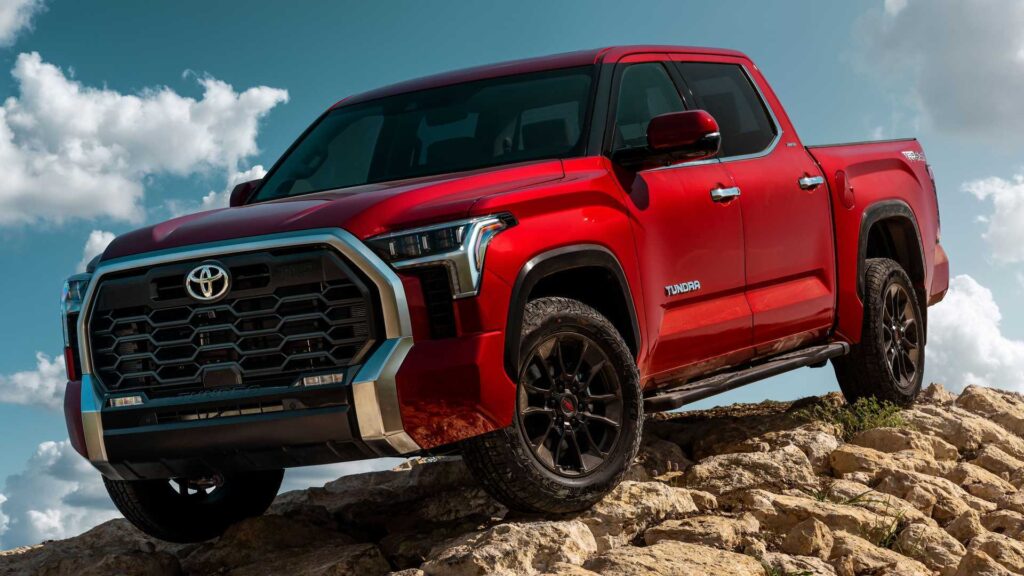
The Tundra is Toyota’s answer to the full-size pickup segment, competing directly with the Ford F-150, Chevrolet Silverado, RAM 1500, and GMC Sierra. The current third-generation Tundra, introduced for 2022, marked a major departure from previous models with its switch to a twin-turbo V6 engine and hybrid powertrain option.
Key Specifications:
| Feature | Details |
|---|---|
| Engine Options | 3.5L Twin-Turbo V6 (i-Force); 3.5L Twin-Turbo V6 Hybrid (i-Force MAX) |
| Horsepower | 389 hp (i-Force); 437 hp (i-Force MAX) |
| Torque | 479 lb-ft (i-Force); 583 lb-ft (i-Force MAX) |
| Transmission | 10-speed automatic |
| Maximum Towing Capacity | Up to 12,000 lbs |
| Maximum Payload | Up to 1,940 lbs |
| Bed Lengths | 5.5-foot, 6.5-foot, or 8.1-foot |
| Cab Configurations | Double Cab (crew) only |
Who Should Consider the Tundra:
The Tundra suits buyers who need full-size truck capability for:
- Heavy towing responsibilities (boats, trailers, equipment)
- Regular payload hauling for work or recreation
- Families needing maximum interior space and comfort
- Buyers who want the latest technology and luxury features
- Those who prefer the commanding presence and ride quality of a full-size truck
Trim Level Breakdown:
SR/SR5: The entry point into Tundra ownership, these trims offer solid value with essential features. The SR5 adds comfort upgrades and is often considered the best value in the lineup for buyers who don’t need luxury appointments.
Limited: A significant step up in luxury, the Limited trim adds leather seating, premium audio, advanced driver assistance features, and refined interior materials. It bridges the gap between work truck and luxury vehicle effectively.
Platinum: Near the top of the range, Platinum adds even more luxury features including upgraded leather, enhanced technology packages, and distinctive styling elements. It competes directly with premium offerings from competitors.
1794 Edition: Named after the year Toyota Motor Corporation was founded, this special edition offers unique wood trim, exclusive badging, and premium features. It’s positioned as a luxury alternative within the Tundra lineup.
TRD Pro: Like the Tacoma, the Tundra TRD Pro focuses on off-road capability with specialized suspension, all-terrain tires, skid plates, and unique styling. It’s the choice for buyers who want full-size truck capability with serious off-road chops.
Capstone: The ultra-luxury flagship trim, Capstone offers semi-aniline leather, massaging seats, premium audio, and exclusive design elements. It competes with luxury trucks from other manufacturers and represents the pinnacle of Tundra refinement.
Powertrain Considerations
Understanding Toyota’s engine options is crucial to making the right choice, especially given the recent changes to both the Tacoma and Tundra powertrains.
Tacoma Powertrains
The new Tacoma has moved away from the previous V6 option to focus exclusively on turbocharged four-cylinder engines, including hybrid variants. This shift reflects industry trends toward smaller, more efficient engines that can still deliver strong performance through turbocharging.
The standard i-Force turbo-four produces respectable power and torque figures while offering improved fuel economy compared to the old V6. For buyers who want maximum performance and efficiency, the i-Force MAX hybrid system combines the turbo-four with an electric motor, delivering impressive torque figures and better low-end response.
While some traditionalists may miss the V6, the new powertrains offer compelling advantages in terms of efficiency, refinement, and modern technology integration. Real-world testing has shown that these engines provide adequate power for most Tacoma applications, though heavy towing may reveal some limitations compared to larger engines.
Tundra Powertrains
The Tundra’s twin-turbo V6 represents a significant change from the previous generation’s naturally aspirated V8. The standard i-Force engine delivers strong performance with better fuel economy than the old V8, while the i-Force MAX hybrid system adds substantial torque and improved low-speed responsiveness.
The hybrid system in particular has received positive reviews for its seamless operation and noticeable performance benefits. The electric motor fills in torque gaps during acceleration and provides smoother power delivery, making the Tundra feel more responsive in everyday driving situations.
Fuel economy improvements are modest but meaningful, especially considering the Tundra’s size and capability. Buyers who do significant highway driving or frequent towing will appreciate the efficiency gains, though those expecting dramatic fuel savings should temper expectations—this remains a full-size truck with corresponding fuel requirements.
Technology and Safety Features
Modern Toyota trucks come equipped with an impressive array of technology and safety features. Understanding what’s available and what’s standard across trim levels helps ensure you get the features that matter most to you.
Toyota Safety Sense
All new Toyota trucks come standard with Toyota Safety Sense, a suite of active safety features including:
- Pre-Collision System with Pedestrian Detection: Uses radar and camera technology to detect vehicles and pedestrians, applying brakes if a collision is imminent
- Lane Departure Alert with Steering Assist: Monitors lane markings and provides alerts and gentle steering correction if unintentional lane departure is detected
- Automatic High Beams: Automatically switches between high and low beams based on surrounding traffic
- Dynamic Radar Cruise Control: Maintains a set speed and following distance from vehicles ahead, working effectively in stop-and-go traffic
Higher trim levels add additional features like blind-spot monitoring, rear cross-traffic alert, and surround-view camera systems. These technologies significantly enhance safety and reduce driver fatigue, especially during long trips or in challenging driving conditions.
Infotainment and Connectivity
Toyota’s latest infotainment systems feature large touchscreen displays (typically 8 or 14 inches depending on trim), wireless Apple CarPlay and Android Auto compatibility, and intuitive user interfaces. The systems support voice commands, multiple USB ports, wireless charging pads, and available premium audio systems from JBL.
Connectivity features include Wi-Fi hotspot capability, remote start via smartphone app, and over-the-air software updates that keep the system current without requiring dealer visits. These technologies make daily driving more convenient and help ensure your truck’s technology doesn’t become outdated quickly.
Available Technology Upgrades
Depending on trim level and options, you can add:
- Head-up display projecting key information onto the windshield
- Digital rearview mirror providing an unobstructed view behind the truck
- Multi-terrain monitor showing camera views around the vehicle for off-road navigation
- Premium audio systems with numerous speakers and subwoofers
- Advanced navigation systems with real-time traffic and weather information
Pricing and Value Considerations
Toyota trucks command premium prices compared to some competitors, but this premium is justified by several factors. Understanding the pricing structure helps you evaluate whether a Toyota truck represents good value for your specific situation.
New Vehicle Pricing
Tacoma Pricing Range:
- SR: Starting around $30,000-$32,000
- SR5: Starting around $35,000-$37,000
- TRD Sport/Off-Road: Starting around $40,000-$42,000
- Limited: Starting around $45,000-$47,000
- TRD Pro: Starting around $50,000-$52,000
Tundra Pricing Range:
- SR: Starting around $40,000-$42,000
- SR5: Starting around $45,000-$47,000
- Limited: Starting around $55,000-$57,000
- Platinum: Starting around $60,000-$62,000
- 1794 Edition: Starting around $65,000-$67,000
- TRD Pro: Starting around $60,000-$62,000
- Capstone: Starting around $70,000-$72,000
Note: Prices vary by region, options, and market conditions. Always check current pricing with local dealers.
Total Cost of Ownership
While initial purchase prices may be higher than some competitors, Toyota trucks often prove more economical over time due to:
- Lower maintenance costs: Fewer unexpected repairs and generally lower routine maintenance expenses
- Better fuel economy: Especially with newer powertrains, Toyota trucks often achieve competitive fuel economy
- Superior resale value: As mentioned earlier, Toyota trucks retain value exceptionally well
- Longer vehicle life: The ability to keep a Toyota truck running reliably for 200,000+ miles spreads the purchase price over more years
When calculating true cost of ownership over five to ten years, Toyota trucks frequently come out ahead despite higher initial prices.
Financing and Incentives
Toyota Financial Services often offers competitive financing rates, especially for qualified buyers. Special promotions may include:
- Low-interest financing offers (sometimes 0% for qualified buyers)
- Cash-back incentives
- Lease specials
- Military and first responder discounts
These incentives can significantly impact the effective purchase price, so it’s worth checking current offers before making your decision. Additionally, consider that Toyota’s strong resale value means leasing can be an attractive option, as residual values tend to be favorable.
The Buying Process: Step-by-Step Guide
Now that you understand the Toyota truck lineup, let’s walk through the actual buying process to ensure you get the best deal and the right vehicle.
Step 1: Determine Your Needs and Budget
Before visiting dealerships, clearly define:
- Primary use: Will this be a daily driver, weekend toy, work vehicle, or combination?
- Towing requirements: What’s the heaviest load you’ll regularly tow?
- Passenger needs: How many people regularly ride in your truck?
- Budget parameters: What’s your maximum monthly payment or total purchase price?
- Must-have features: Which features are non-negotiable versus nice-to-have?
Having clear answers to these questions prevents you from being swayed by sales tactics and helps you stay focused on finding the right truck.
Step 2: Research Current Inventory
Use Toyota’s website and third-party automotive sites to:
- Check availability of desired configurations at local dealers
- Compare pricing across different dealerships
- Read recent owner reviews for insights into real-world ownership experiences
- Identify any current incentives or special offers
Don’t limit yourself to one dealership—expanding your search radius can reveal better deals or more suitable inventory.
Step 3: Test Drive Multiple Configurations
Schedule test drives of at least two or three different trim levels to understand the differences. Pay attention to:
- Ride comfort and noise levels
- Seat comfort and ergonomics
- Visibility and ease of driving
- Technology interface usability
- Overall impression and emotional connection
Bring family members who will regularly ride in the truck to get their input as well.
Step 4: Negotiate Strategically
When you’ve found the right truck:
- Get quotes from multiple dealerships to create competition
- Focus on the out-the-door price rather than monthly payments
- Be prepared to walk away if the deal isn’t right
- Consider timing your purchase for end-of-month, end-of-quarter, or end-of-year when dealers are motivated to meet sales targets
- Don’t forget to negotiate trade-in value separately from the new vehicle price
Remember that patience is your greatest asset in negotiations. Rushing to close a deal often results in paying more than necessary.
Step 5: Review Financing Options Carefully
Whether financing through the dealer, your bank, or credit union:
- Get pre-approved before visiting the dealership to strengthen your negotiating position
- Compare interest rates and loan terms from multiple sources
- Understand all fees and charges included in the financing
- Consider the total interest paid over the life of the loan, not just monthly payments
- Evaluate whether a longer loan term with lower payments makes sense given Toyota’s strong resale value
Step 6: Final Inspection and Delivery
Before taking delivery:
- Inspect the vehicle thoroughly for any damage or issues
- Ensure all promised features and accessories are included
- Have the salesperson demonstrate all technology features
- Review warranty coverage and maintenance schedules
- Get all paperwork reviewed carefully before signing
Maintenance and Long-Term Ownership
Owning a Toyota truck is generally straightforward, but proper maintenance ensures you maximize the vehicle’s legendary longevity.
Recommended Maintenance Schedule
Toyota provides detailed maintenance schedules in your owner’s manual, but general guidelines include:
- Oil changes: Every 5,000-10,000 miles depending on driving conditions and oil type
- Tire rotations: Every 5,000 miles
- Brake inspections: Every 10,000 miles
- Transmission fluid: Check regularly; replace per manufacturer recommendations
- Coolant: Replace every 100,000 miles or as specified
- Spark plugs: Replace per schedule (typically 60,000-120,000 miles)
Following these intervals religiously prevents costly repairs down the road and maintains warranty coverage.
Common Issues to Monitor
While Toyota trucks are remarkably reliable, be aware of potential issues:
- Early-generation Tundras: Some experienced frame rust issues; inspect thoroughly if buying used
- Tacoma transmission: Earlier models had some transmission concerns; newer models have addressed these
- Infotainment glitches: Software updates typically resolve these issues
- Paint quality: Some owners report paint chipping; consider protective coatings
Regular inspections and addressing minor issues promptly prevent them from becoming major problems.
Warranty Coverage
New Toyota trucks come with:
- Basic Warranty: 3 years/36,000 miles
- Powertrain Warranty: 5 years/60,000 miles
- Corrosion Perforation Warranty: 5 years/unlimited miles
- Roadside Assistance: 2 years/25,000 miles
Consider extended warranty options if you plan to keep the vehicle beyond the factory warranty period, though Toyota’s reliability often makes this less critical than with other brands.
Making Your Decision
Choosing the right Toyota truck ultimately comes down to matching your specific needs with the capabilities and features each model offers. Here’s a quick decision framework:
Choose the Tacoma if:
- You primarily need midsize capability
- Fuel efficiency is a priority
- You want excellent off-road ability in a manageable package
- Maximum resale value matters greatly
- Your towing needs stay under 6,500 pounds
Choose the Tundra if:
- You need full-size towing and payload capacity
- Maximum interior space is important
- You regularly haul heavy loads
- You want the latest luxury and technology features
- Your towing needs exceed 6,500 pounds
Both trucks represent excellent choices that will serve their owners well for many years. The key is honest assessment of your actual needs rather than aspirational wants.
Conclusion
Buying a Toyota truck is an investment in reliability, capability, and long-term value. Whether you choose the versatile Tacoma or the powerful Tundra, you’re joining a community of satisfied owners who appreciate vehicles that simply work day after day, year after year.
Take your time with the buying process, do thorough research, test drive extensively, and negotiate strategically. The effort you put into selecting the right truck will pay dividends throughout your ownership experience. With proper care and maintenance, your Toyota truck will likely exceed your expectations for longevity and dependability, proving itself worthy of the brand’s stellar reputation.
Remember that the best truck isn’t necessarily the most expensive or the most capable—it’s the one that perfectly matches your lifestyle, budget, and needs. By following this guide and trusting your own judgment, you’ll find the Toyota truck that feels just right for you. Welcome to the Toyota truck family, where reliability meets capability, and where your next adventure awaits.
Leave a Reply