
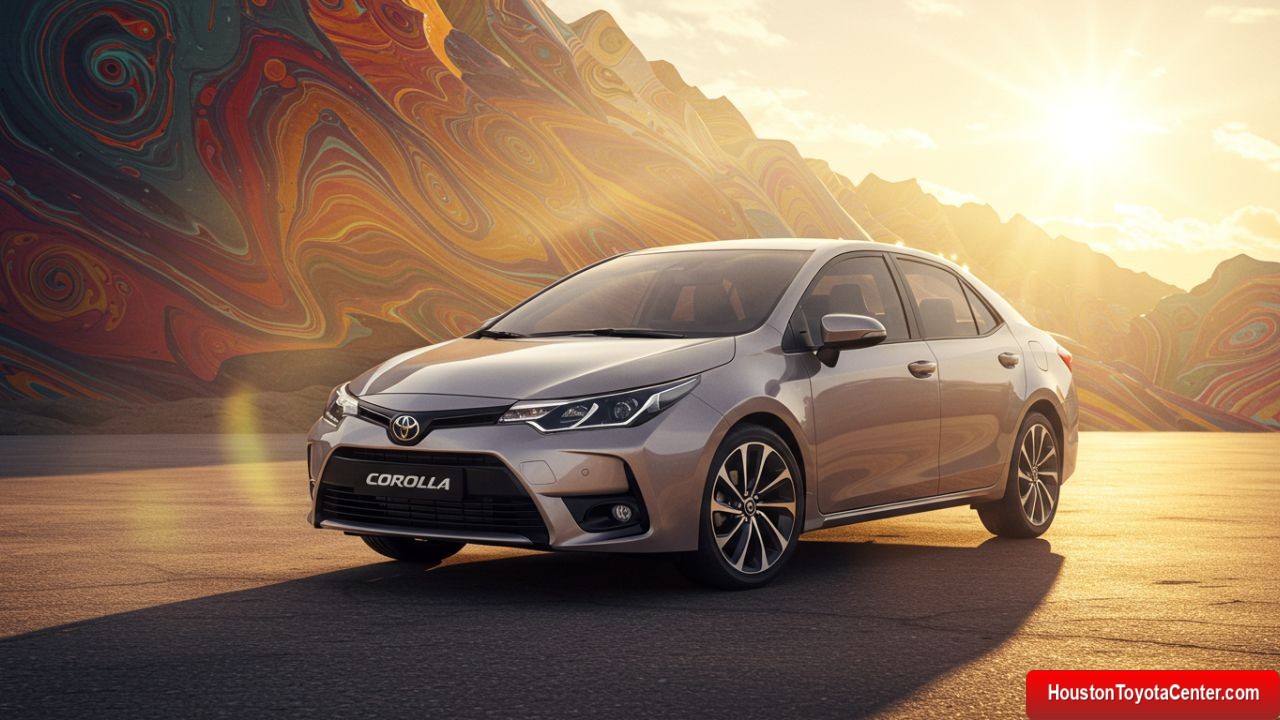
In an automotive landscape increasingly dominated by crossovers, SUVs, and electric vehicles, the Toyota Corolla stands as a testament to timeless engineering and unwavering reliability. Since its introduction in 1966, the Corolla has evolved from a simple economy car into a sophisticated compact sedan that offers what can only be described as “affordable luxury.” This seemingly paradoxical concept—luxury at an accessible price point—has become the Corolla’s defining characteristic in recent years, challenging traditional notions about what buyers should expect from a vehicle in this segment.
The modern Toyota Corolla represents more than just transportation; it embodies Toyota’s philosophy of continuous improvement and customer-centric design. With over 50 million units sold worldwide across twelve generations, the Corolla has earned its place as the best-selling car in history. But beyond the impressive sales figures lies a more compelling story: how Toyota has managed to infuse premium features, advanced technology, and refined driving dynamics into a vehicle that remains remarkably affordable for the average consumer.
This comprehensive exploration delves into the various aspects that make the Toyota Corolla a standout choice for budget-conscious buyers who refuse to compromise on quality, comfort, or style. From its meticulously crafted interior to its cutting-edge safety systems, from its efficient powertrains to its surprisingly engaging driving experience, the Corolla proves that luxury doesn’t have to come with a luxury price tag.
Historical Evolution: From Economy Car to Premium Contender
The Early Years (1966-1980)
When the first-generation Corolla debuted in Japan in 1966, it was positioned as an affordable alternative to larger, more expensive vehicles. The original model featured a modest 1.1-liter engine producing just 60 horsepower, yet it offered remarkable fuel efficiency and reliability for its time. This foundation of dependability would become the Corolla’s hallmark throughout its evolution.
FREE: Quickly identify and understand problems with your vehicle 🚘
CLICK HEREDuring the 1970s, as oil crises gripped the world, the Corolla’s fuel-efficient nature became increasingly attractive to American consumers. The second and third generations introduced slightly larger dimensions and more powerful engines, but the core philosophy remained unchanged: provide reliable, economical transportation that everyday people could afford.
The Growth Era (1980-2000)
The fourth through seventh generations marked a period of significant refinement for the Corolla. Toyota began incorporating more sophisticated suspension systems, improved interior materials, and enhanced sound insulation. By the 1990s, the Corolla had shed much of its bare-bones reputation, offering features like air conditioning, power windows, and even anti-lock brakes as standard or optional equipment.
The eighth generation, introduced in 1998, represented a major leap forward in terms of build quality and feature content. For the first time, the Corolla felt genuinely competitive with more expensive compact cars, offering a level of fit and finish that surprised critics and consumers alike.
The Modern Renaissance (2000-Present)
The ninth generation onwards saw the Corolla embrace a more global design approach, with different variants tailored to specific markets while maintaining core Toyota values. The tenth generation introduced more aggressive styling and improved handling characteristics. However, it was the eleventh and twelfth generations that truly transformed the Corolla into the affordable luxury vehicle we know today.
The current twelfth generation, launched in 2019, represents the culmination of decades of refinement. Built on Toyota’s TNGA (Toyota New Global Architecture) platform, it offers superior structural rigidity, improved crash safety, and enhanced driving dynamics. More importantly, it brings premium features previously reserved for luxury brands into the compact car segment.
Interior Craftsmanship: Where Affordability Meets Elegance
Material Quality and Design Philosophy
Step inside a modern Toyota Corolla, and you’ll immediately notice the attention to detail that sets it apart from many competitors. Toyota has invested heavily in improving interior materials, moving away from the hard plastics that characterized earlier generations toward softer-touch surfaces, genuine stitching accents, and thoughtfully designed controls.
The dashboard layout follows Toyota’s driver-centric philosophy, with all essential controls within easy reach. The instrument cluster features clear, easy-to-read gauges, while higher trim levels offer digital displays that provide comprehensive vehicle information. The center console houses an intuitive touchscreen interface that controls infotainment, climate, and vehicle settings.
Interior Feature Comparison Across Trim Levels:
| Feature | L (Base) | LE | SE | XLE | XSE |
|---|---|---|---|---|---|
| Upholstery | Fabric | Fabric | Sport Fabric | SofTex® | SofTex® |
| Steering Wheel | Urethane | Urethane | Leather-trimmed | Leather-trimmed | Leather-trimmed |
| Front Seats | Manual adjustment | Manual adjustment | Manual adjustment | 8-way power driver | 8-way power driver |
| Climate Control | Manual A/C | Automatic | Automatic | Dual-zone automatic | Dual-zone automatic |
| Ambient Lighting | No | No | Yes | Yes | Yes |
| Wireless Charging | No | Optional | Standard | Standard | Standard |
| Sunroof | No | Optional | Optional | Standard | Standard |
Comfort and Ergonomics
One area where the Corolla truly shines is in its seating comfort. The front seats are designed to provide excellent support during long drives, with adequate lumbar support and cushioning that prevents fatigue. Higher trim levels feature SofTex® synthetic leather upholstery, which not only looks premium but is also easier to clean and more environmentally friendly than traditional leather.
Rear seat passengers benefit from generous legroom and headroom, making the Corolla suitable for families or those who frequently carry passengers. The rear seats fold down to expand cargo capacity, though the Corolla’s trunk space is already respectable for its class at approximately 13.1 cubic feet.
Noise insulation has been significantly improved in recent generations, with additional sound-deadening materials reducing road and wind noise. At highway speeds, the cabin remains remarkably quiet, contributing to a more luxurious driving experience.
Technology Integration
The Corolla’s infotainment system represents another area where affordable luxury becomes evident. Standard features include:
- Apple CarPlay and Android Auto: Seamless smartphone integration allows drivers to access their favorite apps, music, and navigation systems through the vehicle’s touchscreen
- Amazon Alexa Compatibility: Voice control capabilities enable hands-free operation of various functions
- Wi-Fi Connect: Provides internet connectivity for passengers’ devices
- USB Ports: Multiple charging options ensure all devices stay powered
Higher trim levels add premium audio systems, wireless charging pads, and larger touchscreen displays. The available JBL audio system delivers concert-quality sound that rivals systems found in vehicles costing twice as much.
Advanced Safety Features: Protection Without Premium Pricing
Toyota Safety Sense™ 2.0
Perhaps nowhere is the Corolla’s value proposition more evident than in its comprehensive safety suite. Toyota Safety Sense™ 2.0 comes standard on all Corolla models, providing a level of active safety technology that was once exclusive to luxury vehicles. This suite includes:
Pre-Collision System with Pedestrian Detection: Using radar and camera technology, this system can detect vehicles and pedestrians ahead, alerting the driver and automatically applying brakes if necessary to prevent or mitigate collisions.
Lane Departure Alert with Steering Assist: Monitors lane markings and alerts the driver if unintentional drifting occurs. If the driver doesn’t respond, the system can provide gentle steering input to help keep the vehicle in its lane.
Automatic High Beams: Automatically switches between high and low beams based on surrounding traffic conditions, improving nighttime visibility without dazzling other drivers.
Dynamic Radar Cruise Control: Maintains a set speed and following distance from vehicles ahead, reducing driver fatigue during highway driving. Some versions offer full-speed range capability, working even in stop-and-go traffic.
Road Sign Assist: Uses the front camera to recognize certain road signs and displays them on the multi-information display, helping drivers stay informed about speed limits and other important information.
Additional Safety Innovations
Beyond the standard safety suite, higher trim levels and optional packages add even more protective features:
- Blind Spot Monitor: Alerts drivers to vehicles in adjacent lanes that may not be visible in mirrors
- Rear Cross-Traffic Alert: Warns of approaching vehicles when backing out of parking spaces
- Intelligent Clearance Sonar: Helps prevent low-speed collisions during parking maneuvers
- Bird’s Eye View Camera: Provides a 360-degree view around the vehicle for easier parking and maneuvering
These features collectively earn the Corolla top safety ratings from both the Insurance Institute for Highway Safety (IIHS) and the National Highway Traffic Safety Administration (NHTSA), providing peace of mind that typically comes with a much higher price tag.
Powertrain Options: Efficiency Without Compromise
Gasoline Engine Performance
The standard Corolla is powered by a 2.0-liter Dynamic Force four-cylinder engine producing 169 horsepower and 151 lb-ft of torque. This engine represents Toyota’s latest thinking in internal combustion technology, featuring:
- Direct and Port Fuel Injection: Combines the benefits of both injection methods for optimal performance and efficiency
- Variable Valve Timing with intelligence (VVT-i): Optimizes valve timing for different driving conditions
- High Compression Ratio: Improves thermal efficiency and power output
Paired with either a continuously variable transmission (CVT) or a six-speed manual transmission (on select models), this powertrain delivers smooth acceleration and impressive fuel economy. The CVT has been specifically tuned to minimize the “rubber band” effect common to such transmissions, providing more natural acceleration feel.
Hybrid Excellence
For those seeking maximum efficiency, the Corolla Hybrid offers an exceptional alternative. Combining a 1.8-liter four-cylinder engine with an electric motor, the hybrid system produces a combined 121 horsepower while achieving remarkable fuel economy ratings of up to 53 mpg city and 52 mpg highway.
The hybrid system operates seamlessly, automatically switching between electric-only mode, gasoline-only mode, and combined operation based on driving conditions. Regenerative braking captures energy normally lost during deceleration, storing it in the battery for later use. Despite the efficiency focus, the Corolla Hybrid doesn’t sacrifice driving enjoyment, offering responsive acceleration and smooth power delivery.
All-Wheel Drive Capability
Recognizing that some buyers need extra traction in adverse weather conditions, Toyota offers an available all-wheel-drive system on certain Corolla models. This electronic on-demand AWD system sends power to the rear wheels when slip is detected, improving stability and confidence in rain, snow, or loose surfaces. Unlike traditional AWD systems, this setup adds minimal weight and has negligible impact on fuel economy.
Driving Dynamics: Surprisingly Engaging
Chassis and Suspension
Built on Toyota’s TNGA platform, the Corolla benefits from a lower center of gravity and increased structural rigidity compared to previous generations. The front MacPherson strut and rear multi-link suspension setup provides a good balance between comfort and handling.
Sport-tuned suspension is available on SE and XSE trims, featuring firmer damping and revised spring rates that reduce body roll during cornering while maintaining acceptable ride comfort. The result is a vehicle that feels planted and confident on winding roads, yet remains comfortable enough for daily commuting.
Steering and Handling
The electric power steering system provides precise feedback and appropriate weighting, making the Corolla enjoyable to drive on twisty roads. While it may not match the ultimate handling prowess of dedicated sports sedans, the Corolla offers far more engagement than many competitors in its class.
The available sport mode adjusts throttle response, transmission behavior, and steering feel for a more dynamic driving experience. Though subtle, these changes are noticeable and appreciated by enthusiasts who want occasional driving pleasure from their daily driver.
Ride Quality
Despite its sporty aspirations, the Corolla maintains excellent ride quality. The suspension effectively absorbs bumps and imperfections in the road, while the well-insulated cabin minimizes noise intrusion. Long-distance travel is comfortable and fatigue-free, making the Corolla suitable for both city commuting and highway cruising.
Exterior Design: Sophisticated Styling on a Budget
Design Language
The current Corolla showcases Toyota’s contemporary design language, featuring sharp lines, a bold front grille, and sleek LED lighting elements. The overall profile is athletic and modern, with a fastback-inspired roofline on sedan models that adds visual interest.
Multiple exterior color options allow buyers to personalize their Corolla, ranging from conservative whites and silvers to vibrant blues and reds. Special edition models occasionally introduce unique color combinations and styling elements that further differentiate the Corolla from its competitors.
Lighting Technology
LED headlights and taillights are standard or available depending on trim level, providing superior illumination and distinctive nighttime appearance. Available adaptive headlights adjust beam pattern based on steering input and vehicle speed, optimizing visibility in various driving conditions.
Aerodynamic Efficiency
Every curve and contour of the Corolla has been carefully shaped to minimize aerodynamic drag, contributing to improved fuel economy and reduced wind noise. The result is a vehicle that looks purposeful and modern while functioning efficiently.
Ownership Experience: Low Cost, High Satisfaction
Reliability and Durability
Toyota’s reputation for reliability is well-earned, and the Corolla exemplifies this tradition. Consistently ranking among the most reliable vehicles in its class, the Corolla requires minimal maintenance beyond routine service intervals. Many Corollas easily exceed 200,000 miles with proper care, representing exceptional long-term value.
Maintenance Costs
Routine maintenance costs for the Corolla are among the lowest in the segment. Oil changes, tire rotations, and brake service are straightforward and inexpensive. Toyota’s extensive dealer network ensures convenient service availability, while the simplicity of the Corolla’s design means repairs are generally quick and affordable.
Resale Value
The Corolla’s strong resale value reflects its desirability and reliability. After three years, a Corolla typically retains 60-65% of its original value, significantly better than many competitors. This strong residual value reduces the total cost of ownership and makes leasing or trading in more attractive propositions.
Warranty Coverage
Toyota backs the Corolla with a comprehensive warranty package:
- Basic Warranty: 3 years/36,000 miles
- Powertrain Warranty: 5 years/60,000 miles
- Corrosion Perforation Warranty: 5 years/unlimited miles
- Hybrid Battery Warranty: 8 years/100,000 miles (hybrid models)
Additional coverage options extend protection for those seeking extra peace of mind.
Environmental Considerations: Responsible Luxury
Fuel Efficiency
Whether choosing the gasoline or hybrid variant, Corolla owners benefit from impressive fuel economy that reduces both operating costs and environmental impact. The hybrid model’s 50+ mpg rating places it among the most efficient non-plug-in vehicles available, while even the standard gasoline model achieves competitive efficiency figures.
Emissions Standards
All Corolla models meet stringent emissions standards, with the hybrid variant producing significantly lower CO2 emissions than conventional gasoline vehicles. Toyota’s commitment to reducing environmental impact extends beyond the vehicle itself to manufacturing processes and end-of-life recycling programs.
Sustainable Materials
Toyota increasingly incorporates sustainable and recycled materials in Corolla production. SofTex® upholstery, for example, uses fewer resources than traditional leather while providing similar aesthetics and durability. Recycled plastics find their way into various interior components, reducing waste and environmental footprint.
Competitive Landscape: How the Corolla Stacks Up
Versus Honda Civic
The Honda Civic represents the Corolla’s primary competitor, offering similar size, pricing, and features. While the Civic may offer slightly more engaging handling and a more spacious interior, the Corolla counters with superior reliability ratings, better fuel economy (particularly in hybrid form), and more comprehensive standard safety features. Both represent excellent choices, with the decision often coming down to personal preference and specific priorities.
Versus Mazda3
The Mazda3 appeals to driving enthusiasts with its premium interior materials and engaging dynamics. However, it commands a higher price point and doesn’t match the Corolla’s fuel efficiency or long-term reliability track record. The Corolla offers 90% of the Mazda3’s appeal at a significantly lower cost.
Versus Hyundai Elantra and Kia Forte
Korean competitors offer attractive warranties and generous feature content, often undercutting the Corolla on initial price. However, they haven’t yet matched Toyota’s reputation for long-term reliability and resale value. The Corolla represents a safer long-term investment, even if upfront costs are slightly higher.
Versus Volkswagen Jetta
The Jetta offers European styling and solid build quality but suffers from higher maintenance costs and less predictable reliability. The Corolla provides similar refinement with lower ownership costs and proven dependability.
Customization and Personalization
Trim Level Selection
The Corolla’s diverse trim lineup allows buyers to tailor their purchase to specific needs and budgets:
- L: Entry-level model with essential features
- LE: Popular mid-level trim balancing features and value
- SE: Sport-oriented appearance and handling
- XLE: Luxury-focused with premium materials and comfort features
- XSE: Combines sport styling with luxury appointments
- Hybrid LE/XLE: Efficient hybrid variants
Accessory Options
Toyota offers numerous accessories to personalize the Corolla, including:
- Roof racks and cargo carriers
- All-weather floor mats and cargo liners
- Body side moldings and splash guards
- Remote start systems
- Upgraded audio components
- Appearance packages with unique wheels and trim
Special Editions
Periodically, Toyota releases special edition Corollas with unique styling elements, exclusive colors, and additional features. These limited-production models offer distinctiveness for buyers seeking something beyond the standard offerings.
The Future of Affordable Luxury
Electrification Plans
Toyota has announced plans to expand electrified options across its lineup, including the Corolla. Future iterations may include plug-in hybrid variants or fully electric versions, maintaining the Corolla’s efficiency leadership while embracing zero-emission technology.
Autonomous Driving Features
As autonomous driving technology matures, expect the Corolla to incorporate increasingly sophisticated driver assistance systems. Toyota’s research into automated driving aims to make these technologies accessible and affordable, continuing the Corolla’s tradition of bringing premium features to mainstream buyers.
Connected Services
Enhanced connectivity will likely play a larger role in future Corollas, with over-the-air updates keeping vehicles current with the latest software improvements. Subscription services may offer additional functionality, from advanced navigation to remote vehicle monitoring and control.
Conclusion: Redefining Value in the Automotive World
The Toyota Corolla represents a masterclass in delivering affordable luxury. Through careful engineering, thoughtful design, and relentless focus on customer needs, Toyota has created a vehicle that offers premium experiences without premium prices. From its refined interior and comprehensive safety features to its efficient powertrains and engaging driving dynamics, the Corolla proves that compromise isn’t necessary when choosing an affordable vehicle.
In an era where automotive prices continue climbing and economic uncertainty affects purchasing decisions, the Corolla stands as a beacon of sensible luxury. It demonstrates that quality, reliability, and sophistication don’t require excessive spending. Instead, they result from intelligent design, efficient manufacturing, and a genuine commitment to customer satisfaction.
For buyers seeking a vehicle that respects their budget while honoring their desire for quality, the Corolla offers an compelling proposition. It’s not merely a car; it’s a statement that smart choices can yield rewarding outcomes. The affordable luxury of the Toyota Corolla isn’t about pretending to be something it’s not—it’s about being genuinely excellent at what it does, day after day, mile after mile, year after year.
As the automotive industry continues evolving toward electrification, automation, and connectivity, the Corolla’s fundamental value proposition remains relevant: provide outstanding quality, reliability, and satisfaction at a price ordinary people can afford. In doing so, Toyota hasn’t just sold millions of cars; it’s earned the trust and loyalty of generations of drivers who appreciate that true luxury isn’t about exclusivity—it’s about excellence accessible to all.
The Toyota Corolla doesn’t just compete in the compact car segment; it defines what that segment should aspire to be. And in a world where value matters more than ever, that definition couldn’t be more important.
Leave a Reply