
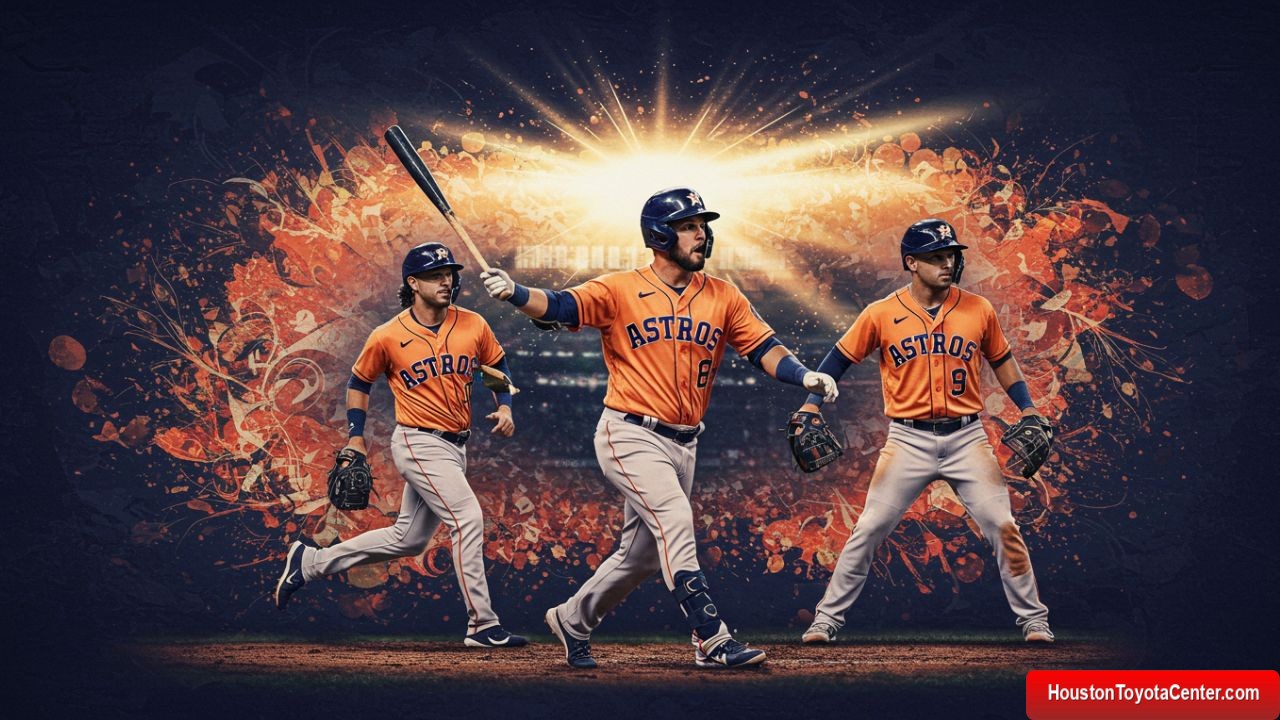
Baseball, often dubbed “America’s pastime,” has seen countless teams rise and fall, each contributing to the sport’s rich tapestry. Among them, the Houston Astros stand out as a franchise that has redefined resilience, innovation, and controversy. From their humble beginnings as an expansion team to becoming a modern-day dynasty, the Astros have left an indelible mark on baseball history. This article explores their journey, highlighting pivotal moments, legendary players, and the cultural and technological advancements they pioneered.
Founding and Early Years: The Colt .45s Era (1962–1964)
The Houston Astros originated as the Houston Colt .45s in 1962, part of MLB’s expansion to bring baseball to the American South. Named after the iconic firearm, the team played at Colt Stadium, a temporary venue notorious for Houston’s oppressive heat and swarms of mosquitoes. Despite these challenges, the Colt .45s showcased early promise with players like Turk Farrell and Bob Aspromonte, finishing eighth in their inaugural season—a respectable feat for an expansion team.
However, the franchise’s true turning point came with the construction of the Astrodome, the world’s first domed stadium.
The Astrodome Era: A Technological Marvel (1965–1999)
In 1965, the team rebranded as the Houston Astros, a nod to Houston’s role in the space race, and moved into the groundbreaking Astrodome. Dubbed the “Eighth Wonder of the World,” the Astrodome revolutionized sports architecture:
FREE: Quickly identify and understand problems with your vehicle 🚘
CLICK HERE| Feature | Significance |
|---|---|
| Domed Roof | Eliminated weather delays, enabling year-round events. |
| Artificial Turf | Introduced “AstroTurf,” changing how baseball was played on synthetic surfaces. |
| Climate Control | Maintained 72°F temperatures, a relief from Houston’s humidity. |
The Astrodome became a symbol of innovation, influencing future stadium designs like Toronto’s SkyDome and Minneapolis’ Metrodome. On the field, however, the Astros struggled to capitalize on their futuristic home. Despite flashes of brilliance—such as Nolan Ryan’s record-setting four no-hitters with the team (1981–1988) and the “Killer B’s” era (Bagwell, Biggio, and Berkman in the 1990s)—postseason success remained elusive.
The 2000s: From Heartbreak to Historic Triumphs
The Astros’ fortunes began to shift in the early 2000s. Led by Jeff Bagwell, Craig Biggio, and a dominant pitching staff featuring Roger Clemens and Andy Pettitte, the team clinched its first National League pennant in 2005. Their World Series matchup against the Chicago White Sox ended in a sweep, but the season solidified Houston as a contender.
A defining moment came in 2013 when the Astros transitioned to the American League West, a move that realigned MLB’s geographic balance. Critics questioned the decision, but it set the stage for a new era.
The 2017 World Series: Triumph and Scandal
In 2017, the Astros captured their first World Series title, defeating the Los Angeles Dodgers in a thrilling seven-game series. Stars like José Altuve, Carlos Correa, and Justin Verlander became household names. However, this victory was soon overshadowed by the sign-stealing scandal, which revealed the team’s use of technology to decode opponents’ pitches. The fallout was severe:
- Manager A.J. Hinch and GM Jeff Luhnow received suspensions.
- The team forfeited draft picks and paid a $5 million fine.
- Fan reactions ranged from outrage to defense, sparking debates about ethics in sports.
While the scandal tarnished their legacy, it also underscored the Astros’ relentless pursuit of excellence—even at great cost.
Redemption and Dominance: The 2022 World Series
The Astros silenced doubters in 2022 by winning their second World Series, this time against the Philadelphia Phillies. Led by Dusty Baker—baseball’s oldest championship-winning manager—the team emphasized resilience. Key contributors included Framber Valdez (postseason ERA: 1.44) and Rookie of the Year Jeremy Peña. This victory reinforced Houston’s status as a modern dynasty, with seven consecutive ALCS appearances (2017–2023).
Cultural Impact and Legacy
Beyond wins and losses, the Astros have shaped baseball culture in profound ways:
- Technological Pioneers: The Astrodome’s innovations paved the way for retractable roofs and synthetic turf.
- Integration in Texas: As the first MLB team in the South, they helped desegregate baseball in a racially divided region.
- Global Fandom: Their success, particularly in Latin America, has expanded MLB’s international reach.
Iconic Players Across Eras
| Era | Player | Contributions |
|---|---|---|
| 1960s–1970s | Nolan Ryan | 4 no-hitters; 1,866 strikeouts with Houston. |
| 1980s–1990s | Jeff Bagwell | 449 HRs; 1994 NL MVP. |
| 2000s–2010s | José Altuve | 2017 AL MVP; 8x All-Star; 2,000+ hits. |
| 2020s | Yordan Álvarez | 2022 World Series MVP; elite power hitter. |
Controversies and Resilience
The Astros’ journey hasn’t been without turbulence. From the sign-stealing scandal to divisive trades, they’ve faced scrutiny at every turn. Yet, their ability to rebound—whether through farm system gems like Kyle Tucker or savvy acquisitions like Justin Verlander—demonstrates a blueprint for sustained success.
Conclusion: A Team of Paradoxes
The Houston Astros embody baseball’s complexities: innovators and rule-breakers, underdogs and titans. Their story is one of triumph over adversity, technological leaps, and the enduring quest for greatness. Love them or loathe them, the Astros have irrevocably shaped the sport’s history—and their legacy is still being written.
Key Takeaways
- The Astrodome redefined stadium design.
- The 2017 scandal remains a cautionary tale about ethics in sports.
- Their 2022 championship cemented their status as a 21st-century powerhouse.
As the Astros continue to compete, their influence on baseball—both celebrated and controversial—will endure for generations.
Leave a Reply