
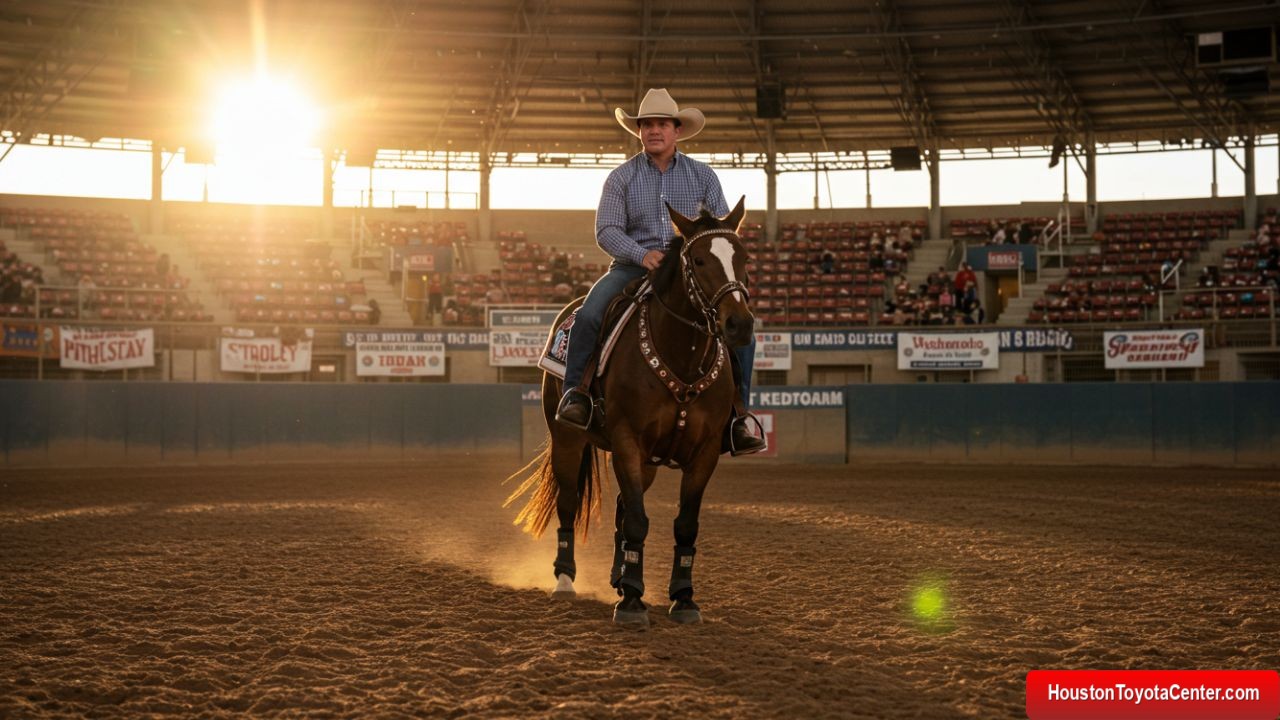
The Houston Livestock Show and Rodeo (HLSR), a cornerstone of Texan culture since 1932, has long been synonymous with tradition. From its roots as a small agricultural exhibition to its current status as the world’s largest livestock show and rodeo, the event attracts millions of visitors annually, generating billions in economic impact. Yet, as the world evolves, so must the Rodeo. Climate change, technological disruption, shifting demographics, and evolving public expectations are reshaping the landscape for events like HLSR. This article explores the challenges and opportunities that will define the Rodeo’s future, emphasizing innovation, sustainability, and community engagement.
The Pillars of the Rodeo’s Legacy
To envision the future, we must first understand the past. The HLSR was founded to celebrate Texas’ agricultural heritage, support youth education, and foster community spirit. Over nine decades, it has:
- Awarded over $600 million in scholarships to Texas students.
- Hosted iconic entertainers like Elvis Presley, Beyoncé, and George Strait.
- Pioneered livestock breeding competitions that set global standards.
However, its core mission—education, agriculture, and entertainment—remains unchanged. The challenge lies in balancing these pillars with 21st-century demands.
Sustainability: A Green Rodeo?
Climate change and environmental consciousness are reshaping large-scale events. The HLSR’s carbon footprint—from energy use at NRG Stadium to waste generated by 2.5 million attendees—is under scrutiny.
FREE: Quickly identify and understand problems with your vehicle 🚘
CLICK HERECurrent Initiatives
- Waste Reduction: The Rodeo recycled 144 tons of material in 2023.
- Renewable Energy: Solar panels power portions of the grounds.
- Water Conservation: Drought-resistant landscaping and efficient irrigation.
Future Goals
| Area | 2023 Status | 2030 Target |
|---|---|---|
| Carbon Emissions | 12,000 metric tons CO2 | Net-zero |
| Waste Diverted from Landfill | 40% | 90% |
| Renewable Energy Usage | 15% | 100% |
To achieve these targets, the Rodeo could:
- Partner with clean energy providers to offset emissions.
- Introduce a “zero-waste” certification for vendors.
- Launch educational exhibits on sustainable agriculture.
Technology and the Visitor Experience
The Rodeo’s future will be shaped by digital innovation. While line dancing and bull riding remain timeless, tech can enhance accessibility, safety, and engagement.
Immediate Opportunities
- Cashless Transactions: Accelerated by COVID-19, contactless payments reduce wait times and improve hygiene.
- Augmented Reality (AR): Interactive maps or AR-guided tours of livestock barns.
- Data Analytics: Predictive tools to manage crowd flow and optimize parking.
Long-Term Vision
- Virtual Rodeo Access: Livestreamed events for global audiences.
- Blockchain for Transparency: Tracking scholarship funds or auction proceeds in real time.
- AI-Driven Personalization: Custom itineraries based on visitor preferences (e.g., “family-friendly” or “rodeo competitor”).
Diversity, Equity, and Inclusion (DEI)
Houston is one of America’s most diverse cities, yet the Rodeo has faced criticism for lagging in representation. In 2022, only 28% of performers identified as non-white, and scholarships disproportionately favored rural counties.
Strategies for Inclusivity
- Programming: Expand música regional Mexicana, Afro-Caribbean, and Asian cultural showcases.
- Scholarship Reform: Allocate funds to urban school districts and first-generation students.
- Leadership: Diversify the HLSR board, which is currently 80% male and 90% white.
Case Study: The Black Cowboy Experience
In 2024, the Rodeo launched an exhibit honoring Black cowboys, a group often erased from Western narratives. Attendance surged by 18% among African American families, proving that inclusivity drives growth.
Economic Realities and Funding Challenges
The HLSR relies on ticket sales, sponsorships, and auctions. However, inflation, corporate budget cuts, and competition from festivals like Austin City Limits threaten revenue streams.
Financial Snapshot (2023)
| Revenue Source | Contribution | Growth (2019–2023) |
|---|---|---|
| Ticket Sales | $120 million | -2% (post-COVID) |
| Corporate Sponsorships | $75 million | +12% |
| Livestock Auctions | $45 million | +8% |
Future Risks
- Sponsor Dependency: ExxonMobil and Chevron contribute 30% of sponsorship revenue. The shift to renewables could strain these partnerships.
- Ticket Affordability: Median ticket prices have risen 25% since 2015, pricing out working-class families.
Solutions
- Develop a tiered pricing model with discounted community days.
- Cultivate sponsors in emerging industries (e.g., tech, healthcare).
Education: The Heartbeat of the Rodeo
The HLSR’s commitment to education is unparalleled, but the future demands modernization.
Current Programs
- Scholarships: 800+ students annually.
- School Art Competitions: 300,000+ entries in 2023.
- AgriScience Labs: Hands-on STEM activities for K-12 students.
Innovations Needed
- Digital Learning Platforms: Virtual agriscience courses for underserved schools.
- Career Pathways: Partnerships with colleges to funnel students into agriculture tech (AgTech) careers.
- Climate Curriculum: Teach sustainable farming practices amid Texas’ worsening droughts.
Globalization vs. Local Identity
As Houston grows into a global city, the Rodeo faces a paradox: Should it prioritize international appeal or preserve its Texan roots?
Opportunities
- Attract tourists from emerging markets (e.g., India, Brazil) with targeted marketing.
- Showcase global agricultural practices alongside Texas traditions.
Risks
- Diluting the “Texas brand” that defines the Rodeo.
- Overcommercialization alienating longtime attendees.
The Entertainment Dilemma
Concerts account for 60% of Rodeo attendance. Yet, the music industry’s fragmentation—fewer superstar acts, rising artist fees—poses challenges.
Artist Booking Trends
| Year | Headliner Genre | Average Attendance |
|---|---|---|
| 2010 | Country | 75,000 |
| 2023 | Pop/Latin | 72,000 |
Recommendations
- Invest in emerging genres (K-pop, Afrobeats) to engage younger audiences.
- Develop a “Texas Music Stage” to spotlight local artists.
Climate Resilience and Infrastructure
Extreme weather is a existential threat. Hurricane Harvey (2017) caused $50 million in damages, while 2023’s record heat saw a 15% drop in daytime attendance.
Adaptation Strategies
- Build shaded areas with misting stations.
- Invest in flood-resistant infrastructure at NRG Park.
- Shift the Rodeo’s dates to cooler months (currently February–March).
A Vision for 2040: The Rodeo Reimagined
By 2040, the HLSR could be a model for sustainable, inclusive, and technologically advanced cultural festivals. Imagine:
- Carbon-Neutral Grounds: Powered entirely by wind and solar.
- Hybrid Events: A global audience tuning in via metaverse platforms.
- Youth Leadership: A board of directors featuring scholarship alumni.
Yet, the essence of the Rodeo—the smell of barbecue, the thrill of a perfect ride, the pride in Texas agriculture—must remain untouched.
Conclusion
The Houston Livestock Show and Rodeo stands at a crossroads. To survive another 90 years, it must embrace change without compromising its soul. By prioritizing sustainability, equity, and innovation, the Rodeo can honor its past while galloping confidently into the future. As one longtime volunteer aptly said, “We’re not just keeping traditions alive—we’re making sure they matter.” In the heart of Houston, the rodeo spirit will endure, but only if it evolves.
Leave a Reply