
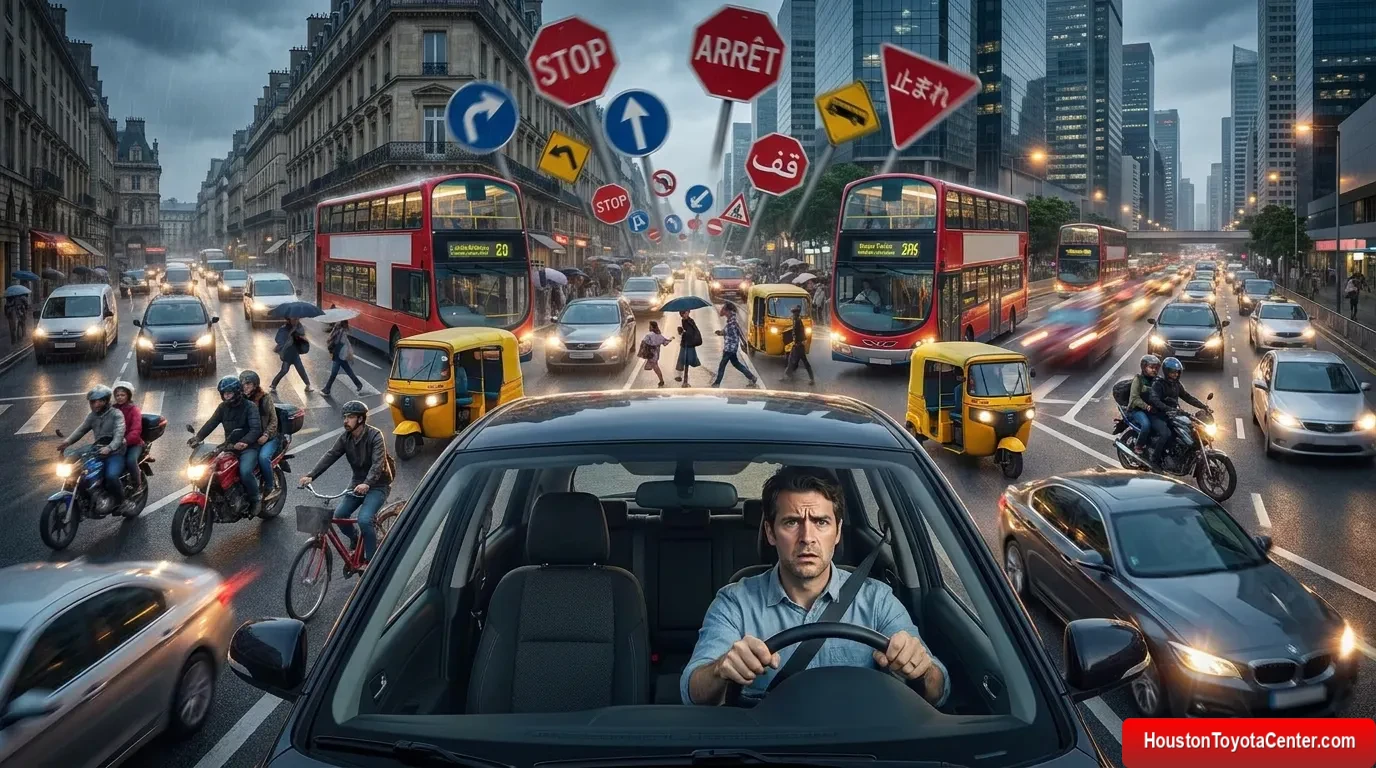
Driving is often seen as a universal skill—once you learn how to operate a vehicle, the assumption is that you can drive anywhere in the world. In reality, however, driving across different countries can be a surprisingly complex and sometimes overwhelming experience. Each nation has its own set of rules, cultural expectations, road conditions, enforcement styles, and even unwritten norms that shape how people behave behind the wheel.
For travelers, expatriates, and international professionals, understanding these differences is not just a matter of convenience—it is essential for safety, legality, and overall confidence. This article explores the wide-ranging challenges of driving in different countries, from formal traffic laws to informal customs, and provides practical insights to help drivers adapt effectively.
1. The Illusion of Universality in Driving
At its core, driving involves similar mechanical actions: steering, accelerating, braking, and navigating roads. Yet beyond these basics lies a vast diversity in how driving is structured and practiced.
Many drivers assume that traffic rules are largely the same worldwide—stop at red lights, drive on one side of the road, obey speed limits. While these principles exist globally, their interpretation and enforcement vary significantly. For example:
FREE: Quickly identify and understand problems with your vehicle 🚘
CLICK HERE- In some countries, speed limits are strictly enforced with automated cameras.
- In others, speed limits are treated more as guidelines than hard rules.
- Lane discipline may be rigid in certain places and nearly nonexistent in others.
This gap between expectation and reality is often the first major challenge drivers face when entering a new country.
2. Driving Orientation: Left vs. Right Side of the Road
One of the most immediate and disorienting differences is whether a country drives on the left or right side of the road.
Left-side driving countries:
- United Kingdom
- Japan
- Australia
- India
Right-side driving countries:
- United States
- Brazil
- Germany
- China
Switching sides affects more than just positioning—it changes:
- The driver’s seat location
- The direction of traffic flow at intersections
- The way you check mirrors and blind spots
- Roundabout navigation
For many drivers, the hardest part is not the initial awareness but maintaining consistency, especially in low-traffic situations where muscle memory takes over.
3. Traffic Laws: Similar Concepts, Different Details
While most countries share common traffic law foundations, the details can vary widely.
Speed Limits
Speed limits differ not only in numerical value but also in how they are communicated and enforced.
| Country | Urban Limit (approx.) | Highway Limit (approx.) | Enforcement Style |
|---|---|---|---|
| Germany | 50 km/h | No universal limit | Strict in cities, flexible on Autobahn |
| USA | 25–35 mph | 65–75 mph | Strict, with heavy fines |
| Brazil | 40–60 km/h | 80–120 km/h | Moderately enforced |
| India | 40–50 km/h | 80–100 km/h | Often loosely enforced |
Traffic Signals
In some countries:
- Turning right on red (or left on red in left-driving countries) is allowed.
- In others, it is strictly prohibited.
Additionally, the timing and sequencing of traffic lights can differ, including:
- Flashing signals
- Countdown timers
- Pedestrian priority systems
Road Signs
Even though many countries follow international conventions, sign design, color, and language vary. A sign that is intuitive in one country may be confusing in another.
4. Cultural Driving Norms: The Unwritten Rules
Beyond formal laws, driving culture plays a crucial role in shaping behavior on the road.
Aggressiveness vs. Caution
- In some countries, drivers are assertive and expect quick decision-making.
- In others, drivers are more cautious and prioritize politeness.
Use of Horns
- In countries like India, the horn is used frequently as a communication tool.
- In countries like Germany or Sweden, excessive honking is considered rude or even illegal.
Lane Discipline
- Strict lane adherence is expected in countries like Japan and Germany.
- In other places, lanes are more fluid, and drivers may weave between them.
Yielding Behavior
- In some cultures, drivers rarely yield unless required.
- In others, informal courtesy plays a significant role.
Understanding these unwritten rules is often more challenging than learning formal laws because they are rarely documented.
5. Road Infrastructure and Conditions
Driving conditions vary dramatically across countries, affecting safety and driving style.
Road Quality
- Developed countries typically have well-maintained roads.
- Developing regions may have potholes, uneven surfaces, or incomplete infrastructure.
Signage and Markings
- Clear and consistent in some countries
- Faded, inconsistent, or missing in others
Lighting
- High-quality street lighting in urban areas of developed countries
- Limited or absent lighting in rural or less developed regions
Unexpected Obstacles
Drivers may encounter:
- Animals crossing roads
- Pedestrians walking along highways
- Unpredictable vehicle types (e.g., carts, motorcycles, bicycles)
6. Vehicle Types and Traffic Mix
The composition of traffic can differ greatly from one country to another.
Common Variations
- High motorcycle density in Southeast Asia
- Large trucks dominating highways in North America
- Bicycles as primary transport in parts of Europe
Mixed Traffic
In some regions, roads are shared by:
- Cars
- Buses
- Motorcycles
- Pedestrians
- Animals
This creates a dynamic and often chaotic environment that requires constant vigilance.
7. Licensing and Legal Requirements
Driving legally in a foreign country often involves navigating complex administrative requirements.
International Driving Permits (IDP)
Many countries require an IDP in addition to a valid driver’s license.
Local Licensing
Long-term residents may need to:
- Convert their license
- Pass written or practical exams
- Meet medical or age requirements
Insurance
Insurance rules vary widely, including:
- Mandatory coverage types
- Liability limits
- Documentation requirements
Failure to comply can result in fines, legal issues, or inability to drive.
8. Enforcement and Penalties
The way traffic laws are enforced differs significantly across countries.
Strict Enforcement
- Automated cameras
- Immediate fines
- Points systems
Lenient or Inconsistent Enforcement
- Irregular police presence
- Negotiation or warnings instead of fines
- Regional variation in enforcement
Corruption and Informal Practices
In some regions, drivers may encounter:
- Requests for unofficial payments
- Inconsistent application of rules
This creates uncertainty and ethical dilemmas for foreign drivers.
9. Navigation Challenges
Even with modern GPS technology, navigation can be difficult.
Language Barriers
- Road signs in unfamiliar languages
- GPS instructions that may not match local naming conventions
Mapping Accuracy
- Outdated maps in rapidly developing areas
- Missing roads or incorrect routes
Address Systems
Some countries lack standardized address systems, making destinations hard to locate.
10. Urban vs. Rural Driving
Driving experiences can differ dramatically between urban and rural areas.
Urban Driving
- Heavy traffic
- Complex intersections
- Parking challenges
- High pedestrian density
Rural Driving
- Higher speeds
- Fewer services
- Poor road conditions
- Wildlife hazards
Each environment requires different skills and awareness levels.
11. Parking Rules and Practices
Parking is often one of the most confusing aspects of driving abroad.
Common Differences
- Paid parking zones with varying rules
- Permit-based residential parking
- Informal parking customs
Enforcement
- Strict ticketing and towing in some cities
- Minimal enforcement in others
Understanding local parking systems is essential to avoid fines and frustration.
12. Technology and Driving
Technology adoption varies globally.
Advanced Systems
- Smart traffic lights
- Real-time traffic updates
- Automated toll systems
Limited Technology
- Manual toll booths
- Lack of digital infrastructure
- Reliance on local knowledge
Drivers must adapt to both high-tech and low-tech environments.
13. Psychological Challenges
Driving in a foreign country can be mentally taxing.
Stress Factors
- Unfamiliar rules
- Aggressive drivers
- Navigation difficulties
Cognitive Load
Drivers must:
- Process new information constantly
- Override ingrained habits
- Stay alert in unpredictable situations
Confidence Issues
Even experienced drivers may feel uncertain or anxious.
14. Safety Considerations
Safety risks vary depending on the country.
Accident Rates
Higher in regions with:
- Poor infrastructure
- Weak enforcement
- High traffic density
Emergency Response
- Fast and efficient in developed countries
- Limited or delayed in others
Personal Safety
Drivers may need to consider:
- Theft risks
- Road scams
- Unsafe areas
15. Adapting to New Driving Environments
Successfully driving in a different country requires preparation and flexibility.
Practical Tips
- Study local traffic laws before arrival
- Observe local drivers before actively driving
- Start with short trips
- Use navigation tools cautiously
- Stay calm and patient
Mindset
Adaptability is key. Drivers should:
- Avoid assuming familiarity
- Respect local customs
- Remain alert and open to learning
16. The Role of Culture in Driving Behavior
Driving is deeply influenced by broader cultural values.
Examples
- Individualism vs. collectivism affects yielding behavior
- Attitudes toward authority influence rule compliance
- Social norms shape courtesy and aggression levels
Understanding these cultural dimensions helps drivers interpret behavior more accurately.
17. Case Study Comparison
Below is a simplified comparison of driving characteristics across different regions:
| Aspect | Western Europe | Southeast Asia | North America | South America |
|---|---|---|---|---|
| Rule Enforcement | Strict | Variable | Strict | Moderate |
| Driving Style | Disciplined | Aggressive/Fluid | Structured | Assertive |
| Road Quality | High | Mixed | High | Mixed |
| Traffic Mix | Moderate diversity | Highly mixed | Mostly cars | Mixed |
| Use of Horn | Minimal | Frequent | Minimal | Moderate |
18. The Future of Global Driving
As globalization increases, efforts are being made to standardize driving practices.
Trends
- International agreements on road signs
- Increased use of autonomous driving technology
- Improved navigation systems
Challenges Ahead
- Balancing standardization with cultural diversity
- Integrating new technologies across different infrastructures
Conclusion
Driving in different countries is far more than a technical skill—it is an exercise in cultural adaptation, situational awareness, and continuous learning. From navigating unfamiliar traffic laws to interpreting subtle social cues, drivers must adjust both their habits and mindset.
While the challenges can be significant, they also offer an opportunity to gain a deeper understanding of how societies function and interact. By approaching international driving with preparation, humility, and attentiveness, drivers can transform a potentially stressful experience into a rewarding and enlightening one.
Leave a Reply