
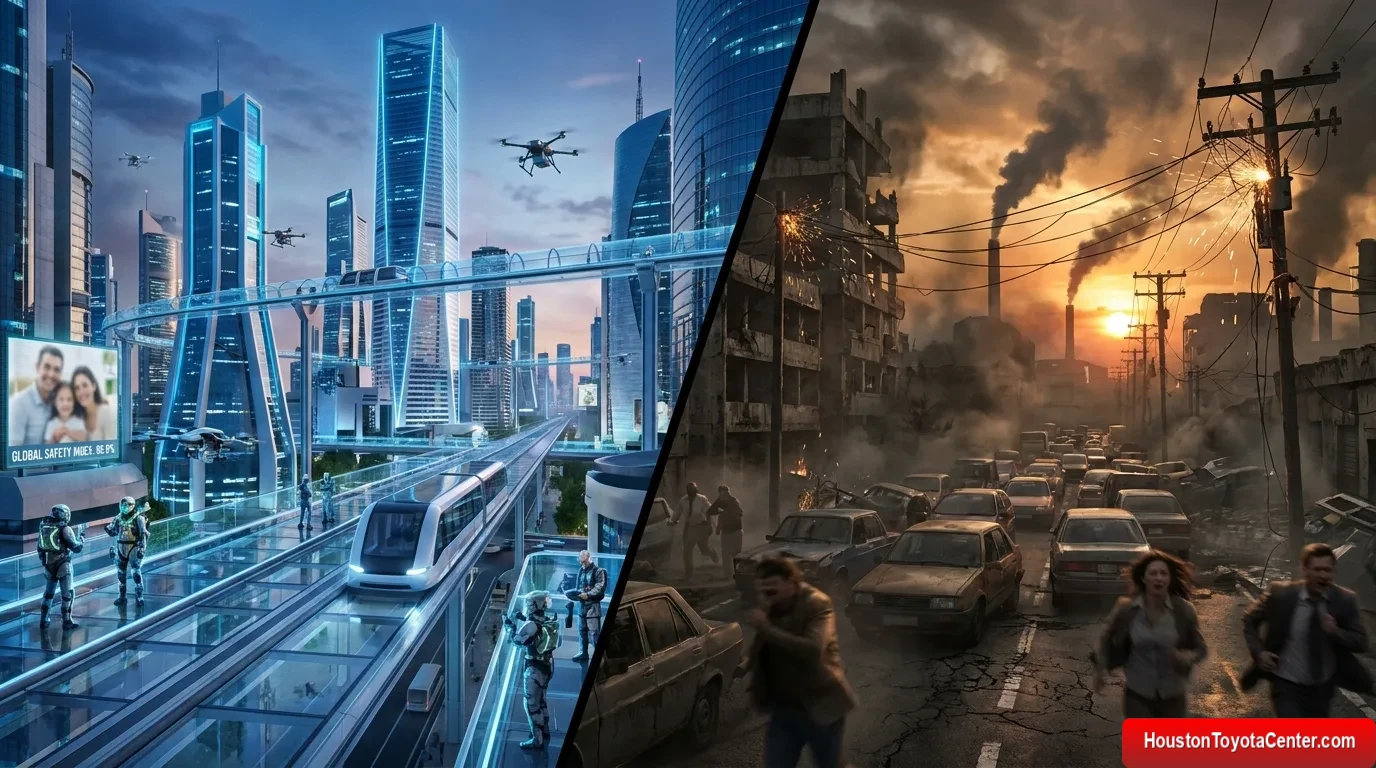
Safety standards influence nearly every aspect of modern life, from the cars people drive and the food they eat to the buildings they occupy and the electronics they use every day. Yet while globalization has connected markets, supply chains, and cultures more closely than ever before, safety standards remain surprisingly diverse across countries and regions. A product considered safe in one country may require redesign before entering another market. A building code accepted in one city may fail inspection elsewhere. A pharmaceutical approved quickly in one jurisdiction might face years of scrutiny in another.
These variations are not accidental. They emerge from complex combinations of history, economics, geography, politics, technology, culture, legal traditions, industrial priorities, and public expectations. Some countries prioritize innovation and rapid market access, while others focus more heavily on precaution and risk minimization. Some regions develop strict regulations after disasters or public scandals. Others struggle with enforcement capacity despite having ambitious laws on paper.
Understanding global safety standard variations is increasingly important in the twenty-first century. Businesses operating internationally must comply with multiple regulatory frameworks. Travelers encounter different levels of public safety infrastructure. Manufacturers face certification challenges across markets. Consumers regularly purchase imported products without fully realizing the differences in testing or oversight behind them. Policymakers must balance economic competitiveness with public protection.
FREE: Quickly identify and understand problems with your vehicle 🚘
CLICK HEREThis article explores why safety standards vary around the world, how different industries approach safety regulation, what factors shape national approaches, and where international harmonization is succeeding or failing.
The Meaning of Safety Standards
Safety standards are formal or informal rules designed to reduce the risk of harm to people, property, and the environment. These standards may be established by governments, international organizations, industry groups, scientific bodies, or private certification agencies.
They typically address:
- Product safety
- Workplace conditions
- Transportation systems
- Food and water quality
- Construction and infrastructure
- Environmental exposure
- Medical and pharmaceutical regulation
- Consumer electronics
- Industrial manufacturing
- Cybersecurity and digital systems
Safety standards can be mandatory through laws and regulations or voluntary through industry certification systems. In practice, many voluntary standards become effectively mandatory because markets, insurers, retailers, or consumers demand compliance.
For example, electrical products often need certification from recognized testing organizations before major retailers will sell them. Food producers may follow voluntary quality systems because global supply chains require traceability and consistency.
The concept of “acceptable risk” sits at the center of all safety standards. No society can eliminate all risks completely. Instead, governments and institutions determine what level of risk is acceptable based on available technology, economic costs, social expectations, and scientific evidence.
This is where major international differences emerge.
Why Safety Standards Differ Across Countries
Historical Experiences
Countries often develop stricter safety rules after experiencing disasters.
The nuclear policies of Japan changed significantly after the Fukushima disaster in 2011. Aviation security standards worldwide tightened after the September 11 attacks in the United States. Building codes in earthquake-prone countries such as Chile and Japan evolved after devastating seismic events.
Historical industrial accidents also leave long-lasting regulatory legacies. Europe’s chemical safety regulations became stricter after pollution incidents and public health controversies during the twentieth century. Mining disasters shaped labor protections in many industrial economies.
Societies remember catastrophic events differently, and those memories influence political willingness to impose regulations.
Economic Development Levels
Wealthier countries generally have more resources for regulation, inspection, testing, and enforcement.
Developing economies may adopt ambitious safety laws but struggle with implementation due to:
- Limited funding
- Insufficient inspectors
- Weak laboratory infrastructure
- Corruption
- Informal economic activity
- Political instability
In lower-income countries, governments may prioritize economic growth, industrialization, and employment over expensive compliance requirements.
For example, strict workplace protections can increase manufacturing costs. Countries competing for foreign investment may hesitate to impose regulations perceived as burdensome.
However, this relationship is not always straightforward. Some emerging economies have highly advanced standards in strategic industries such as aviation, pharmaceuticals, or digital infrastructure.
Cultural Attitudes Toward Risk
Different societies tolerate risk differently.
Some cultures embrace innovation and experimentation even when uncertainty exists. Others prioritize caution and prevention.
The precautionary principle is especially influential in parts of Europe. Under this approach, regulators may restrict products or technologies if scientific uncertainty exists regarding potential harm.
The United States historically has often emphasized evidence of demonstrated harm before imposing restrictions, especially in areas involving business activity and technological development.
Neither approach is universally superior. Excessive caution can slow innovation and increase costs. Excessive permissiveness can expose populations to preventable risks.
Political Systems and Governance
Political institutions strongly shape regulatory approaches.
Democratic systems with active media and strong civil society organizations often face public pressure after safety failures. Authoritarian systems may implement regulations rapidly but lack transparency or accountability.
Federal systems can create regional variations inside the same country. In the United States, states may adopt different building codes or workplace regulations. In the European Union, member states harmonize many rules but retain local differences in implementation.
Countries with strong rule-of-law traditions generally achieve more consistent enforcement than those where regulations are undermined by corruption or political favoritism.
Geography and Climate
Environmental conditions influence safety priorities.
Countries exposed to earthquakes develop stronger seismic building standards. Tropical regions focus more heavily on mosquito-borne diseases and heat resilience. Northern countries prioritize winter road safety and insulation standards.
Geography affects transportation systems as well. Maritime nations often maintain advanced port and shipping safety rules. Desert regions may prioritize water infrastructure protection.
International Organizations and Harmonization Efforts
Although national differences remain significant, many international organizations attempt to harmonize safety standards.
International Organization for Standardization (ISO)
The ISO develops voluntary international standards covering industries ranging from manufacturing to information security.
Examples include:
| ISO Standard | Focus Area | Purpose |
|---|---|---|
| ISO 9001 | Quality Management | Ensures consistent quality systems |
| ISO 45001 | Occupational Safety | Workplace health and safety management |
| ISO 27001 | Information Security | Cybersecurity risk management |
| ISO 14001 | Environmental Management | Environmental performance systems |
ISO standards are widely respected globally, but adoption varies.
World Health Organization (WHO)
The WHO helps coordinate international public health standards, disease surveillance, pharmaceutical guidance, and emergency response practices.
However, countries still maintain independent medical regulatory systems.
International Civil Aviation Organization (ICAO)
Aviation is one of the most globally standardized industries because aircraft routinely cross borders.
ICAO establishes international aviation safety principles covering:
- Pilot training
- Air traffic control
- Aircraft maintenance
- Airport security
- Accident investigation
Despite this harmonization, enforcement quality differs considerably.
Codex Alimentarius
Developed jointly by the WHO and the Food and Agriculture Organization, Codex standards guide international food safety and labeling practices.
These standards influence global trade disputes and import regulations.
European Union Harmonization
The European Union represents one of the most advanced examples of multinational regulatory harmonization.
EU member states follow common frameworks covering:
- Product safety
- Chemical regulation
- Vehicle standards
- Food safety
- Pharmaceuticals
- Data privacy
This creates a large unified market while maintaining high safety expectations.
Product Safety Standards
Electrical Products
Electrical safety standards vary significantly worldwide.
Voltage systems differ between regions, requiring manufacturers to adapt products for different markets. Plug designs vary dramatically as well.
Beyond compatibility issues, certification systems differ.
Common certification systems include:
| Region | Common Certification |
| United States | UL Certification |
| European Union | CE Marking |
| Canada | CSA Certification |
| China | CCC Mark |
| Japan | PSE Mark |
Products entering international markets often require multiple rounds of testing.
Some countries emphasize fire prevention, while others focus heavily on electromagnetic interference, child protection, or energy efficiency.
Toy Safety
Toy regulations illustrate cultural differences in risk tolerance.
European regulations generally impose strict controls on chemicals, choking hazards, and flammability. The United States also maintains rigorous standards, though testing procedures and regulatory structures differ.
In lower-income markets, counterfeit or unregulated toys may circulate widely with minimal oversight.
Global toy manufacturers must navigate:
- Chemical restrictions
- Labeling rules
- Age classifications
- Battery safety requirements
- Mechanical hazard testing
The rise of online marketplaces has complicated enforcement because unsafe products can bypass traditional retail channels.
Consumer Electronics
Modern electronics combine multiple risk categories:
- Fire hazards
- Electrical shock
- Battery explosions
- Data security vulnerabilities
- Radiation exposure
- Privacy concerns
Countries differ in how they prioritize these risks.
For example, the European Union has become especially influential in regulating data privacy and digital consumer rights. Asian manufacturing centers may focus heavily on hardware reliability and production quality.
Differences in e-waste management standards also shape product design.
Automotive Safety Standards
Vehicle safety standards vary substantially across markets.
Crash Testing Differences
Major automotive markets maintain independent crash-testing systems.
| Region | Safety Program |
| United States | NHTSA and IIHS |
| Europe | Euro NCAP |
| Japan | JNCAP |
| Australia | ANCAP |
| Latin America | Latin NCAP |
Although these programs share common goals, testing methods differ.
Variations may involve:
- Collision speed
- Pedestrian testing
- Side-impact protocols
- Child safety assessments
- Electronic stability requirements
As a result, a vehicle receiving top ratings in one market may perform differently under another testing framework.
Emissions and Environmental Standards
Environmental safety increasingly overlaps with public health.
The European Union has historically enforced strict emissions standards through the Euro emission system. California frequently sets aggressive vehicle emissions policies that influence broader American regulations.
Developing economies may allow older technologies due to affordability concerns.
Differences in fuel quality also affect vehicle engineering.
Road Infrastructure and Driving Culture
Safety standards extend beyond the vehicle itself.
Road design, traffic enforcement, driver education, and emergency medical response vary dramatically worldwide.
Some countries achieve low traffic fatality rates through:
- Strict licensing systems
- Speed enforcement
- Modern infrastructure
- Strong drunk-driving laws
- High seatbelt usage
Others face challenges from:
- Poor road maintenance
- Informal transportation systems
- Weak enforcement
- Overcrowding
- Corruption
Even when regulations appear similar on paper, practical outcomes may differ enormously.
Food Safety Around the World
Food safety demonstrates how deeply regulation intersects with culture, economics, and politics.
Agricultural Practices
Countries maintain different approaches to:
- Pesticide use
- Antibiotics in livestock
- Hormone treatments
- Genetically modified organisms (GMOs)
- Food additives
- Labeling requirements
The European Union generally applies stricter precautionary rules regarding GMOs and certain chemical additives.
The United States often permits products unless strong evidence demonstrates harm.
Asian countries vary widely, from highly sophisticated regulatory systems in Japan and Singapore to weaker enforcement environments elsewhere.
Inspection and Traceability
Advanced food safety systems increasingly rely on traceability technologies.
These systems allow regulators to track products through supply chains during contamination outbreaks.
However, implementation costs can disadvantage smaller producers.
Countries with fragmented agricultural sectors often struggle with:
- Cold chain management
- Laboratory testing
- Rural inspections
- Informal food markets
Cultural Food Practices
Traditional diets influence regulatory priorities.
Countries regulate raw milk, fermented foods, seafood, and street food differently based on historical consumption patterns.
For example:
- Some European countries permit certain unpasteurized cheeses.
- Japan maintains extensive seafood safety systems.
- Southeast Asian countries often regulate street food through localized frameworks.
- Religious dietary laws intersect with national regulations in many regions.
Balancing tradition with modern food safety science remains politically sensitive.
Workplace Safety Standards
Industrialized Economies
Advanced economies generally maintain comprehensive workplace safety systems.
These may include:
- Mandatory training
- Protective equipment requirements
- Hazard reporting systems
- Inspection programs
- Workers’ compensation frameworks
- Union participation
Countries such as Germany and Sweden often integrate labor organizations directly into workplace safety oversight.
Developing Economies
Rapid industrialization can create dangerous conditions.
Factories in low-cost manufacturing regions sometimes operate with inadequate:
- Ventilation
- Fire exits
- Structural integrity
- Chemical handling systems
- Worker protections
Global attention increased after major industrial disasters such as factory collapses and mining accidents.
International brands now face pressure to monitor supplier safety standards more closely.
Informal Labor Markets
In many countries, large portions of the workforce operate outside formal regulation.
Informal workers may lack:
- Legal protections
- Insurance coverage
- Safety training
- Inspection oversight
This creates major enforcement challenges.
Automation and Emerging Risks
New technologies create new workplace safety questions.
Modern industries increasingly address:
- Robotics safety
- AI decision-making
- Ergonomic injuries
- Mental health stress
- Remote work conditions
- Data surveillance concerns
Different countries are responding at different speeds.
Building Codes and Construction Standards
Earthquake Engineering
Countries exposed to earthquakes often maintain advanced seismic standards.
Japan is widely recognized for sophisticated earthquake-resistant engineering. Chile also developed strong seismic regulations after repeated major earthquakes.
In contrast, regions with less seismic history may lack robust standards or enforcement.
Fire Safety
Fire regulations vary according to urban density, construction materials, and historical experiences.
After major fires, governments often revise:
- Evacuation requirements
- Sprinkler systems
- Flammable material restrictions
- Alarm standards
- Emergency access rules
High-rise construction presents additional challenges.
Rapid urbanization in many countries has outpaced regulatory capacity.
Informal Housing
In rapidly growing cities, informal settlements may develop outside official construction systems.
Residents often face elevated risks from:
- Structural collapse
- Electrical fires
- Flooding
- Sanitation failures
- Landslides
Addressing these issues requires balancing affordability with safety.
Sustainability and Green Building
Environmental standards increasingly intersect with safety.
Green building systems now consider:
- Indoor air quality
- Energy efficiency
- Climate resilience
- Flood protection
- Heat management
Countries vulnerable to climate change are beginning to integrate resilience planning into building codes.
Pharmaceutical and Medical Safety Standards
Drug Approval Processes
Medical regulation represents one of the most heavily scrutinized safety areas.
Major regulatory agencies include:
| Country/Region | Regulatory Authority |
| United States | FDA |
| European Union | EMA |
| Japan | PMDA |
| United Kingdom | MHRA |
| Brazil | ANVISA |
These agencies evaluate:
- Clinical trial data
- Manufacturing quality
- Side effects
- Labeling accuracy
- Long-term risks
Approval timelines and standards differ.
Some systems prioritize rapid access to innovative treatments, while others emphasize extensive testing.
Medical Device Regulation
Medical devices range from simple bandages to AI-assisted surgical systems.
Regulators must assess:
- Mechanical reliability
- Sterility
- Software integrity
- Cybersecurity
- Human usability
The European Union introduced stricter medical device regulations after concerns about inconsistent oversight.
Vaccine Regulation
The COVID-19 pandemic highlighted international regulatory differences.
Countries varied in:
- Emergency approval speed
- Public communication
- Liability frameworks
- Distribution logistics
- Data transparency
Some governments approved vaccines rapidly under emergency frameworks, while others moved more cautiously.
The pandemic also exposed inequalities in global manufacturing and distribution capacity.
Aviation Safety
Aviation is often considered one of the safest forms of transportation, partly because of intense international coordination.
Standardization Successes
Aircraft manufacturers and airlines operate globally, creating strong incentives for harmonization.
Shared standards exist for:
- Pilot licensing
- Maintenance protocols
- Air traffic communication
- Emergency procedures
- Aircraft certification
This coordination has contributed to dramatic long-term improvements in aviation safety.
Remaining Differences
Despite harmonization, important differences remain.
Some countries possess:
- More advanced radar systems
- Better airport infrastructure
- Stronger maintenance oversight
- More independent accident investigations
Pilot training quality and regulatory enforcement can vary significantly.
Geopolitical tensions also affect aviation safety through restricted airspace and uneven sanctions enforcement.
Maritime Safety Standards
Shipping powers global trade, yet maritime safety enforcement remains uneven.
International Maritime Organization (IMO)
The IMO develops international shipping regulations covering:
- Vessel construction
- Crew qualifications
- Environmental protection
- Navigation systems
- Emergency equipment
Flags of Convenience
Many ships register under countries offering lower taxes or lighter regulation.
Critics argue that some “flags of convenience” weaken safety oversight.
Supporters contend these systems improve efficiency and global competitiveness.
Environmental Risks
Modern maritime regulation increasingly addresses:
- Oil spills
- Ballast water contamination
- Air pollution
- Carbon emissions
- Hazardous cargo handling
Climate change is also creating new navigational risks.
Cybersecurity and Digital Safety
Digital systems now influence financial systems, hospitals, transportation networks, and national infrastructure.
Divergent Regulatory Models
Countries differ sharply in digital governance.
The European Union emphasizes privacy rights and consumer protections through regulations such as the General Data Protection Regulation (GDPR).
The United States relies more heavily on sector-specific rules and private-sector innovation.
China combines cybersecurity controls with extensive state oversight.
Critical Infrastructure Protection
Governments increasingly recognize cyberattacks as national security threats.
Critical infrastructure sectors include:
- Energy grids
- Telecommunications
- Banking systems
- Water systems
- Healthcare networks
International coordination remains limited because cybersecurity intersects with intelligence operations and military strategy.
Artificial Intelligence Safety
AI safety standards remain highly fragmented.
Key concerns include:
- Bias and discrimination
- Autonomous decision-making
- Deepfakes
- Surveillance abuse
- Job displacement
- Autonomous weapons
Some governments pursue aggressive AI regulation, while others prioritize competitiveness.
This divergence may shape future technological leadership.
Environmental and Chemical Safety Standards
Chemical Regulation
Chemical safety systems differ enormously.
The European Union’s REACH framework requires companies to demonstrate chemical safety proactively.
Other jurisdictions may place greater responsibility on regulators to prove harm.
These differences affect:
- Cosmetics
- Industrial materials
- Consumer products
- Agricultural chemicals
Air and Water Quality
Environmental protection standards often correlate with industrial development and political priorities.
Countries vary in:
- Pollution monitoring
- Emission limits
- Waste disposal rules
- Enforcement intensity
- Public transparency
Rapidly industrializing economies may struggle to balance economic growth with environmental protection.
Climate Change Adaptation
Climate-related safety concerns are becoming central to infrastructure planning.
Governments increasingly consider:
- Flood defenses
- Heat resilience
- Wildfire prevention
- Water scarcity
- Storm-resistant infrastructure
Countries facing severe climate threats may move faster in updating standards.
Enforcement: The Difference Between Laws and Reality
A country may possess excellent regulations on paper but weak real-world enforcement.
Inspection Capacity
Effective safety systems require:
- Trained inspectors
- Independent oversight
- Laboratory testing
- Legal accountability
- Reliable reporting systems
Without enforcement capacity, regulations may become symbolic.
Corruption
Corruption undermines safety systems worldwide.
Bribery can weaken:
- Construction inspections
- Food testing
- Environmental monitoring
- Licensing procedures
- Workplace oversight
This creates hidden risks that may remain invisible until disasters occur.
Public Awareness
Consumers also influence enforcement.
Educated populations with strong media systems may pressure governments and companies more effectively.
Whistleblower protections and investigative journalism often expose safety failures.
Insurance and Market Forces
Private insurers increasingly shape safety behavior.
Companies with poor safety records may face:
- Higher insurance costs
- Investor pressure
- Brand damage
- Legal liability
Global corporations often impose standards exceeding local legal requirements to protect reputations.
The Role of Globalization
Globalization has both improved and complicated safety standards.
Positive Effects
International trade encourages:
- Technology transfer
- Knowledge sharing
- Regulatory cooperation
- Best-practice diffusion
Consumers in many countries now benefit from safer products due to international competition and multinational oversight.
Negative Effects
Global supply chains also create challenges.
Products may involve components manufactured across dozens of countries with varying oversight levels.
Complex supply chains can obscure:
- Labor conditions
- Material quality
- Environmental impacts
- Counterfeit components
Regulators struggle to monitor increasingly fragmented production systems.
Regulatory Competition
Some critics argue globalization creates pressure for weaker standards as countries compete economically.
Others argue global consumers increasingly reward higher safety and transparency.
Both dynamics can exist simultaneously.
Case Studies of Safety Standard Differences
The Boeing 737 MAX Crisis
The Boeing 737 MAX accidents revealed important differences in aviation oversight.
International regulators diverged in their responses after the crashes. Some grounded the aircraft quickly, while others waited longer.
The crisis raised questions about:
- Regulatory independence
- Manufacturer influence
- Pilot training standards
- International certification cooperation
It demonstrated how even highly advanced systems can fail.
European vs American Food Regulation
Europe and the United States frequently disagree on agricultural safety.
Examples include:
- Hormone-treated beef
- Chlorinated chicken
- GMO labeling
- Certain food additives
These differences reflect distinct philosophies about precaution, consumer rights, and trade.
Fast Fashion and Factory Safety
Global fashion supply chains exposed workplace safety challenges in manufacturing regions.
After major factory disasters, international pressure led to:
- Independent inspections
- Supplier audits
- Building safety upgrades
- Worker training programs
However, critics argue progress remains uneven.
The Economics of Safety
Safety is expensive.
Stronger standards often require:
- Better materials
- Slower production
- More testing
- Additional staff training
- Regulatory compliance systems
These costs affect prices and competitiveness.
Cost-Benefit Analysis
Governments frequently use cost-benefit analysis when developing regulations.
This approach attempts to compare:
- Compliance costs
- Economic impacts
- Lives saved
- Injuries prevented
- Environmental damage reduced
Critics argue some harms cannot be quantified adequately.
Supporters contend economic realism is necessary.
Inequality and Safety
Safety protections often correlate with wealth.
Higher-income populations generally access:
- Safer housing
- Better healthcare
- Cleaner environments
- Higher-quality infrastructure
Lower-income communities may face disproportionate exposure to risks.
This inequality exists both within and between countries.
The Future of Global Safety Standards
Increasing Harmonization
Some industries are moving toward greater international consistency.
Digital commerce, aviation, pharmaceuticals, and cybersecurity increasingly require coordinated frameworks.
Global corporations prefer predictable regulatory environments.
Fragmentation Risks
At the same time, geopolitical tensions may increase fragmentation.
Competing technological ecosystems could produce separate standards for:
- Artificial intelligence
- Telecommunications
- Data governance
- Semiconductor manufacturing
- Biotechnology
National security concerns are increasingly influencing regulation.
Climate Change Pressure
Climate change will likely reshape safety standards dramatically.
Future regulations may increasingly focus on:
- Extreme weather resilience
- Energy transition safety
- Water security
- Heat adaptation
- Disaster preparedness
Countries that adapt slowly may face growing infrastructure risks.
Consumer Expectations
Modern consumers increasingly demand:
- Transparency
- Ethical sourcing
- Sustainability
- Product traceability
- Corporate accountability
Digital communication allows safety controversies to spread globally within hours.
This creates strong reputational incentives for companies.
Balancing Innovation and Protection
One of the central challenges of modern regulation is balancing innovation with safety.
Excessive regulation can:
- Slow technological progress
- Increase costs
- Reduce competition
- Delay beneficial products
Insufficient regulation can:
- Cause preventable disasters
- Undermine trust
- Increase long-term costs
- Harm public health
Successful systems continuously adapt.
They integrate:
- Scientific evidence
- Public participation
- Transparent oversight
- International cooperation
- Independent accountability
No country has achieved perfect safety governance.
Every society must navigate difficult trade-offs between economic growth, technological advancement, personal freedom, affordability, and risk reduction.
Conclusion
Safety standards around the world reflect far more than technical engineering decisions. They reveal how societies understand risk, responsibility, governance, economics, and human welfare.
Different countries prioritize different dangers, respond to different historical experiences, and operate within different political and economic realities. These variations shape global trade, international travel, public health, workplace conditions, technological innovation, and environmental sustainability.
Globalization has encouraged greater harmonization in some sectors, particularly aviation, pharmaceuticals, and manufacturing quality systems. Yet major differences persist in food regulation, environmental policy, digital governance, labor protections, and consumer safety.
The future will likely bring both convergence and fragmentation. Shared global challenges such as climate change, cybersecurity threats, and pandemic preparedness may push countries toward closer coordination. At the same time, geopolitical competition and technological rivalry may produce competing regulatory systems.
Ultimately, safety standards are not static rules. They evolve continuously in response to new technologies, disasters, scientific discoveries, public expectations, and economic pressures.
Understanding these global variations is essential not only for governments and corporations but also for consumers, workers, travelers, and citizens navigating an increasingly interconnected world.
Leave a Reply