
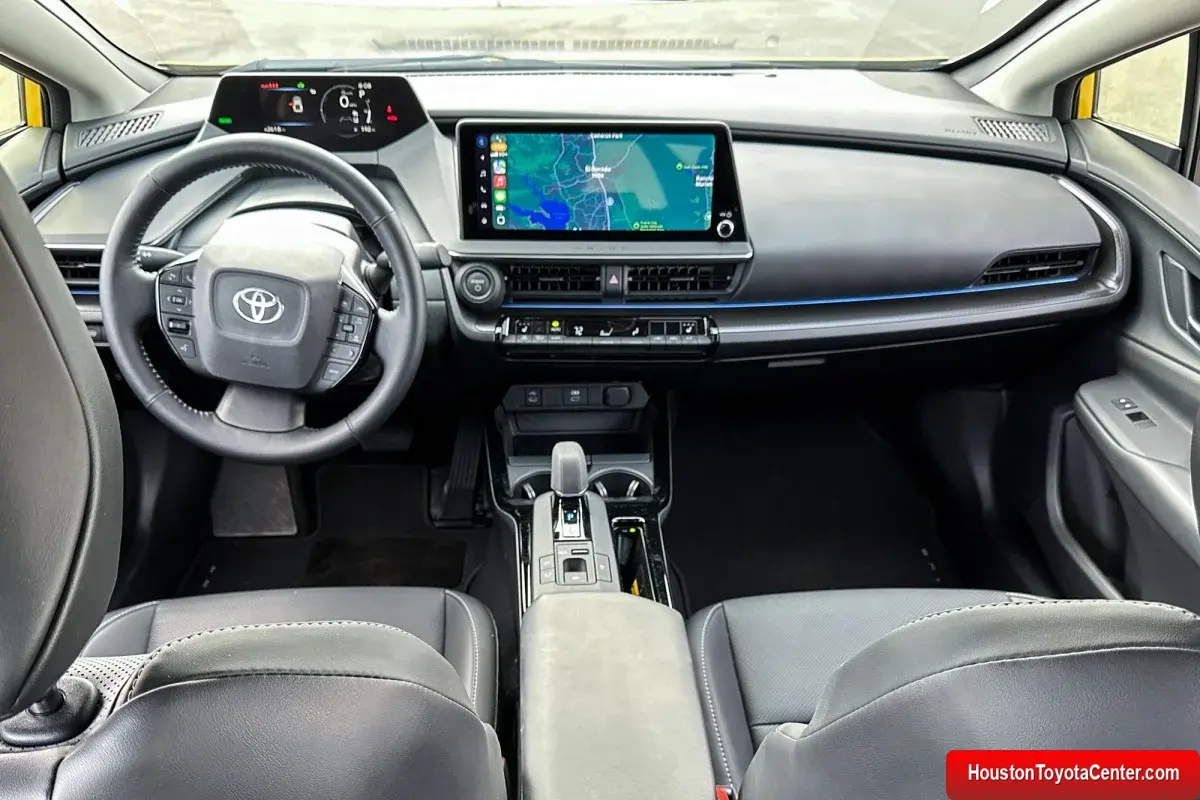
From premium seat covers and ambient lighting to smarter storage solutions and upgraded technology, Toyota Prius interior upgrades offer drivers a range of ways to personalize their vehicle while preserving its practical, fuel-efficient character.
A New Approach to Prius Interior Customization
The Toyota Prius has long been associated with hybrid efficiency, distinctive styling, and practical everyday transportation. As the model has evolved, its interior has also changed, offering drivers different combinations of technology, comfort, storage, and modern design. For owners who spend considerable time behind the wheel, upgrading the cabin can be an appealing way to improve the driving experience without replacing the vehicle.
Prius interior upgrades range from affordable accessories that protect existing surfaces to more ambitious modifications designed to create a premium atmosphere. Some owners prioritize comfort during long commutes, while others want a cleaner dashboard, better organization, more convenient charging options, or a more personalized appearance.
The key is choosing modifications that complement the vehicle rather than compromise its original functionality. A thoughtful upgrade should make the cabin more comfortable, practical, or attractive while preserving visibility, passenger protection, and access to essential controls.
FREE: Quickly identify and understand problems with your vehicle 🚘
CLICK HEREBecause the Prius has been produced across multiple generations, compatibility is particularly important. An accessory designed for one model year may not fit another, especially when dashboards, center consoles, seating arrangements, and multimedia systems differ. Before purchasing any component, owners should confirm that it is appropriate for their specific Prius model, trim, and production year.
Seat Covers and Upholstery: Refreshing the Cabin
Seats have a major influence on the appearance and comfort of a vehicle’s interior. Over time, daily use can leave upholstery looking worn, stained, or faded. Seat covers provide a relatively accessible way to refresh the cabin while helping protect the original material from spills, friction, and everyday wear.
Owners can choose from fabric, synthetic leather, leather-look materials, and other upholstery options. Each offers a different balance of appearance, maintenance, durability, and cost.
Fabric covers can provide a casual appearance and may feel comfortable in different weather conditions. Synthetic leather options can create a more premium look and are often easier to wipe clean. For drivers who regularly transport children, pets, or equipment, washable and durable materials may be more practical than decorative alternatives.
Fit is just as important as material selection. Universal seat covers can be convenient, but poorly fitted products may interfere with seat adjustments or create unwanted movement. Model-specific covers generally offer a more tailored appearance.
Airbag compatibility must remain a priority. Some vehicles incorporate side airbags into the front seats. Any seat cover used in these locations must be explicitly designed and approved for the relevant airbag configuration. Owners should never cover or obstruct airbag deployment areas with unsuitable upholstery products.
For those who prefer a more substantial transformation, professional upholstery work can change selected interior surfaces while maintaining a consistent design. However, the cost may be significantly higher than replacing removable covers, making it important to establish a realistic budget before starting.
Floor Mats and Interior Protection
Floor mats are among the most practical Prius interior upgrades because they help protect the cabin from dirt, moisture, mud, and everyday debris.
All-weather floor liners are particularly useful for drivers who frequently encounter rain, wet footwear, or outdoor activities. Their molded surfaces and raised edges can help contain water and dirt before they reach the original carpeting.
Carpet mats offer a different experience. They can create a softer, more traditional interior appearance and may complement the factory upholstery more closely. Some owners choose carpet mats for daily commuting and reserve all-weather liners for more demanding conditions.
The correct choice depends on climate, lifestyle, and personal preference. Drivers who regularly carry sports equipment, gardening supplies, or pets may benefit from a more protective setup.
Fitment is essential. Floor mats should match the vehicle’s footwell dimensions and remain securely positioned. A mat that shifts toward the pedals can interfere with acceleration or braking, creating a serious safety hazard. Owners should use properly fitted products with the appropriate retention system and ensure that nothing obstructs pedal movement.
Toyota lists both carpet mats and all-weather floor liners among its Prius accessory offerings, alongside cargo protection products. Availability varies by model and market, so checking the official accessory catalog is a sensible starting point. Official information is available at https://www.toyota.com/prius/accessories/interior/.
Ambient Lighting and Interior Styling
Ambient lighting has become a popular way to personalize modern vehicle interiors. Carefully positioned illumination can create a more contemporary atmosphere, particularly during evening drives.
For Prius owners, subtle lighting around selected console areas or footwells may provide a more customized appearance without requiring a complete interior redesign. Common options include soft white lighting, warm tones, and restrained color-changing systems.
The most successful installations tend to prioritize balance. Excessively bright lighting or distracting color transitions can become uncomfortable at night and may draw attention away from the road. A subdued setup is generally more suitable for a cabin designed around efficient, everyday driving.
Installation methods also matter. Some accessories connect through existing power outlets, while others require electrical wiring. Products that need wiring should be installed according to the vehicle manufacturer’s requirements, with professional assistance when necessary.
Owners should avoid placing lighting strips where they could obstruct pedals, interfere with controls, or create reflections on the windshield. Any modification should preserve the driver’s ability to see the road and monitor essential displays.
Beyond lighting, small decorative changes can make a noticeable difference. Carefully selected trim accents, console organizers, and protective surface coverings can create a more cohesive appearance without overwhelming the original design.
A consistent color palette often produces a more refined result than combining numerous contrasting finishes. Black, gray, charcoal, and restrained metallic accents can work well in a modern cabin, depending on the existing upholstery and dashboard materials.
Infotainment, Smartphone Integration, and Charging
Technology is another major area of interest for Prius owners considering interior improvements. Drivers increasingly expect convenient smartphone access, reliable charging, clear navigation, and easy control of music and communication.
Before purchasing new equipment, owners should investigate the capabilities of their existing multimedia system. Available features differ by model year and trim, and a factory system may already support several functions that an aftermarket accessory appears to offer.
A well-positioned smartphone mount can be a straightforward improvement for vehicles that need additional mounting flexibility. The mount should keep the phone secure without blocking the driver’s view, covering important dashboard information, or interfering with controls.
Charging accessories can also improve convenience. Depending on the vehicle’s existing equipment, owners might consider a compatible charging cable, a suitable USB adapter, or a properly designed wireless charging solution.
Compatibility deserves particular attention when upgrading infotainment equipment. New head units, adapters, and electronic accessories may interact with factory cameras, steering wheel controls, microphones, or other vehicle systems. Owners should confirm that an installation preserves the functions they rely on.
For many drivers, the best technology upgrade is not necessarily the most elaborate one. A stable phone mount, convenient charging access, and a tidy cable arrangement can deliver practical benefits without extensive modifications.
Toyota also lists multimedia screen protection and selected device-mounting accessories within its broader Prius accessory offerings. These options may provide a useful starting point for owners seeking relatively simple improvements.
Storage Solutions for a Cleaner Cabin
An organized interior can make a vehicle feel more spacious and easier to use. Even a well-designed cabin can become cluttered when drivers carry charging cables, reusable bottles, documents, sunglasses, cleaning supplies, or everyday personal items.
Storage accessories help give frequently used objects a designated place. Depending on the Prius generation, owners may consider console organizers, small storage trays, door-pocket dividers, seat-back organizers, or compact containers for the cargo area.
The goal is to improve access without filling the cabin with unnecessary accessories. An organizer that makes frequently used items easier to reach can be useful, while one that occupies valuable space or creates visual clutter may have the opposite effect.
Cargo organization is particularly important for drivers who use the Prius for shopping, commuting, travel, or outdoor activities. A suitable cargo mat can protect the rear compartment, while a cargo net or collapsible tote can help keep smaller items from moving around.
Toyota’s official accessory listings include cargo mats, cargo nets, and cargo totes for applicable Prius models. These products illustrate how practical accessories can improve organization while protecting interior surfaces.
Drivers should also consider the placement of stored objects. Heavy items should be secured, and loose objects should not be left where they could become hazardous during sudden braking. Storage accessories must never obstruct seat belts, emergency equipment, or essential vehicle controls.
Improving Comfort for Daily Driving
Comfort upgrades can be particularly valuable for people who use their Prius for long commutes or frequent road trips.
Seat cushions, lumbar supports, and carefully selected headrest accessories may help some drivers achieve a more comfortable seating position. However, the ideal setup depends on the individual, the vehicle’s existing seats, and the way the driver sits.
Before purchasing additional cushioning, owners should first adjust the factory seat and steering wheel settings, where available. Proper positioning can improve comfort while maintaining a clear view of the road and convenient access to the pedals.
Accessories should not force the driver into an unstable position or interfere with the seat belt’s intended fit. Any cushion or support should remain secure during normal driving.
Climate comfort is another consideration. A properly fitted windshield sunshade can help reduce solar heat entering a parked vehicle, particularly in warm climates. This simple accessory may make the cabin more comfortable when the driver returns to the car after it has been exposed to direct sunlight.
Owners who regularly drive in hot conditions should also pay attention to the materials used in their interior accessories. Some synthetic surfaces can become uncomfortable when heated, while lighter colors may show less heat-related discomfort in certain situations. Actual results depend on the material, sunlight exposure, and parking conditions.
Premium Upgrades: When Professional Installation Makes Sense
Some interior projects go beyond accessories that can be installed quickly at home. Reupholstering seats, replacing trim components, adding integrated lighting, or modifying audio equipment may require specialized tools and technical knowledge.
Professional installation can be worthwhile when a project involves electrical connections, airbag-adjacent components, complex trim removal, or integration with factory electronics.
An experienced installer can help determine whether the proposed modification is compatible with the vehicle and whether the finished result will maintain the original equipment’s functionality.
Audio upgrades, for example, may involve more than replacing speakers. The factory system’s electrical characteristics, speaker dimensions, mounting locations, and sound insulation can influence the outcome. A balanced upgrade should improve sound quality without introducing electrical problems or unnecessary rattles.
Similarly, decorative trim replacements should fit securely and avoid interfering with switches, ventilation outlets, or safety equipment.
Before commissioning major work, owners should request a clear description of the components, installation process, total cost, and warranty coverage. Keeping original components may also be useful if the vehicle is later sold or returned to its factory configuration.
Budget-Friendly Upgrades Versus Major Modifications
A successful interior refresh does not require a large investment. In many cases, several relatively inexpensive improvements can make the cabin feel cleaner and more functional.
Cleaning and conditioning suitable interior surfaces, replacing worn floor mats, organizing cables, and adding a properly fitted cargo accessory can produce noticeable benefits without extensive labor.
Mid-range projects might include better seat covers, additional storage, a smartphone mount, or selected trim accents. Larger investments may involve upholstery work, audio equipment, or integrated electronic modifications.
The most effective approach is to prioritize changes according to how the vehicle is used. A driver who spends several hours a day commuting may value seating comfort and charging convenience more than decorative lighting. Someone who frequently carries groceries, luggage, or outdoor equipment may benefit more from durable floor liners and cargo organization.
It is also worth considering maintenance. Some materials require more frequent cleaning than others, while complicated modifications may increase the cost of future repairs.
By starting with practical needs and setting a clear spending limit, owners can avoid buying accessories that look appealing online but deliver little value in everyday use.
Compatibility, Safety, and Long-Term Value
The Prius name covers multiple generations with different interior layouts, equipment levels, and electronic systems. For that reason, model-specific research should come before any purchase.
Owners should verify the model year, trim level, and relevant equipment before ordering accessories. Product descriptions should clearly identify compatible vehicles, and claims of universal fit should be treated cautiously when precise dimensions or electrical connections are involved.
Safety should guide every decision. Modifications must not block airbags, obstruct the driver’s view, interfere with pedals, compromise seat belts, or prevent access to essential controls. Electrical installations should be completed correctly, and any changes affecting vehicle systems should be reviewed by a qualified professional.
Quality also matters. Poorly fitting accessories may move, rattle, wear quickly, or damage original surfaces. Choosing durable products and installing them correctly can reduce these risks.
Owners who plan to sell their vehicle in the future may want to favor reversible modifications that preserve the original interior. A clean, well-maintained cabin with functional controls can be more appealing to prospective buyers than an extensively modified interior with questionable workmanship.
Final Thoughts: Building a Better Prius Interior
Prius interior upgrades offer an opportunity to make an already practical vehicle better suited to individual needs. Whether the priority is comfort, organization, technology, or appearance, a carefully selected combination of accessories can transform the daily driving experience.
The most successful projects begin with a clear purpose. Seat covers can refresh worn upholstery, floor liners can simplify cleaning, storage accessories can reduce clutter, and suitable technology additions can make everyday tasks more convenient. More ambitious changes can deliver a premium finish when compatibility and professional installation are properly considered.
There is no single upgrade package that works for every Prius owner. The right choices depend on the vehicle’s generation, the driver’s routine, the local climate, the available budget, and personal preferences.
By focusing on quality, fit, safety, and practical value, owners can create a more comfortable and personalized cabin without sacrificing the features that make the Prius useful in the first place.
The best Prius interior upgrade is one that makes every journey more enjoyable, every essential item easier to find, and every part of the cabin work better for the person behind the wheel.
Leave a Reply