
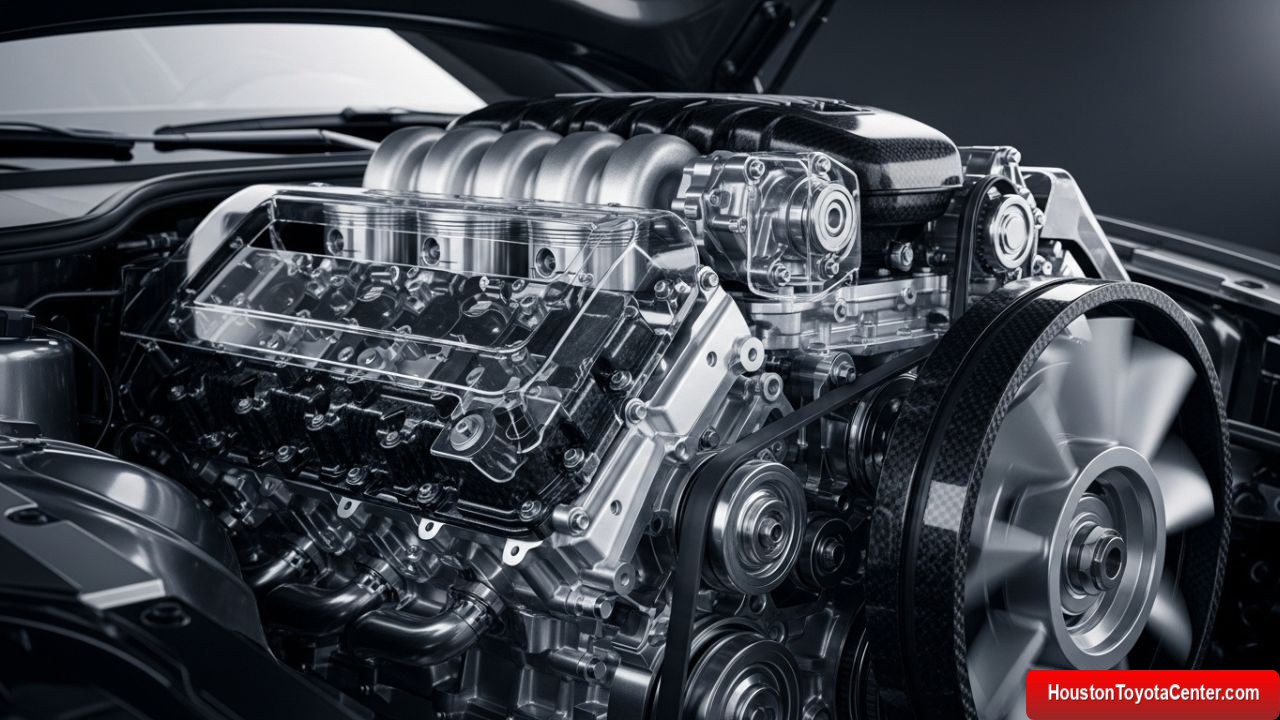
Buying a brand-new car is a special moment. The paint is flawless, the interior smells fresh, and the engine has never faced the stresses of real-world driving. Yet many drivers overlook one of the most important phases in a vehicle’s life: the engine break-in period. How you drive during the first few hundred to few thousand miles can influence engine performance, efficiency, oil consumption, and long-term durability.
Modern manufacturing has made engines more precise than ever, but “more precise” does not mean “no break-in required.” It means the break-in process is different, more subtle, and often misunderstood. This article explains what engine break-in really is, why it still matters, and how to do it properly—step by step, with practical advice grounded in engineering principles rather than myths.
What “Breaking In” an Engine Actually Means
Engine break-in refers to the controlled wearing-in of internal components so they mate together correctly under real operating conditions. Even with advanced CNC machining, laser honing, and tight quality control, no engine leaves the factory with perfectly matched surfaces.
Key components affected during break-in
- Piston rings and cylinder walls
- Camshaft lobes and lifters
- Crankshaft bearings
- Valve seats
- Timing components
- Turbocharger bearings (if equipped)
During early operation, these parts experience micro-level friction that helps them conform to each other. The goal is even wear, not excessive wear.
FREE: Quickly identify and understand problems with your vehicle 🚘
CLICK HEREWhy manufacturers don’t “fully break in” engines at the factory
Factories perform brief test runs to check for leaks, vibrations, and basic functionality. However:
- Full break-in would take too long and cost too much.
- Break-in depends on real driving conditions (load, RPM variation).
- Transport and storage would negate some factory break-in effects.
Therefore, the responsibility largely falls on the owner.
Why Proper Engine Break-In Still Matters in Modern Cars
A common myth is that modern engines don’t need break-in. While tolerances are tighter than decades ago, physics has not changed.
Benefits of a correct break-in
- Better piston ring sealing
- Lower oil consumption
- Improved compression
- More consistent power delivery
- Reduced long-term wear
- Longer engine life
Risks of improper break-in
- Glazed cylinder walls
- Poor ring seating
- Higher oil consumption
- Reduced performance
- Increased blow-by
- Premature component wear
Break-in doesn’t mean babying the car endlessly—but it also doesn’t mean abusing it.
The Most Important Principle: Load Variation
If there is one concept to remember, it is variation.
Why variation matters
Constant RPM and constant load prevent components from wearing evenly. Engines break in best when:
- RPM changes frequently
- Load varies between light and moderate
- Acceleration and deceleration cycles occur
This is why highway cruising at a fixed speed for hours during the first 500 miles is often discouraged.
Manufacturer Guidelines: Always Start Here
Before listening to forums or friends, consult your owner’s manual. Many manufacturers provide break-in recommendations, even if they are brief.
Typical instructions include:
- Avoid full throttle for the first X miles
- Avoid high RPM
- Avoid towing
- Avoid prolonged constant speed driving
Ignoring manufacturer guidance may affect warranty coverage in extreme cases.
General Engine Break-In Timeline (Gasoline Engines)
Below is a generalized break-in approach that works for most modern gasoline vehicles. Always adjust if your manufacturer specifies otherwise.
Break-In Phases Overview
| Mileage Range | Driving Focus | What to Avoid | What to Do |
|---|---|---|---|
| 0–100 miles | Gentle variation | Redline, hard launches | Smooth acceleration, RPM changes |
| 100–500 miles | Moderate load | Full throttle | Short bursts of acceleration |
| 500–1,000 miles | Progressive normal use | Sustained high RPM | Gradual performance increase |
| 1,000+ miles | Normal operation | None (unless specified) | Full engine capability |
The First 100 Miles: Setting the Foundation
The first 100 miles are critical because this is when initial surface mating occurs.
What to do
- Drive gently but not passively
- Use light to moderate throttle
- Vary engine speed frequently
- Shift gears at different RPMs
- Allow engine braking occasionally
What to avoid
- Redline or near-redline RPM
- Full-throttle acceleration
- Hard launches
- Long highway cruises at fixed speed
- Towing or heavy loads
Short trips are fine, but allow the engine to reach operating temperature.
The 100–500 Mile Phase: Controlled Stress
This phase helps piston rings seat properly against the cylinder walls.
Proper driving behavior
- Use up to 60–70% throttle occasionally
- Allow RPM to climb moderately, then back off
- Continue varying speed and load
- Mix city and back-road driving
Why moderate acceleration is important
Light acceleration alone may not generate enough pressure to seat piston rings properly. Controlled, moderate load helps rings expand and seal against cylinder walls without overheating or glazing them.
The 500–1,000 Mile Phase: Gradual Normalization
By now, most initial wear has occurred, but fine seating continues.
Recommended actions
- Gradually introduce higher RPM
- Use stronger acceleration briefly
- Avoid sustained high-speed driving
- Avoid track use or aggressive driving sessions
Think of this phase as transitioning from “careful” to “confident.”
After 1,000 Miles: Is the Engine Fully Broken In?
For most modern cars, yes, the engine is functionally broken in by 1,000 miles. However:
- Some performance engines benefit from up to 1,500–2,000 miles
- Oil consumption may continue to stabilize
- Fuel efficiency may still improve slightly
At this point, you can typically use the full RPM range and performance capabilities.
Break-In and Oil: What You Need to Know
Oil plays a critical role during break-in.
Factory-fill oil
Most manufacturers use a special factory-fill oil, sometimes with:
- Higher molybdenum content
- Specific friction modifiers
- Additives designed for controlled wear
This is why many manufacturers do not recommend early oil changes.
Should you change oil early?
| Scenario | Recommendation |
|---|---|
| Manufacturer says wait | Follow manual |
| No guidance given | 1,000–1,500 miles is reasonable |
| Performance engine | Often recommended early change |
| Turbocharged engine | Consider early change (with approval) |
Never switch to synthetic oil early unless the manufacturer explicitly allows it.
Synthetic vs Conventional Oil During Break-In
Common misconception
“Synthetic oil prevents break-in.”
This was partially true decades ago, but modern synthetics are engineered differently.
Modern reality
- Most new cars come with synthetic oil from the factory
- Ring seating depends more on load and pressure than oil type
- Manufacturer oil choice already accounts for break-in needs
Do not change oil type during break-in unless specified.
Turbocharged Engines: Special Considerations
Turbo engines add complexity due to higher temperatures and rotational speeds.
Turbo break-in tips
- Avoid boost spikes early on
- Let engine idle briefly after cold start
- Avoid immediate shutdown after hard driving
- Gradually introduce boost pressure
Turbo bearings rely on oil flow and heat management, making gentle early use especially important.
Diesel Engine Break-In
Diesel engines require a slightly different approach.
Key differences
- Higher compression ratios
- Stronger internal components
- More emphasis on load
Diesel break-in best practices
- Avoid prolonged idling
- Use moderate load early
- Avoid light-load-only driving
- Avoid excessive RPM early
Many diesel manufacturers emphasize working the engine, not babying it.
Hybrid Vehicles: What About Break-In?
Hybrids combine internal combustion engines with electric motors.
Hybrid-specific factors
- Engine may not run continuously
- Load cycles are different
- Electric assist reduces engine stress
Hybrid break-in advice
- Drive normally but avoid aggressive driving early
- Use varied driving modes
- Avoid long EV-only driving initially if selectable
Hybrid engines still benefit from proper ring seating.
Electric Vehicles (EVs): No Engine Break-In?
EVs do not have internal combustion engines, but they still have mechanical components.
EV components that “break in”
- Gear reduction systems
- Bearings
- Suspension
- Brakes
While EVs don’t require engine break-in, brake bedding and drivetrain adaptation still matter.
Common Engine Break-In Myths
Myth 1: “You must baby the engine for 1,000 miles”
False. Excessively gentle driving can prevent proper ring seating.
Myth 2: “Floor it early to seal rings”
Partially true, but dangerous if done incorrectly. Controlled load matters, not abuse.
Myth 3: “Modern engines don’t need break-in”
False. They need a different break-in.
Myth 4: “Change oil immediately after 50 miles”
Usually unnecessary and sometimes discouraged.
Signs of a Properly Broken-In Engine
Over time, you may notice:
- Smoother throttle response
- Stable idle
- Reduced oil consumption
- Improved fuel economy
- Consistent power delivery
These changes often happen gradually and subtly.
Signs of Improper Break-In
While not always obvious, warning signs include:
- Persistent oil consumption
- Roughness under load
- Lower-than-expected fuel economy
- Excessive blow-by (rare but possible)
These issues may not appear immediately, making early care important.
Performance Cars and Sports Engines
High-performance engines often have stricter break-in procedures.
Why performance engines are different
- Tighter tolerances
- Higher RPM limits
- Greater thermal stress
Manufacturers like BMW M, Porsche, and Chevrolet (Corvette) often specify:
- Strict RPM limits
- Mandatory break-in periods
- Early oil changes
Ignoring these guidelines can reduce engine longevity and void warranties.
Track Use and Break-In
Never take a brand-new engine to the track without completing break-in.
Risks of early track use
- Excessive heat
- Sustained high RPM
- Insufficient ring seating
- Oil aeration
Track driving should only occur after the engine is fully broken in and inspected.
Transmission and Differential Break-In
Engines aren’t the only components that need break-in.
Manual transmissions
- Clutch surfaces need bedding
- Avoid aggressive launches early
- Avoid clutch slipping
Automatic transmissions
- Shift adaptation occurs naturally
- Smooth driving helps software learning
Differentials (especially limited-slip)
- Avoid aggressive cornering early
- Some require fluid change after break-in
Long-Term Benefits of Doing It Right
A properly broken-in engine is more likely to:
- Reach higher mileage without major repairs
- Maintain factory performance levels
- Use less oil over its lifetime
- Deliver smoother operation
These benefits compound over years, not days.
Practical Break-In Checklist
During first 1,000 miles:
- ✅ Vary speed and RPM
- ✅ Use moderate acceleration
- ✅ Let engine reach operating temperature
- ✅ Follow manufacturer guidelines
- ❌ Avoid redline
- ❌ Avoid towing
- ❌ Avoid long constant-speed trips
Final Thoughts
Breaking in a new car engine is not about fear or superstition—it’s about understanding how mechanical systems settle into long-term operation. Modern engines are marvels of engineering, but they still rely on controlled wear to reach their full potential.
By driving thoughtfully during the first few hundred miles, you are not sacrificing enjoyment—you are investing in performance, reliability, and longevity. The reward is an engine that runs smoother, lasts longer, and delivers everything it was designed to offer.
A new car only gets one first impression. Make it count.
Leave a Reply