
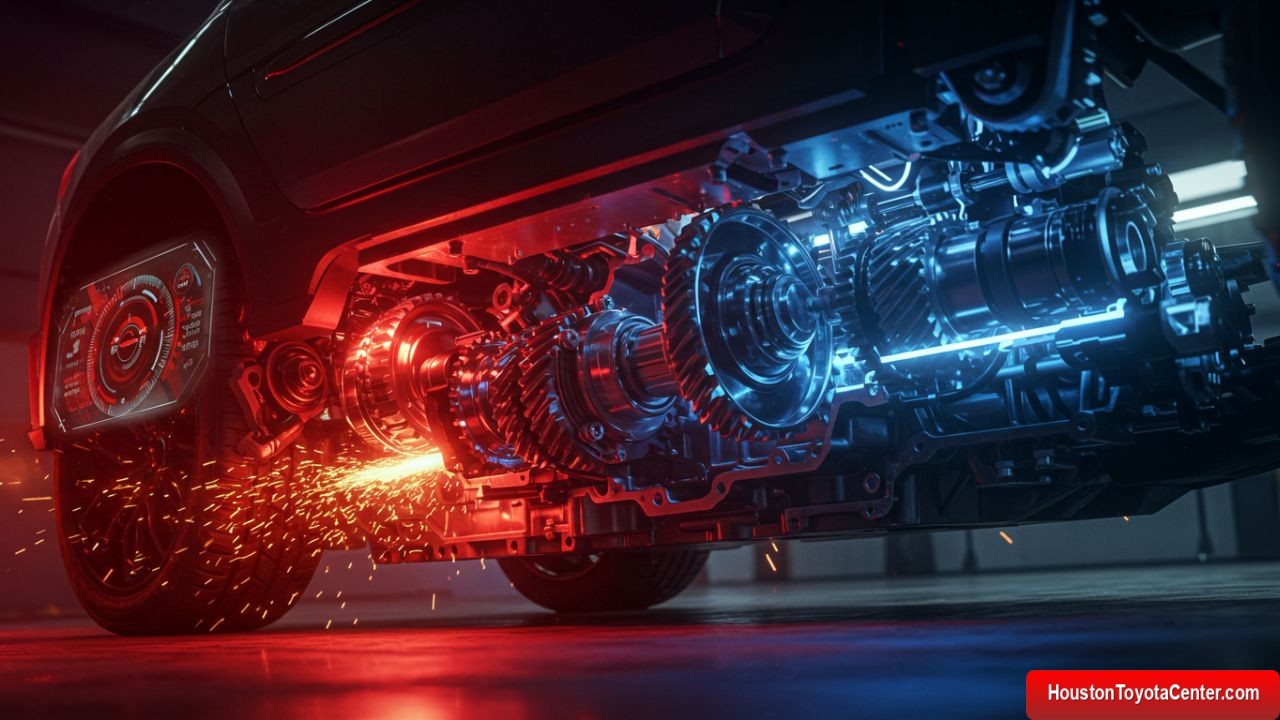
Your vehicle’s transmission is one of its most critical—and expensive—components. It manages the transfer of power from your engine to the wheels, making it vital for smooth driving. Unfortunately, it’s also one of the most overlooked parts of routine maintenance. If the transmission fails, you could be facing thousands of dollars in repair or replacement costs.
But here’s the good news: with proper care, your transmission can last well over 150,000 miles—sometimes even beyond 200,000! In this guide, we’ll walk you through real-world steps to extend the life of your transmission, save money, and keep your vehicle shifting smoothly for years.
Why Transmission Health Matters
When your transmission is in top shape, you’ll experience:
✅ Smooth gear changes
✅ Better fuel efficiency
✅ Longer engine life
✅ Lower repair costs
✅ More resale value
FREE: Quickly identify and understand problems with your vehicle 🚘
CLICK HEREOn the other hand, a failing transmission can lead to:
❌ Slipping gears
❌ Delayed shifting
❌ Strange noises
❌ Fluid leaks
❌ Complete breakdown
Let’s explore how to prevent all that.
🔧 1. Check and Change Transmission Fluid Regularly
Transmission fluid is the lifeblood of your transmission. It keeps components lubricated, cools the system, and prevents metal-to-metal friction.
Signs Your Fluid Needs Attention:
- Fluid is dark or smells burnt
- Delayed shifting
- Jerky or hard gear changes
- Leaking red fluid under the car
Recommended Intervals:
| Vehicle Type | Fluid Check | Fluid Change |
|---|---|---|
| Automatic (standard) | Every 15,000 miles | Every 30,000–60,000 miles |
| Manual | Every 15,000 miles | Every 30,000–60,000 miles |
| CVT (Continuously Variable) | Every 15,000 miles | Every 25,000–50,000 miles |
💡 Pro Tip: Always use the manufacturer-recommended transmission fluid. Using the wrong type can cause premature wear.
🛠️ 2. Avoid Aggressive Driving
Racing off the line at green lights or making rapid stops puts extra stress on your transmission.
Driving Habits That Hurt:
- Hard acceleration
- Sudden braking
- Revving in neutral or park
- “Riding” the clutch (manual cars)
Instead, adopt smooth acceleration and deceleration. It reduces wear and improves fuel economy.
🧊 3. Keep It Cool: Avoid Overheating
Transmission overheating is the #1 cause of failure.
What Causes Overheating?
- Towing heavy loads without proper cooling
- Driving in stop-and-go traffic in hot climates
- Low or dirty transmission fluid
🔥 Heat is the enemy: For every 20°F increase in transmission fluid temperature over 200°F, the life of the transmission fluid is cut in half.
Solutions:
- Install a transmission cooler if you tow frequently.
- Don’t ignore the temperature gauge.
- Avoid driving in extreme conditions for long periods.
🛑 4. Don’t Shift While Moving
Changing from “Drive” to “Reverse” (or vice versa) while the car is still moving is a common mistake that can severely damage the transmission.
🧠 Always come to a complete stop before changing gears!
This applies to:
- Shifting between reverse and drive
- Switching into park or neutral at high speeds
🚧 5. Use the Parking Brake
This is especially important for automatic transmissions. When you park on an incline without using the parking brake, the entire weight of your vehicle rests on a small component called the parking pawl inside the transmission.
What Can Go Wrong:
- Parking pawl can bend or break
- Leads to costly repairs
🅿️ Always engage the parking brake first, then shift into “Park.”
⚙️ 6. Service Your Transmission Professionally
While fluid changes are essential, your transmission may also need professional servicing every 30,000 to 60,000 miles, depending on your driving habits.
What a Transmission Service Includes:
- Full fluid exchange
- Cleaning the transmission pan
- Replacing the transmission filter (if applicable)
- Replacing the pan gasket
- Inspection for metal shavings or damage
🧰 Note: A flush is different from a drain & fill. A flush replaces nearly all the old fluid, while a drain only replaces about 30–40%.
⚖️ 7. Don’t Overload Your Vehicle
Whether it’s heavy cargo or towing, exceeding your vehicle’s weight capacity increases strain on your transmission.
How to Protect Your Transmission When Towing:
| Action | Why It Helps |
|---|---|
| Use Tow/Haul Mode | Adjusts shifting to reduce heat |
| Add a Cooler | Reduces fluid temperature |
| Obey Towing Limits | Prevents overloading the drivetrain |
| Inspect Transmission Often | Early detection of issues |
💻 8. Keep Up with Software Updates
Modern transmissions—especially CVTs and dual-clutch systems—rely heavily on software. ECU and TCU updates can improve shifting patterns and extend longevity.
🔧 Ask your dealership if your vehicle has any pending transmission software updates during routine maintenance.
🪛 9. Don’t Ignore Warning Signs
Catching problems early can mean the difference between a $200 repair and a $4,000 rebuild.
Red Flags:
- Strange noises (whining, clunking)
- Fluid leaks
- Dashboard transmission warning lights
- Burning smell
- Sluggish performance
👉 If you notice these, get a diagnostic scan immediately.
🧼 10. Keep the Cooling System Healthy
Your car’s radiator helps cool the transmission (especially in automatic systems). A failing cooling system can cause your transmission to overheat.
Cooling System Must-Dos:
- Flush coolant every 50,000 miles
- Inspect hoses for cracks
- Check radiator for leaks
- Clean debris from the radiator grille
🔄 11. Let Your Car Warm Up
In colder climates, starting and driving off immediately stresses cold transmission fluid.
Best Practice:
- Idle for 30–60 seconds before driving
- Drive gently for the first 5 minutes
- Avoid highway speeds immediately after a cold start
❄️ Cold fluid is thicker, and takes time to circulate properly.
🧯 12. Install an Auxiliary Transmission Cooler (If Needed)
If you:
- Live in a hot climate
- Frequently tow heavy loads
- Drive a high-performance car
Then a transmission cooler is a worthwhile investment.
Benefits:
- Reduces fluid temperature
- Prevents overheating
- Extends fluid life
- Protects seals and gaskets
📊 Cost of Transmission Neglect vs. Maintenance
| Action | Estimated Cost | Effect |
|---|---|---|
| Fluid change | $100–$300 | Prevents wear |
| Full transmission flush | $200–$500 | Increases lifespan |
| New transmission | $3,000–$7,000+ | Due to neglect |
A few hundred dollars every couple of years can save you thousands in the long run.
🚘 Manual vs. Automatic: What’s Different?
| Feature | Manual Transmission | Automatic Transmission |
|---|---|---|
| Driver Control | Full control | Automatic shifting |
| Maintenance Frequency | Often lower | More frequent fluid changes |
| Common Issues | Clutch wear | Solenoid failures, overheating |
| Lifespan (well maintained) | 150,000+ miles | 150,000–200,000 miles |
🛡️ Bonus: Use High-Quality Parts
If you’re replacing parts like clutches, gaskets, or solenoids, don’t cheap out. OEM (original equipment manufacturer) or high-quality aftermarket parts ensure better longevity and reliability.
Final Thoughts: Prevention Is Cheaper Than Repair
Your transmission doesn’t have to be a mystery—or a money pit. If you follow these practices:
✅ Regular maintenance
✅ Smooth driving habits
✅ Early problem detection
✅ Investing in the right upgrades
You’ll not only extend the lifespan of your transmission, but you’ll also enjoy a smoother, safer, and more cost-effective driving experience for years.
🚗 Need Expert Help? Visit Houston Toyota Center!
At Houston Toyota Center, we don’t just sell cars—we help you protect your investment. Whether you need a transmission service, fluid flush, or a diagnostic scan, our certified technicians have your back.
👉 Schedule a service appointment today and let us help your car go the distance.
Leave a Reply