
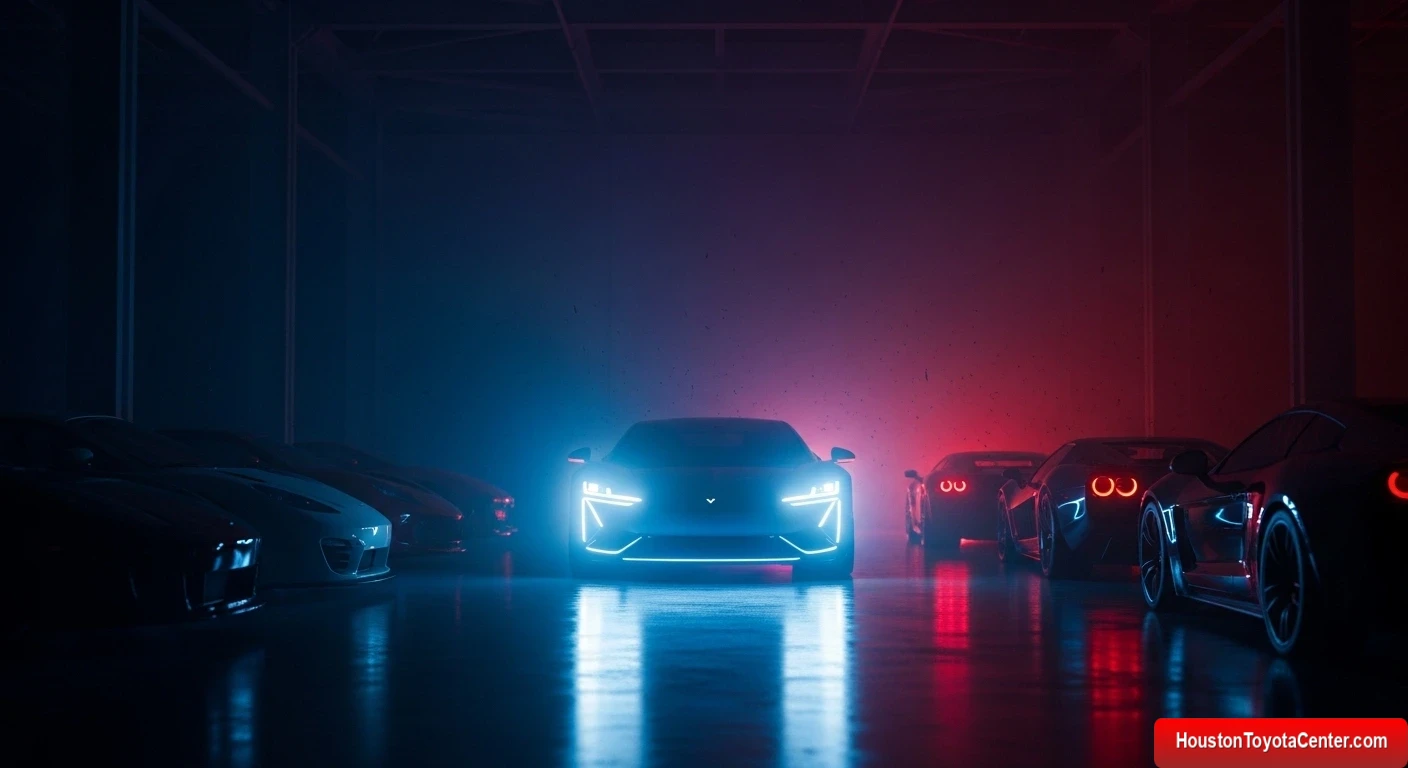
The world of classic cars has always been fueled by nostalgia, rarity, and emotional connection. For decades, enthusiasts have looked backward—toward the golden eras of automotive design—to determine what deserves preservation and admiration. However, a growing segment of collectors is now looking forward instead of backward, asking a compelling question: which of today’s vehicles will become tomorrow’s classics?
Predicting future collectible cars is both an art and a science. It requires an understanding of historical trends, cultural shifts, technological evolution, and human psychology. In this article, we will explore the factors that shape collectible value, analyze current automotive trends, and identify categories of vehicles that are most likely to become highly sought-after in the future.
What Makes a Car a Classic?
Before we can predict the future, we need to understand the past. Historically, cars become classics when they meet a combination of the following criteria:
- Rarity: Limited production numbers or survival rates
- Performance: Exceptional engineering or groundbreaking capabilities
- Design: Iconic styling that stands the test of time
- Cultural Impact: Association with events, media, or influential figures
- Innovation: Introduction of new technology or concepts
Cars like the Ferrari F40, Porsche 911 (air-cooled models), and Toyota Supra Mk4 exemplify these traits. However, the landscape is changing rapidly, and future classics may not fit the traditional mold.
FREE: Quickly identify and understand problems with your vehicle 🚘
CLICK HEREThe Shift in Automotive Culture
The automotive world is undergoing a transformation unlike any seen before. Electrification, autonomy, and sustainability are reshaping how cars are built and used. As a result, the definition of a “classic car” is evolving.
Electrification and Its Impact
Electric vehicles (EVs) are no longer niche products. With governments pushing for emissions reductions and manufacturers investing heavily in EV technology, the internal combustion engine (ICE) is gradually being phased out.
This transition creates a unique opportunity: the last generation of ICE vehicles may become highly collectible. Just as the end of the analog era elevated mechanical watches, the decline of gasoline engines could increase demand for vehicles that represent the pinnacle of combustion technology.
Digital Integration and Driving Experience
Modern cars are increasingly defined by software rather than hardware. Features like over-the-air updates, driver assistance systems, and digital dashboards are becoming standard.
Ironically, this trend may make simpler cars more desirable in the future. Vehicles that offer a raw, analog driving experience—manual transmissions, minimal electronic intervention, and tactile feedback—could stand out as relics of a bygone era.
Categories of Future Classic Cars
Rather than focusing on individual models, it is more useful to examine categories of vehicles that are likely to gain collectible status.
1. The Last of Their Kind
Cars that mark the end of an era are almost always collectible. This includes:
- Final models with manual transmissions
- Last naturally aspirated engines in a lineup
- Final ICE versions before electrification
These vehicles represent a closing chapter in automotive history, making them emotionally significant to enthusiasts.
2. High-Performance Halo Cars
Halo cars showcase a manufacturer’s engineering prowess. Limited production, extreme performance, and high price tags make them prime candidates for future collectibility.
Examples include hypercars and special-edition supercars that push the boundaries of speed and technology.
3. Affordable Enthusiast Cars
Not all future classics are expensive. Historically, cars like the Mazda MX-5 Miata and Honda Civic Type R gained popularity because they were accessible and fun to drive.
Today’s equivalents—lightweight, driver-focused cars—could follow a similar trajectory, especially as such vehicles become rarer.
4. Early Electric Vehicles
While EVs dominate the future, early examples may become collectibles due to their historical significance.
First-generation EVs from major manufacturers could be viewed as pioneers, much like early automobiles from the 20th century.
5. Design Icons of the 21st Century
Some cars stand out purely because of their design. Bold styling, unique proportions, or controversial aesthetics can make a vehicle memorable—and eventually collectible.
Key Factors Influencing Future Value
Predicting which cars will appreciate requires analyzing several variables. The table below summarizes the most important factors:
| Factor | Description | Impact on Collectibility |
|---|---|---|
| Production Volume | Number of units produced | Lower volume increases rarity |
| Cultural Relevance | Presence in media or pop culture | Higher relevance boosts demand |
| Driving Experience | Engagement and enjoyment | Analog feel often valued |
| Technological Significance | Innovation or first-of-its-kind features | Adds historical importance |
| Condition & Originality | Preservation and authenticity | Critical for long-term value |
| Brand Heritage | Manufacturer’s reputation | Strong brands retain value better |
The Role of Generational Shifts
Each generation tends to collect the cars they grew up with. Millennials and Gen Z enthusiasts are entering the collector market, bringing new preferences and perspectives.
These younger collectors may prioritize different attributes than previous generations:
- Sustainability and environmental impact
- Technology and connectivity
- Unique ownership experiences
As a result, cars that resonate with these values could see increased demand in the future.
Risks and Uncertainties
Predicting future classics is inherently uncertain. Several risks can affect collectibility:
Technological Obsolescence
Advanced electronics may become difficult to maintain as technology evolves. This could reduce the appeal of certain modern vehicles.
Regulatory Changes
Laws restricting emissions or vehicle usage could impact the desirability of certain cars, particularly those with large engines.
Market Saturation
Not every “limited edition” car becomes valuable. Manufacturers sometimes produce special editions in large numbers, diluting their rarity.
Strategies for Identifying Future Classics
For collectors and enthusiasts, the goal is not just to predict trends but to make informed decisions. Here are some strategies:
- Focus on Passion: Buy cars you genuinely enjoy
- Research Thoroughly: Understand production numbers and historical context
- Preserve Condition: Maintain originality whenever possible
- Monitor Trends: Stay informed about market shifts
- Think Long-Term: Collecting is a marathon, not a sprint
The Emotional Component
While data and analysis are important, emotion plays a crucial role in collectibility. Cars are more than machines—they are symbols of freedom, identity, and aspiration.
A vehicle that creates a strong emotional connection is more likely to be cherished, preserved, and ultimately valued by future generations.
Looking Ahead
The automotive industry is at a crossroads. As we move toward an electric and autonomous future, the cars of today are becoming artifacts of a transitional era.
This moment in history presents a unique opportunity for collectors. By understanding the forces shaping the industry and recognizing the qualities that define a classic, it is possible to identify the vehicles that will be celebrated in the decades to come.
Conclusion
Predicting future classic cars is a fascinating challenge that blends history, technology, and human emotion. While no prediction is guaranteed, certain patterns and trends provide valuable clues.
The cars most likely to become tomorrow’s collectibles are those that capture a moment in time—whether it is the end of the internal combustion era, the rise of electrification, or the persistence of analog driving experiences.
Ultimately, the best future classic is one that tells a story. And as the automotive world continues to evolve, the stories we choose to preserve will define the classics of tomorrow.
Extended Analysis: Emerging Trends Worth Watching
To further deepen our understanding, it is important to explore emerging micro-trends that could significantly influence future collectibility.
The Rise of Synthetic Fuels
Synthetic fuels (e-fuels) may extend the life of internal combustion engines by offering a carbon-neutral alternative to traditional gasoline. If widely adopted, they could preserve the usability of ICE vehicles and enhance their long-term appeal.
Software-Locked Features and Ownership
Modern cars increasingly rely on software subscriptions for features. This shift raises questions about long-term ownership and value. Vehicles with fully unlocked features or minimal reliance on subscriptions may be more desirable.
Restomod Culture
Restomods—classic cars modernized with contemporary technology—are gaining popularity. This trend could influence how future classics are preserved and modified.
Globalization of the Collector Market
The internet has made the collector car market more global than ever. Demand is no longer limited to specific regions, increasing competition for desirable vehicles.
Final Thoughts
The concept of a “classic car” is not static—it evolves with society. As technology advances and cultural values shift, so too will the criteria for collectibility.
For enthusiasts willing to look beyond nostalgia and embrace change, the future offers exciting opportunities. The cars we drive today may one day be displayed in museums, admired not just for their performance, but for what they represent in the story of human innovation.
And perhaps the most exciting part is this: the next great classic might already be sitting in a garage, waiting to be recognized.
Leave a Reply