
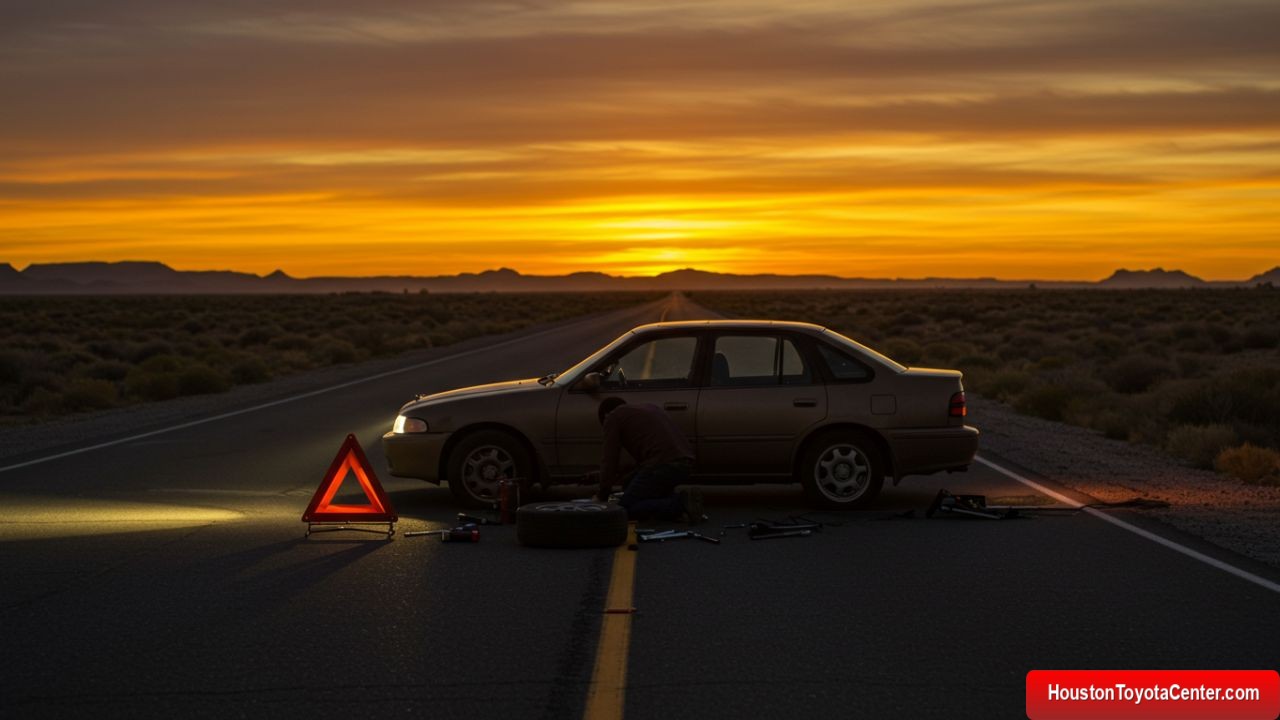
A flat tire can turn a smooth ride into a roadside crisis. Whether you’re headed to an important meeting, cruising on a road trip, or just driving to the store, a tire blowout or puncture can happen when you least expect it. Knowing how to change a flat tire isn’t just a helpful skill—it can be a lifesaving one. In this comprehensive guide, you’ll learn everything you need to master this essential driver survival skill, from tools to step-by-step instructions, plus what to do in special circumstances like bad weather or on the highway.
🛠️ Why Changing a Flat Tire is a Must-Know Skill
Modern cars come with tire pressure monitoring systems, run-flat tires, and roadside assistance. So why bother learning this old-school task?
- Roadside assistance might not always be available—especially in remote areas or during emergencies.
- Run-flat tires have limits. Once you exceed the speed or distance, you’re still stuck.
- Being prepared builds confidence. Knowing what to do keeps you calm and collected.
Imagine getting a flat tire in the middle of nowhere, with no cell service. Your knowledge and preparation can turn a disaster into just a detour.
🧰 The Essential Flat Tire Kit Checklist
Before trouble strikes, ensure your vehicle is equipped with the right tools. Here’s a breakdown of must-have items:
FREE: Quickly identify and understand problems with your vehicle 🚘
CLICK HERE| Tool | Purpose |
|---|---|
| Spare Tire | Temporary replacement to get you to safety |
| Jack | Raises your vehicle to remove the tire |
| Lug Wrench | Loosens and tightens the lug nuts |
| Wheel Wedges | Prevents your car from rolling |
| Flashlight (w/ Batteries) | Helps at night or in dark areas |
| Gloves | Keeps your hands clean and protected |
| Reflective Triangle | Warns other drivers and enhances your visibility |
| Tire Pressure Gauge | Ensures proper inflation of spare tire |
| Owner’s Manual | Reference for specific instructions related to your car |
🔧 Pro Tip: Keep a headlamp in your kit—it frees your hands and gives you focused light.
🚗 Step-by-Step: How to Change a Flat Tire Safely
Let’s walk through the full process, so you’ll know exactly what to do when it counts.
1. Pull Over to a Safe Spot
- Find level ground away from traffic.
- Turn on your hazard lights.
- Set the parking brake.
- Place wheel wedges around the opposite tire to keep the car from rolling.
2. Retrieve Tools and Spare Tire
- Locate your spare and tools (usually in the trunk or under the cargo area).
- Lay everything out near the flat tire.
3. Loosen the Lug Nuts (But Don’t Remove Yet)
- Use the lug wrench to loosen each nut about a half turn counterclockwise.
- You may need to use your body weight to get started.
- Don’t remove them yet—you’ll do that once the vehicle is lifted.
4. Raise the Car with the Jack
- Place the jack under the vehicle’s jacking point (consult the manual).
- Slowly raise the car until the flat tire is about 6 inches off the ground.
- Make sure the car is stable before proceeding.
5. Remove the Lug Nuts and Tire
- Unscrew and remove the lug nuts completely.
- Gently pull the flat tire straight off the bolts.
- Place the flat tire flat on the ground to prevent it from rolling.
6. Mount the Spare Tire
- Align the holes of the spare with the bolts.
- Push it firmly into place.
- Screw the lug nuts back on by hand—tighten them as much as you can evenly.
7. Lower the Car and Tighten the Lug Nuts
- Carefully lower the vehicle with the jack until the spare touches the ground.
- Fully tighten the lug nuts in a star pattern to ensure even pressure.
8. Check Tire Pressure
- Use your gauge to check the pressure of the spare.
- If it’s low, drive slowly to the nearest service station.
🧠 Extra Tips and Scenarios You Should Know
🔄 How Long Can You Drive on a Spare?
Most “donut” spares are limited-use tires.
| Spare Type | Max Speed | Max Distance |
|---|---|---|
| Temporary Donut | 50 mph | 50–70 miles |
| Full-Size Spare | Same as regular tires |
🛑 Note: Avoid highways and long drives with a donut spare. These tires are not made for extended use.
🌧️ Changing a Tire in Bad Weather
- Use a raincoat or tarp to kneel on.
- Make sure you’re visible—use reflectors and flashers.
- If visibility is poor, consider calling roadside help for safety.
🌃 Nighttime Emergencies
- Always use your flashlight or headlamp.
- Set up reflective triangles far behind your car to warn other drivers.
- Keep your hazard lights on throughout the process.
🛣️ What to Do on the Highway
- Exit the highway if possible before attempting to change the tire.
- If you must stop, pull as far off the shoulder as possible.
- Stay on the opposite side of traffic when working on the tire.
🧼 After the Flat: What Comes Next
Changing the tire is only the first part. Here’s what to do once you’re rolling again:
- Go straight to a tire shop to repair or replace the damaged tire.
- Have your spare tire rechecked—especially if it’s been used.
- Restock your emergency kit if you used any tools or supplies.
- Inspect all tires for wear—your flat might be a warning.
⚠️ Common Mistakes to Avoid
- ❌ Trying to change a tire on an incline.
- ❌ Not tightening lug nuts in a star pattern.
- ❌ Forgetting to check the spare’s pressure.
- ❌ Using a spare beyond its intended use range.
- ❌ Leaving tools unsecured after changing.
🧑🔧 When to Call for Help Instead
You should avoid changing a tire yourself if:
- You’re on a narrow shoulder with heavy traffic.
- The tire is on the traffic-facing side of the car.
- You’re physically unable to lift or move parts.
- The weather or visibility poses a danger.
Roadside assistance exists for a reason. Safety first.
🚙 Final Thoughts: Mastering Tire Changes Empowers You
Changing a flat tire isn’t just a mechanical task—it’s a symbol of self-reliance. It turns you from a helpless passenger into a capable problem-solver. Once you’ve done it once, the fear and uncertainty vanish. You become the kind of driver who’s ready for anything.
So don’t wait for a crisis to hit. Practice on a quiet afternoon in your driveway. Review your vehicle’s manual. Make sure your kit is ready to go.
Because when rubber meets road—and trouble—you’ll be glad you knew what to do. 🛞💪
🎯 Bonus Checklist: Practice Session for New Drivers
| Task | Done? |
|---|---|
| Locate spare tire | ⬜ |
| Locate and identify tools | ⬜ |
| Identify jacking points | ⬜ |
| Practice loosening lug nuts | ⬜ |
| Simulate changing tire safely | ⬜ |
Leave a Reply