
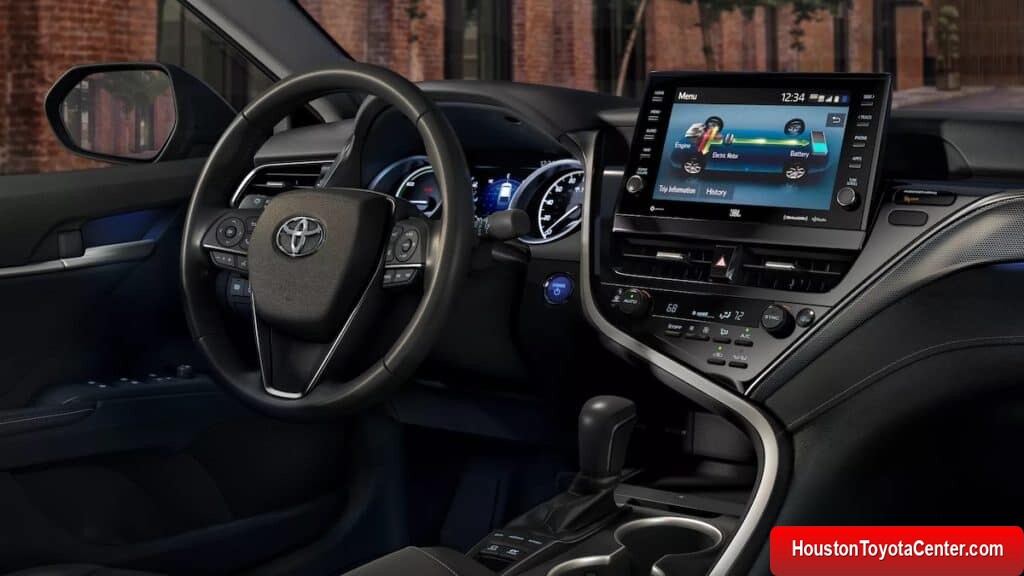
The Toyota Camry has earned its reputation as one of the world’s most trusted midsize sedans by consistently improving comfort, practicality, and technology. While its exterior has evolved with changing design trends, the interior has often been the true highlight of each generation. From simple, driver focused cabins to premium digital environments, the Camry’s interior reflects decades of automotive innovation.
The Early Years: Built for Function
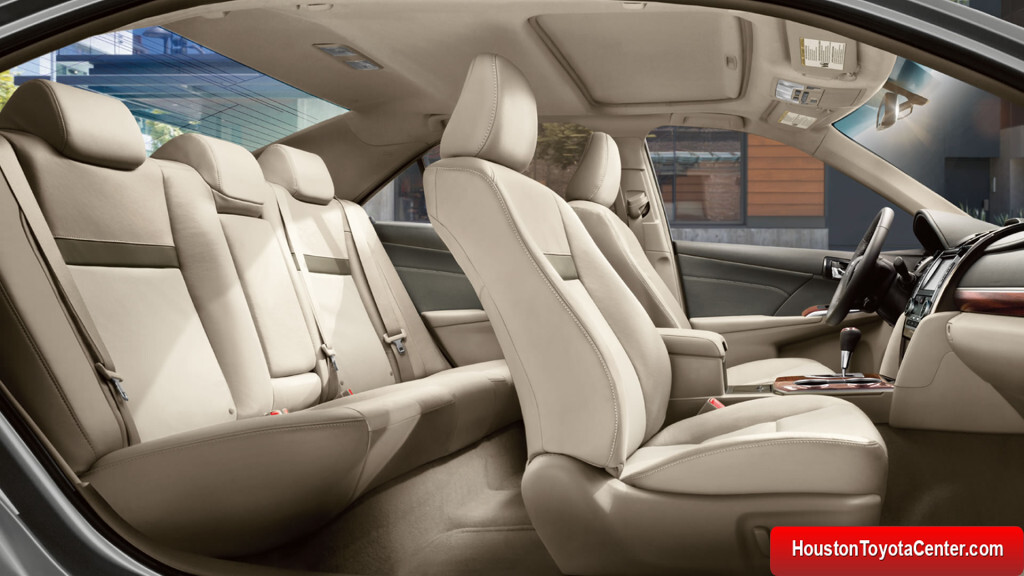
The first generations of the Camry prioritized reliability and ease of use. Interiors featured straightforward dashboards, analog gauges, and durable materials designed to withstand years of daily driving. Controls were logically arranged, making the cabin intuitive even for first time drivers.
Comfort improvements gradually appeared through better seat cushioning, improved visibility, and increased cabin space. These updates helped establish the Camry as a practical choice for families and commuters.
Growing Comfort in the 1990s
As consumer expectations increased, Toyota responded by enhancing interior quality throughout the 1990s. Softer materials, improved ergonomics, and quieter cabins became defining characteristics.
FREE: Quickly identify and understand problems with your vehicle 🚘
CLICK HEREPower adjustable seats, premium audio systems, and automatic climate control started appearing on higher trim levels. Wood style accents and upgraded upholstery gave the cabin a more refined appearance without sacrificing durability.
Safety also became more integrated into the interior, with additional airbags and improved instrument visibility supporting a more confident driving experience.
Technology Takes Center Stage
During the 2000s, digital convenience became a major focus. Touchscreen infotainment systems gradually replaced basic audio controls, while multifunction steering wheels allowed drivers to manage entertainment and communication without taking their hands off the wheel.
Bluetooth connectivity, navigation systems, USB ports, and improved climate controls transformed the cabin into a more connected environment. Storage compartments also became smarter, accommodating the growing number of portable electronic devices.
The overall layout remained clean and user friendly, preserving one of the Camry’s strongest design principles.
Premium Features Become More Accessible
By the 2010s, many features once reserved for luxury vehicles became available in mainstream Camry models. Leather seating, heated front seats, wireless smartphone integration, larger infotainment displays, and advanced driver information screens elevated the ownership experience.
Toyota also invested heavily in cabin insulation, reducing road and wind noise for a quieter ride. Higher quality materials and more sculpted dashboard designs created a sophisticated atmosphere while maintaining everyday practicality.
Driver assistance technologies became increasingly integrated into the interior interface, providing visual alerts and easier access to safety settings.
The Digital Cabin Era
Modern Camry interiors combine comfort with advanced digital technology. Large touchscreen displays, fully digital instrument clusters on selected trims, wireless charging, multiple USB ports, and seamless smartphone connectivity define the latest models.
Voice controls and intuitive software improve convenience, while carefully designed seating enhances long distance comfort. Ambient lighting, premium audio options, and customizable display settings further personalize the driving experience.
The emphasis is no longer limited to transportation. Today’s Camry interior is designed to function as a connected living space that supports work, entertainment, and daily commuting.
Design Philosophy That Endures
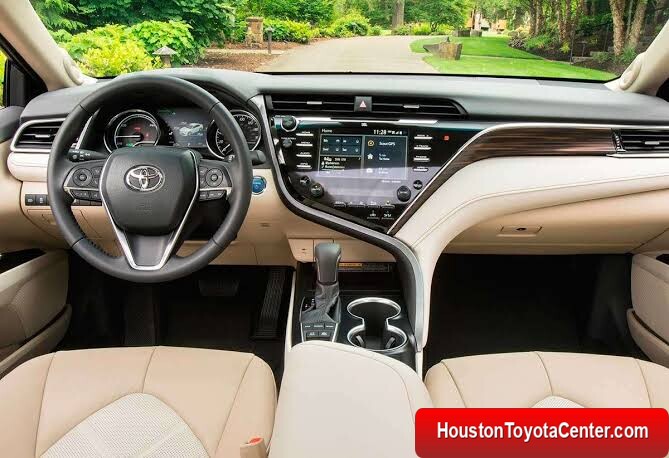
Despite continuous technological upgrades, Toyota has remained committed to a consistent philosophy. Every generation emphasizes intuitive controls, excellent visibility, and dependable build quality.
Rather than pursuing dramatic changes for their own sake, the Camry’s interior has evolved through thoughtful refinement. This steady approach has helped the sedan remain relevant across multiple decades while appealing to a broad range of drivers.
Looking Ahead
Future Camry interiors are expected to place even greater emphasis on connectivity, personalization, and sustainable materials. As software becomes increasingly important in modern vehicles, the cabin will likely continue evolving into an intelligent environment that adapts to driver preferences.
The journey from simple analog dashboards to sophisticated digital cockpits illustrates how the Camry has consistently embraced innovation while preserving the practicality and comfort that have defined the model since its introduction.
Leave a Reply