
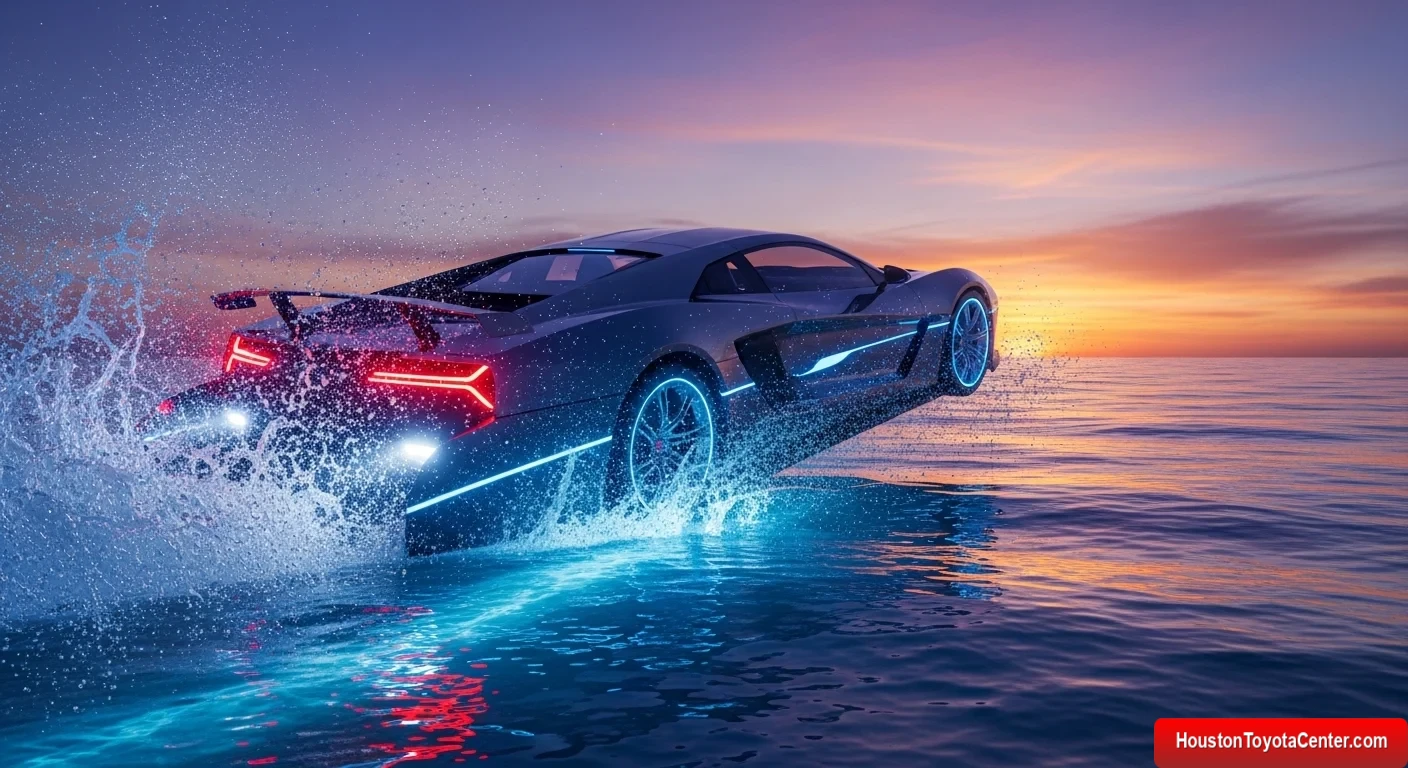
The idea of a vehicle that can seamlessly transition from land to water has long captured human imagination. From early experimental contraptions to modern high-performance machines, amphibious vehicles represent a fascinating intersection of engineering innovation, transportation efficiency, and adventurous spirit. These vehicles are not merely novelties; they embody a practical solution to geographic challenges, emergency response needs, and even recreational desires. In this in-depth exploration, we will examine the history, engineering principles, types, real-world applications, challenges, and future of amphibious vehicles.
The Origins of Amphibious Vehicles
The concept of amphibious transportation dates back centuries, though practical implementations only began to emerge in the 20th century. Early inventors were inspired by the need to traverse rivers, lakes, and coastal areas without switching vehicles. The first recognizable amphibious vehicles appeared during World War II, when militaries required machines capable of landing troops on beaches and navigating difficult terrain.
These early vehicles were crude by modern standards but groundbreaking for their time. They demonstrated that combining land mobility with buoyancy and propulsion in water was achievable, albeit complex. Military necessity drove rapid innovation, and the lessons learned during wartime laid the foundation for civilian applications.
Engineering Principles Behind Amphibious Vehicles
Creating a vehicle that can operate effectively on both land and water is far more complicated than it might initially seem. Engineers must address two fundamentally different environments, each with its own physical demands.
FREE: Quickly identify and understand problems with your vehicle 🚘
CLICK HEREBuoyancy and Hull Design
At the core of any amphibious vehicle is its ability to float. This requires careful calculation of buoyancy, ensuring that the vehicle displaces enough water to support its weight. The hull design plays a critical role here. Unlike standard cars, amphibious vehicles often feature sealed bodies that resemble small boats.
Materials must be lightweight yet strong, often incorporating aluminum, fiberglass, or advanced composites. The hull must also resist corrosion, particularly in saltwater environments.
Propulsion Systems
On land, amphibious vehicles typically rely on conventional engines connected to wheels. In water, however, propulsion is achieved through propellers or water jets. Some vehicles use a single engine to power both systems, while others employ separate mechanisms for land and water movement.
Switching between these modes must be smooth and reliable. In many designs, the driver can transition from road to water operation with the push of a button.
Steering Mechanisms
Steering on land is straightforward, using wheels and traditional steering systems. In water, however, steering may involve rudders, differential thrust, or even vectored water jets. Engineers must ensure that the vehicle remains stable and responsive in both environments.
Waterproofing and Sealing
One of the most critical challenges is keeping water out of sensitive components. Doors, windows, and mechanical systems must be sealed tightly. Even minor leaks can compromise safety and functionality.
Advanced sealing techniques and redundant safety systems are often employed to ensure reliability.
Types of Amphibious Vehicles
Amphibious vehicles come in a wide range of designs, each tailored to specific uses.
Military Amphibious Vehicles
Military applications remain one of the most important uses for amphibious technology. These vehicles are designed to transport troops, equipment, and supplies across both land and water.
They are typically rugged, heavily armored, and capable of operating in extreme conditions. Their ability to transition from ship to shore without stopping is crucial in amphibious assaults and rescue missions.
Civilian Amphibious Cars
Civilian amphibious vehicles are often designed for recreational use or novelty appeal. These include cars that can drive on roads and then enter lakes or rivers for leisure activities.
Some models resemble sports cars, while others look more like boats with wheels. They are popular in tourist destinations and among enthusiasts who enjoy unique driving experiences.
Commercial Amphibious Vehicles
In commercial settings, amphibious vehicles are used for transportation in areas with challenging geography. For example, regions with many rivers, wetlands, or seasonal flooding can benefit from vehicles that do not require bridges or ferries.
Tour operators also use amphibious buses to provide sightseeing experiences that combine city tours with water excursions.
Rescue and Emergency Vehicles
Amphibious vehicles are invaluable in disaster response. Floods, hurricanes, and other emergencies often create conditions where traditional vehicles cannot operate.
Rescue teams use amphibious vehicles to reach stranded individuals, deliver supplies, and navigate debris-filled waters. Their versatility can save lives in critical situations.
Advantages of Amphibious Vehicles
Amphibious vehicles offer several unique benefits that make them appealing across different sectors.
Versatility
The most obvious advantage is their ability to operate in multiple environments. This eliminates the need for separate vehicles or transfer points, saving time and resources.
Accessibility
In regions with limited infrastructure, amphibious vehicles can provide access where roads or bridges are unavailable. This is particularly valuable in remote or developing areas.
Efficiency in Emergencies
During disasters, amphibious vehicles can navigate flooded streets and waterways without interruption. Their ability to adapt quickly to changing conditions makes them indispensable for emergency response.
Recreational Appeal
For enthusiasts, amphibious vehicles offer a thrilling experience. The ability to drive into a body of water and continue moving is both novel and exciting.
Challenges and Limitations
Despite their advantages, amphibious vehicles face significant challenges.
Complexity and Cost
Designing a vehicle that performs well on both land and water requires sophisticated engineering. This complexity often results in higher production costs, making these vehicles less accessible to the average consumer.
Performance Trade-offs
Amphibious vehicles must balance competing demands. A design optimized for water may perform poorly on land, and vice versa. Achieving high performance in both environments is difficult.
Maintenance Requirements
Exposure to water, especially saltwater, increases the risk of corrosion and wear. Regular maintenance is essential to keep amphibious vehicles in good condition.
Regulatory Issues
Operating a vehicle on both land and water may require compliance with multiple sets of regulations. Drivers may need special licenses, and vehicles must meet safety standards for both environments.
Notable Innovations and Technologies
Modern amphibious vehicles incorporate cutting-edge technologies to overcome traditional limitations.
Lightweight Materials
Advances in materials science have enabled the use of lightweight composites that improve buoyancy and fuel efficiency without sacrificing strength.
Hybrid Propulsion Systems
Some newer designs use hybrid or electric propulsion systems, reducing environmental impact and improving efficiency.
Advanced Navigation Systems
GPS, sonar, and other navigation tools help drivers operate safely in unfamiliar or challenging environments.
Automation and Smart Controls
Automation is beginning to play a role in amphibious vehicles, with features that assist in transitioning between land and water modes and maintaining stability.
Real-World Applications
Amphibious vehicles are used in a variety of real-world scenarios, demonstrating their versatility and practicality.
Tourism
Amphibious buses and tour vehicles are popular in cities with waterways. They offer a unique way to explore urban landscapes and natural features.
Agriculture and Rural Transport
In flood-prone regions, farmers and rural communities use amphibious vehicles to transport goods and access markets.
Scientific Research
Researchers studying aquatic ecosystems often rely on amphibious vehicles to reach remote areas and collect data.
Infrastructure Development
In areas where building bridges is impractical or expensive, amphibious vehicles provide an alternative means of transportation.
Comparison of Amphibious Vehicle Types
| Type | Primary Use | Strengths | Limitations |
|---|---|---|---|
| Military | Combat & logistics | Durability, versatility | High cost, heavy |
| Civilian | Recreation | Unique experience, flexible use | Limited performance, expensive |
| Commercial | Transport & tourism | Efficient in mixed environments | Regulatory complexity |
| Rescue | Emergency response | Life-saving capability, adaptability | Specialized training required |
Environmental Considerations
As with any vehicle, amphibious designs have environmental impacts that must be addressed.
Fuel Consumption
Traditional amphibious vehicles often rely on internal combustion engines, which contribute to emissions. However, newer models are exploring cleaner alternatives.
Water Pollution
Leaks or spills can contaminate water bodies. Strict maintenance and design standards are necessary to minimize risks.
Wildlife Disturbance
Operating in natural habitats can disrupt wildlife. Responsible use and regulation are important to protect ecosystems.
The Future of Amphibious Vehicles
The future of amphibious vehicles is promising, driven by technological advancements and evolving transportation needs.
Electric Amphibious Vehicles
Electric propulsion is becoming more viable, offering quieter operation and reduced emissions. This is particularly beneficial for environmentally sensitive areas.
Autonomous Capabilities
Self-driving technology could enhance safety and efficiency, especially in complex environments where human error is a concern.
Urban Mobility Solutions
As cities face increasing challenges from flooding and congestion, amphibious vehicles may become part of integrated transportation systems.
Space and Exploration Concepts
Interestingly, the principles of amphibious vehicles are being considered for exploration beyond Earth, such as navigating liquid environments on other planets or moons.
Design Considerations for Manufacturers
Manufacturers must balance numerous factors when developing amphibious vehicles.
Safety
Safety is paramount, requiring robust flotation systems, emergency features, and reliable sealing.
User Experience
Ease of operation is critical, especially for civilian users. Controls must be intuitive, and transitions between modes should be seamless.
Durability
Vehicles must withstand harsh conditions, including exposure to water, mud, and varying temperatures.
Cost Management
Reducing production costs without compromising quality is a key challenge for widespread adoption.
Cultural and Popular Appeal
Amphibious vehicles have also made their mark in popular culture. They are often featured in movies, television shows, and exhibitions, symbolizing innovation and adventure.
Their unique capabilities make them memorable and intriguing, capturing the imagination of audiences worldwide.
Conclusion
Amphibious vehicles represent a remarkable blend of engineering ingenuity and practical functionality. From their origins in military innovation to their modern applications in tourism, rescue, and recreation, these vehicles have proven their value in diverse contexts.
While challenges remain, ongoing advancements in materials, propulsion, and automation are paving the way for more efficient and accessible designs. As the world continues to grapple with environmental changes and infrastructure demands, amphibious vehicles may play an increasingly important role in shaping the future of transportation.
They are more than just cars that can swim—they are a testament to human creativity and the relentless pursuit of solutions that bridge the gap between land and water.
Leave a Reply