
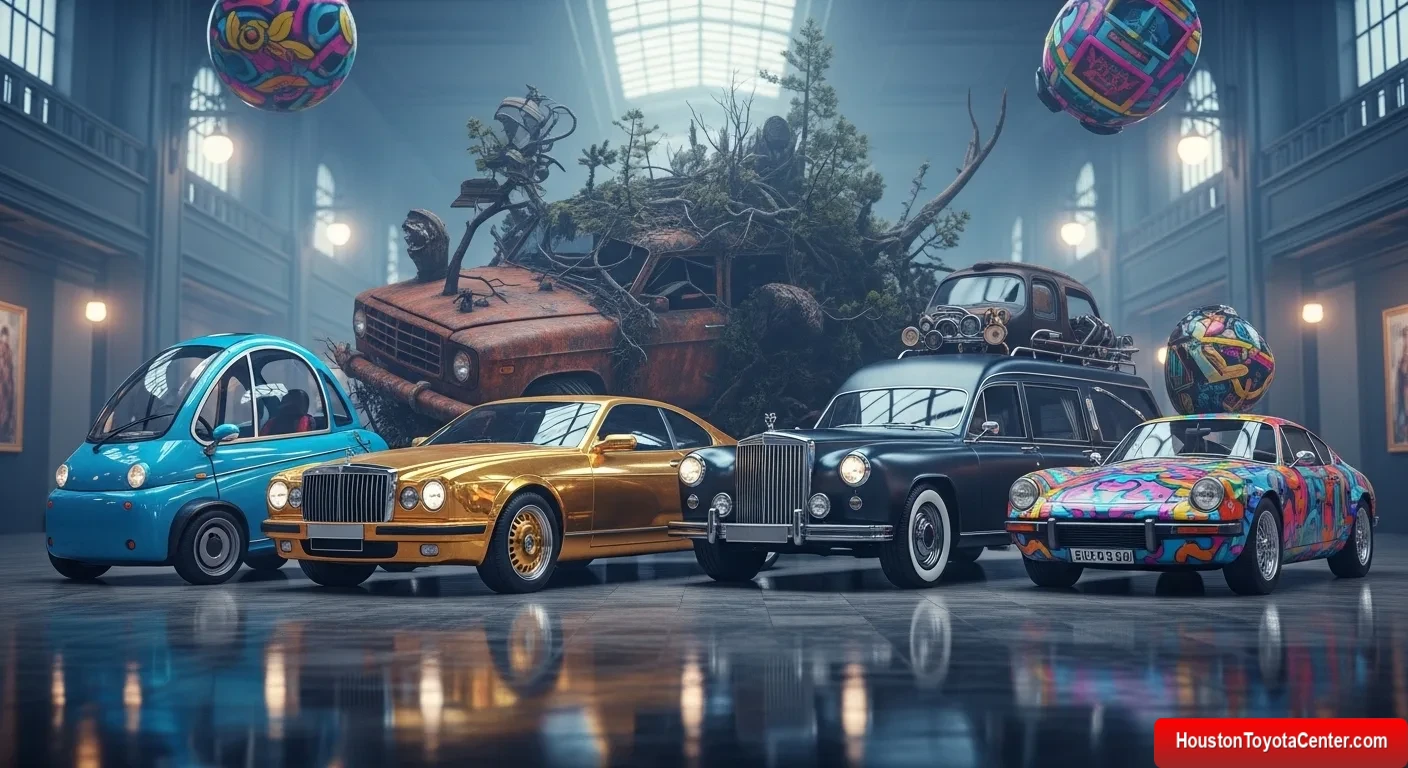
When people think of car museums, they often imagine polished showrooms filled with pristine Ferraris, vintage Rolls-Royces, or classic American muscle cars arranged in chronological order. These traditional institutions celebrate engineering milestones, design evolution, and automotive heritage. However, scattered across the globe are a number of car museums that defy expectations—places that are eccentric, highly specialized, immersive, or even bizarre. These unusual car museums offer far more than a static display of vehicles; they tell strange stories, preserve obscure niches, and sometimes blur the line between art, culture, and mechanical obsession.
This article explores some of the most unconventional car museums around the world, diving into what makes each one unique, why they exist, and what visitors can expect when stepping inside.
What Makes a Car Museum “Unusual”?
Before diving into specific examples, it’s worth defining what “unusual” means in this context. A museum might earn this label for several reasons:
- Hyper-specific focus (e.g., only microcars or only hearses)
- Eccentric presentation style (interactive, theatrical, or surreal)
- Unexpected location (remote deserts, underground bunkers, or small villages)
- Cultural or artistic crossover (cars as art installations)
- Odd themes or narratives (vehicles tied to crime, film, or subcultures)
Unlike traditional automotive museums, these spaces often prioritize storytelling, emotion, or curiosity over prestige and brand recognition.
FREE: Quickly identify and understand problems with your vehicle 🚘
CLICK HERE1. The Microcar Museum – Celebrating Tiny Engineering Marvels
One of the most charming niches in automotive history is the microcar. Built mostly in post-war Europe, these tiny vehicles were designed to be affordable, fuel-efficient, and practical during times of economic hardship.
What Makes It Unusual
A museum dedicated entirely to microcars challenges the conventional idea that bigger is better. Visitors encounter vehicles so small they resemble toys more than transportation.
Highlights
- Bubble cars with dome-shaped roofs
- Three-wheeled vehicles that tilt precariously
- Cars with front-opening doors instead of side doors
- Engines smaller than modern lawnmowers
Experience
Walking through such a museum feels almost surreal. You might see a car that seats two people side-by-side but is narrower than a motorcycle. Many exhibits allow visitors to sit inside, emphasizing just how compact these machines are.
Cultural Insight
Microcars reflect a time when necessity drove innovation. They represent resilience and creativity in the face of economic constraints.
2. The Hearse Museum – Exploring the Automotive Side of Death
At first glance, a museum dedicated to hearses might seem morbid. However, these vehicles tell fascinating stories about culture, ritual, and craftsmanship.
What Makes It Unusual
Few people associate hearses with automotive enthusiasm, yet they feature intricate design, luxurious interiors, and symbolic significance.
Highlights
- Victorian-era horse-drawn hearses
- Gothic-inspired designs with elaborate carvings
- Modern hearses customized with unique themes
- Celebrity funeral vehicles
Experience
The atmosphere is often quiet and contemplative. Lighting and music may enhance the solemn mood, creating an experience that feels closer to a historical exhibit than a traditional car museum.
Cultural Insight
Funeral vehicles reveal how different societies approach death. From ornate displays of status to minimalist modern designs, each hearse reflects cultural attitudes toward mortality.
3. The Art Car Museum – Where Automobiles Become Canvases
In some museums, cars are not preserved in their original condition—instead, they are transformed into works of art.
What Makes It Unusual
These museums treat vehicles as artistic mediums rather than engineering achievements. Paint, sculpture, and mixed media turn cars into expressive pieces.
Highlights
- Cars covered in mosaics or found objects
- Vehicles painted with surreal or political themes
- Interactive installations involving automobiles
- Rotating exhibits featuring contemporary artists
Experience
Expect the unexpected. One car might be entirely covered in mirrors, while another could be transformed into a moving sculpture resembling an animal or abstract form.
Cultural Insight
Art car museums challenge the idea of cars as purely functional objects. They explore identity, consumer culture, and environmental issues through automotive forms.
4. The Movie Car Museum – Hollywood on Wheels
Cinema has given us some of the most iconic cars in history. From futuristic vehicles to legendary classics, movie cars hold a special place in popular culture.
What Makes It Unusual
Instead of focusing on real-world history, these museums celebrate fictional narratives and cinematic imagination.
Highlights
- Replica and original film vehicles
- Cars from science fiction, action, and fantasy genres
- Interactive displays recreating famous scenes
- Behind-the-scenes insights into prop design
Experience
Visitors often feel like they’ve stepped into a film set. Lighting, sound effects, and themed environments enhance immersion.
Cultural Insight
Movie car museums highlight how automobiles shape storytelling. They demonstrate how design influences character, mood, and world-building.
5. The Rusting Car Graveyard Museum – Beauty in Decay
Not all car museums are pristine. Some embrace deterioration as part of their appeal.
What Makes It Unusual
Instead of restoring vehicles, these museums preserve them in their weathered, decaying state.
Highlights
- Abandoned cars overtaken by nature
- Rust patterns resembling abstract art
- Vehicles partially buried or collapsed
- Outdoor settings in forests or deserts
Experience
Walking through such a museum feels like exploring an archaeological site. The atmosphere can be eerie yet peaceful.
Cultural Insight
These spaces raise questions about time, consumption, and environmental impact. They remind visitors that even iconic machines are ultimately temporary.
6. The Communist Car Museum – A Glimpse into Restricted Innovation
In former Eastern Bloc countries, car production followed very different rules compared to the West.
What Makes It Unusual
These museums focus on vehicles produced under centralized economies, where design and availability were heavily controlled.
Highlights
- Mass-produced models with minimal variation
- Long waiting lists for car ownership
- Simple, utilitarian designs
- Vehicles adapted for harsh climates
Experience
Exhibits often include personal stories, photographs, and historical context, making the experience deeply human.
Cultural Insight
These cars represent more than transportation—they symbolize political systems, scarcity, and everyday life under socialism.
7. The Amphibious Vehicle Museum – Cars That Swim
Why limit a car to land when it can also travel on water?
What Makes It Unusual
Amphibious vehicles blur the line between cars and boats, showcasing unconventional engineering solutions.
Highlights
- Cars with retractable wheels
- Military amphibious vehicles
- Experimental prototypes
- Civilian models designed for recreation
Experience
Some museums even offer demonstrations or rides, allowing visitors to see these vehicles in action.
Cultural Insight
Amphibious cars reflect humanity’s desire to overcome natural boundaries and expand mobility.
8. The DIY and Homemade Car Museum – Creativity Without Limits
Not all cars come from factories. Some are built in garages by passionate individuals.
What Makes It Unusual
These museums celebrate amateur engineering and unconventional design.
Highlights
- Cars made from recycled materials
- Unique, one-of-a-kind designs
- Vehicles with unusual propulsion systems
- Personal stories behind each creation
Experience
Visitors often feel inspired by the ingenuity and determination on display.
Cultural Insight
Homemade cars highlight the democratization of innovation—anyone with creativity and determination can build something extraordinary.
9. The Luxury Oddities Museum – The Strangest High-End Cars
Luxury cars are usually associated with elegance and refinement. But some manufacturers and collectors push the boundaries of taste and design.
What Makes It Unusual
This type of museum focuses on extravagant, bizarre, or controversial luxury vehicles.
Highlights
- Gold-plated cars
- Interiors with exotic materials
- Unusual design experiments
- Limited-edition models with extreme customization
Experience
The atmosphere is often glamorous yet slightly surreal, showcasing excess in its most extreme forms.
Cultural Insight
These cars reflect wealth, status, and sometimes eccentricity. They challenge conventional ideas of luxury and aesthetics.
10. The Police and Crime Vehicle Museum – Cars with Stories
Some cars are tied to dramatic events, including crimes, chases, and law enforcement history.
What Makes It Unusual
These museums focus on narrative rather than design, highlighting vehicles involved in significant incidents.
Highlights
- Police patrol cars from different eras
- Vehicles used in famous chases
- Forensic displays
- Interactive crime-solving exhibits
Experience
Visitors often feel like participants in a story, piecing together events and understanding the role of vehicles in law enforcement.
Cultural Insight
These museums reveal how cars intersect with justice, crime, and public safety.
Comparison of Unusual Car Museum Types
| Museum Type | Key Feature | Visitor Experience | Cultural Significance |
|---|---|---|---|
| Microcar Museum | Extremely small vehicles | Playful, surprising | Post-war innovation |
| Hearse Museum | Funeral vehicles | Reflective, solemn | Attitudes toward death |
| Art Car Museum | Cars as art | Creative, unpredictable | Expression and identity |
| Movie Car Museum | Film-related vehicles | Immersive, nostalgic | Pop culture storytelling |
| Car Graveyard Museum | Decaying vehicles | Eerie, contemplative | Time and environmental impact |
| Communist Car Museum | Socialist-era vehicles | Educational, historical | Political and social systems |
| Amphibious Vehicle Museum | Land-water vehicles | Interactive, fascinating | Engineering innovation |
| DIY Car Museum | Homemade creations | Inspiring, personal | Grassroots creativity |
| Luxury Oddities Museum | Extreme luxury designs | Glamorous, surreal | Wealth and excess |
| Crime Vehicle Museum | Story-driven exhibits | Dramatic, engaging | Law enforcement and society |
Why These Museums Matter
Unusual car museums might seem niche or quirky, but they serve important purposes:
1. Preserving Overlooked History
Mainstream museums often focus on famous brands and milestones. Unusual museums preserve stories that might otherwise be forgotten.
2. Encouraging Curiosity
These spaces invite visitors to question assumptions about cars, design, and culture.
3. Bridging Disciplines
By combining art, history, sociology, and engineering, these museums offer a more holistic perspective.
4. Inspiring Creativity
From DIY vehicles to art cars, these museums show that innovation doesn’t always come from large corporations.
Tips for Visiting Unusual Car Museums
If you plan to explore these unique destinations, consider the following:
- Research ahead: Some are small or privately owned with limited hours.
- Keep an open mind: The appeal often lies in the unexpected.
- Engage with exhibits: Many offer interactive elements or guided tours.
- Ask questions: Staff and curators often have fascinating stories to share.
The Future of Unusual Car Museums
As technology evolves, new types of unusual car museums are emerging:
- Electric and experimental vehicle museums
- Virtual and digital car exhibitions
- Museums focused on sustainability and recycling
- Interactive, immersive experiences using augmented reality
These developments suggest that the concept of a car museum will continue to expand beyond traditional boundaries.
Final Thoughts
Unusual car museums remind us that automobiles are more than machines—they are cultural artifacts, artistic expressions, and storytelling tools. Whether it’s a tiny microcar, a decaying relic in a forest, or a wildly customized art vehicle, each exhibit offers a unique perspective on human creativity and ingenuity.
Exploring these museums is not just about seeing cars; it’s about discovering the unexpected, questioning norms, and appreciating the diverse ways in which people interact with technology. For travelers, enthusiasts, and curious minds alike, these destinations offer unforgettable experiences that go far beyond the ordinary.
Leave a Reply