
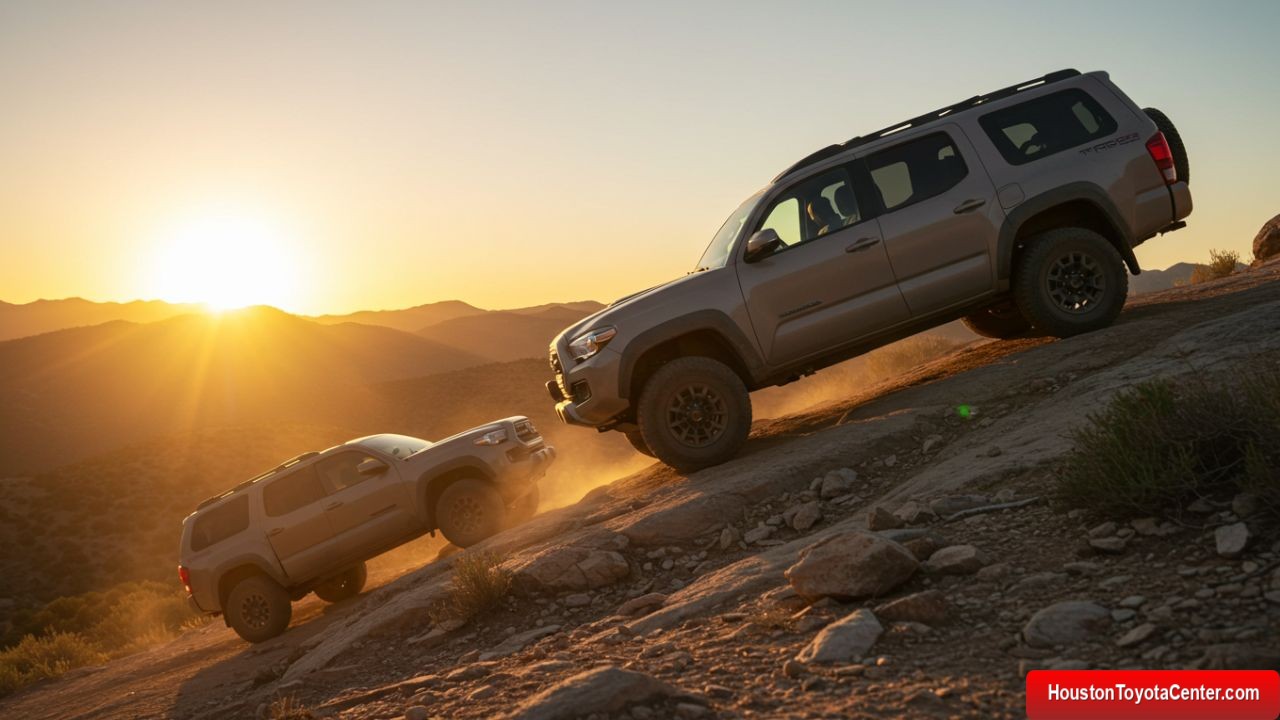
The Toyota Tacoma stands as one of the most iconic vehicles in the compact pickup truck segment, representing a remarkable journey of engineering excellence, market adaptation, and cultural significance. Since its introduction to North American markets, the Tacoma has evolved from a simple rebadged variant into a purpose-built machine that embodies Toyota’s commitment to reliability, innovation, and customer satisfaction. This comprehensive exploration traces the complete history of the Toyota Tacoma, examining each generation’s development, technological advancements, design philosophy, and impact on both the automotive industry and American truck culture.
The Origins: From Hilux to Tacoma
To understand the Tacoma’s story, we must first look at its predecessor, the Toyota Hilux. Introduced globally in 1968, the Hilux became renowned for its legendary durability and ruggedness, earning nicknames like “the indestructible truck” through countless demonstrations of its ability to withstand extreme conditions. However, by the early 1990s, Toyota recognized that the North American market had specific needs that differed from global requirements. American consumers demanded more comfort, better performance, and features tailored to their lifestyle preferences.
In 1995, Toyota made a strategic decision to create a vehicle specifically designed for North American buyers. The result was the Toyota Tacoma, named after the city in Washington state, symbolizing Toyota’s commitment to understanding and serving the American market. This wasn’t merely a rebadging exercise; it represented a fundamental shift in Toyota’s approach to the compact truck segment. The Tacoma was engineered from the ground up with American driving conditions, consumer preferences, and competitive landscape in mind.
First Generation (1995-2004): Establishing a New Standard
Design and Engineering Philosophy
The first-generation Tacoma debuted for the 1995 model year, marking Toyota’s first completely new compact pickup designed specifically for North America. Built at Toyota’s facility in Fremont, California, and later at NUMMI (New United Motor Manufacturing Inc.), the Tacoma represented a significant investment in localized production and design.
FREE: Quickly identify and understand problems with your vehicle 🚘
CLICK HEREThe design team faced a challenging task: create a vehicle that maintained Toyota’s reputation for reliability while offering improved comfort, safety, and performance compared to the Hilux. The result was a truck that featured a more refined interior, better ride quality, and enhanced safety features without sacrificing the rugged capability that truck buyers expected.
Engine Options and Performance
The first-generation Tacoma offered several engine configurations to meet diverse customer needs:
| Engine Type | Displacement | Horsepower | Torque | Years Available |
|---|---|---|---|---|
| 2.4L I4 (2RZ-FE) | 2.4 liters | 142 hp @ 5,000 rpm | 160 lb-ft @ 4,000 rpm | 1995-2004 |
| 2.7L I4 (3RZ-FE) | 2.7 liters | 150 hp @ 4,800 rpm | 177 lb-ft @ 4,000 rpm | 1995-2004 |
| 3.4L V6 (5VZ-FE) | 3.4 liters | 190 hp @ 4,800 rpm | 220 lb-ft @ 3,600 rpm | 1995-2004 |
The four-cylinder engines provided excellent fuel economy for daily driving and light work, while the V6 option delivered the power needed for towing and more demanding tasks. This flexibility allowed the Tacoma to appeal to a broad range of customers, from urban commuters to outdoor enthusiasts and small business owners.
Body Styles and Configurations
Toyota offered the first-generation Tacoma in multiple configurations to maximize its versatility:
Regular Cab: The traditional two-door configuration with seating for three passengers, ideal for those prioritizing cargo space or budget considerations.
Xtracab (Extended Cab): Introduced as an innovative solution, the Xtracab featured small rear-hinged doors and limited rear seating, providing additional storage space and occasional passenger capacity without significantly increasing the vehicle’s footprint.
Double Cab: Later in the generation, Toyota introduced the Double Cab with full-sized rear doors and proper rear seating, responding to growing demand for family-friendly trucks that didn’t sacrifice utility.
Bed lengths varied from 6-foot to 7-foot options, allowing customers to choose based on their specific hauling needs. The Tacoma was available in both two-wheel drive and four-wheel drive configurations, with the four-wheel drive models featuring either part-time or full-time systems depending on the trim level.
Trim Levels and Features
The first-generation Tacoma was offered in several trim levels:
- Base: The entry-level model focused on functionality and value
- SR5: The mid-range trim adding comfort features and styling enhancements
- PreRunner: An off-road oriented package with upgraded suspension and skid plates
- Limited: The top-tier trim featuring luxury appointments and advanced features
Safety features evolved throughout the generation, with dual front airbags becoming standard, and anti-lock brakes (ABS) available on higher trims. The Tacoma’s construction utilized high-strength steel in critical areas, contributing to its impressive crash test ratings for the era.
Market Reception and Impact
The first-generation Tacoma was met with enthusiastic reception from both critics and consumers. Automotive journalists praised its improved refinement compared to previous Toyota trucks while maintaining the brand’s legendary reliability. Sales figures confirmed the market’s approval, with the Tacoma quickly becoming one of the best-selling compact trucks in America.
The Tacoma’s success forced competitors to elevate their offerings, raising the bar for the entire segment. Ford, Chevrolet, Dodge, and Nissan all responded with improved compact trucks, but the Tacoma maintained its position as the benchmark for quality and dependability.
Second Generation (2005-2015): Refinement and Expansion
A Bold New Direction
The second-generation Tacoma arrived for the 2005 model year with a dramatically updated design that signaled Toyota’s confidence in the nameplate. This generation represented a significant departure from its predecessor, featuring bolder styling, increased dimensions, and substantially improved capabilities. The design language embraced a more aggressive, muscular appearance that resonated with American truck buyers’ aesthetic preferences.
Enhanced Dimensions and Capability
Toyota increased the Tacoma’s overall size across all dimensions, providing more interior space, larger cargo beds, and improved towing capacity. The wheelbase grew, contributing to better stability and ride quality. These changes positioned the Tacoma closer to mid-size trucks in terms of capability while maintaining its compact truck classification.
Key Dimensional Changes:
| Measurement | First Generation | Second Generation | Increase |
|---|---|---|---|
| Overall Length | ~195 inches | ~208-212 inches | ~13-17 inches |
| Wheelbase | ~109-126 inches | ~127-141 inches | ~15-18 inches |
| Payload Capacity | ~1,400-1,600 lbs | ~1,440-1,685 lbs | Improved distribution |
| Towing Capacity | ~3,500-6,500 lbs | ~3,500-6,500 lbs | Refined ratings |
Powertrain Evolution
The second-generation Tacoma continued to offer both four-cylinder and V6 engines, but with significant improvements:
Four-Cylinder Engine:
- 2.7L I4 (2TR-FE): 159 hp @ 5,200 rpm, 180 lb-ft @ 3,800 rpm
- Featured dual VVT-i (Variable Valve Timing with intelligence) for improved efficiency and performance
- Provided excellent fuel economy for daily driving
V6 Engine:
- 4.0L V6 (1GR-FE): 236 hp @ 5,200 rpm, 266 lb-ft @ 4,000 rpm
- Represented a substantial power increase over the previous 3.4L V6
- Delivered smooth, responsive performance suitable for towing and off-road adventures
Both engines were paired with either five-speed manual or automatic transmissions, with the automatic gaining additional gears in later years for improved efficiency. The four-wheel-drive system was also enhanced, featuring an electronic shift-on-the-fly system that made transitioning between two-wheel and four-wheel drive seamless.
Advanced Off-Road Capabilities
Recognizing the Tacoma’s strong following among off-road enthusiasts, Toyota developed specialized packages that elevated the truck’s trail-ready credentials:
TRD Off-Road Package:
- Bilstein shock absorbers tuned for off-road performance
- Electronic locking rear differential
- Skid plates protecting vital components
- Unique wheels and tires optimized for traction
- TRD-tuned suspension with increased travel
TRD Sport Package:
- Street-oriented suspension tuning
- Sport-tuned shocks
- Unique styling elements
- Enhanced handling characteristics
These packages demonstrated Toyota’s commitment to serving diverse customer needs, from hardcore off-roaders to those seeking improved on-road dynamics.
Interior Improvements and Technology
The second-generation Tacoma’s interior received substantial upgrades, addressing criticisms of the first generation’s spartan cabin. Higher-quality materials, improved ergonomics, and better sound insulation created a more comfortable environment for daily driving.
Technology features expanded significantly:
- Available navigation systems
- Bluetooth connectivity
- Premium audio systems
- Multiple USB ports and auxiliary inputs
- Advanced climate control systems
Safety technology also progressed, with available stability control, traction control, and side curtain airbags joining the standard dual front airbags. The Tacoma earned strong safety ratings throughout this generation, reinforcing Toyota’s reputation for building safe vehicles.
Body Styles and Versatility
The second-generation Tacoma continued offering multiple configurations:
- Regular Cab: Maintained for work-focused buyers
- Access Cab: Replaced the Xtracab with improved rear access and usability
- Double Cab: Became increasingly popular, offering full adult seating in the rear
Bed options included 5-foot, 6-foot, and 7-foot lengths, with the shorter bed primarily available on Double Cab models. This flexibility allowed customers to balance passenger capacity with cargo needs.
Market Dominance and Cultural Impact
The second-generation Tacoma solidified its position as the segment leader, consistently ranking among the best-selling trucks in America. Its reputation for reliability became almost mythical, with numerous examples surpassing 200,000 and even 300,000 miles with minimal issues. This durability contributed to exceptional resale values, making the Tacoma one of the smartest financial decisions in the automotive world.
The Tacoma developed a passionate owner community, with clubs, forums, and events dedicated to the vehicle. Off-road racing series featured Tacoma-based competition classes, and the truck became a favorite among overlanding enthusiasts exploring remote destinations. This cultural phenomenon extended beyond mere transportation, representing a lifestyle choice for adventure-seeking Americans.
Third Generation (2016-Present): Modernization Meets Tradition
Contemporary Design Language
The third-generation Tacoma debuted for the 2016 model year with a bold, aggressive design that pushed boundaries while respecting the model’s heritage. The front fascia featured a prominent grille, angular headlights, and muscular fender flares that communicated capability and confidence. This design resonated strongly with buyers, maintaining the Tacoma’s visual distinctiveness in an increasingly crowded market.
Refined Powertrains
Toyota updated the powertrain lineup for the third generation, focusing on efficiency improvements while maintaining performance:
Four-Cylinder Engine:
- 2.7L I4 (2TR-FE): 159 hp @ 5,200 rpm, 180 lb-ft @ 3,800 rpm
- Carryover from previous generation with minor refinements
- Six-speed automatic transmission standard (manual available)
V6 Engine:
- 3.5L V6 (2GR-FKS): 278 hp @ 6,000 rpm, 265 lb-ft @ 4,600 rpm
- Featured D-4S direct and port injection
- Atkinson cycle operation for improved efficiency
- Six-speed automatic or six-speed manual transmission options
The new V6 represented a significant advancement, utilizing Toyota’s latest engine technology to deliver more power with better fuel economy. The addition of direct injection improved both performance and emissions, while the Atkinson cycle capability allowed the engine to operate more efficiently under light loads.
Transmission Innovations
A notable addition to the third-generation Tacoma was the availability of a six-speed manual transmission with the V6 engine, catering to enthusiasts who preferred driver engagement. This manual transmission featured improved gearing and smoother operation compared to previous offerings, making it a genuine pleasure to use rather than a compromise.
The automatic transmission received updates including improved shift logic and the addition of a tow/haul mode that adjusted shift points for better performance when carrying heavy loads.
Advanced Safety and Driver Assistance
The third-generation Tacoma embraced modern safety technology, particularly with the introduction of Toyota Safety Sense (TSS) in later model years:
Toyota Safety Sense P (TSS-P) included:
- Pre-Collision System with Pedestrian Detection
- Lane Departure Alert
- Automatic High Beams
- Dynamic Radar Cruise Control
These features brought the Tacoma in line with contemporary safety expectations, helping it achieve strong scores in IIHS (Insurance Institute for Highway Safety) and NHTSA (National Highway Traffic Safety Administration) evaluations.
Trim Level Expansion
Toyota expanded the trim level offerings to serve increasingly specific customer segments:
- SR: Base work truck focused on value and functionality
- SR5: Mid-level trim balancing features and price
- TRD Sport: On-road oriented with sport-tuned suspension
- TRD Off-Road: Trail-capable with locking differential and enhanced suspension
- Limited: Luxury-focused with premium materials and features
- TRD Pro: Top-tier off-road package with Fox internal bypass shocks, unique styling, and exclusive features
The TRD Pro designation became particularly significant, representing Toyota’s commitment to serious off-road capability. Features included:
- Fox 2.5-inch internal bypass shocks
- TRD-tuned springs with increased travel
- Front skid plate
- Unique grille with integrated LED lights
- Exclusive color options
- All-terrain tires
Interior Quality and Technology
The third-generation Tacoma’s interior saw substantial improvements in material quality, fit and finish, and technology integration. Higher trims featured soft-touch surfaces, leather upholstery, and heated seats, elevating the cabin experience to rival some mid-size SUVs.
Technology advances included:
- Larger touchscreen displays (up to 8 inches)
- Apple CarPlay and Android Auto integration (added in later years)
- Wireless charging pads
- Premium JBL audio systems
- Multi-information displays
- Smart key systems with push-button start
Connectivity features kept pace with consumer expectations, ensuring the Tacoma remained competitive in an increasingly digital automotive landscape.
Continued Market Leadership
The third-generation Tacoma has maintained its position as the best-selling mid-size truck in America, a testament to Toyota’s understanding of its customer base. Despite increased competition from redesigned rivals including the Ford Ranger, Chevrolet Colorado, GMC Canyon, Jeep Gladiator, and Honda Ridgeline, the Tacoma continues to dominate sales charts.
This success stems from multiple factors:
- Unmatched reputation for reliability and longevity
- Strong resale values
- Extensive dealer network and service support
- Passionate owner community
- Proven off-road capability
- Comprehensive warranty coverage
The Tacoma’s Cultural Significance
Beyond its commercial success, the Toyota Tacoma has achieved remarkable cultural significance in America. The truck has become synonymous with outdoor adventure, representing freedom, capability, and self-reliance. Tacoma owners form a distinctive community united by shared values and experiences.
Off-Road Racing Heritage
The Tacoma has established itself as a dominant force in off-road racing, particularly in desert racing series like SCORE International and Best in the Desert. Factory-backed and privateer teams have achieved numerous championships using Tacoma-based race trucks, demonstrating the platform’s inherent strength and adaptability. This racing success reinforces the Tacoma’s rugged image and provides valuable real-world testing data that informs production vehicle development.
Overlanding and Adventure Culture
The Tacoma has become the vehicle of choice for many overlanding enthusiasts—those who combine off-road driving with self-sufficient travel and camping. Its reliability ensures travelers can venture into remote areas with confidence, while its aftermarket support allows extensive customization for specific adventure needs. Roof-top tents, storage systems, lighting solutions, and recovery equipment are readily available, creating an ecosystem that supports the overlanding lifestyle.
Environmental Consciousness
Interestingly, the Tacoma has also found favor among environmentally conscious adventurers. Its durability means fewer vehicles end up in landfills, and its efficiency (particularly with the four-cylinder engine) reduces environmental impact compared to larger trucks. Many Tacoma owners practice “leave no trace” principles, using their vehicles responsibly to access natural areas while minimizing ecological disruption.
Looking Forward: The Future of the Tacoma
As the automotive industry undergoes dramatic transformation, the Tacoma faces both challenges and opportunities. Electrification, autonomous driving technology, and changing consumer preferences will inevitably influence the truck’s evolution.
Electrification Possibilities
Toyota has indicated interest in electrifying the Tacoma lineup, potentially offering hybrid or fully electric variants. A hybrid Tacoma could combine the V6’s power with electric motor assistance, improving fuel economy while maintaining capability. A fully electric Tacoma would represent a bold move, requiring solutions for towing capacity, range, and charging infrastructure compatibility.
Recent announcements suggest Toyota is developing next-generation platforms that could accommodate various powertrain options, including battery-electric and hydrogen fuel cell technologies. The Tacoma’s future may include multiple powertrain choices, allowing customers to select based on their specific needs and preferences.
Autonomous and Connected Features
As autonomous driving technology matures, the Tacoma will likely incorporate increasingly sophisticated driver assistance systems. While full autonomy may be less relevant for a work and adventure vehicle, features like advanced cruise control, automated parking, and enhanced collision avoidance will improve safety and convenience.
Connectivity will continue expanding, with over-the-air software updates, enhanced smartphone integration, and vehicle-to-everything (V2X) communication potentially becoming standard. These technologies could enable features like predictive maintenance alerts, route optimization based on real-time conditions, and integration with smart home systems.
Sustainability Initiatives
Toyota’s broader sustainability goals will influence the Tacoma’s development. Increased use of recycled materials, manufacturing process improvements, and end-of-life recyclability will become increasingly important. The company’s commitment to carbon neutrality by 2050 will drive innovations in materials science, production methods, and vehicle lifecycle management.
Conclusion: A Legacy of Excellence
The Toyota Tacoma’s history represents more than just the evolution of a vehicle; it tells a story of thoughtful engineering, market understanding, and cultural connection. From its origins as a North America-specific replacement for the Hilux to its current status as the segment’s undisputed leader, the Tacoma has consistently delivered on Toyota’s promise of quality, reliability, and value.
Each generation has built upon its predecessor’s strengths while addressing weaknesses and adapting to changing market conditions. The first generation established the Tacoma as a refined, reliable alternative to rougher competitors. The second generation expanded capability and refined the formula, cementing the Tacoma’s reputation for durability. The third generation embraced modern technology and design while maintaining the core values that made the Tacoma beloved.
What sets the Tacoma apart isn’t any single feature or specification, but rather the holistic package it offers. It combines proven reliability with genuine capability, practical utility with everyday comfort, and mainstream appeal with enthusiast credibility. Few vehicles manage to satisfy such diverse requirements simultaneously, which explains the Tacoma’s enduring popularity across demographic groups and use cases.
The Tacoma’s success also reflects Toyota’s broader philosophy of continuous improvement (kaizen) and respect for customer feedback. The company has listened to Tacoma owners, learning from their experiences and incorporating their suggestions into subsequent generations. This collaborative approach has created a vehicle that truly serves its users’ needs rather than imposing manufacturer assumptions.
As we look toward the future, the Tacoma faces an uncertain but exciting path. Electrification, automation, and connectivity will transform the automotive landscape, but the fundamental qualities that made the Tacoma successful—durability, capability, and trustworthiness—will remain valuable regardless of powertrain or technology choices. Toyota’s challenge will be preserving these core attributes while embracing necessary innovations.
The Toyota Tacoma has earned its place in automotive history not through flashy marketing or temporary trends, but through consistent delivery of genuine value to millions of owners. It has proven itself in countless applications, from daily commuting to serious off-road adventures, from construction sites to remote wilderness expeditions. This versatility, combined with unmatched reliability, has created a loyal following that transcends typical brand allegiance.
For those considering a Tacoma, whether new or used, the vehicle represents a sound investment in transportation that will serve faithfully for years or even decades. For automotive historians, the Tacoma illustrates how thoughtful product development, cultural understanding, and quality execution can create lasting success in a competitive market. And for Toyota, the Tacoma stands as proof that staying true to core values while adapting to change can build not just a successful product, but an enduring legacy.
The story of the Toyota Tacoma is far from complete. As new generations emerge and technology evolves, the Tacoma will continue writing its history, one mile at a time. But whatever the future holds, the foundation established over nearly three decades of excellence ensures that the Tacoma name will remain synonymous with quality, capability, and adventure for years to come.
Leave a Reply