
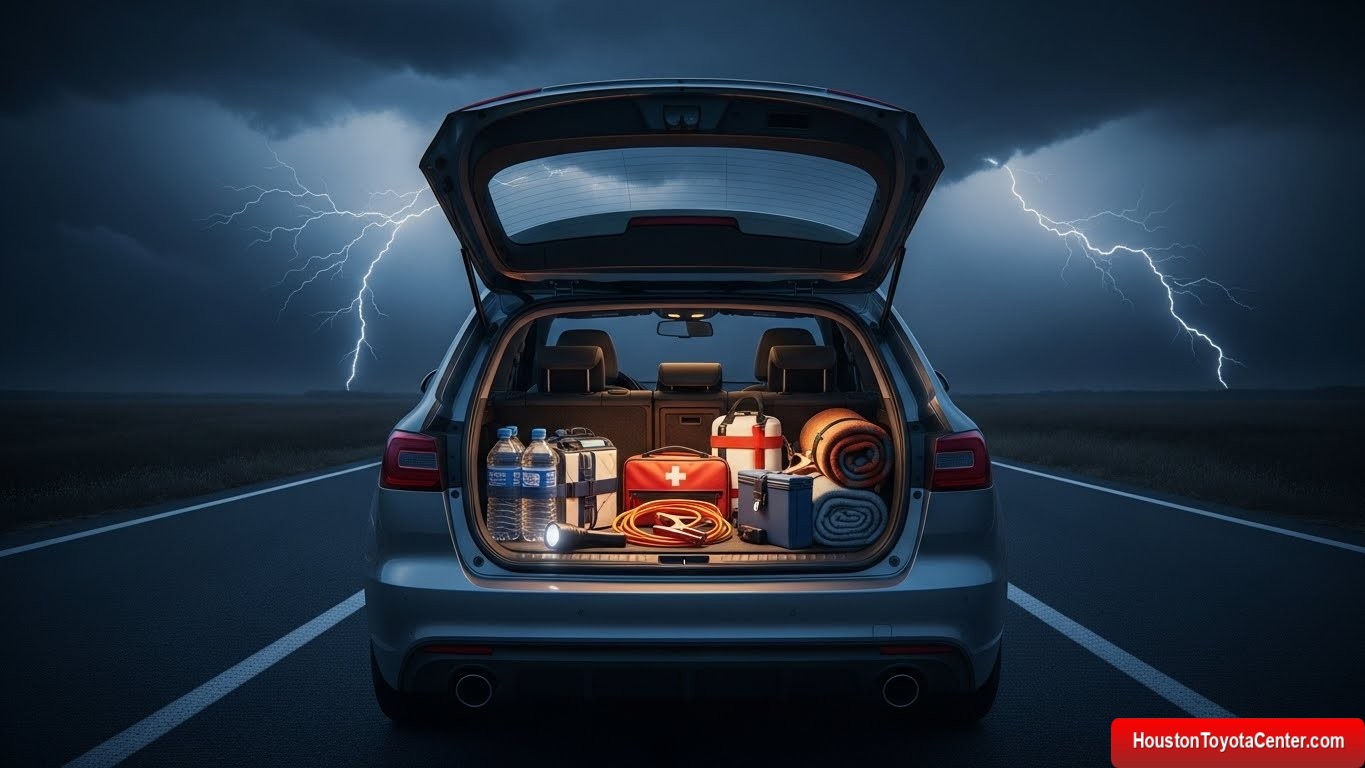
Being prepared for emergencies on the road is not just a matter of convenience—it can be a matter of safety, comfort, and even survival. Whether you are commuting daily, embarking on a long road trip, or simply running errands around town, unexpected situations can arise at any time. Flat tires, dead batteries, severe weather, accidents, or getting stranded in remote areas are all possibilities drivers face.
A well-stocked car emergency kit ensures that you are ready to handle many of these scenarios calmly and effectively. This article provides a comprehensive, practical, and detailed guide to what you should keep in your car emergency kit, why each item matters, and how to adapt your kit to different climates, seasons, and personal needs.
By the end, you will not only know what to include, but also how to organize, maintain, and customize your kit for maximum usefulness.
Why Every Driver Needs a Car Emergency Kit
Even modern vehicles with advanced safety features are not immune to breakdowns or emergencies. GPS, mobile phones, and roadside assistance services are helpful—but they are not foolproof.
FREE: Quickly identify and understand problems with your vehicle 🚘
CLICK HEREHere are a few reasons why an emergency kit is essential:
- Limited cell service: Many highways, rural roads, and mountain areas have poor or no reception.
- Weather extremes: Heatwaves, snowstorms, floods, and heavy rain can leave drivers stranded.
- Long wait times: Roadside assistance may take hours during peak times or extreme conditions.
- Self-reliance: Immediate access to tools and supplies allows you to take action instead of waiting helplessly.
Preparedness gives you control in stressful situations and can significantly reduce risk.
Core Principles of a Good Emergency Kit
Before diving into specific items, it helps to understand the guiding principles behind an effective kit:
- Safety first: Focus on preventing injury and exposure.
- Visibility: Make sure others can see you if you’re stranded.
- Self-sufficiency: Carry supplies that allow you to solve basic problems yourself.
- Adaptability: Your kit should reflect your driving habits and environment.
- Compact organization: Everything should be easy to access and store.
Essential Categories for Your Car Emergency Kit
A complete car emergency kit can be divided into several key categories. Each category addresses a specific type of risk or need.
1. Safety and Visibility Items
When your car is stopped unexpectedly, your first priority is to stay visible and avoid secondary accidents.
Must-have items include:
- Reflective warning triangles or road flares
- High-visibility safety vest
- Flashlight or headlamp (preferably LED)
- Extra batteries or rechargeable flashlight
Why they matter:
Visibility tools alert other drivers to your presence, especially at night or in low-visibility conditions such as fog, rain, or snow.
2. First Aid and Medical Supplies
Minor injuries are common during breakdowns or accidents. A well-equipped first aid kit can prevent small issues from becoming serious.
Recommended contents:
- Adhesive bandages (various sizes)
- Sterile gauze pads and tape
- Antiseptic wipes
- Pain relievers
- Medical gloves
- Tweezers and small scissors
- Personal medications (clearly labeled)
Tip: Regularly check expiration dates and replace used or expired items.
3. Vehicle Repair and Recovery Tools
Many roadside problems are mechanical but manageable with basic tools.
Essential tools:
- Jumper cables or a portable jump starter
- Tire pressure gauge
- Tire inflator or sealant
- Lug wrench and jack (usually included with the vehicle)
- Multi-tool or basic tool kit
- Duct tape and zip ties
These items allow you to fix or temporarily manage common issues like flat tires or dead batteries.
4. Power, Communication, and Navigation
In emergencies, staying connected and oriented is critical.
Key items:
- Portable power bank
- Charging cables compatible with your phone
- Car charger adapter
- Paper road maps (in case GPS fails)
- Emergency whistle
A whistle can be surprisingly useful for signaling for help when your voice cannot carry far enough.
5. Food and Water Supplies
If you are stranded for an extended period, basic sustenance becomes essential.
Recommended supplies:
- Bottled water (replace every 6–12 months)
- Non-perishable snacks (energy bars, nuts, dried fruit)
- Electrolyte packets
- Disposable utensils
Avoid items that melt, spoil easily, or require heating.
6. Clothing and Weather Protection
Weather conditions can change quickly, and being unprepared can lead to discomfort or danger.
Useful items include:
- Emergency blanket or thermal blanket
- Rain poncho
- Extra socks and gloves
- Warm hat
- Sunscreen and sunglasses
In cold climates, insulating layers are especially important. In hot climates, sun protection and hydration are critical.
7. Lighting and Fire-Starting Tools
Light and warmth can be lifesaving in certain situations.
Consider adding:
- Waterproof matches or lighter
- Glow sticks
- Small emergency candle (used with caution)
Fire-starting tools should always be stored safely and used responsibly.
8. Personal Hygiene and Comfort Items
Emergencies are stressful. Comfort and cleanliness can help maintain morale and health.
Helpful additions:
- Wet wipes
- Hand sanitizer
- Tissues or toilet paper
- Feminine hygiene products
- Small trash bags
These items are especially useful during long waits.
9. Documents and Information
Having access to key information can speed up assistance and reduce stress.
Keep copies of:
- Vehicle registration
- Insurance information
- Emergency contacts
- Medical information
Store these in a waterproof folder.
Seasonal Adjustments to Your Emergency Kit
A one-size-fits-all kit is not always enough. Seasonal changes demand specific preparations.
Winter Emergency Kit Additions
- Ice scraper and snow brush
- Sand or cat litter for traction
- Extra warm blankets
- Hand warmers
- Windshield washer fluid rated for freezing temperatures
Summer Emergency Kit Additions
- Extra water
- Cooling towels
- Hat with wide brim
- Insect repellent
- Sunshade for windshield
Emergency Kit for Long Road Trips
If you frequently take long trips, consider expanding your kit with:
- Spare windshield wipers
- Extra engine oil
- Coolant
- Spare fuses
- Reflective tarp
Long distances increase the likelihood of encountering isolated areas or delayed help.
Emergency Kit for Families and Pets
For Children
- Diapers and wipes
- Formula or baby food
- Comfort items (small toy or blanket)
For Pets
- Leash or harness
- Pet food and water
- Waste bags
- Copy of vaccination records
Planning for all passengers ensures no one is overlooked during emergencies.
How to Store and Organize Your Emergency Kit
Organization can be just as important as the items themselves.
Best practices:
- Use a sturdy, waterproof container
- Separate items by category using pouches
- Label sections clearly
- Keep frequently used items easily accessible
- Secure the kit to prevent movement while driving
The trunk is usually the best location, but avoid burying the kit under heavy luggage.
Maintenance: Keeping Your Kit Ready
An emergency kit is not “set it and forget it.”
Maintenance checklist:
- Inspect the kit every 6 months
- Replace expired food, water, and medication
- Test electronics and batteries
- Adjust contents for seasonal changes
- Replenish items after use
Set a calendar reminder to stay consistent.
Common Mistakes to Avoid
Even well-intentioned drivers can make mistakes when assembling an emergency kit.
Avoid these pitfalls:
- Relying only on digital tools
- Forgetting seasonal adjustments
- Overpacking with unnecessary items
- Ignoring personal or medical needs
- Storing items loosely without organization
Preparedness is about balance, not excess.
Psychological Preparedness: The Overlooked Factor
Mental readiness plays a crucial role in emergencies. Knowing that you are prepared can:
- Reduce panic
- Improve decision-making
- Help you assist others
Take time to familiarize yourself with your kit and practice using key tools.
A Sample Emergency Kit Checklist
| Category | Example Items |
|---|---|
| Safety | Reflective triangles, vest |
| Medical | First aid kit, medications |
| Vehicle | Jumper cables, tire inflator |
| Power | Power bank, flashlight |
| Food & Water | Bottled water, energy bars |
| Weather | Blanket, poncho |
| Hygiene | Wipes, sanitizer |
| Documents | Insurance, contacts |
This checklist can be printed and used as a reference.
Final Thoughts: Preparedness Is Peace of Mind
A car emergency kit is not about expecting the worst—it’s about being ready for the unexpected. With thoughtful planning and regular maintenance, your kit can transform a stressful roadside emergency into a manageable inconvenience.
Prepared drivers are safer drivers. Whether you face a minor breakdown or a major disruption, having the right tools and supplies within reach can make all the difference.
Invest the time today to build or upgrade your car emergency kit. Future you will be grateful.
Leave a Reply