
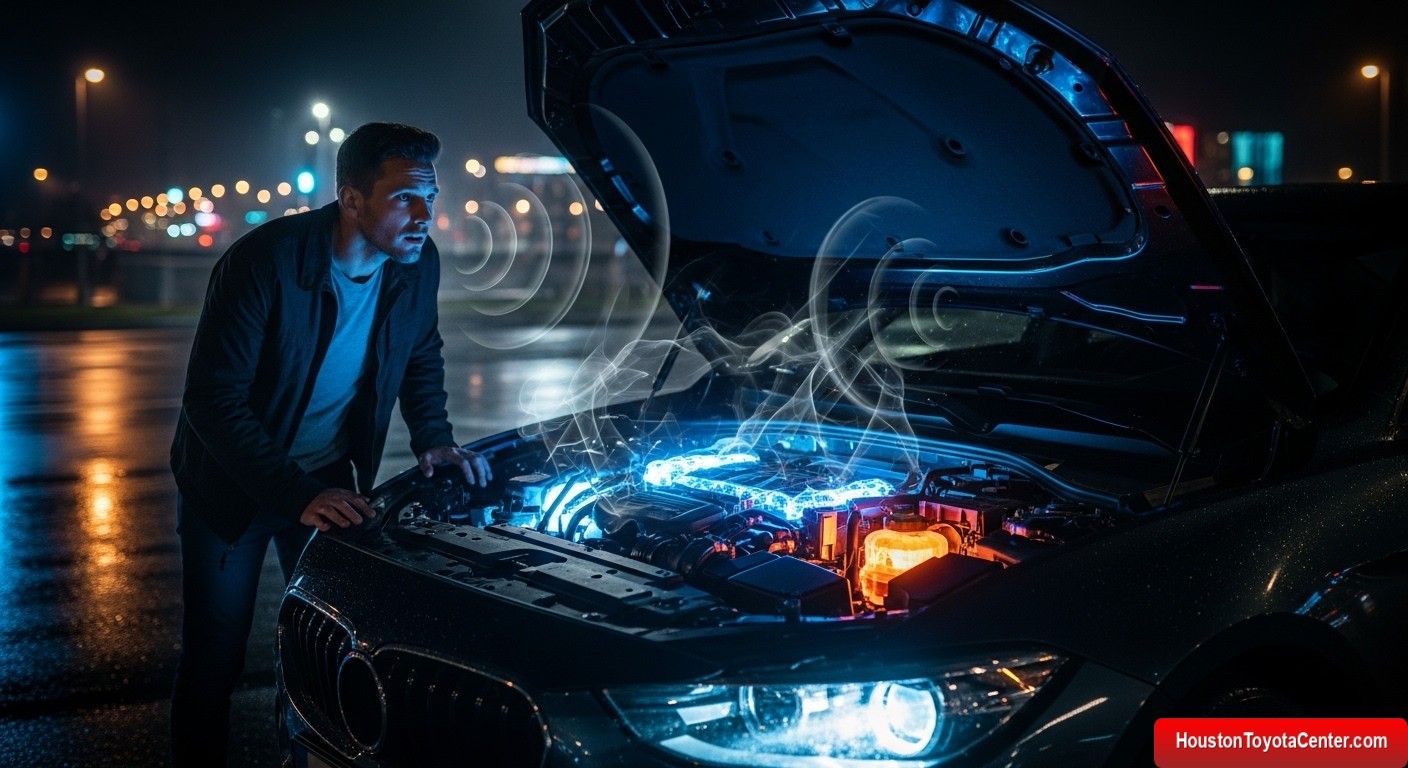
Cars are excellent communicators—just not in words. Instead, they speak through vibrations, smells, warning lights, and most notably, sounds. A squeal when braking, a clunk over bumps, a whining noise during acceleration—these are not random annoyances. They are messages. Understanding those messages can save you money, prevent breakdowns, and even protect your safety.
Many drivers ignore strange noises, hoping they will disappear. Sometimes they do. Often, they don’t. In fact, most mechanical failures give audible warnings long before they become serious problems. Learning to diagnose common car sounds doesn’t require you to be a professional mechanic, but it does require attention, context, and a basic understanding of how vehicles work.
This article will guide you through the most common car noises, explain what causes them, describe when they occur, and help you decide whether the issue is minor, urgent, or dangerous. By the end, you’ll be able to listen to your car with more confidence—and respond intelligently when something sounds off.
Why Car Noises Matter More Than You Think
Modern cars are complex machines made up of thousands of moving parts. When everything works properly, those parts move in harmony. When something starts to fail, friction, looseness, or imbalance often produces sound.
FREE: Quickly identify and understand problems with your vehicle 🚘
CLICK HEREIgnoring unusual noises can lead to:
- More expensive repairs due to cascading failures
- Reduced fuel efficiency
- Loss of control or braking ability
- Complete breakdowns at inconvenient or dangerous times
On the other hand, early diagnosis can mean:
- Simple adjustments instead of part replacements
- Affordable maintenance rather than emergency repairs
- Increased vehicle lifespan
- Safer driving conditions
Sound is often the first symptom, long before warning lights appear.
How to Listen to Your Car Properly
Before diving into specific noises, it’s important to understand how to listen effectively. Many sounds only happen under specific conditions.
Pay attention to:
- When the sound occurs (startup, acceleration, braking, turning)
- Where it seems to come from (front, rear, left, right, under the hood)
- How it sounds (squeal, grind, knock, hum, rattle)
- Whether it changes with speed, temperature, or engine RPM
A noise that happens only when cold can have a very different cause than one that appears after long drives.
Squealing Noises: High-Pitched Warnings
Brake Squeal
One of the most common and recognizable car sounds is a high-pitched squeal when braking.
What it sounds like:
A sharp, shrill screech, often louder at low speeds.
Common causes:
- Worn brake pads
- Brake pad wear indicators touching the rotor
- Glazed brake pads or rotors
- Dust or debris between pads and rotors
Brake pads are designed to make noise when they wear down. This is not accidental—it’s an intentional warning system.
Is it dangerous?
Not immediately, but it’s a sign that service is needed soon. Ignoring it can lead to damaged rotors, which are far more expensive to replace.
Belt Squeal Under the Hood
What it sounds like:
A loud squeal or screech when starting the engine or accelerating.
Common causes:
- Loose or worn serpentine belt
- Belt slipping on pulleys
- Moisture on the belt
- Failing belt tensioner
This noise is especially common in cold or wet weather.
Is it dangerous?
Yes, if ignored. A broken serpentine belt can disable your alternator, power steering, water pump, and air conditioning all at once.
Grinding Noises: Metal-on-Metal Trouble
Brake Grinding
What it sounds like:
A deep, harsh grinding noise when braking.
Common causes:
- Completely worn brake pads
- Metal backing plates contacting the rotor
- Severely damaged rotors
This sound usually means the brake pads are already beyond their usable life.
Is it dangerous?
Absolutely. Braking performance is severely compromised, and continued driving can cause brake failure.
Grinding While Shifting Gears (Manual Transmission)
What it sounds like:
A grinding or crunching noise when changing gears.
Common causes:
- Worn clutch
- Failing synchronizers
- Improper clutch engagement
- Low or contaminated transmission fluid
Is it dangerous?
Potentially. Continued grinding can destroy transmission components, leading to very costly repairs.
Knocking and Pinging: Engine Distress Signals
Engine Knock (Detonation)
What it sounds like:
A metallic knocking or pinging sound during acceleration.
Common causes:
- Incorrect fuel octane
- Carbon buildup in cylinders
- Incorrect ignition timing
- Overheating engine
Engine knock occurs when fuel ignites unevenly inside the cylinder.
Is it dangerous?
Yes. Prolonged knocking can cause serious internal engine damage.
Rod Knock
What it sounds like:
A deep, rhythmic knocking that increases with engine speed.
Common causes:
- Worn engine bearings
- Low oil pressure
- Severe engine wear
Is it dangerous?
Extremely. This often signals imminent engine failure.
Rattling Noises: Loose or Broken Components
Rattle at Idle
What it sounds like:
A light rattling or shaking noise when the engine is idling.
Common causes:
- Loose heat shields
- Worn engine mounts
- Exhaust components touching the frame
Is it dangerous?
Usually not immediately, but it should be inspected.
Rattle While Driving Over Bumps
What it sounds like:
Clunking or rattling when driving over uneven roads.
Common causes:
- Worn suspension bushings
- Loose sway bar links
- Damaged shock absorbers
Is it dangerous?
Yes, if related to suspension or steering components, as it can affect handling.
Humming and Whining Noises: Bearings and Fluids
Wheel Bearing Hum
What it sounds like:
A constant humming or growling noise that increases with speed.
Common causes:
- Worn wheel bearings
The noise may change when turning left or right.
Is it dangerous?
Yes. A failed wheel bearing can cause wheel instability or detachment.
Transmission Whine
What it sounds like:
A high-pitched whining noise during acceleration.
Common causes:
- Low transmission fluid
- Worn gears
- Torque converter issues
Is it dangerous?
Often serious. Transmission problems escalate quickly if ignored.
Clicking and Ticking Sounds
Clicking When Turning
What it sounds like:
A repetitive clicking noise when turning the steering wheel.
Common causes:
- Worn CV joints
- Damaged axle shafts
Is it dangerous?
Yes. A failed CV joint can lead to loss of drive power.
Ticking From the Engine
What it sounds like:
A fast ticking or tapping noise from the engine bay.
Common causes:
- Low engine oil
- Worn valve lifters
- Fuel injector noise (normal in some cars)
Is it dangerous?
Depends on the cause. Low oil should be addressed immediately.
Exhaust Noises: More Than Just Loud
Loud Roaring or Rumbling
What it sounds like:
A deep roar, especially during acceleration.
Common causes:
- Exhaust leaks
- Broken muffler
- Cracked exhaust pipes
Is it dangerous?
Yes. Exhaust leaks can allow toxic gases into the cabin.
Hissing Noise
What it sounds like:
A steady hissing sound from under the hood.
Common causes:
- Vacuum leaks
- Coolant leaks
- Exhaust manifold leaks
Is it dangerous?
Potentially. Vacuum leaks affect engine performance and fuel efficiency.
Suspension and Steering Noises
Clunk When Turning the Wheel
What it sounds like:
A dull clunk when turning at low speeds.
Common causes:
- Worn ball joints
- Failing tie rods
- Loose steering components
Is it dangerous?
Yes. Steering failures are a major safety concern.
Creaking When Getting In or Out
What it sounds like:
A creaking or groaning sound.
Common causes:
- Worn suspension bushings
- Dry ball joints
Is it dangerous?
Not immediately, but it indicates wear.
Air Conditioning and HVAC Noises
Whistling From Vents
What it sounds like:
A high-pitched whistle when air is flowing.
Common causes:
- Clogged cabin air filter
- Blocked vents
- Failing blower motor
Is it dangerous?
No, but it affects comfort and air quality.
Clicking Behind the Dashboard
What it sounds like:
Clicking or tapping when adjusting temperature or airflow.
Common causes:
- Broken blend door actuators
Is it dangerous?
No, but repairs can be labor-intensive.
A Quick Reference Table for Common Car Noises
| Sound Type | When It Happens | Likely Cause | Urgency Level |
|---|---|---|---|
| Squealing | Braking | Worn brake pads | Medium |
| Grinding | Braking | Metal-on-metal brakes | High |
| Knocking | Accelerating | Engine detonation | High |
| Clicking | Turning | CV joint failure | High |
| Humming | At speed | Wheel bearing | High |
| Rattling | Idle | Loose heat shield | Low |
| Whining | Accelerating | Transmission fluid | Medium–High |
| Roaring | Driving | Exhaust leak | Medium–High |
When a Noise Is “Normal”
Not every sound means something is wrong. Some noises are normal characteristics of modern vehicles.
Examples include:
- Fuel injector ticking
- Electric power steering hum
- Cooling fans cycling on and off
- Hybrid system noises
The key is change. If a sound is new, louder, or different, it deserves attention.
How Mechanics Diagnose Noises
Professional technicians use:
- Road tests under specific conditions
- Stethoscopes and electronic listening tools
- Lift inspections
- Fluid analysis
- Diagnostic scanners
Your detailed description of when and how the noise occurs can significantly reduce diagnostic time and cost.
What You Should Do When You Hear a Strange Noise
- Don’t panic, but don’t ignore it
- Note the conditions when the sound occurs
- Check basic things (oil level, loose items)
- Avoid hard driving until diagnosed
- Schedule an inspection if the noise persists
Early action is almost always cheaper and safer.
Final Thoughts: Your Car Is Talking—Are You Listening?
Every sound your car makes tells a story. Some are whispers of minor wear. Others are urgent warnings of serious trouble. Learning to distinguish between them transforms you from a passive driver into an informed owner.
You don’t need to know how to rebuild an engine. You just need to listen, observe, and act wisely. The more familiar you are with your car’s normal sounds, the faster you’ll recognize when something is wrong.
In the long run, diagnosing car noises isn’t just about saving money—it’s about protecting your safety, your time, and your peace of mind.
Leave a Reply