
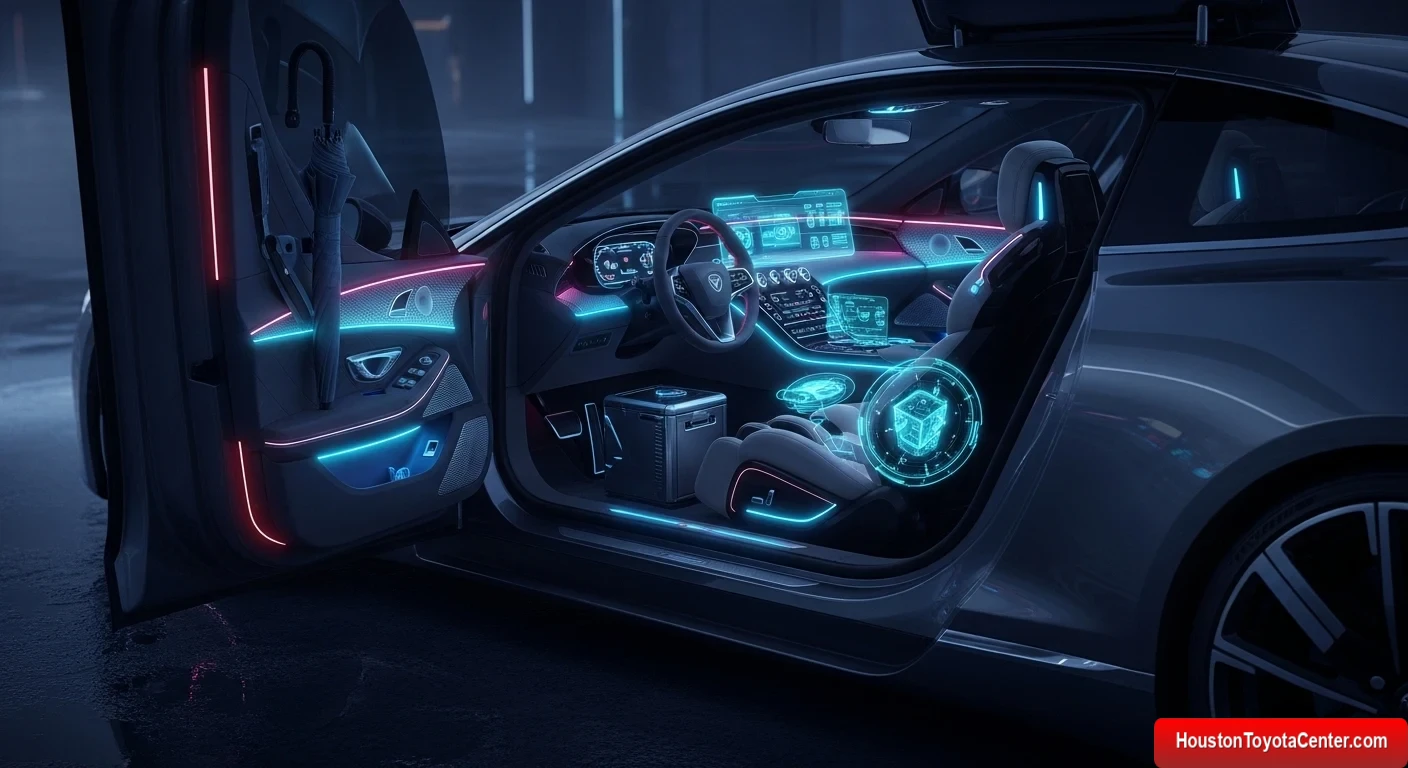
Cars have evolved far beyond simple machines designed to take us from point A to point B. Over the past century, automakers have relentlessly innovated, experimenting with technologies, comforts, and sometimes downright bizarre ideas. While most drivers are familiar with features like air conditioning, GPS navigation, and cruise control, there exists a fascinating world of lesser-known car features—some ingenious, some quirky, and others surprisingly ahead of their time.
This article explores a wide range of unique car features you probably never knew existed. From hidden compartments and built-in umbrellas to night vision systems and self-healing paint, these innovations showcase the creativity and ambition of the automotive industry.
Hidden Compartments and Secret Storage
One of the most intriguing categories of car features involves hidden storage spaces. While glove compartments and center consoles are standard, some vehicles take concealment to another level.
Luxury and high-end vehicles have occasionally included secret compartments designed for valuables. These compartments are often cleverly integrated into the dashboard or beneath seats, making them nearly invisible to anyone unfamiliar with the vehicle. In some cases, they can only be accessed through specific button combinations or electronic releases.
FREE: Quickly identify and understand problems with your vehicle 🚘
CLICK HERECertain SUVs and pickup trucks also feature under-floor storage areas in the trunk or bed. These are particularly useful for keeping tools, emergency kits, or personal belongings safe and out of sight. Some models even include lockable hidden bins, adding an extra layer of security.
Built-In Umbrellas
Imagine stepping out of your car during a sudden downpour and having an umbrella instantly within reach. Some luxury automakers have turned this idea into reality.
These umbrellas are typically stored inside the doors or side panels of the car. They are designed to fit perfectly into their compartments and often come with drainage systems to prevent water from accumulating inside the vehicle after use.
This feature is especially popular in premium sedans, where attention to detail and passenger comfort are top priorities. It may seem like a small addition, but it significantly enhances convenience and showcases thoughtful design.
Night Vision Systems
Driving at night can be challenging, especially on poorly lit roads. Night vision systems are an advanced feature that helps drivers detect obstacles beyond the reach of headlights.
Using infrared cameras, these systems can identify pedestrians, animals, and other objects in complete darkness. The information is displayed on the car’s dashboard or head-up display, allowing drivers to react more quickly to potential hazards.
There are two main types of night vision systems:
- Active systems, which use infrared light emitted by the car
- Passive systems, which detect heat signatures from objects
This technology is particularly useful in rural areas where wildlife crossings are common.
Self-Healing Paint
Scratches and minor abrasions are inevitable for car owners, but what if your car could repair itself?
Self-healing paint is an innovative solution that uses special polymers capable of “flowing” back into place when exposed to heat. This means that minor scratches can disappear over time, especially when the car is parked in the sun or washed with warm water.
Although it doesn’t fix deep damage, it significantly reduces the appearance of everyday wear and tear. This feature is especially appealing for those who want to maintain their car’s aesthetic without frequent detailing.
Gesture Controls
Touchscreens and buttons are becoming increasingly common, but some cars go a step further with gesture controls.
With this feature, drivers can control certain functions—such as volume, navigation, or answering calls—by simply moving their hands in specific ways. Sensors detect these gestures and translate them into commands.
While it might feel futuristic, gesture control is designed to reduce distractions by minimizing the need to look at or touch physical controls. However, it does require some learning and can occasionally misinterpret movements.
Built-In Vacuum Cleaners
Keeping a car clean can be a challenge, especially for families or pet owners. Some vehicles address this issue by including built-in vacuum cleaners.
These vacuums are typically located in the trunk area and come with hoses long enough to reach all parts of the interior. They are powered by the car’s electrical system and are ideal for quick cleanups.
This feature is particularly useful for removing crumbs, dirt, and pet hair without needing external equipment.
Rotating Headlights
Before adaptive LED lighting became standard, some cars featured rotating headlights that turned in the direction of the steering wheel.
This innovation improves visibility when driving around curves, helping drivers see further into corners. It was especially beneficial on winding roads or in areas with limited street lighting.
Modern versions of this concept are more advanced, using sensors and electronics to adjust the direction and intensity of the headlights automatically.
Refrigerated Glove Compartments
On a hot day, having a cold drink within reach can make all the difference. Some vehicles include refrigerated glove compartments or center consoles that keep beverages cool.
These compartments are connected to the car’s air conditioning system, allowing them to maintain lower temperatures. While they may not replace a full refrigerator, they are perfect for short trips or commuting.
Massaging Seats
Comfort is a major focus in modern vehicles, and massaging seats are a prime example of this trend.
These seats use air cushions or mechanical rollers to provide a massage-like experience for the driver and passengers. They can help reduce fatigue during long drives and improve overall comfort.
Different settings allow users to adjust intensity, speed, and massage patterns, making the feature customizable to individual preferences.
Heads-Up Displays (HUD)
Heads-up displays project important information directly onto the windshield, allowing drivers to keep their eyes on the road.
This information can include speed, navigation directions, and safety alerts. By reducing the need to glance down at the dashboard, HUDs enhance both convenience and safety.
Originally inspired by fighter jet technology, this feature has become increasingly common in modern vehicles.
Self-Parking Systems
Parking in tight spaces can be stressful, but self-parking systems take the hassle out of the process.
Using sensors and cameras, these systems can identify suitable parking spots and automatically steer the car into position. The driver typically controls acceleration and braking, while the car handles the steering.
Some advanced systems can even perform parallel and perpendicular parking with minimal input from the driver.
Air Purification Systems
Air quality inside a car can be just as important as outside. Some vehicles include advanced air purification systems that filter out pollutants, allergens, and even bacteria.
These systems use high-efficiency filters and sometimes ionization technology to maintain clean air within the cabin. They are especially beneficial for people with allergies or respiratory issues.
Transparent Trailer View
Towing a trailer can limit visibility, making it difficult to see what’s behind you. Transparent trailer view systems solve this problem by using cameras to create a “see-through” effect.
By combining images from multiple cameras, the system displays a composite view that appears as if the trailer isn’t there. This greatly improves safety and maneuverability when towing.
Solar Panel Roofs
Some cars feature solar panels integrated into the roof. While they may not fully power the vehicle, they can provide supplementary energy.
Common uses include:
- Charging the battery
- Powering ventilation systems
- Running auxiliary features
In certain cases, solar panels help keep the interior cool by powering fans when the car is parked in the sun.
Biometric Access
Instead of traditional keys or key fobs, some vehicles are experimenting with biometric access systems.
These systems use fingerprint scanners or facial recognition to unlock and start the car. This adds an extra layer of security and eliminates the need to carry physical keys.
Adaptive Suspension Systems
Adaptive suspension adjusts the car’s ride characteristics in real time based on road conditions and driving style.
Sensors monitor factors like speed, steering, and surface conditions, allowing the system to optimize comfort and handling. Drivers can often choose between different modes, such as “comfort” or “sport.”
Unusual and Quirky Features
Not all unique car features are practical—some are simply fun or unconventional.
Built-In Coffee Makers
Yes, some cars have experimented with integrated coffee machines. These allow drivers to brew a cup on the go, although they are relatively rare.
Swiveling Seats
Certain vehicles include seats that rotate outward, making it easier to enter and exit the car. This is particularly useful for individuals with mobility challenges.
Starlight Headliners
Some luxury cars feature ceilings embedded with tiny LED lights that mimic a starry night sky. This creates a relaxing and visually stunning interior environment.
Comparison of Unique Features
Below is a table summarizing several of these unique features and their primary benefits:
| Feature | Main Benefit | Common In |
|---|---|---|
| Hidden Compartments | Security and organization | SUVs, luxury cars |
| Built-In Umbrellas | Convenience in bad weather | Luxury sedans |
| Night Vision | Improved nighttime safety | High-end vehicles |
| Self-Healing Paint | Reduced maintenance | Premium models |
| Gesture Controls | Hands-free operation | Modern tech-focused cars |
| Built-In Vacuum | Easy cleaning | Family vehicles |
| Rotating Headlights | Better corner visibility | Older & modern cars |
| Refrigerated Compartments | Beverage cooling | Mid to high-end cars |
| Massaging Seats | Comfort on long drives | Luxury vehicles |
| Heads-Up Display | Safer information access | Modern cars |
| Self-Parking | Easier parking | Urban-focused vehicles |
| Air Purification | Health and comfort | Premium vehicles |
| Transparent Trailer View | Safer towing | Trucks and SUVs |
| Solar Roof | Energy efficiency | Eco-friendly cars |
| Biometric Access | Enhanced security | Experimental models |
Why These Features Matter
While some of these features may seem like luxuries or novelties, many serve important purposes:
- Safety: Night vision, heads-up displays, and adaptive lighting reduce risks.
- Convenience: Built-in vacuums, umbrellas, and self-parking systems simplify everyday tasks.
- Comfort: Massaging seats and air purification systems improve the driving experience.
- Innovation: Features like biometric access and solar roofs push the boundaries of what cars can do.
Automakers often use these innovations to differentiate themselves in a competitive market. Over time, features that once seemed extravagant can become standard, much like power windows and backup cameras did in the past.
The Future of Unique Car Features
As technology continues to advance, we can expect even more surprising features in future vehicles. Artificial intelligence, augmented reality, and connectivity will play major roles in shaping the next generation of cars.
Possible future developments include:
- Fully autonomous driving systems
- Advanced health monitoring داخل the car
- Augmented reality windshields
- Personalized AI assistants that learn driver preferences
The line between car and smart device is becoming increasingly blurred, opening up endless possibilities for innovation.
Final Thoughts
The automotive world is full of hidden gems—features that range from incredibly practical to delightfully eccentric. Whether it’s a built-in umbrella for rainy days, a night vision system for safer driving, or self-healing paint that keeps your car looking new, these innovations reflect the creativity and ambition of engineers and designers.
Even if you never encounter some of these features firsthand, they highlight an important truth: cars are no longer just machines. They are evolving into sophisticated, intelligent spaces designed to enhance every aspect of the driving experience.
So the next time you step into a car, take a closer look—you might just discover a feature you never knew existed.
Leave a Reply