
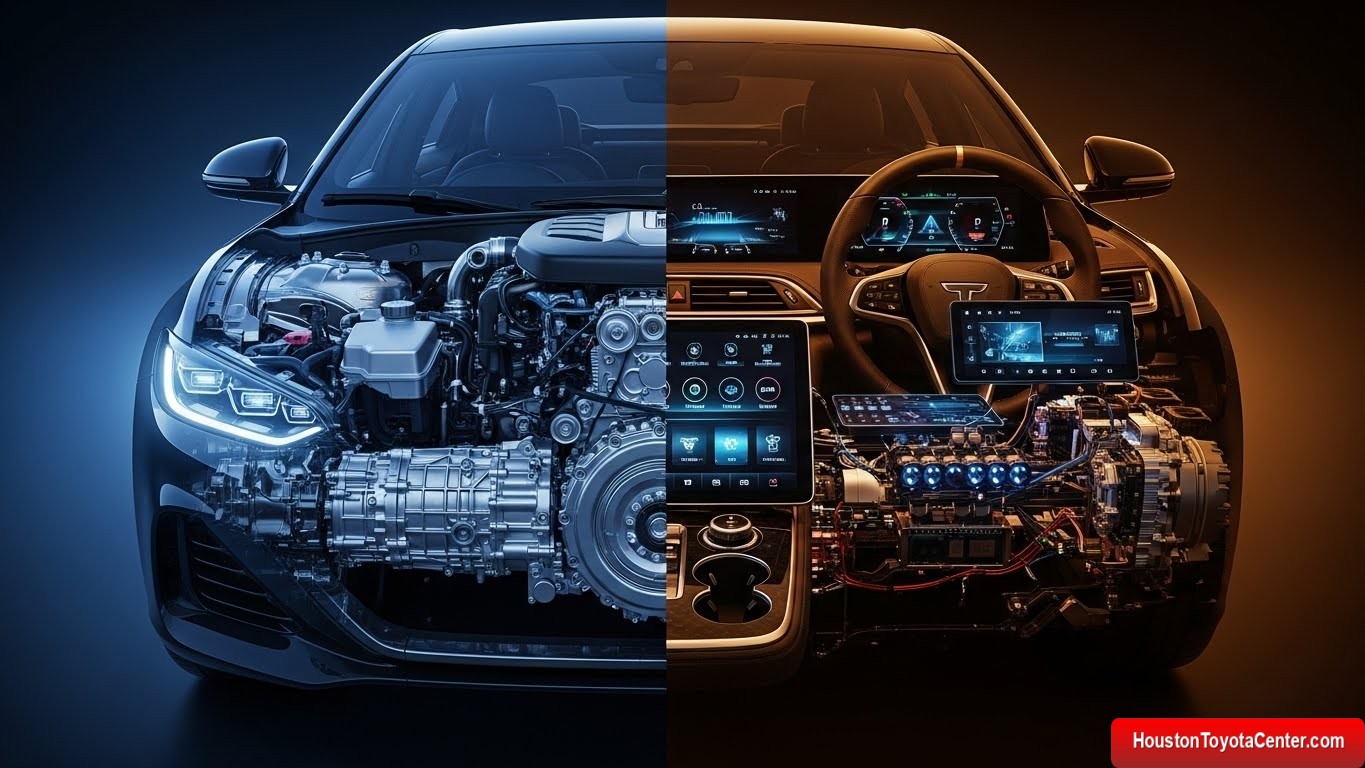
Buying a car—whether brand new or used—is one of the most significant financial decisions many people make. Along with the excitement of owning a vehicle comes an important but often misunderstood aspect of car ownership: the warranty. Car warranties can protect you from unexpected repair costs, but only if you truly understand what they cover, what they exclude, and how long that protection lasts.
Two of the most common warranty types you will encounter are bumper-to-bumper warranties and powertrain warranties. These terms are frequently used by dealerships and manufacturers, yet many consumers remain unclear about their real differences. Misunderstanding them can lead to costly surprises when a repair bill arrives and you assume something is covered when it is not.
This article provides an in-depth, practical, and consumer-focused explanation of bumper-to-bumper warranties versus powertrain warranties. By the end, you will know exactly what each warranty includes, how they differ, when each one matters most, and how to use them wisely to protect your investment.
What Is a Car Warranty?
A car warranty is essentially a contractual promise made by a manufacturer or warranty provider to repair or replace certain vehicle components if they fail within a specified period or mileage limit.
FREE: Quickly identify and understand problems with your vehicle 🚘
CLICK HEREWarranties are not insurance policies. Instead, they guarantee that defects in materials or workmanship will be corrected at no cost (or minimal cost) to the owner, provided the issue meets the warranty terms.
Car warranties exist to:
- Protect consumers from manufacturing defects
- Build trust in a brand’s reliability
- Reduce the financial risk of ownership
- Increase resale value
Most new vehicles come with multiple warranties, not just one. These can include:
- Bumper-to-bumper warranty
- Powertrain warranty
- Corrosion or rust warranty
- Emissions warranty
- Roadside assistance coverage
Among these, bumper-to-bumper and powertrain warranties are the most important and widely discussed.
Understanding the Bumper-to-Bumper Warranty
What “Bumper-to-Bumper” Really Means
Despite the name, a bumper-to-bumper warranty does not literally cover everything from the front bumper to the rear bumper. This is one of the most common misconceptions among car buyers.
A bumper-to-bumper warranty covers most vehicle components, excluding parts that naturally wear out over time or require regular maintenance.
It focuses on:
- Electrical systems
- Interior components
- Infotainment and technology
- Air conditioning and heating
- Suspension and steering components
- Safety systems (with limitations)
In essence, it covers nearly all parts except those explicitly excluded.
Typical Duration of a Bumper-to-Bumper Warranty
Most manufacturers offer bumper-to-bumper coverage for:
- 3 years / 36,000 miles (very common)
- Some brands extend this to 4 years / 50,000 miles
- Luxury brands may offer variations with added benefits
Whichever limit is reached first—time or mileage—ends the warranty.
What Is Usually Covered
Below is a general overview of components commonly covered under a bumper-to-bumper warranty:
| Covered Components | Examples |
|---|---|
| Electrical systems | Power windows, sensors, wiring |
| Infotainment | Touchscreens, navigation, audio |
| Climate control | A/C compressor, heater controls |
| Interior features | Seat motors, dashboard electronics |
| Safety features | Airbag sensors, backup cameras |
| Suspension & steering | Control arms, electronic steering |
Coverage applies only to defects, not damage caused by accidents, neglect, or modifications.
What Is NOT Covered
Even during the bumper-to-bumper period, certain items are excluded:
| Excluded Items | Reason |
|---|---|
| Brake pads & rotors | Normal wear |
| Tires | Wear and road damage |
| Wiper blades | Consumable |
| Oil changes | Routine maintenance |
| Clutch (manual) | Driver-dependent wear |
| Cosmetic damage | Environmental or user-related |
Understanding exclusions is critical. Many owners mistakenly assume wear items are included.
Why Bumper-to-Bumper Warranties Matter Most Early On
The bumper-to-bumper warranty is most valuable during the first few years of ownership, when:
- Technology-related issues are most likely
- Software and sensor failures appear
- Manufacturing defects reveal themselves
Modern vehicles rely heavily on electronics, and these components are often expensive to diagnose and replace. A bumper-to-bumper warranty can save thousands of dollars during this period.
Understanding the Powertrain Warranty
What Is the Powertrain?
The powertrain refers to the components that generate power and deliver it to the wheels. These are the mechanical heart of the vehicle.
The powertrain typically includes:
- Engine
- Transmission
- Driveshaft
- Differential
- Axles
If the bumper-to-bumper warranty is about comfort and technology, the powertrain warranty is about mobility and survival of the vehicle.
Typical Duration of a Powertrain Warranty
Powertrain warranties almost always last longer than bumper-to-bumper warranties.
Common coverage terms include:
- 5 years / 60,000 miles
- 6 years / 70,000 miles
- 10 years / 100,000 miles (some brands)
This longer coverage reflects the importance and cost of these components.
What Is Covered Under a Powertrain Warranty
| Component | Coverage Examples |
|---|---|
| Engine | Cylinder block, pistons, timing chain |
| Transmission | Gear sets, torque converter |
| Drivetrain | Driveshaft, CV joints |
| Differential | Internal gears, bearings |
Failures covered are typically due to manufacturing defects, not abuse or lack of maintenance.
What Is Not Covered
Powertrain warranties are narrower than many people expect.
Excluded items often include:
- Sensors and electronics attached to engine
- Clutch assemblies
- Cooling hoses
- Belts and filters
- Fluids and maintenance services
For example, a failed engine control sensor may not be covered, even though it affects engine performance.
Bumper-to-Bumper vs. Powertrain: Key Differences
| Feature | Bumper-to-Bumper | Powertrain |
|---|---|---|
| Scope | Broad | Narrow |
| Focus | Electronics, comfort, safety | Engine & drivetrain |
| Duration | Shorter | Longer |
| Repair frequency | Higher | Lower |
| Cost of failure | Moderate | Very high |
Bumper-to-bumper warranties deal with many smaller issues, while powertrain warranties protect against rare but catastrophic failures.
Which Warranty Is More Important?
The answer depends on how you use your car and how long you plan to keep it.
Short-Term Ownership
If you plan to sell or trade in your car within 3–4 years:
- Bumper-to-bumper warranty matters more
- Technology issues are more likely
Long-Term Ownership
If you keep vehicles for 7–10 years:
- Powertrain warranty becomes crucial
- Major mechanical failures are your biggest risk
How Driving Habits Affect Warranty Value
Your driving style significantly impacts warranty usefulness.
| Driving Style | Best Coverage Focus |
|---|---|
| City driving | Bumper-to-bumper |
| Highway commuting | Powertrain |
| Heavy towing | Powertrain |
| Tech-heavy use | Bumper-to-bumper |
Aggressive driving or skipped maintenance can void coverage entirely.
Used Cars and Warranty Considerations
When buying used, warranties may:
- Transfer to the new owner
- Be partially expired
- Require registration
Certified pre-owned (CPO) vehicles often include extended powertrain warranties but limited bumper-to-bumper coverage.
Extended Warranties: Are They Worth It?
Extended warranties attempt to fill the gap after factory warranties expire.
Pros:
- Budget predictability
- Peace of mind
- Coverage for expensive repairs
Cons:
- High upfront cost
- Exclusions and claim limits
- Deductibles
Extended warranties are most valuable for:
- Luxury vehicles
- Technology-heavy models
- Owners planning long-term use
Common Warranty Myths
- “Bumper-to-bumper covers everything”
False. Many exclusions apply. - “I can’t service my car elsewhere”
False. You can choose independent shops if records are kept. - “Used cars have no warranty”
False. Many warranties transfer.
How to Avoid Warranty Claim Denials
- Follow the maintenance schedule
- Keep all service records
- Avoid aftermarket modifications
- Address warning lights immediately
Failure to do so gives manufacturers grounds to deny coverage.
Real-World Cost Comparison
| Repair Type | Estimated Cost | Covered By |
|---|---|---|
| Touchscreen replacement | $1,500 | Bumper-to-bumper |
| Transmission rebuild | $4,000–$8,000 | Powertrain |
| Engine replacement | $6,000–$12,000 | Powertrain |
| A/C compressor | $1,200 | Bumper-to-bumper |
These numbers illustrate why both warranties matter in different ways.
The Future of Car Warranties
As vehicles become more electric and software-driven:
- Bumper-to-bumper coverage is expanding
- Powertrain definitions are changing
- Battery warranties are becoming critical
Electric vehicles often replace traditional powertrain warranties with battery and motor warranties, sometimes lasting 8–10 years.
Final Thoughts
Understanding the difference between bumper-to-bumper and powertrain warranties empowers you to make smarter decisions, avoid frustration, and protect your finances. These warranties are not interchangeable; they serve different purposes at different stages of vehicle ownership.
A well-informed car owner:
- Reads warranty documents carefully
- Matches coverage to ownership goals
- Maintains the vehicle responsibly
When used correctly, warranties are not just fine print—they are powerful tools that can save you thousands of dollars and countless headaches over the life of your car.
Leave a Reply