
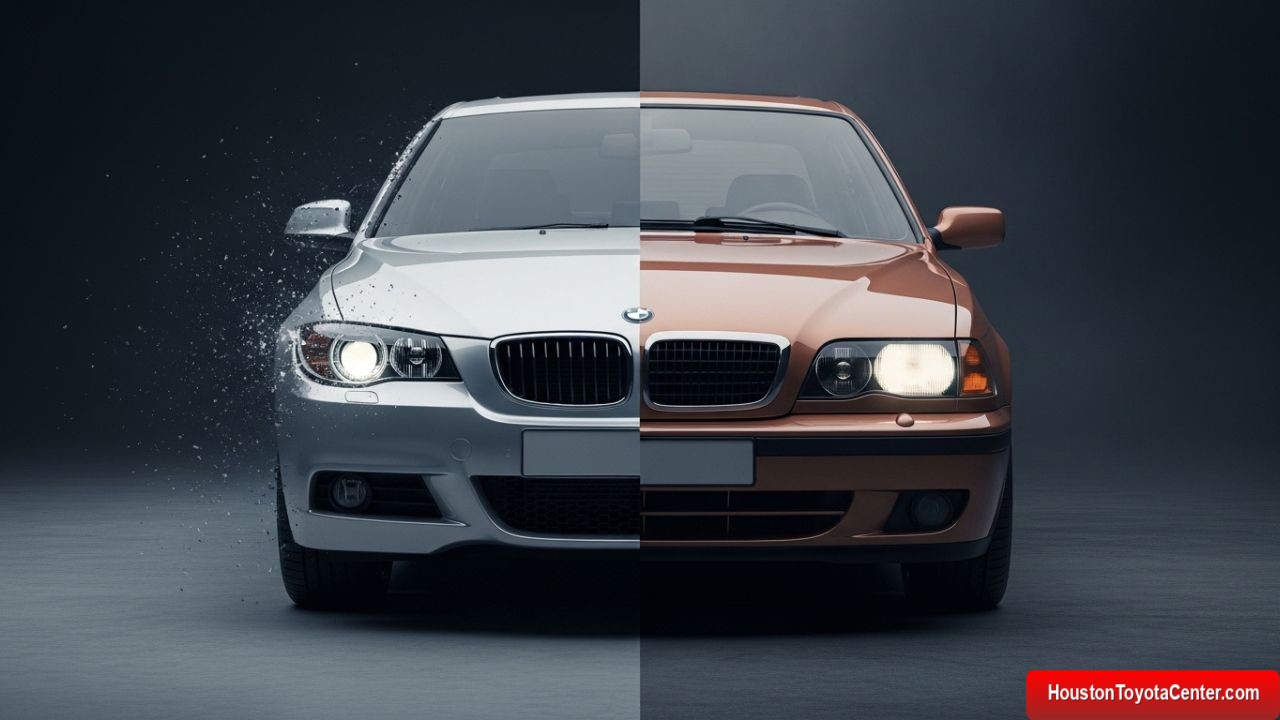
Buying a car is one of the largest financial decisions most people make, second only to purchasing a home in many cases. Yet unlike real estate, cars almost never appreciate in value. The moment a new vehicle leaves the dealership, it begins to lose worth—a process known as depreciation. While depreciation is inevitable, the rate at which it happens varies dramatically between models, brands, powertrains, and even colors.
Understanding car depreciation is not just a concern for accountants or automotive analysts. It affects everyday drivers, families choosing a reliable SUV, business owners managing fleet costs, and enthusiasts debating whether a dream car is financially sensible. Choosing a vehicle that holds its value well can save thousands of dollars over the years, lower total cost of ownership, and provide greater flexibility when it’s time to sell or trade in.
This article takes a deep dive into how car depreciation works, the factors that influence it, and—most importantly—which models historically hold their value best. Whether you plan to keep your next car for three years or fifteen, understanding depreciation gives you a powerful advantage.
What Is Car Depreciation?
Car depreciation refers to the reduction in a vehicle’s value over time due to wear, aging, market conditions, and changing consumer preferences. Unlike fuel or insurance costs, depreciation is often an invisible expense—you don’t pay it directly, but you feel it when selling or trading in your car.
FREE: Quickly identify and understand problems with your vehicle 🚘
CLICK HEREMost new vehicles lose value fastest in their first few years. On average:
- A new car loses 20–30% of its value in the first year
- Around 40–50% after three years
- Up to 60% or more after five years
However, these are averages. Some cars beat the curve dramatically, while others depreciate far faster.
Why Depreciation Varies So Much Between Cars
Not all cars are created equal in the eyes of the used-car market. Several key forces determine how well a vehicle holds its value.
Brand Reputation and Perceived Reliability
Brands known for long-term reliability and durability tend to depreciate more slowly. Buyers are willing to pay more for a used car if they believe it will last another decade with minimal issues.
Examples of strong depreciation performers due to reputation include:
- Toyota
- Lexus
- Honda
- Subaru
Supply and Demand Dynamics
Cars that are in constant demand—especially when supply is limited—retain value better. Vehicles with long waitlists, low production numbers, or strong cultural appeal often defy typical depreciation patterns.
Vehicle Segment and Body Style
Certain segments historically hold value better than others:
- Pickup trucks often outperform sedans
- SUVs tend to depreciate more slowly than compact cars
- Sports cars vary widely depending on brand and rarity
- Luxury sedans typically depreciate faster than mainstream equivalents
Powertrain and Fuel Type
Fuel efficiency, engine longevity, and maintenance complexity matter. Hybrid and electric vehicles have introduced new depreciation patterns, especially as battery technology improves and replacement costs decline.
Maintenance Costs and Ownership Experience
Vehicles with affordable maintenance, readily available parts, and widespread service networks retain value better than those with high repair costs or specialized servicing needs.
New vs Used: Where Depreciation Hits Hardest
One of the most important depreciation realities is timing.
- New cars absorb the steepest depreciation
- Used cars experience a slower, more predictable decline
This is why buying a lightly used vehicle (2–3 years old) is often considered financially smart—you let the first owner take the biggest hit.
However, some vehicles depreciate so slowly that buying new can still make sense, especially if incentives, warranties, and resale value are factored in.
Vehicles That Traditionally Hold Their Value Best
Below are categories and specific models that consistently rank among the best for resale value.
Pickup Trucks: The Depreciation Champions
Pickup trucks are among the strongest performers when it comes to value retention, particularly in North America.
Why Trucks Depreciate Slowly
- Strong demand from both personal and commercial buyers
- Proven durability and long service life
- High utility value even at older ages
- Cultural significance in many regions
Top Pickup Trucks for Value Retention
| Model | Estimated 5-Year Value Retention | Key Reasons |
|---|---|---|
| Toyota Tacoma | ~65–70% | Legendary reliability, strong resale demand |
| Toyota Tundra | ~60–65% | Durability, loyal buyer base |
| Ford F-150 | ~55–60% | Market dominance, wide parts availability |
| Chevrolet Silverado | ~50–55% | Strong fleet and private demand |
| GMC Sierra | ~50–55% | Premium truck appeal |
The Toyota Tacoma consistently ranks as one of the best vehicles in the world for holding value, often outperforming luxury cars and sports cars alike.
SUVs and Crossovers: Practicality Pays Off
SUVs have become the dominant vehicle type globally, and depreciation trends reflect that popularity.
Compact and Midsize SUVs That Hold Value Well
| Model | Estimated 5-Year Retention | Notes |
|---|---|---|
| Toyota 4Runner | ~65% | Body-on-frame durability |
| Subaru Crosstrek | ~60% | AWD standard, outdoors appeal |
| Honda CR-V | ~55% | Reliability, family-friendly |
| Toyota RAV4 | ~55% | Hybrid options boost demand |
| Jeep Wrangler | ~70% | Unique design, off-road credibility |
The Jeep Wrangler is a standout anomaly—it often depreciates slower than nearly any other SUV, largely due to its cult following and modular design.
Sedans: A Mixed Depreciation Story
Sedans, especially midsize and full-size models, tend to depreciate faster than SUVs. However, some exceptions remain.
Sedans With Strong Resale Value
| Model | 5-Year Retention | Why It Performs Well |
|---|---|---|
| Toyota Corolla | ~55% | Bulletproof reliability |
| Honda Civic | ~55–60% | Youth appeal, efficiency |
| Toyota Camry | ~50–55% | Fleet and private demand |
| Subaru WRX | ~60% | Enthusiast demand |
Performance-oriented sedans with manual transmissions often fare better due to niche demand.
Luxury Cars: Prestige vs Depreciation
Luxury vehicles offer advanced technology, premium materials, and status—but depreciation is their biggest downside.
Why Luxury Cars Depreciate Faster
- High new-car prices
- Expensive maintenance and repairs
- Rapid tech obsolescence
- Frequent redesigns
However, not all luxury brands are equal.
Luxury Models That Hold Value Better Than Average
| Model | 5-Year Retention | Brand Strength |
|---|---|---|
| Lexus GX | ~60% | Toyota reliability |
| Lexus RX | ~55% | Strong hybrid demand |
| Porsche 911 | ~65–75% | Iconic status |
| Porsche Macan | ~55% | Sporty luxury SUV |
| Mercedes-Benz G-Class | ~70% | Scarcity, cult appeal |
The Porsche 911 is especially notable—it has historically outperformed inflation in certain markets due to collectibility and consistent demand.
Sports Cars and Enthusiast Vehicles
Sports cars are highly unpredictable in depreciation terms. Some crash in value, others become icons.
Factors That Help Sports Cars Hold Value
- Manual transmission availability
- Limited production
- Strong enthusiast communities
- Motorsport heritage
Sports Cars With Strong Value Retention
| Model | Approx. 5-Year Retention |
|---|---|
| Porsche 911 | 65–75% |
| Toyota GR Supra | 55–60% |
| Chevrolet Corvette | 55–65% |
| Mazda MX-5 Miata | 60% |
| BMW M2 | 55–60% |
Electric Vehicles and Depreciation: A New Frontier
Electric vehicles (EVs) are reshaping depreciation models.
Why EV Depreciation Has Been Volatile
- Rapid battery improvements
- Government incentives affecting new prices
- Uncertainty about long-term battery health
EVs With Improving Resale Performance
| Model | Trend |
|---|---|
| Tesla Model 3 | Stabilizing depreciation |
| Tesla Model Y | Strong demand |
| Hyundai Kona Electric | Improving |
| Ford Mustang Mach-E | Market dependent |
As charging infrastructure improves and battery warranties lengthen, EV depreciation curves are becoming more predictable.
Colors, Trims, and Options: Small Choices, Big Impact
Even small configuration decisions affect resale value.
Colors That Hold Value Best
- White
- Black
- Silver
- Gray
- Blue (on sporty models)
Unusual colors can hurt resale unless tied to a cult model.
Options That Improve Resale
- All-wheel drive
- Hybrid powertrains
- Safety technology packages
- Popular infotainment systems
Ownership Behavior and Its Impact on Depreciation
How you treat your car matters almost as much as what you buy.
Factors That Reduce Depreciation Loss
- Regular maintenance records
- Low mileage relative to age
- Clean accident history
- Garage storage
- Minimal modifications
Cars with complete service histories often sell for 10–20% more than comparable neglected examples.
Depreciation vs Total Cost of Ownership
Depreciation should not be viewed in isolation. A car that depreciates slowly but costs more to maintain may not be cheaper overall.
Key cost factors to evaluate together:
- Depreciation
- Fuel or electricity
- Insurance
- Maintenance and repairs
- Taxes and registration
The best financial choice is often the vehicle with the lowest total ownership cost, not just the best resale value.
Buying Strategies to Minimize Depreciation Loss
Smart buyers use depreciation to their advantage.
Proven Strategies
- Buy 2–3 years used
- Choose high-demand trims
- Avoid first-year redesigns
- Skip over-customization
- Sell before major mileage milestones (e.g., 100,000 miles)
Timing your sale just before a new generation launch can also protect resale value.
The Psychological Side of Depreciation
Depreciation is not purely financial—it’s emotional. People often overvalue features they personally love while underestimating market preferences.
Understanding depreciation helps separate personal enjoyment from financial reality, allowing buyers to make intentional trade-offs rather than accidental ones.
Conclusion: Choosing Value Without Sacrificing Joy
Car depreciation is unavoidable, but it is not uncontrollable. By understanding how and why vehicles lose value, buyers can make smarter decisions that balance enjoyment, practicality, and financial sense.
Models like the Toyota Tacoma, Jeep Wrangler, Lexus GX, and Porsche 911 prove that strong resale value is not limited to one segment or price point. The key is aligning your needs with long-term demand and realistic ownership expectations.
A car should still make you happy—but it doesn’t have to make your wallet unhappy too.
Leave a Reply