When a household grows beyond the typical two or three passengers, transportation becomes more than a matter of convenience—it becomes a daily logistics challenge. Large families need vehicles that can handle multiple passengers, luggage, school runs, grocery trips, long-distance travel, sports equipment, and sometimes even towing or light off-road adventures. In this context, SUVs have become one of the most popular solutions worldwide, and few manufacturers are as consistently trusted in this space as Toyota.
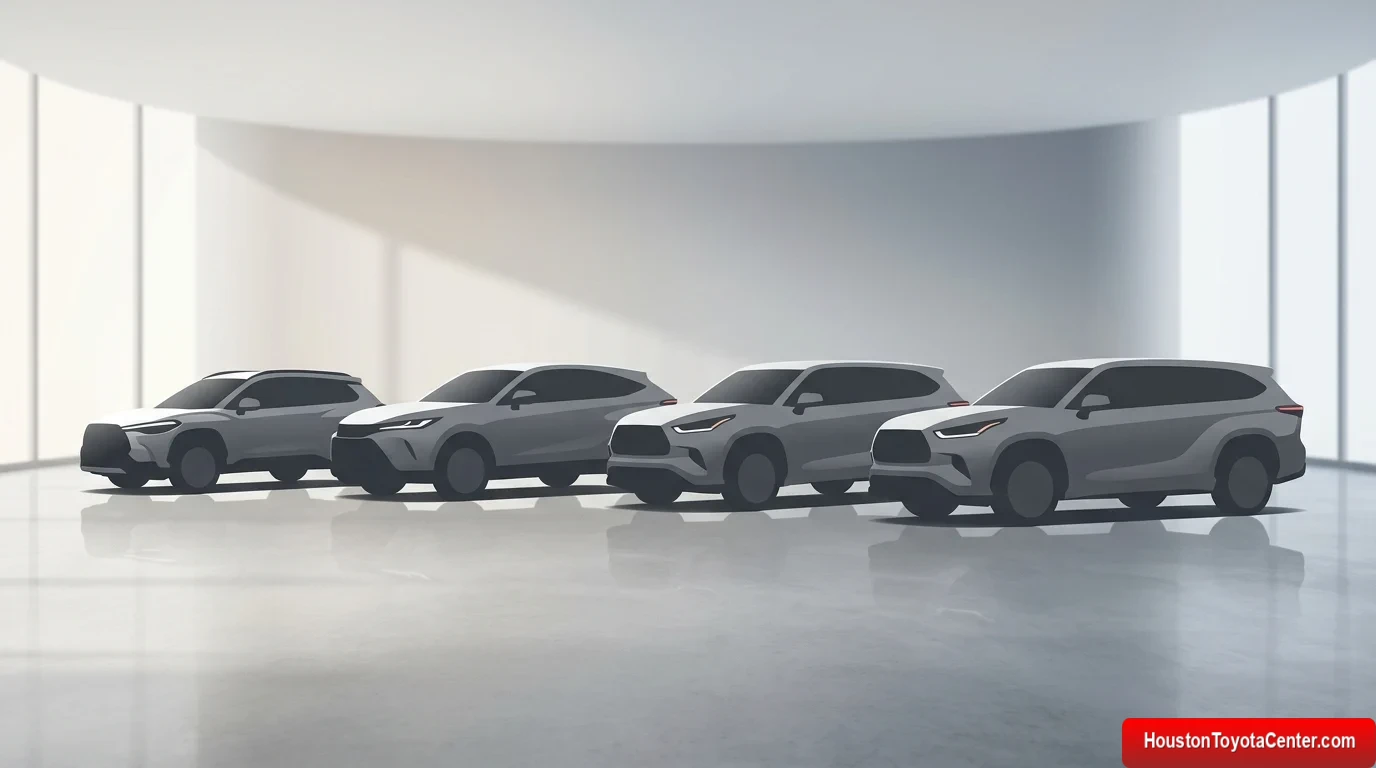
Toyota’s SUV lineup has evolved significantly over the past two decades, shifting from rugged, truck-based utility vehicles into a diverse ecosystem of family-friendly options that blend comfort, safety, fuel efficiency, and reliability. From midsize three-row crossovers to full-size body-on-frame SUVs, Toyota offers a spectrum of choices tailored to different types of large families.
This article explores the best Toyota SUVs for large families in detail, examining interior space, seating configuration, cargo capacity, performance, safety systems, and real-world usability. It also compares models side by side to help families understand which SUV best fits their lifestyle.
What Makes an SUV Suitable for Large Families?
Before diving into specific models, it is important to define what “large family SUV” actually means in practical terms. A suitable vehicle must satisfy several core requirements:
FREE: Quickly identify and understand problems with your vehicle 🚘
CLICK HERE1. Seating Capacity
Most large families need at least 6–8 seats. The third row should be usable for adults or at least teenagers, not just small children.
2. Cargo Space
A family SUV must carry luggage even when all seats are occupied. Vacation trips often require strollers, suitcases, sports gear, and more.
3. Safety Features
Advanced driver assistance systems are essential, including adaptive cruise control, lane keeping assist, blind spot monitoring, and automatic emergency braking.
4. Reliability
Families depend on their vehicles daily. Long-term durability and low maintenance costs are crucial.
5. Comfort for Long Trips
Seat comfort, climate control zones, noise insulation, and infotainment systems play a major role in reducing fatigue.
6. Fuel Efficiency
Large SUVs can consume significant fuel, so efficiency matters, especially for daily commuting.
7. Versatility
The ability to tow, handle rough roads, or accommodate changing family needs adds long-term value.
Toyota’s SUV lineup addresses these needs in different ways, depending on size and design philosophy.
Overview of Toyota SUVs for Large Families
Below is a simplified comparison of major Toyota SUV options commonly considered for large families:
| Model | Seating Capacity | Vehicle Type | Strengths | Best For |
|---|---|---|---|---|
| Toyota Highlander | 7–8 | Midsize SUV | Balanced size, efficiency, comfort | Urban families |
| Toyota Grand Highlander | 7–8 | Large midsize SUV | Extra space, better third row | Growing families |
| Toyota Sequoia | 7–8 | Full-size SUV | Power, towing, space | Large households, towing needs |
| Toyota Land Cruiser | 5–7 | Luxury off-road SUV | Durability, off-road capability | Adventure families |
| Toyota 4Runner | 5–7 | Mid-size rugged SUV | Off-road focus, reliability | Outdoor-focused families |
Each model serves a different type of family lifestyle. Let’s break them down in detail.
Toyota Highlander: The Balanced Family SUV
The Toyota Highlander is often the starting point for families entering the three-row SUV segment. It is one of Toyota’s most popular global models thanks to its balance between size, comfort, and fuel efficiency.
Interior and Seating
The Highlander offers seating for up to eight passengers, depending on configuration. The second row can be either bench seating or captain’s chairs, which improve comfort but reduce capacity to seven.
The third row is best suited for children or shorter trips for adults. While usable, it is not the most spacious in its class.
Cargo Capacity
With all seats in use, cargo space is limited, but folding the third row dramatically increases practicality. This makes it suitable for families who do not always travel with all seats occupied.
Driving Experience
The Highlander is smooth, quiet, and easy to drive in cities. It feels more like a large car than a heavy SUV, which is a major advantage for urban families.
Fuel Efficiency
One of the Highlander’s strongest advantages is its hybrid option, which significantly improves fuel economy compared to traditional V6 SUVs.
Ideal Use Case
- Families with 2–4 children
- Daily commuting and school runs
- Occasional road trips
Toyota Grand Highlander: Space Without Full-Size Bulk
The Toyota Grand Highlander is designed to solve one of the biggest criticisms of the standard Highlander: limited third-row space.
Interior Improvement
The Grand Highlander is significantly larger inside, especially in the third row. Adults can sit comfortably for longer journeys, making it a true family travel vehicle.
Cargo Flexibility
Even with all seats up, cargo space is more usable. With the third row folded, it becomes highly competitive with larger SUVs.
Comfort Features
Toyota designed this model with long-distance comfort in mind. It includes improved seating ergonomics, better airflow distribution, and more rear passenger amenities.
Why Families Choose It
- Better third-row usability than Highlander
- Still manageable size for urban driving
- Excellent balance between space and efficiency
Ideal Use Case
- Families with 3+ children
- Road-trip-heavy lifestyles
- Parents needing real third-row seating for teens/adults
Toyota Sequoia: Full-Size Powerhouse
The Toyota Sequoia represents Toyota’s largest mainstream SUV. It is built on a truck platform, giving it exceptional strength and capability.
Space and Seating
The Sequoia comfortably seats seven or eight passengers, depending on configuration. All three rows are more spacious than midsize SUVs, especially the third row, which is genuinely usable for adults.
Cargo and Utility
Even with passengers, the Sequoia offers generous cargo space. With seats folded, it becomes a massive utility vehicle capable of handling large luggage loads or equipment.
Performance and Towing
This is where the Sequoia shines. Its powerful hybrid V6 engine provides strong towing capacity, making it ideal for families with boats, trailers, or campers.
Ride Quality
Because it is body-on-frame, the ride is less car-like than crossover SUVs, but modern suspension tuning has improved comfort significantly.
Ideal Use Case
- Large families (5+ members)
- Towing needs (boats, trailers)
- Long road trips with heavy luggage
- Families needing maximum space
Toyota Land Cruiser: Luxury Meets Durability
The Toyota Land Cruiser is legendary for its durability and off-road capability. While traditionally seen as an adventure vehicle, it also serves as a premium family SUV.
Interior Experience
The Land Cruiser typically offers seating for 5–7 passengers depending on market configuration. The interior is more luxurious than rugged SUVs, with high-quality materials and advanced technology.
Off-Road Capability
Few SUVs can match the Land Cruiser’s ability to handle extreme terrain. This makes it ideal for families who travel to remote areas or enjoy outdoor exploration.
Comfort and Prestige
It combines rugged capability with premium comfort, making it one of the most versatile luxury SUVs in Toyota’s lineup.
Ideal Use Case
- Adventure-oriented families
- Long-distance travel in remote regions
- Buyers prioritizing durability and prestige
Toyota 4Runner: The Rugged Family Explorer
The Toyota 4Runner is one of the most durable SUVs in Toyota’s lineup. It is less focused on comfort and more on reliability and off-road performance.
Seating and Space
It can accommodate up to seven passengers in some configurations, but the third row is tight and best suited for occasional use.
Off-Road Strength
The 4Runner excels in rough terrain, making it ideal for families who enjoy camping, hiking, or outdoor sports.
Interior Simplicity
The interior is more utilitarian compared to newer SUVs, but this simplicity contributes to its long-term durability.
Ideal Use Case
- Outdoor adventure families
- Buyers prioritizing reliability over luxury
- Occasional third-row use
Comfort and Interior Technology Across Toyota SUVs
Modern Toyota SUVs emphasize safety and convenience technologies across all models. Key features commonly found include:
- Toyota Safety Sense suite (lane assist, adaptive cruise control, collision prevention)
- Multi-zone climate control
- Rear-seat entertainment options (in higher trims)
- Wireless smartphone connectivity
- USB-C charging ports throughout the cabin
In larger models like the Sequoia and Grand Highlander, rear passengers benefit from significantly improved comfort, including better legroom and climate control distribution.
Safety: A Core Strength of Toyota SUVs
Safety is one of Toyota’s strongest selling points. Across all family-oriented SUVs, the brand integrates advanced safety systems as standard or widely available features.
Key safety technologies include:
- Pre-collision detection systems
- Pedestrian and cyclist detection
- Adaptive cruise control
- Lane departure alert with steering assist
- Blind spot monitoring
- Rear cross-traffic alert
For large families, these systems reduce the stress of driving a large vehicle and significantly improve accident prevention.
Cargo Space and Practical Usage
One of the most important factors for families is cargo versatility. Here is how Toyota SUVs compare in real-world usage:
- Highlander: Good when third row is folded; limited when fully occupied
- Grand Highlander: Strong all-around cargo flexibility
- Sequoia: Excellent even with passengers
- Land Cruiser: Balanced but less cargo-focused than Sequoia
- 4Runner: Adequate but less efficient space usage
Families who travel frequently or carry bulky items tend to prefer larger models like the Sequoia or Grand Highlander.
Fuel Economy Considerations
Fuel economy varies significantly:
- Highlander (Hybrid): Best efficiency in the lineup
- Grand Highlander: Good efficiency for its size
- Sequoia: Moderate efficiency due to size and power
- Land Cruiser: Lower efficiency but balanced by durability
- 4Runner: Moderate to low efficiency due to older engine design
Hybrid systems in newer Toyota SUVs have greatly improved fuel economy, making large-family ownership more affordable over time.
Choosing the Right Toyota SUV for Your Family
Selecting the right SUV depends on lifestyle rather than size alone.
Urban Families
Best choice: Highlander or Grand Highlander
Why: Easier parking, better efficiency, sufficient space
Growing Families
Best choice: Grand Highlander
Why: Real third-row usability, balanced size
Large Families with Frequent Travel
Best choice: Sequoia
Why: Maximum space, towing capability
Adventure-Oriented Families
Best choice: Land Cruiser or 4Runner
Why: Off-road capability and durability
Long-Term Ownership Value
Toyota vehicles are known for exceptional reliability and resale value. For large families, this means:
- Lower long-term maintenance costs
- Strong resale value after several years
- Proven engine and drivetrain durability
- Wide availability of parts and service
This is especially important for families who plan to keep their SUV for 10+ years.
Final Thoughts
Toyota’s SUV lineup offers one of the most complete solutions for large families in the global automotive market. Whether a family needs efficiency, maximum space, off-road capability, or towing strength, there is a Toyota SUV designed to meet that need.
From the practical Toyota Highlander to the spacious Toyota Grand Highlander, the powerful Toyota Sequoia, the adventurous Toyota Land Cruiser, and the rugged Toyota 4Runner, Toyota provides a structured ladder of choices that scale with family needs.
For large families, the decision is not simply about buying an SUV—it is about choosing a long-term mobility platform that supports everyday life, vacations, safety, and future growth. Toyota’s consistency in reliability and engineering makes its SUVs some of the most trusted options in this category worldwide.
Leave a Reply