
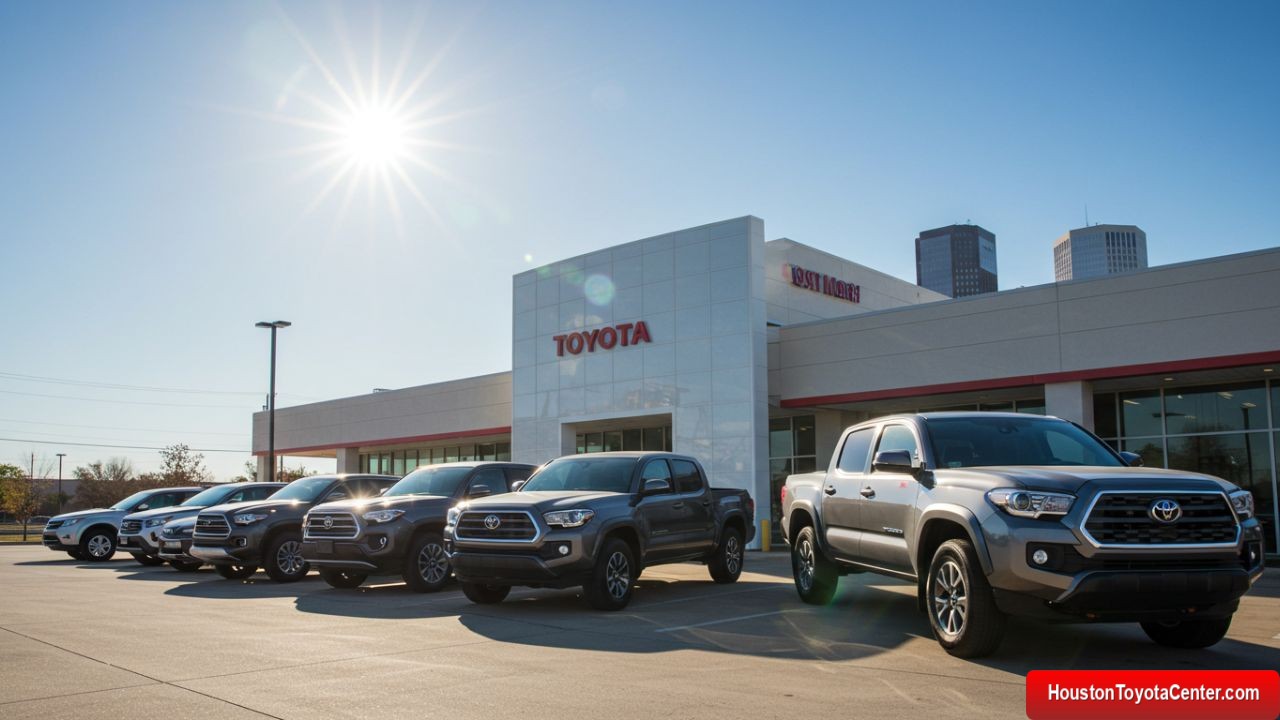
The Toyota Corolla stands as one of the most iconic and beloved vehicles in automotive history. Since its introduction in 1966, this compact sedan has evolved from a simple economy car into a sophisticated, reliable, and technologically advanced vehicle that appeals to drivers across all demographics. With over 50 million units sold worldwide, the Corolla has earned its reputation as the best-selling car of all time, a testament to its enduring appeal and unwavering commitment to quality. Whether you’re a first-time car buyer, a budget-conscious commuter, or someone seeking a dependable daily driver, understanding the intricacies of purchasing a Toyota Corolla can make the difference between a satisfactory purchase and an exceptional ownership experience.
Understanding the Toyota Corolla Legacy
The Toyota Corolla’s journey began during a transformative period in the automotive industry, when manufacturers were beginning to recognize the growing demand for fuel-efficient, affordable vehicles. What started as a modest compact car has grown into a global phenomenon, with each generation building upon the strengths of its predecessors while incorporating modern innovations and addressing contemporary consumer needs. Today’s Corolla represents the culmination of decades of engineering excellence, manufacturing precision, and customer feedback integration.
The current generation Corolla, introduced for the 2019 model year and refreshed in subsequent years, showcases Toyota’s latest design philosophy and technological advancements. The vehicle strikes an impressive balance between practicality and style, offering a sleek exterior profile that rivals many competitors in the compact segment while maintaining the reliability and value proposition that has defined the Corolla brand for generations. This evolution reflects Toyota’s commitment to staying relevant in an increasingly competitive market without compromising the core values that have made the Corolla a household name.
Trim Levels and Configuration Options
Understanding the various trim levels available for the Toyota Corolla is crucial for making an informed purchasing decision. Each trim level offers distinct features, performance characteristics, and price points that cater to different buyer preferences and budgets. The typical lineup includes several configurations, though specific availability may vary by region and model year.
FREE: Quickly identify and understand problems with your vehicle 🚘
CLICK HERE| Trim Level | Starting MSRP* | Key Features | Engine Type | Fuel Economy (City/Hwy) |
|---|---|---|---|---|
| L | $20,425 | Basic amenities, manual transmission option | 1.8L 4-cylinder | 30/38 mpg |
| LE | $21,550 | Upgraded interior, automatic transmission standard | 1.8L 4-cylinder | 30/38 mpg |
| SE | $23,400 | Sport-tuned suspension, unique styling elements | 2.0L 4-cylinder | 31/40 mpg |
| XLE | $24,900 | Premium interior materials, enhanced comfort features | 2.0L 4-cylinder | 31/40 mpg |
| XSE | $25,900 | Sport-luxury combination, paddle shifters | 2.0L 4-cylinder | 31/40 mpg |
| Hybrid LE | $23,750 | Hybrid powertrain, excellent fuel efficiency | 1.8L Hybrid | 53/52 mpg |
| Hybrid SE | $25,400 | Sport hybrid variant, dynamic driving experience | 1.8L Hybrid | 53/52 mpg |
*Prices are approximate and subject to change based on market conditions and additional options.
The base L trim provides essential transportation with minimal frills, making it an attractive option for buyers prioritizing affordability above all else. Moving up to the LE trim introduces convenience features such as automatic climate control, upgraded audio systems, and enhanced safety technologies. The SE and XSE trims appeal to drivers seeking a more engaging driving experience, featuring sport-tuned suspensions, unique exterior styling elements, and interior accents that distinguish them from their more conservative counterparts.
For those prioritizing fuel efficiency and environmental consciousness, the Hybrid variants offer compelling alternatives. The Hybrid LE and Hybrid SE models combine Toyota’s proven hybrid technology with the Corolla’s inherent reliability, delivering exceptional fuel economy figures that significantly reduce operating costs over the vehicle’s lifetime. These hybrid models maintain the same spacious interior and comprehensive feature sets as their gasoline-powered equivalents while providing the added benefit of reduced emissions and lower fuel consumption.
Performance and Powertrain Considerations
The Toyota Corolla offers multiple powertrain options designed to meet diverse driving needs and preferences. Understanding these options is essential for selecting the configuration that best aligns with your driving habits, performance expectations, and budget constraints.
The standard gasoline engine lineup includes two primary options. The 1.8-liter four-cylinder engine, producing approximately 139 horsepower and 126 pound-feet of torque, serves as the foundation for the L and LE trims. This engine prioritizes fuel efficiency and smooth operation, making it ideal for daily commuting and city driving. While not particularly powerful by modern standards, this engine delivers adequate acceleration for highway merging and maintains respectable fuel economy figures that keep operating costs manageable.
The 2.0-liter four-cylinder engine, generating around 169 horsepower and 151 pound-feet of torque, powers the SE, XLE, and XSE trims. This larger displacement engine provides noticeably improved acceleration and passing capability, enhancing the overall driving experience without sacrificing reasonable fuel efficiency. The additional power becomes particularly apparent during highway driving, hill climbing, and situations requiring quick acceleration responses.
Transmission options vary depending on the selected trim and engine combination. Continuously Variable Transmissions (CVTs) dominate the lineup, offering smooth power delivery and optimized fuel efficiency. Some lower trim levels may still offer traditional automatic transmissions or even manual transmissions for enthusiasts who prefer direct control over gear selection. The CVT’s ability to continuously adjust gear ratios ensures that the engine operates within its most efficient range, contributing to the Corolla’s impressive fuel economy ratings.
For buyers considering the hybrid variants, Toyota’s Hybrid Synergy Drive system combines a 1.8-liter gasoline engine with electric motors to produce a combined output of approximately 121 horsepower. While this figure might seem modest compared to conventional engines, the hybrid system’s instant torque delivery from the electric motors provides responsive acceleration in urban driving conditions. More importantly, the hybrid powertrain achieves remarkable fuel efficiency ratings of 53 mpg in both city and highway driving, representing a significant advantage for high-mileage drivers and environmentally conscious consumers.
Safety Features and Technology Integration
Modern Toyota Corollas come equipped with comprehensive safety suites and advanced technology features that enhance both protection and convenience. Toyota Safety Sense, the brand’s proprietary suite of active safety technologies, comes standard across most trim levels and represents a significant value proposition in the compact car segment.
The Toyota Safety Sense package typically includes Pre-Collision System with Pedestrian Detection, which uses radar and camera technology to identify potential collision scenarios and automatically apply brakes if necessary. Lane Departure Alert with Steering Assist helps prevent unintentional lane departures by providing visual and audible warnings while gently steering the vehicle back into its lane. Automatic High Beams adjust headlight intensity based on surrounding traffic conditions, improving nighttime visibility without blinding other drivers. Dynamic Radar Cruise Control maintains a preset following distance from vehicles ahead, reducing driver fatigue during long highway journeys.
Higher trim levels expand upon these foundational safety features with additional technologies such as Blind Spot Monitor with Rear Cross-Traffic Alert, which warns drivers of vehicles approaching from blind spots during lane changes or reversing maneuvers. Intelligent Clearance Sonar with Rear Cross-Traffic Braking adds another layer of protection by automatically applying brakes if obstacles are detected while backing up.
Infotainment and connectivity features have also seen significant improvements in recent Corolla generations. Standard equipment typically includes a touchscreen display ranging from 7 to 8 inches, depending on trim level, with Apple CarPlay and Android Auto compatibility enabling seamless smartphone integration. Voice recognition capabilities allow hands-free control of navigation, audio, and phone functions, while available premium audio systems deliver enhanced sound quality for music enthusiasts.
Wireless charging pads, multiple USB ports, and Bluetooth connectivity ensure that passengers can stay connected and powered throughout their journeys. Available navigation systems provide real-time traffic updates and route guidance, while over-the-air software updates keep the infotainment system current with the latest features and improvements.
Interior Comfort and Practicality
The Toyota Corolla’s interior design reflects careful consideration of passenger comfort, ergonomics, and practical storage solutions. Despite its compact exterior dimensions, the Corolla maximizes interior space through intelligent packaging and thoughtful design choices.
Front-seat occupants benefit from supportive seating with adequate adjustment ranges to accommodate various body types. Higher trim levels offer upgraded upholstery materials, including available leather-trimmed seats with heating functionality for enhanced comfort during colder months. The driver’s seat typically features multiple adjustment options, including height adjustment and lumbar support, ensuring optimal positioning for extended driving periods.
Rear-seat passengers enjoy surprising amounts of legroom and headroom for a vehicle in the compact segment. While not quite matching the spaciousness of some competitors, the Corolla’s rear accommodations prove adequate for adults on shorter trips and comfortable for children during longer journeys. Split-folding rear seats provide flexibility for cargo hauling, allowing owners to transport longer items while maintaining passenger seating capacity.
Storage solutions abound throughout the cabin, with thoughtfully placed cupholders, door pockets, and center console compartments accommodating everyday essentials. The trunk offers competitive cargo volume for the class, easily handling grocery runs, luggage for weekend getaways, or sports equipment for active lifestyles. Additional storage nets and tie-down points help secure loose items during transit.
Climate control systems vary by trim level, with basic manual controls on lower trims and automatic dual-zone climate control on higher specifications. Air filtration systems help maintain cabin air quality, while available heated mirrors and windshields improve visibility during adverse weather conditions.
Exterior Design and Build Quality
The current-generation Toyota Corolla showcases a bold exterior design that breaks away from the conservative styling of previous iterations. Sharp character lines, aggressive front fascia treatments, and sculpted body panels create a dynamic appearance that appeals to younger buyers while maintaining the sophistication expected by traditional Corolla customers.
LED lighting technology features prominently across the lineup, with available LED headlights, daytime running lights, and taillights enhancing both aesthetics and nighttime visibility. Wheel designs vary by trim level, ranging from basic steel wheels with covers on entry-level models to stylish alloy wheels on higher trims. Available wheel sizes typically range from 16 to 18 inches, affecting both appearance and ride characteristics.
Paint options include both standard solid colors and premium metallic finishes, with some special edition models offering exclusive color combinations. Body-colored door handles, mirror caps, and trim pieces contribute to a cohesive appearance, while chrome accents on higher trims add touches of elegance.
Build quality remains a strong point for the Corolla, with tight panel gaps, consistent paint application, and durable materials throughout. Toyota’s reputation for longevity extends to exterior components, with corrosion-resistant materials and protective coatings helping maintain appearance over years of exposure to various weather conditions.
Ownership Costs and Value Retention
One of the Toyota Corolla’s strongest attributes lies in its favorable ownership cost profile. Initial purchase prices remain competitive within the compact car segment, while long-term operating expenses typically fall below segment averages due to the vehicle’s renowned reliability and fuel efficiency.
Insurance costs for the Corolla tend to be reasonable, reflecting the vehicle’s strong safety ratings and low theft rates. Maintenance requirements follow predictable schedules outlined in the owner’s manual, with routine services such as oil changes, tire rotations, and brake inspections representing the majority of ongoing maintenance needs. Toyota’s extensive dealer network ensures convenient access to qualified service technicians and genuine replacement parts.
Resale value represents another significant advantage for Corolla owners. The model consistently ranks among the top performers in residual value studies, meaning owners can expect to recover a substantial portion of their initial investment when trading in or selling their vehicles. This strong resale performance stems from the Corolla’s reputation for reliability, widespread brand recognition, and sustained demand in the used car market.
Warranty coverage includes Toyota’s standard three-year/36,000-mile basic warranty and five-year/60,000-mile powertrain warranty, providing peace of mind during the critical early ownership period. Extended warranty options remain available for buyers seeking additional protection beyond the factory coverage period.
New vs. Used Purchase Considerations
Deciding between purchasing a new or used Toyota Corolla involves weighing several factors including budget constraints, desired features, and risk tolerance. New Corollas offer the latest technology, full warranty coverage, and the satisfaction of owning an untouched vehicle, but come with higher initial costs and immediate depreciation.
Used Corollas present opportunities for significant savings, particularly when considering models that are two to three years old. These vehicles have already experienced the steepest portion of their depreciation curve while retaining much of their original condition and remaining under warranty coverage. However, used purchases require careful inspection and verification of maintenance history to avoid inheriting previous owners’ neglect or abuse.
Certified Pre-Owned (CPO) programs offered by Toyota dealerships provide middle-ground options, combining the savings of used car purchases with additional warranties, thorough inspections, and peace of mind. CPO Corollas undergo rigorous multi-point inspections and come with extended warranty coverage, making them attractive alternatives for budget-conscious buyers who prioritize reliability.
When evaluating used Corollas, pay particular attention to maintenance records, accident history reports, and overall condition indicators such as tire wear, brake pad thickness, and fluid conditions. Test drives should include various driving conditions to assess transmission behavior, steering response, and noise levels. Professional pre-purchase inspections can identify potential issues before finalizing transactions.
Financing and Purchase Strategies
Securing favorable financing terms can significantly impact the total cost of Corolla ownership. Shopping around for loan rates from multiple lenders, including banks, credit unions, and online lenders, often yields better terms than accepting dealer financing without comparison. Credit scores play crucial roles in determining available interest rates, so improving creditworthiness before applying for auto loans can result in substantial savings over the loan term.
Negotiation strategies should focus on the out-the-door price rather than monthly payments, as dealers can manipulate payment terms to obscure actual vehicle costs. Researching invoice prices, current incentives, and competitor pricing provides leverage during negotiations. Timing purchases around month-end, quarter-end, or year-end periods may yield additional discounts as dealers work to meet sales targets.
Trade-in values should be researched independently using resources such as Kelley Blue Book or Edmunds to ensure fair compensation for existing vehicles. Consider selling privately if trade-in offers seem inadequate, though this approach requires more time and effort. Down payments of 10-20% help reduce loan amounts and monthly payments while demonstrating financial responsibility to lenders.
Regional Availability and Dealer Selection
Toyota Corolla availability varies by region, with certain trim levels and configurations more common in specific markets. Urban areas typically stock higher trim levels with premium features, while rural dealerships may focus on base and mid-level trims that appeal to local preferences. Special order programs allow buyers to customize vehicles with specific features and colors, though this approach involves longer wait times and potentially higher costs.
Selecting the right dealership involves evaluating customer service reputation, inventory selection, and pricing transparency. Online reviews, Better Business Bureau ratings, and word-of-mouth recommendations provide insights into dealership practices and customer satisfaction levels. Building relationships with sales representatives and service advisors can facilitate smoother transactions and ongoing support throughout the ownership experience.
Consider visiting multiple dealerships to compare inventory, pricing, and customer service approaches. Some dealers specialize in specific brands or vehicle types, potentially offering deeper expertise and better selection for Corolla buyers. Factory-direct purchasing programs, where available, eliminate dealer markups and provide transparent pricing structures.
Environmental Impact and Sustainability
The Toyota Corolla’s environmental footprint continues shrinking through improved fuel efficiency, hybrid technology adoption, and sustainable manufacturing practices. Gasoline models achieve impressive fuel economy ratings that minimize greenhouse gas emissions compared to less efficient vehicles, while hybrid variants offer near-zero emission operation in electric-only mode during low-speed driving.
Toyota’s manufacturing facilities incorporate renewable energy sources, water conservation measures, and waste reduction initiatives that minimize environmental impact during production. Recyclable materials feature prominently in Corolla construction, with end-of-life recycling programs ensuring responsible disposal and material recovery.
For environmentally conscious buyers, the Corolla Hybrid represents an excellent compromise between conventional vehicle familiarity and reduced environmental impact. The hybrid system’s regenerative braking captures energy normally lost during deceleration, while the electric motor assists the gasoline engine during acceleration, reducing overall fuel consumption and emissions.
Making Your Final Decision
Purchasing a Toyota Corolla represents a smart investment in reliable, efficient transportation that will serve you well for years to come. The key to maximizing satisfaction lies in carefully matching your specific needs, preferences, and budget with the appropriate trim level and configuration. Consider your typical driving patterns, passenger requirements, and feature priorities when evaluating options.
Test driving multiple trim levels helps identify the configuration that best suits your driving style and comfort preferences. Pay attention to visibility, seating position, control layout, and overall driving dynamics during these evaluations. Don’t hesitate to ask questions about specific features, warranty coverage, or maintenance requirements during the purchasing process.
Remember that the Corolla’s strength lies not just in its individual attributes but in the combination of reliability, efficiency, value retention, and comprehensive feature offerings. Whether you choose a base model for maximum affordability or a fully-loaded hybrid for ultimate efficiency and technology, you’re investing in a vehicle with a proven track record of customer satisfaction and long-term dependability.
Take your time with the decision-making process, research thoroughly, and don’t feel pressured to make immediate decisions. The right Corolla configuration exists for virtually every buyer, and patience in finding the perfect match will reward you with years of satisfying ownership experiences.
Leave a Reply