
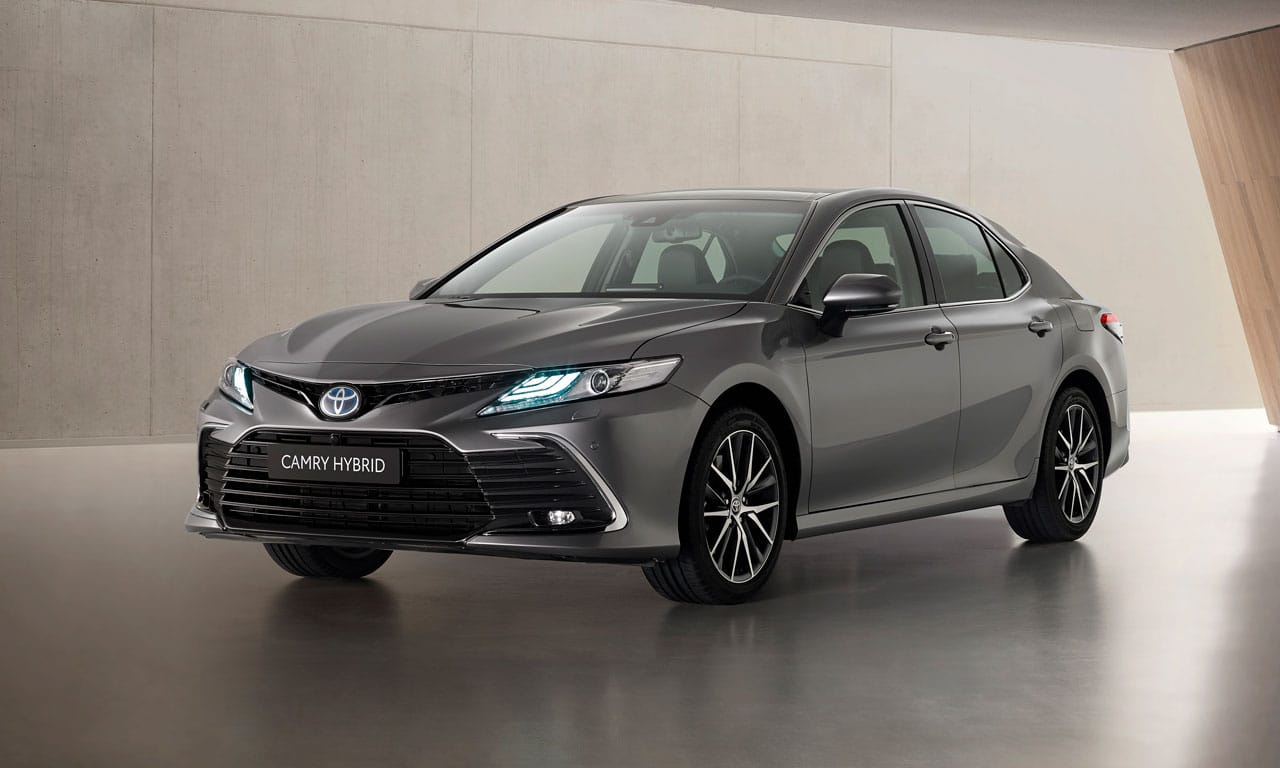
For decades, the Toyota Camry has been synonymous with reliability, practicality, and sensible transportation. It was the car your parents bought, the vehicle that defined “sensible” in the automotive world, and the sedan that prioritized comfort over excitement. However, something remarkable has happened over the past decade. The Toyota Camry has undergone a dramatic transformation, evolving from a bland family sedan into a genuinely sporty machine that can hold its own against dedicated performance vehicles. This metamorphosis represents one of the most significant shifts in modern automotive history, challenging long-held perceptions about what a mainstream sedan can be.
The Historical Context: Understanding the Camry’s Legacy
To fully appreciate the Camry’s transformation, we must first understand where it came from. Introduced to the American market in 1982, the original Camry was designed as a compact, fuel-efficient alternative to larger domestic sedans. Throughout the 1980s and 1990s, the Camry built its reputation on three pillars: exceptional reliability, low cost of ownership, and practical design. These attributes made it incredibly popular, eventually becoming America’s best-selling car for multiple years running.
However, this success came at a cost. The Camry became associated with boredom. Automotive journalists routinely described it as “competent but unexciting,” “reliable but forgettable,” and “practical but uninspiring.” The driving experience was characterized by soft suspension tuning, muted steering feedback, and powertrains focused entirely on efficiency rather than engagement. For enthusiasts, the Camry represented everything wrong with mainstream automotive culture—a vehicle that checked all the boxes without inspiring any passion.
The early 2000s saw Toyota attempt to inject some sportiness into the lineup with the introduction of the Camry SE and later the XSE trim levels. These models featured slightly firmer suspension, more aggressive styling cues, and occasionally more powerful engine options. Yet these efforts felt half-hearted, like afterthoughts rather than genuine attempts to create a sports sedan. The fundamental character of the Camry remained unchanged: comfortable, reliable, and decidedly unexciting.
FREE: Quickly identify and understand problems with your vehicle 🚘
CLICK HEREThe Turning Point: Eighth Generation Revolution (2018-Present)
The true transformation began with the eighth generation Camry, introduced for the 2018 model year. This wasn’t just another incremental update; it represented a fundamental reimagining of what the Camry could be. Toyota’s engineers and designers made a conscious decision to shed the Camry’s conservative image and embrace a more dynamic, engaging character.
Design Language Revolution
Visually, the eighth-generation Camry marked a dramatic departure from its predecessors. Gone were the safe, inoffensive lines that had characterized previous generations. In their place emerged aggressive styling with sharp creases, a bold front grille, and sculpted body panels that suggested movement even when stationary. The lower, wider stance gave the Camry a more athletic appearance, while available two-tone paint schemes and blacked-out trim elements added visual interest.
The interior received similar attention. Higher-quality materials replaced the hard plastics of previous generations, while the driver-focused cockpit layout emphasized the connection between driver and machine. Available leather-trimmed seats with enhanced bolstering, aluminum pedal covers, and sport-oriented instrumentation created an environment that felt more premium and engaging than ever before.
Platform and Chassis Improvements
Perhaps more important than the visual changes were the mechanical improvements underneath. The eighth-generation Camry rode on Toyota’s new TNGA-K platform, which offered significant advantages over the previous architecture. The new platform provided increased structural rigidity, reduced weight, and improved handling characteristics. Toyota also lowered the center of gravity and optimized weight distribution, contributing to more balanced handling dynamics.
The suspension received particular attention. While still tuned for comfort, the new setup offered better body control and more responsive handling than previous generations. Available adaptive dampers on higher trims allowed drivers to adjust the suspension firmness based on driving conditions and preferences. Electric power steering replaced the previous hydraulic system, offering variable assist that could be tuned for different driving modes.
Powertrain Evolution: Beyond Basic Transportation
The heart of any sports sedan is its powertrain, and here the Camry’s transformation becomes particularly evident. Toyota didn’t just add more power; they fundamentally rethought how the Camry should deliver performance.
The V6 Renaissance
While many manufacturers were abandoning V6 engines in favor of turbocharged four-cylinders, Toyota doubled down on naturally aspirated six-cylinder power for the Camry. The 3.5-liter V6 produced 301 horsepower and 267 lb-ft of torque, making it one of the most powerful engines in the midsize sedan segment. More importantly, Toyota paired this engine with an eight-speed automatic transmission that offered quick, smooth shifts and manual shift capability through paddle shifters.
The V6 Camry wasn’t just about straight-line speed, though acceleration was certainly impressive. The engine’s linear power delivery, combined with the transmission’s intelligent programming, created a driving experience that felt refined yet engaging. Enthusiasts appreciated the V6’s willingness to rev and its satisfying exhaust note, especially compared to the often artificial sound of turbocharged alternatives.
Hybrid Performance Innovation
Perhaps surprisingly, Toyota’s hybrid powertrain also contributed to the Camry’s sporty credentials. The hybrid system combined a 2.5-liter four-cylinder engine with electric motors to produce a combined 208 horsepower. While not as powerful as the V6, the hybrid offered instant torque delivery from the electric motors, creating a responsive feel that traditional gasoline engines couldn’t match.
More importantly, Toyota engineered the hybrid system to prioritize driving enjoyment alongside efficiency. The regenerative braking system was calibrated to provide natural pedal feel, while the transition between electric and gasoline power was nearly seamless. For drivers who valued both performance and environmental responsibility, the hybrid Camry offered a compelling package.
Transmission Technology
The eight-speed automatic transmission represented a significant upgrade over the previous six-speed unit. With closer gear ratios and faster shift times, the new transmission kept the engine in its optimal power band more effectively. The manual shift mode allowed enthusiastic drivers to hold gears through corners and downshift aggressively when needed, adding an element of driver control that had been missing from previous Camrys.
Toyota also introduced drive mode selectors that altered transmission behavior, throttle response, and steering feel. Sport mode sharpened all these parameters, creating a more engaging driving experience without requiring hardware changes. This software-based approach allowed the Camry to offer multiple personalities depending on driver preference.
Handling Dynamics: Finding the Balance
Creating a sporty sedan requires more than just power; it demands sophisticated handling dynamics. Toyota’s engineers worked extensively to improve the Camry’s cornering capabilities while maintaining the comfort that had always been part of its appeal.
Suspension Tuning Philosophy
Rather than simply stiffening the suspension across the board, Toyota adopted a more nuanced approach. The standard suspension retained reasonable compliance for everyday driving while providing better body control than previous generations. Optional sport-tuned suspensions, available on TRD and certain XSE models, offered firmer damping and reduced body roll for more aggressive driving.
The key innovation was in the geometry and bushings. Revised suspension pickup points and stiffer bushings improved steering precision and reduced unwanted deflection under load. Multi-link rear suspension replaced the simpler setups of earlier generations, providing better wheel control and improved traction during hard cornering.
Steering Feel and Feedback
Electric power steering often draws criticism for lacking feel, but Toyota’s implementation in the Camry struck a reasonable balance. The variable-ratio steering provided quick response at low speeds for easy maneuverability while maintaining stability at highway speeds. More importantly, Toyota calibrated the system to provide meaningful feedback about tire grip and road surface, allowing drivers to sense the limits of adhesion.
Sport mode increased steering effort and sharpened response, creating a more connected feeling between driver and road. While not quite matching the communication of purely hydraulic systems, the electric setup offered consistent feel across different speeds and conditions.
Braking Performance
Often overlooked in discussions of sports sedans, braking performance is crucial for confident driving. The Camry received upgraded brake components, including larger rotors and more aggressive pad compounds on sport-oriented trims. The brake pedal feel was improved to provide progressive modulation, allowing drivers to trail-brake into corners with confidence.
Available adaptive cruise control with stop-and-go functionality demonstrated Toyota’s commitment to integrating advanced safety features without compromising driving engagement. The system worked seamlessly with the Camry’s dynamic capabilities, enhancing both comfort and safety.
The TRD Factor: Toyota Racing Development
No discussion of the Camry’s sporty transformation would be complete without mentioning the TRD (Toyota Racing Development) variant. Introduced for the 2020 model year, the Camry TRD represented Toyota’s most serious attempt to create a genuine performance sedan.
TRD-Specific Enhancements
The TRD model received numerous upgrades beyond cosmetic changes. A unique front splitter, rear spoiler, and side skirts improved aerodynamics while giving the car a more aggressive appearance. Inside, red-stitched leather seats with TRD branding and aluminum pedals created a sportier atmosphere.
Mechanically, the TRD featured sport-tuned suspension with specific spring rates and damper valving. Larger brakes with red calipers provided improved stopping power, while 19-inch matte-black wheels wrapped in performance tires enhanced grip and visual appeal. The exhaust system received tuning for a more aggressive sound, particularly noticeable during acceleration.
Track Credentials
Perhaps most significantly, the Camry TRD earned credibility through actual track performance. Toyota subjected the TRD to extensive testing at professional racing facilities, refining the setup based on real-world performance data. This approach differed markedly from previous sporty Camry variants, which had been primarily appearance packages with minimal mechanical changes.
The TRD’s track capabilities surprised many enthusiasts. While not matching dedicated sports cars, it demonstrated competent handling, strong braking, and predictable behavior at the limit. This real-world validation helped establish the Camry as a legitimate performance option rather than just a marketing exercise.
Market Response and Cultural Impact
The Camry’s transformation hasn’t occurred in a vacuum. Consumer response has been overwhelmingly positive, with sales figures reflecting growing appreciation for the sportier direction. Younger buyers, in particular, have embraced the new Camry, seeing it as a viable alternative to European luxury brands or dedicated sports sedans.
Changing Perceptions
Automotive journalists who once dismissed the Camry now regularly include it in comparisons with genuinely sporty sedans. Reviews frequently mention the Camry’s surprising agility, engaging powertrains, and overall driving satisfaction. This shift in critical opinion has helped reshape public perception, making the Camry a credible choice for enthusiasts who previously would have looked elsewhere.
The cultural impact extends beyond automotive circles. The Camry’s transformation reflects broader changes in consumer expectations. Modern buyers demand vehicles that offer both practicality and personality, refusing to accept the false choice between sensible transportation and driving enjoyment. Toyota’s success with the sporty Camry demonstrates that these attributes aren’t mutually exclusive.
Competitive Landscape
The Camry’s evolution has forced competitors to respond. Honda redesigned the Accord with similar sporty intentions, while Nissan injected performance into the Altima lineup. Even traditionally conservative manufacturers have recognized that mainstream sedans must offer engaging driving experiences to remain relevant. This competitive pressure has elevated the entire segment, benefiting consumers through improved products across the board.
Technology Integration: Smart Performance
Modern sports sedans require sophisticated technology to maximize performance while maintaining daily usability. The Camry’s technological suite supports its sporty character without overwhelming the driving experience.
Driver Assistance Systems
Toyota Safety Sense, the company’s comprehensive suite of active safety features, works seamlessly with the Camry’s dynamic capabilities. Pre-collision braking, lane departure alert, and adaptive cruise control enhance safety without intruding on the driving experience. These systems can be adjusted or disabled for spirited driving, giving owners flexibility based on their preferences.
Infotainment and Connectivity
The available 9-inch touchscreen infotainment system provides intuitive control over vehicle settings, including drive modes and suspension adjustments (where equipped). Apple CarPlay and Android Auto integration ensure seamless smartphone connectivity, while available premium audio systems deliver high-quality sound that complements the driving experience.
Head-up displays and digital instrument clusters keep important information in the driver’s line of sight, reducing distraction during enthusiastic driving. Customizable display themes allow drivers to prioritize performance data when desired, such as G-force meters, power flow diagrams, or lap timers.
Future Directions: Electrification and Beyond
As the automotive industry moves toward electrification, the Camry’s sporty evolution continues. Toyota has announced plans for fully electric and plug-in hybrid variants that promise to maintain or even enhance the performance characteristics established by the current generation.
Electric Performance Potential
Electric powertrains offer unique advantages for sports sedans, including instant torque delivery, low center of gravity from battery placement, and precise torque vectoring capabilities. Toyota’s experience with hybrid systems positions the company well to create compelling electric performance vehicles based on Camry principles.
Early concepts suggest that future electric Camrys could offer supercar-level acceleration while maintaining the practicality and reliability that define the brand. Advanced battery technology and motor configurations could enable all-wheel-drive systems with sophisticated torque distribution, further enhancing handling capabilities.
Autonomous Driving Integration
As autonomous driving technology matures, the challenge will be preserving driving enjoyment while incorporating self-driving capabilities. Toyota’s approach suggests that future Camrys will offer selectable autonomy levels, allowing drivers to choose between full automation for commuting and engaged driving for pleasure trips.
This flexibility could actually enhance the Camry’s appeal, making it suitable for both daily transportation and weekend canyon carving. The key will be ensuring that autonomous systems don’t dilute the driving dynamics that have made the modern Camry so appealing to enthusiasts.
Comparative Analysis: Camry vs. Traditional Sports Sedans
To truly understand the Camry’s transformation, it’s helpful to compare it with established sports sedans from other manufacturers.
| Feature | Toyota Camry TRD | BMW 330i | Audi A4 | Genesis G70 |
|---|---|---|---|---|
| Base Price | ~$32,000 | ~$42,000 | ~$40,000 | ~$36,000 |
| Horsepower | 301 hp | 255 hp | 261 hp | 300 hp |
| 0-60 mph | 5.8 seconds | 5.6 seconds | 5.6 seconds | 5.1 seconds |
| Fuel Economy (combined) | 25 mpg | 30 mpg | 29 mpg | 25 mpg |
| Reliability Rating | Excellent | Good | Good | Very Good |
| Maintenance Cost | Low | High | High | Moderate |
| Standard Features | Comprehensive | Basic | Basic | Comprehensive |
This comparison reveals several important points. First, the Camry offers comparable performance to established luxury sports sedans at a significantly lower price point. Second, it maintains Toyota’s traditional advantages in reliability and low ownership costs. Third, it comes with more standard features, providing better value overall.
The trade-offs are subtle but important. Luxury brands still offer superior interior materials, more prestigious badges, and sometimes sharper handling dynamics. However, for buyers who prioritize value, reliability, and genuine driving enjoyment over status symbols, the Camry presents a compelling alternative.
The Enthusiast Community Response
Perhaps the most telling indicator of the Camry’s successful transformation is the response from automotive enthusiasts. Online forums, social media groups, and car clubs dedicated to modified Camrys have grown substantially in recent years. Owners share modification tips, track day experiences, and customization ideas with passion previously reserved for traditional sports cars.
Modification Culture
The aftermarket support for sporty Camrys has expanded dramatically. Companies now offer performance exhaust systems, suspension upgrades, brake kits, and aesthetic enhancements specifically designed for newer Camry models. This ecosystem of support validates the Camry’s status as a legitimate platform for enthusiast modification.
Track day events increasingly feature Camrys alongside traditional sports cars, with many owners reporting competitive lap times and satisfying driving experiences. The car’s predictable handling, strong brakes, and robust powertrain make it well-suited for circuit driving, while its reliability ensures it can withstand repeated hard use.
Racing Success
Toyota’s investment in Camry-based racing programs has further cemented its performance credentials. NASCAR Cup Series competition features heavily modified Camrys, demonstrating the platform’s fundamental strength and adaptability. While race cars differ significantly from production models, this racing heritage adds credibility to the Camry’s sporty image.
Grassroots racing series also embrace the Camry, with spec classes and modified categories allowing owners to compete affordably. This competitive environment helps develop driving skills while fostering community among enthusiasts who might otherwise feel isolated in their appreciation for “unconventional” sports sedans.
Conclusion: Redefining the Mainstream Sedan
The Toyota Camry’s transformation into a sporty sedan represents more than just product evolution; it signifies a fundamental shift in automotive philosophy. By proving that mainstream vehicles can offer genuine driving excitement without sacrificing practicality, reliability, or affordability, Toyota has challenged long-held assumptions about what mass-market cars should be.
This transformation benefits consumers by expanding choices and raising standards across the segment. It demonstrates that automotive manufacturers can successfully balance competing priorities, creating vehicles that satisfy both rational and emotional needs. The sporty Camry proves that sensible doesn’t have to mean boring, and that practical transportation can still inspire passion.
Looking forward, the Camry’s continued evolution will likely influence broader industry trends. As electrification advances and autonomous driving develops, the lessons learned from making the Camry engaging and enjoyable will prove invaluable. Future generations may look back on this period as the moment when mainstream sedans stopped apologizing for being exciting and started celebrating their performance potential.
For enthusiasts who once dismissed the Camry as unworthy of consideration, the current generation offers redemption. It’s a car that respects its heritage while embracing a dynamic future, proving that transformation is possible even for the most unlikely candidates. The Toyota Camry has successfully reinvented itself, earning its place among genuinely sporty sedans while maintaining the qualities that made it America’s favorite car in the first place.
This achievement matters because it shows that automotive excellence isn’t limited to expensive luxury brands or specialized performance marques. When executed with vision, engineering expertise, and respect for customer desires, even the most mainstream vehicles can deliver extraordinary experiences. The Camry’s journey from family hauler to sports sedan inspires hope that other manufacturers will follow suit, creating a future where exciting driving dynamics are accessible to everyone, not just those who can afford premium badges.
In the end, the Toyota Camry’s transformation tells a story about possibility, about refusing to accept limitations, and about the power of reimagining what’s possible. It’s a reminder that in the automotive world, as in life, change is not only possible but often necessary for growth and relevance. The sporty Camry stands as proof that with the right combination of vision, engineering, and execution, even the most unexpected transformations can succeed brilliantly.
Leave a Reply