
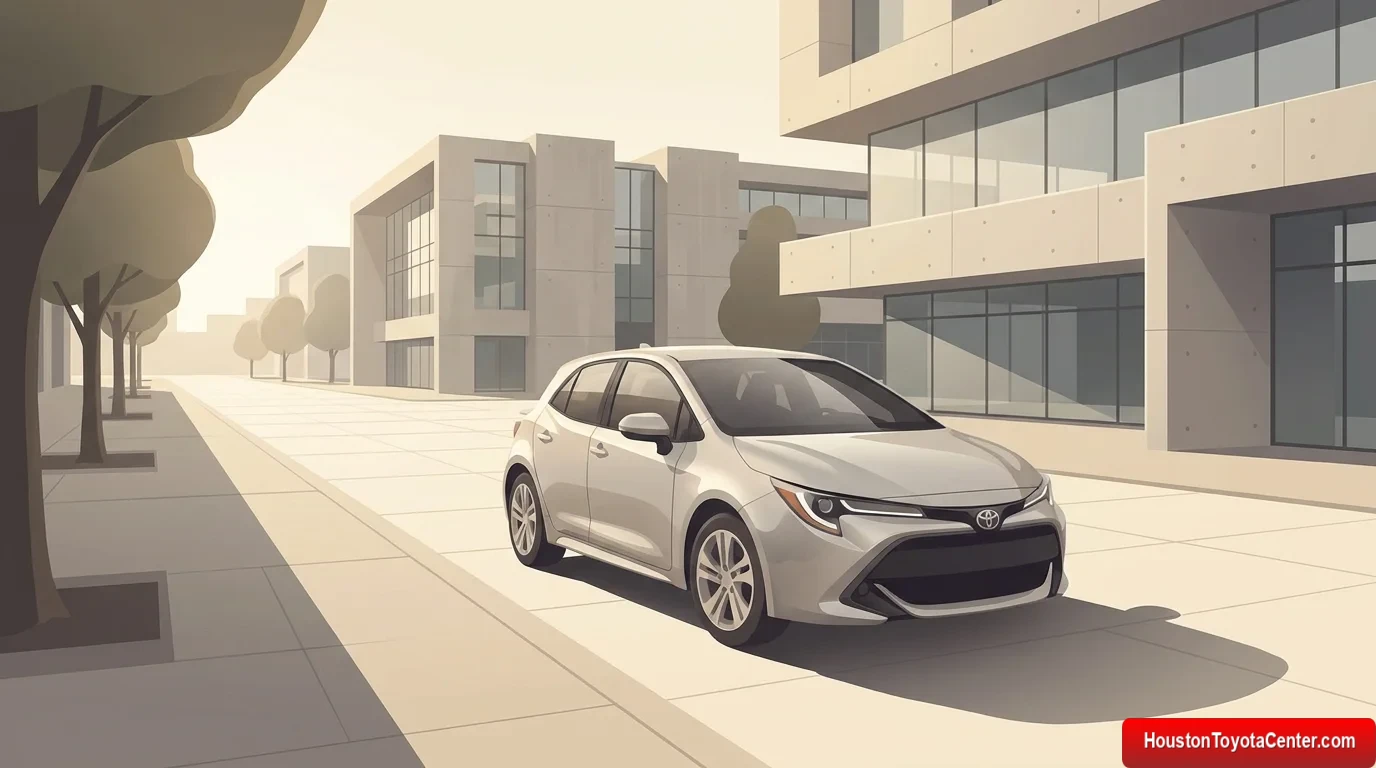
The Toyota Corolla stands as one of the most remarkable success stories in automotive history. Since its introduction in 1966, this compact sedan has evolved through twelve generations, selling over 50 million units worldwide and earning a reputation that transcends mere transportation—it has become synonymous with reliability, longevity, and practical engineering excellence. But beyond the sales figures and market dominance lies an even more impressive narrative: the extraordinary lifespan of individual Corolla vehicles that have defied conventional expectations about how long a car should last.
The Phenomenon of High-Mileage Corollas
When we examine the longest-lasting Toyota Corollas on record, we’re not merely discussing vehicles that have accumulated impressive mileage numbers. We’re exploring machines that have survived decades of daily use, harsh weather conditions, varying maintenance practices, and the relentless passage of time while continuing to perform their fundamental duties. These vehicles represent the pinnacle of what automotive engineers strive to achieve: creating products that serve their owners faithfully for years, sometimes even generations.
The threshold for what constitutes a “long-lasting” vehicle has shifted dramatically over the past few decades. In the 1970s and 1980s, reaching 100,000 miles was considered a significant milestone. Today, however, it’s not uncommon to encounter Corollas with 200,000, 300,000, or even 400,000+ miles on their odometers. Some exceptional examples have surpassed the half-million-mile mark, continuing to operate reliably despite their advanced age and extensive use.
| Mileage Range | Approximate Number of Years (Average Use) | Maintenance Requirements |
|---|---|---|
| 0-100,000 miles | 5-8 years | Basic scheduled maintenance |
| 100,000-200,000 miles | 10-15 years | Regular maintenance + some component replacements |
| 200,000-300,000 miles | 15-20+ years | Comprehensive maintenance + major component attention |
| 300,000-400,000+ miles | 20-25+ years | Extensive maintenance + rebuilds possible |
| 500,000+ miles | 25-30+ years | Complete dedication to preservation |
Documented Cases of Extraordinary Longevity
The Million-Mile Club
Perhaps the most famous category of long-lasting Corollas belongs to those that have achieved or approached the mythical one-million-mile milestone. While relatively rare, these vehicles capture the imagination of automotive enthusiasts and serve as powerful testimonials to Toyota’s engineering philosophy. One particularly well-documented case involves a 1966 Toyota Corolla KE10 that reportedly accumulated over 1 million miles before being retired. This first-generation model, powered by a modest 1.1-liter engine, demonstrated that even early Corollas possessed the durability foundation that would define the nameplate for decades to come.
FREE: Quickly identify and understand problems with your vehicle 🚘
CLICK HEREMore recent examples include several 1990s-era Corollas that have crossed the 500,000-mile threshold while still in regular service. A 1995 Corolla DX owned by a California taxi driver accumulated 523,000 miles over fifteen years of continuous commercial use. Another notable example is a 1998 Corolla LE that reached 487,000 miles while serving as a family vehicle in Minnesota, enduring harsh winter conditions that would destroy lesser vehicles in a fraction of that time.
Commercial Service Survivors
Taxi fleets and ride-sharing services provide some of the most compelling evidence of Corolla longevity. These vehicles operate under the most demanding conditions imaginable: constant stop-and-go traffic, extended idling periods, multiple drivers with varying care levels, and minimal downtime for maintenance. Yet Corollas consistently outperform competitors in these environments.
A fleet operator in New York City reported that their Toyota Corollas averaged 350,000 miles before requiring major powertrain work, compared to 200,000 miles for competing compact sedans. Individual vehicles within this fleet have exceeded 600,000 miles, with some approaching 750,000 miles while remaining economically viable to operate. The key factor isn’t just the initial quality of the vehicle but the cumulative effect of design choices that prioritize durability over short-term cost savings.
International Examples
The phenomenon of long-lasting Corollas isn’t limited to North America. In Australia, a 1974 Corolla KE30 reportedly traveled over 800,000 kilometers (approximately 500,000 miles) while serving rural communities across vast distances. Japanese domestic market Corollas have similarly demonstrated exceptional longevity, with several examples exceeding 600,000 kilometers in taxi service before retirement.
In developing markets where road conditions are challenging and maintenance resources may be limited, Corollas have proven remarkably resilient. African and Southeast Asian markets report numerous examples of 1980s and 1990s Corollas still in active service, often having traveled distances that would be considered extraordinary in more developed markets.
Engineering Principles Behind Corolla Longevity
Conservative Design Philosophy
Toyota’s approach to Corolla engineering has always emphasized conservative, proven solutions over cutting-edge experimentation. This philosophy manifests in several key areas:
Engine Design: Corolla engines have historically been designed with substantial safety margins. Components are sized to handle loads well beyond normal operating conditions, reducing stress and wear during typical use. The famous 4A-FE engine found in many 1990s Corollas exemplifies this approach, featuring robust internals, efficient cooling systems, and straightforward maintenance access.
Transmission Durability: Whether manual or automatic, Corolla transmissions are engineered for longevity rather than performance. Gear ratios are optimized for fuel efficiency and reduced mechanical stress. Automatic transmissions feature conservative shift patterns that minimize wear on clutch packs and bands.
Corrosion Resistance: Starting in the late 1980s, Toyota implemented comprehensive corrosion protection strategies including galvanized steel panels, improved paint processes, and enhanced undercoating applications. These measures have proven crucial for long-term survival, particularly in regions with harsh winters or coastal environments.
Quality Control and Manufacturing Excellence
The Toyota Production System, developed in the post-war era, revolutionized manufacturing quality and consistency. Every Corolla benefits from this heritage through:
- Jidoka (Automation with Human Touch): Machines detect abnormalities and stop production, preventing defective components from progressing through assembly
- Just-in-Time Manufacturing: Reduces inventory costs while ensuring fresh, properly stored components
- Kaizen (Continuous Improvement): Constant refinement of processes based on real-world feedback
- Standardized Work Procedures: Ensures consistent quality regardless of which facility produces the vehicle
These principles result in vehicles with fewer manufacturing defects, better fit and finish, and more predictable long-term behavior.
Component Selection and Sourcing
Toyota’s approach to supplier relationships emphasizes long-term partnerships and shared commitment to quality. Critical components undergo rigorous testing protocols that exceed industry standards:
- Bearings and Bushings: Selected for durability rather than minimum cost
- Electrical Systems: Designed with redundancy and protection against environmental factors
- Rubber Components: Formulated for resistance to ozone, heat, and chemical degradation
- Fasteners and Hardware: Corrosion-resistant materials used throughout
Maintenance Practices That Extend Corolla Life
While excellent engineering provides the foundation for longevity, proper maintenance determines whether individual vehicles realize their potential lifespan. Owners of high-mileage Corollas share common maintenance philosophies:
Preventive Maintenance Regimens
Oil Changes: Regular oil changes using quality lubricants remain the single most important maintenance practice. High-mileage Corolla owners typically change oil every 3,000-5,000 miles, even when manufacturer recommendations suggest longer intervals. Synthetic oils have become increasingly popular for their superior protection characteristics.
Fluid Management: Beyond engine oil, attention to transmission fluid, coolant, brake fluid, and power steering fluid prevents premature component failure. Many long-lasting Corollas benefit from fluid changes at intervals shorter than manufacturer recommendations.
Filter Replacement: Air filters, cabin filters, and fuel filters receive regular attention. Clean filtration systems protect engines and maintain optimal performance throughout the vehicle’s life.
Proactive Component Replacement
Successful long-term Corolla owners don’t wait for components to fail before replacing them. Common proactive replacements include:
- Timing Belts/Chains: Replaced according to schedule regardless of apparent condition
- Water Pumps: Often replaced preventively during timing belt service
- Suspension Components: Worn bushings and ball joints addressed before they cause secondary damage
- Brake System: Rotors, pads, and hydraulic components maintained proactively
Addressing Known Weaknesses
Every vehicle generation has specific areas requiring attention. For Corollas, common focus areas include:
- Early Generation Rust Prevention: Particularly important for pre-1990 models
- Automatic Transmission Service: Critical for models from the 1990s and early 2000s
- Ignition System Maintenance: Coil packs and spark plugs require attention in later generations
- CV Joint Protection: Boot integrity prevents costly joint replacement
Economic Factors Supporting Long-Term Ownership
The decision to maintain a Corolla for hundreds of thousands of miles makes economic sense for several reasons:
Depreciation Advantages
Corollas retain value better than most competitors, but more importantly, they reach a point where further depreciation becomes minimal. A ten-year-old Corolla with 150,000 miles might be worth $4,000-$6,000. Maintaining this vehicle for another five years and 100,000 miles might reduce its value to $2,000-$3,000, representing far less total cost than purchasing a new vehicle.
Repair Cost Predictability
Corolla repair costs are generally lower than competitors due to:
- Parts Availability: Extensive aftermarket support keeps prices competitive
- Repair Complexity: Straightforward designs reduce labor time
- Diagnostic Simplicity: Well-documented systems make troubleshooting easier
- Mechanic Familiarity: Most technicians understand Corolla systems thoroughly
Insurance and Registration Savings
Older vehicles typically carry lower insurance premiums and registration fees. When combined with avoided new car payments, these savings can amount to thousands of dollars annually.
Generational Analysis of Longevity Potential
First Generation (1966-1970)
The original Corolla established the brand’s reputation for reliability. Simple mechanical systems, robust construction, and conservative engineering created vehicles capable of exceptional longevity. However, corrosion protection was primitive by modern standards, limiting survival rates in harsh climates.
Second Through Fourth Generations (1970-1987)
These generations refined the Corolla formula while maintaining simplicity. Improved rust protection began appearing in later models. Engines remained naturally aspirated and relatively low-stress, contributing to longevity. Manual transmissions from this era are particularly renowned for durability.
Fifth Through Seventh Generations (1987-2002)
This period saw significant improvements in build quality and corrosion resistance. The introduction of electronic fuel injection improved reliability while maintaining mechanical simplicity. Automatic transmissions became more sophisticated but occasionally required more attention than earlier units.
Eighth Through Tenth Generations (2002-2013)
Modern manufacturing techniques elevated quality further. Electronic systems increased in complexity but generally proved reliable. CVT transmissions introduced in some markets required careful maintenance but could achieve impressive longevity when properly cared for.
Eleventh and Twelfth Generations (2013-Present)
Current Corollas benefit from decades of refinement. Advanced materials, improved corrosion protection, and sophisticated electronics create vehicles with enormous longevity potential. Early data suggests these generations will match or exceed their predecessors’ durability records.
Cultural Impact and Community Support
The Corolla’s reputation for longevity has created a unique cultural phenomenon. Online forums, social media groups, and enthusiast communities celebrate high-mileage examples and share maintenance knowledge. This collective wisdom helps owners maximize their vehicles’ lifespans through shared experiences and proven strategies.
Car clubs dedicated to older Corollas organize events, swap meets, and technical sessions. These communities preserve institutional knowledge about maintaining aging vehicles and provide emotional support for owners committed to long-term vehicle ownership.
Environmental Considerations
Keeping a Corolla on the road for 300,000+ miles represents a significant environmental benefit. Manufacturing a new vehicle generates substantial carbon emissions and resource consumption. By extending a vehicle’s useful life, owners reduce their environmental footprint while maintaining reliable transportation.
Modern emission control systems in newer Corollas ensure that even high-mileage examples meet environmental standards when properly maintained. The combination of fuel efficiency and longevity makes the Corolla one of the most environmentally responsible transportation choices available.
Future Outlook
As automotive technology evolves toward electrification and autonomous driving, the Corolla’s legacy of longevity faces new challenges and opportunities. Electric Corollas will eliminate many traditional wear items while introducing new maintenance considerations. Battery longevity will become the primary determinant of vehicle lifespan rather than mechanical durability.
However, the principles that made gasoline-powered Corollas last so long—conservative engineering, quality manufacturing, and owner education—remain relevant regardless of powertrain technology. Toyota’s commitment to these values suggests that future Corollas will continue the tradition of exceptional longevity.
Conclusion
The longest-lasting Toyota Corollas on record represent more than statistical anomalies—they embody a philosophy of automotive excellence that prioritizes long-term value over short-term gains. From the million-mile pioneers of the 1960s to the contemporary examples accumulating hundreds of thousands of miles, these vehicles demonstrate that thoughtful engineering, quality manufacturing, and proper maintenance can create transportation solutions that serve owners faithfully for decades.
The Corolla’s longevity story offers valuable lessons for both manufacturers and consumers. For automakers, it proves that investing in durability pays dividends in customer loyalty and brand reputation. For consumers, it demonstrates that choosing a vehicle based on long-term ownership costs rather than initial purchase price can yield substantial financial and practical benefits.
As we look toward an automotive future increasingly dominated by electric vehicles and rapid technological change, the Corolla’s legacy reminds us that fundamental values—reliability, durability, and practicality—remain essential. The longest-lasting Corollas aren’t just old cars; they’re testaments to what happens when engineering excellence meets owner dedication. They prove that with the right combination of design, manufacturing, and care, automobiles can transcend their expected lifespans to become trusted companions for generations.
Whether you’re considering your first Corolla or maintaining one that’s already surpassed 200,000 miles, understanding the factors behind these vehicles’ extraordinary longevity can help you maximize your investment and contribute to this remarkable automotive legacy. The next million-mile Corolla might be sitting in your driveway today, waiting to write its own chapter in this ongoing story of automotive endurance.
Leave a Reply