
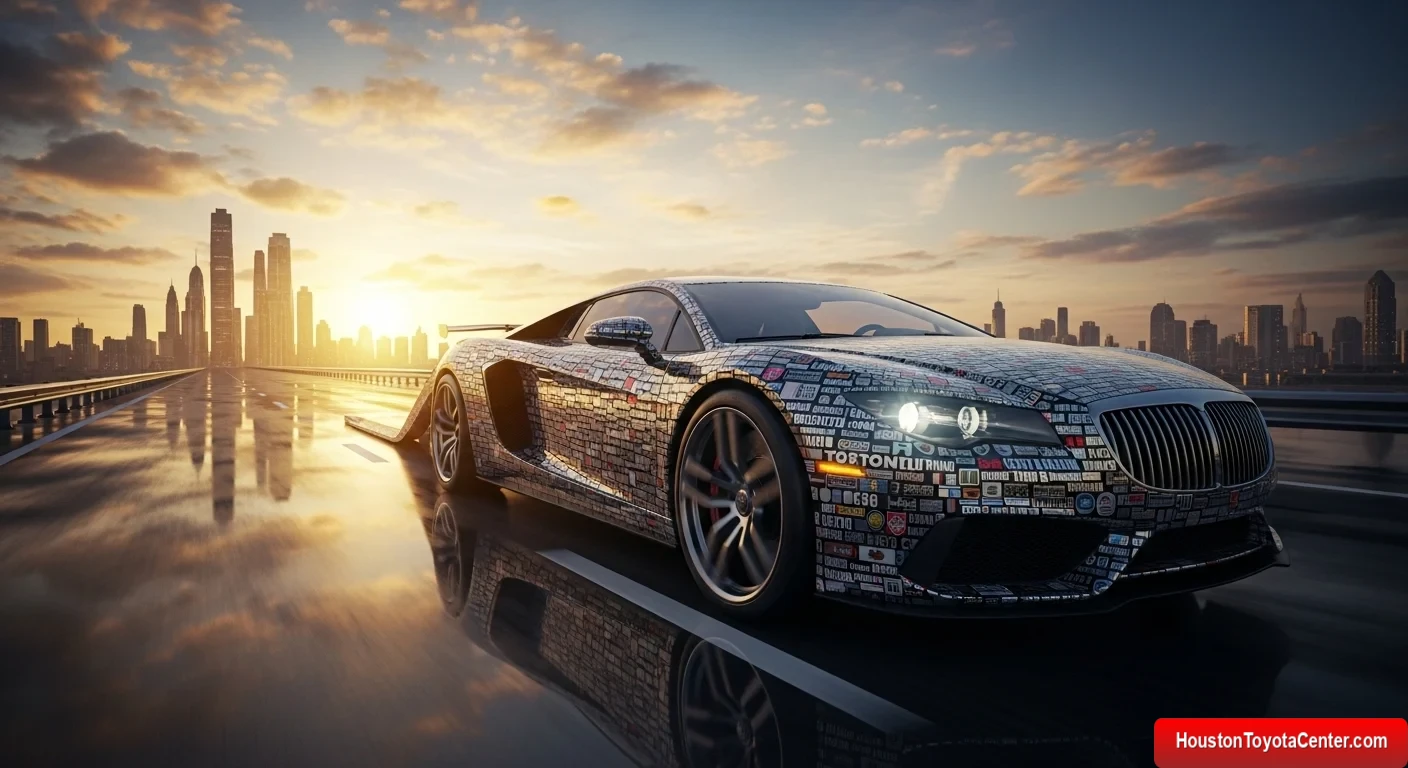
The automotive industry has always been about more than just engineering. While horsepower, torque, and design define how a vehicle performs, its name defines how it is remembered. Over time, car manufacturers have evolved from simple, clean naming conventions to increasingly elaborate and sometimes bewilderingly long model names. These extended names often attempt to capture everything about the car—its trim level, drivetrain, performance package, body style, and even its technological identity—all in a single breath.
But why do car names keep getting longer? And what do these extended titles reveal about the industry, branding strategies, and consumer psychology? In this deep dive, we’ll explore the phenomenon of the longest car names ever created, analyze why they exist, and examine what they say about the evolution of automotive marketing.
The Origins of Car Naming: From Simplicity to Complexity
In the early days of the automotive world, naming conventions were straightforward. Cars were often identified by:
- The manufacturer’s name
- A model number
- Occasionally a descriptive word
Examples included simple formats like “Model T” or “Series 62.” These names were easy to remember, easy to market, and reflected a time when product differentiation was limited.
FREE: Quickly identify and understand problems with your vehicle 🚘
CLICK HEREAs the market grew more competitive, manufacturers began introducing:
- Trim levels (e.g., Standard, Deluxe)
- Engine variations
- Special editions
This marked the beginning of longer names—but nothing compared to what would come decades later.
Why Car Names Became So Long
The expansion of car names is not accidental. It reflects multiple forces at play in the modern automotive landscape.
1. Increasing Product Differentiation
Modern vehicles are available in countless configurations:
- Engine types (gasoline, diesel, hybrid, electric)
- Drivetrain (FWD, AWD, 4WD)
- Trim levels (base, sport, luxury)
- Technology packages
- Performance upgrades
Manufacturers often encode all of this into the name itself.
2. Globalization
Cars are now sold globally, and naming must:
- Appeal across cultures
- Avoid negative meanings in different languages
- Maintain brand consistency worldwide
This sometimes results in layered naming structures.
3. Marketing Strategy
A long name can signal:
- Prestige
- Complexity
- Exclusivity
Luxury brands, in particular, lean into this approach.
4. Regulatory and Technical Labels
Especially in Europe and Asia, names may include:
- Engine displacement
- Power output
- Emissions classification
These add to the length.
Anatomy of an Extremely Long Car Name
To understand how these names grow so large, let’s break down a typical long-format car name:
| Component | Meaning Example |
|---|---|
| Brand | Manufacturer name |
| Model | Core identity of the car |
| Body Style | Sedan, Coupe, SUV |
| Engine Type | Hybrid, Electric, Turbo |
| Power Output | Often in horsepower or kilowatts |
| Drivetrain | AWD, 4MATIC, xDrive |
| Trim Level | Premium, Sport, Luxury |
| Special Package | Performance or design enhancements |
When all of these are combined, the result can be a name that feels more like a sentence than a label.
Some of the Longest Car Names Ever Created
Let’s explore some of the most extreme examples of long car names in the industry. These are real naming conventions that push the limits of branding.
1. Performance-Oriented Excess
Performance cars often carry long names because they include:
- Engine details
- Performance branding
- Special packages
Example structure:
Brand + Model + Engine Type + Performance Division + Package Name
These names can easily exceed 10–15 words when fully expanded.
2. Luxury Vehicles and Prestige Naming
Luxury brands are particularly known for extended names. Why?
- They emphasize exclusivity
- They highlight bespoke customization
- They differentiate between very similar models
A luxury car name might include:
- Wheelbase length (standard vs. long)
- Interior package
- Executive-level features
3. Electric Vehicles and the Naming Explosion
Electric vehicles (EVs) have introduced a new layer of complexity:
- Battery size
- Range classification
- Motor configuration
Manufacturers often combine these into names like:
- “Long Range”
- “Dual Motor”
- “Performance Edition”
When stacked with existing naming systems, the result becomes quite lengthy.
Regional Differences in Long Car Names
Different regions approach naming in unique ways.
Europe
European manufacturers tend to use:
- Alphanumeric systems
- Engine displacement references
- Performance sub-brands
This often results in names that look technical and dense.
Japan
Japanese brands sometimes:
- Use descriptive phrases
- Include hybrid or efficiency branding
- Add multiple trim identifiers
These names can become surprisingly long, especially in domestic markets.
United States
American manufacturers historically favored simpler names but have increasingly adopted:
- Trim-heavy naming structures
- Marketing-driven labels
The Psychology Behind Long Names
Long car names aren’t just about information—they’re about perception.
1. Perceived Value
A longer name can subconsciously suggest:
- More features
- Higher quality
- Greater sophistication
2. Authority and Technical Credibility
Technical-sounding names can:
- Appeal to enthusiasts
- Reinforce engineering excellence
3. Exclusivity
Complex names can make a car feel:
- Rare
- Specialized
- Premium
When Long Names Become a Problem
Despite their advantages, long car names come with drawbacks.
1. Memorability Issues
Consumers may struggle to remember:
- Full names
- Specific trims
This can weaken brand recall.
2. Marketing Challenges
Long names are harder to:
- Fit into advertisements
- Use in casual conversation
3. Dealer Simplification
Dealers often shorten names when speaking to customers, which can lead to:
- Inconsistency
- Confusion
Case Study: Name Length vs. Brand Identity
Let’s compare short vs. long naming strategies.
| Approach | Example Style | Pros | Cons |
|---|---|---|---|
| Short Names | Single word/model | Easy recall | Less descriptive |
| Medium Length | Model + Trim | Balanced clarity | Moderate complexity |
| Very Long Names | Full specification | Highly descriptive | Hard to remember |
This balance is something every automaker must navigate.
The Role of Trims and Packages
One of the biggest contributors to long names is the trim system.
Modern cars can have:
- Base trim
- Mid-level trim
- Premium trim
- Sport trim
- Off-road trim
Each of these may also include:
- Optional packages
- Appearance upgrades
- Technology bundles
When all are included in the official name, length increases dramatically.
Digital Era Influence
The internet has also influenced naming.
Search Engine Optimization (SEO)
Manufacturers sometimes use longer names to:
- Improve search visibility
- Include more keywords
Online Configurators
Car buyers now interact with:
- Detailed configuration tools
- Full specification breakdowns
This encourages more descriptive naming.
The Future of Car Naming
Will names continue to get longer?
Trends Suggest:
- EVs may continue the complexity trend
- Software-defined vehicles may introduce new naming layers
- Subscription features could add new descriptors
However, there is also a countertrend toward simplification.
Minimalist Branding
Some manufacturers are moving toward:
- Cleaner names
- Fewer trims
- Simplified lineups
This could reduce name length in the future.
The Longest Names: A Hypothetical Maximum
To illustrate how extreme things can get, consider a fully expanded hypothetical name:
Brand Model Series Hybrid Plug-In Long Range Dual Motor All-Wheel Drive Performance Sport Executive Luxury Touring Edition with Advanced Technology Package
This kind of naming, while exaggerated, reflects how easily names can spiral when every feature is included.
Why Enthusiasts Love Long Names
Interestingly, car enthusiasts often enjoy long names.
Why?
- They provide detailed information
- They signal specific configurations
- They help distinguish rare variants
For enthusiasts, a long name is not a burden—it’s a badge of identity.
Cultural Impact of Long Car Names
Car names have entered popular culture in subtle ways:
- They influence how people talk about cars
- They shape perceptions of brands
- They become part of automotive history
Some long names become iconic precisely because of their complexity.
Lessons from the Longest Car Names
There are several key takeaways from this phenomenon:
- Naming reflects industry complexity
- Marketing plays a major role
- Consumer perception drives decisions
- There is a trade-off between clarity and detail
Final Thoughts
The longest car names in the industry are more than just linguistic curiosities—they are a window into how the automotive world has evolved. As vehicles become more advanced, more customizable, and more global, their names have expanded to match.
While some may see these long names as excessive or even ridiculous, they serve a purpose. They communicate information, signal prestige, and differentiate products in an increasingly crowded marketplace.
At the same time, the industry stands at a crossroads. As simplicity becomes more appealing in the digital age, we may see a shift back toward cleaner, more memorable names.
Until then, the era of the ultra-long car name remains a fascinating reflection of how far the automotive world has come—and how much it has to say in just one name.
Leave a Reply