
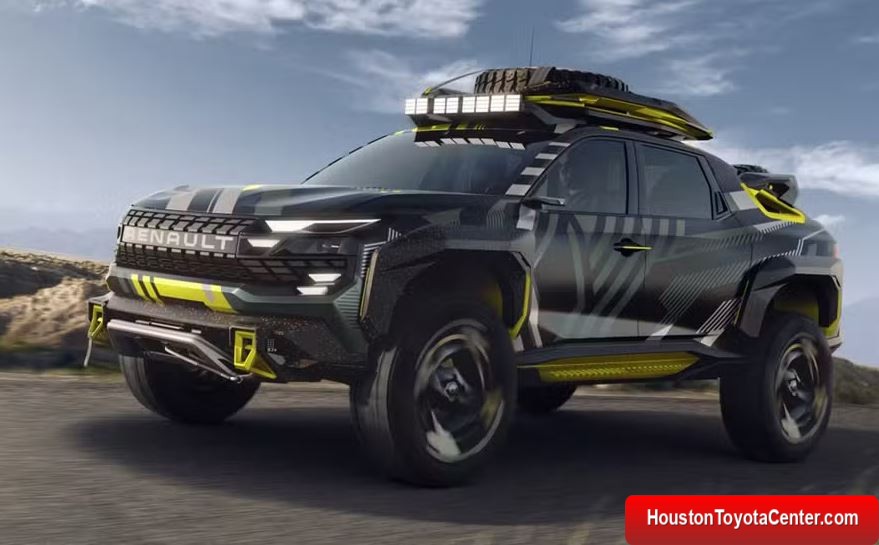
Renault has started assembling pre-series units of the Niagara , its mid-size pickup truck that competes with the Fiat Toro , in Córdoba (Argentina) . After hidden appearances by “mules” of other vehicles, prototypes are being tested for the first time in their final bodywork before their debut in 2026. The information is from the Argentine website
Cars Drive .
According to the publication, Renault has completed the assembly of four Niagara units at the Argentine factory, which will be sent to Brazil for the first round of tests . Over the next few months, the brand should assemble at least three prototypes per week. The goal is for series production to begin in
October 2026 .
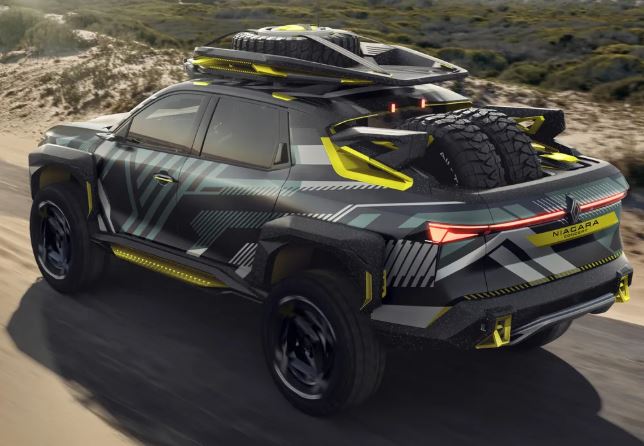
Another piece of information anticipated by
Autoesporte , and which the Argentine website Cars Drive confirmed, is that
the Niagara hybrid engine has received the green light from the parent company . There is discussion about adopting a rear electric motor in the 4×4 version — therefore, an HEV set — or a 48V mild hybrid system (MHEV). We elaborate on the subject below.
Finally, Renault should not interrupt production of the Sandero , Logan and
Kangoo models to assemble the pre-series units of the pickup.
The trio will continue to leave the Argentine factory as normal to serve several countries in Latin America . It is normal for assembly to be halted sporadically during this implementation process, but the Niagara production arrangement allows the same line to be used as the other vehicles.
FREE: Quickly identify and understand problems with your vehicle 🚘
CLICK HEREWhat will Renault Niagara look like?
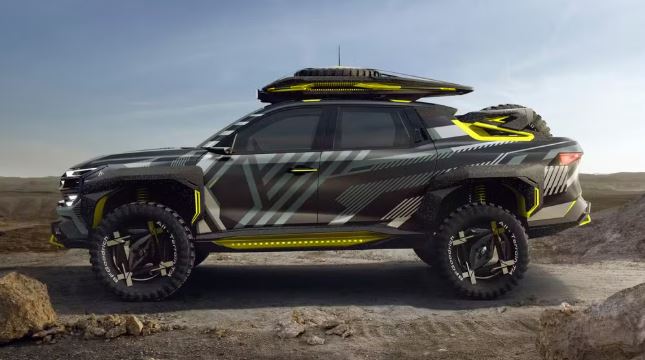
Anticipated as a concept in 2023, the Niagara will be Renault’s bet in the same segment as the Fiat Toro. The manufacturer spent R$1.9 billion on its development and production at the Argentine plant in Córdoba. It is worth remembering that the model is not intended to replace the Oroch , made in São José dos Pinhais (PR), but rather to occupy the top of the range.
The design will have many similarities with the Renault Boreal, the mid-size SUV that will be revealed in the coming weeks , made in Paraná. The plan is to follow a less adventurous and more urban language, as the brand itself anticipated. Daniel Nozaki, director of Renault’s design center, says that the pickup will be “more than five meters long”, approaching the proportions of the Ram Rampage .
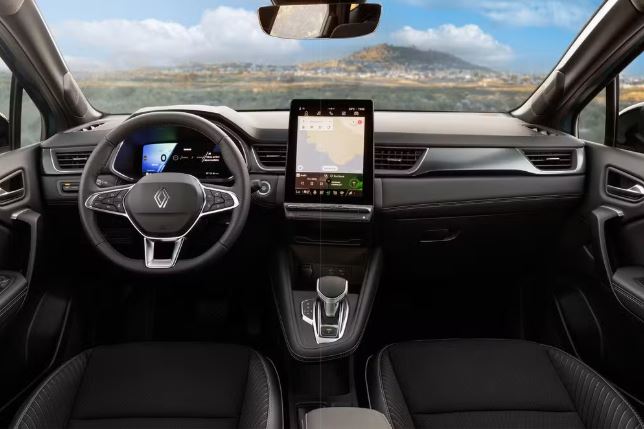
There is also talk of a superior interior finish compared to what Renault already offers , with a greater variety of materials. The media and technology section should also be shared with the Boreal.
Motorization
The Renault Niagara will be sold from next year in combustion and hybrid versions. Unlike the Toro, it will not have a diesel engine, but the manufacturer has found an alternative to offer 4×4 versions.
This is because the 1.3 turbo flex engine that currently develops 170 hp of power and 27.5 kgfm of torque will be responsible for driving only the front wheels. On the rear axle, an electric motor that has been tested in Europe since last year will be installed. This is a parallel hybrid set (HEV).
+ Do you want to receive the main news from the automotive sector via WhatsApp? Click here and join the Autoesporte Channel.
The 1.3 turbo flex engine is expected to be coupled to a seven-speed dual-clutch automated transmission, rather than the CVT transmission currently used in the Duster. An electronic management system will be responsible for activating the engines, which will operate independently.
Another possibility is that the front-wheel-drive Niagara will have a 48V mild-hybrid (MHEV) package from the entry-level packages, which would act as an alternator and temporary “booster”, without the ability to turn the wheels on its own. The first appearances of prototypes in final bodywork should reveal what the brand has planned.
Behind the scenes and cultural shock with the matrix
The launch of the Niagara is part of Renault’s new strategy for Latin America. Recognized for its simple and robust cars, such as the Sandero and Logan, the French brand is now seeking a more elevated positioning , with greater added value. The Kardian was the first step towards changing its image, which will now be completed with the arrival of the Boreal .
Renault’s design center director, Daniel Nozaki, revealed that Latin subsidiaries “fought” with the parent company to get the project approved , and linked the conflict to a cultural clash.
“For us [Latin Americans] it is easier to accept practical, affordable utility vehicles for all audiences. That is why, at first, it was difficult for us to convince our bosses in Europe about the car we wanted to develop. We wanted to design a pickup truck, but not a work-oriented vehicle like they imagined,” he said in a chat with the Argentine press in April.
“The customer in this segment [of intermediate pickups] has changed. We are going to use accessories for the bucket, to increase versatility and use of this space”, he concluded.
Leave a Reply