
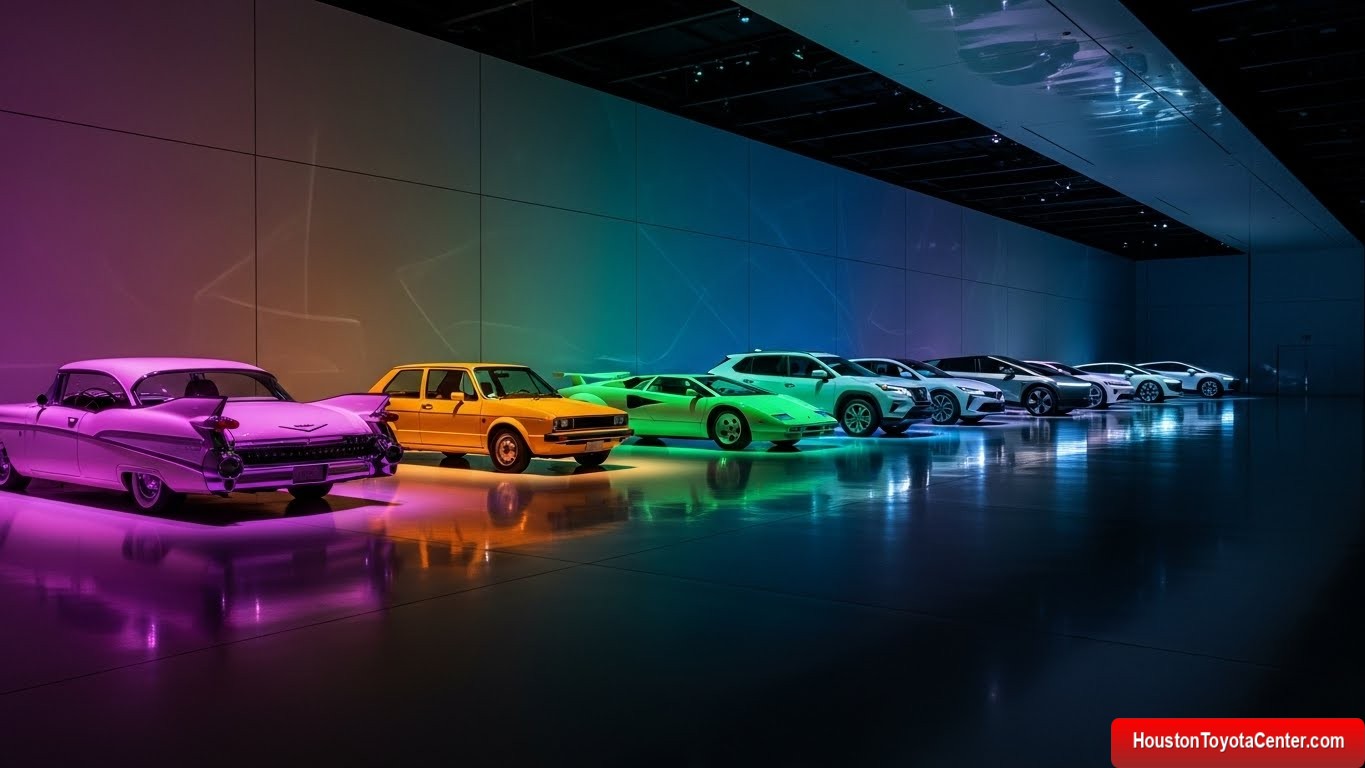
Automobiles have always been more than mechanical tools for transportation. They are rolling expressions of social aspirations, cultural anxieties, technological optimism, and national identity. Throughout the last century, as societies have transformed—politically, economically, technologically, and aesthetically—automotive design has evolved in step. Each curve, chrome strip, aerodynamic line, or digital feature reflects something about the era that created it.
Understanding car design through the decades is like reading a visual history of modern culture. From postwar exuberance to oil-crisis caution, from futuristic experimentation to digital-age minimalism, the automobile has mirrored human behavior, values, and dreams. This article explores how car design has reflected—and influenced—cultural trends from the early 20th century to the present day.
The 1920s: Craftsmanship, Class, and the Birth of Style
The 1920s marked the transition from strictly utilitarian automobiles to machines that expressed status and personality. The world was coming out of World War I, industries were booming, and the middle class was expanding. Social liberation—especially the rise of jazz culture and urban nightlife—sparked an appetite for refinement and flair.
Design Characteristics
Cars of the 1920s were largely boxy, tall, and upright, resembling carriages without horses. But for the first time, automakers began incorporating stylistic elements:
FREE: Quickly identify and understand problems with your vehicle 🚘
CLICK HERE- Elegant, elongated hoods
- Exposed headlamps
- Vertical chrome grilles
- Two-tone paint schemes
- Wood and leather interiors
- Open-top touring bodies
The influence of Art Deco—an emerging design movement emphasizing geometric forms, symmetry, and luxury—began to seep into premium cars. Brands like Duesenberg and Hispano-Suiza catered to wealthy clients seeking automotive expressions of opulence.
Cultural Reflection
The 1920s are often called the “Roaring Twenties,” and automotive design mirrored social boldness and experimentation. Cars became symbols of wealth and status but also of mobility and freedom. People could go places that were once unreachable; women increasingly used cars to assert independence. The growing consumer culture valued aesthetics as much as function, setting the stage for design-driven marketing that would dominate the rest of the century.
The 1930s: Streamlining, Aerodynamics, and the Rise of Modernity
The 1930s were marked by global economic hardship, but paradoxically, some of the most advanced and beautiful automotive designs emerged. The fascination with speed, science, and aerodynamics influenced every form of transportation—cars, trains, airplanes—and ushered in a more modern look.
Design Characteristics
Car design shifted dramatically:
- Smooth, rounded shapes
- Integrated fenders
- Teardrop silhouettes inspired by aircraft
- Enclosed cabins
- Early attempts at aerodynamic grilles and headlights
Streamlining wasn’t just aesthetic—it was inspired by engineering research.
Cultural Reflection
Even in the midst of the Great Depression, societies clung to visions of the future. The Streamline Moderne movement captured optimism through science and technology. Although sales were low, the decade established the foundational idea that cars could look fast even when standing still. This futurist mindset anticipated the explosive innovation of the next decade.
The 1940s: Postwar Utility to Optimistic Prosperity
The 1940s were split by the influence of World War II. Early in the decade, car production halted as factories converted to military manufacturing. When peace returned, a restless and hopeful population demanded new products, and carmakers responded with fresh designs—even if they were mostly reworked prewar models.
Design Characteristics
- Bulky, rounded bodies
- Simplified ornamentation due to wartime austerity
- Steel-heavy materials
- Gradual shift toward integrated bumpers
- Larger passenger compartments for families
As the decade ended, flamboyance started brewing. Consumers were hungry for color, novelty, and symbols of modern life after years of sacrifice.
Cultural Reflection
The late 1940s were characterized by immense optimism. Suburbanization began, families expanded, and economic confidence soared. Cars became symbols of the “American Dream” and an essential part of postwar identity. Practicality merged with a desire for something new and exciting, setting the tone for the extravagant 1950s.
The 1950s: Chrome, Rockets, and the Space Age
Few decades illustrate the link between car design and cultural trends as clearly as the 1950s. The world was mesmerized by space exploration, nuclear physics, and futuristic fantasies. At the same time, consumerism surged, and the car became a canvas for exuberance.
Design Characteristics
- Dramatic tailfins inspired by jet aircraft
- Excessive chrome on bumpers, trim, and grilles
- Two-tone and pastel paint
- Panoramic windshields
- Low-slung bodies
- Enormous V8 engines
Cars in this era looked like rockets and spaceships. The Cadillac Series 62, Chrysler 300 “Letter Series,” and Chevrolet Bel Air are iconic examples.
Cultural Reflection
This decade reflected youthful optimism and technological confidence. Television ads glamorized cars as symbols of success, and designers competed to make the next big visual statement. The car culture of diners, drive-in theaters, and cruising solidified the automobile as a social centerpiece. Style trumped efficiency, mirroring an era defined by excess and novelty.
The 1960s: Individualism, Speed, and Social Change
The 1960s brought cultural upheaval—civil rights movements, counterculture, and rapid globalization. Automotive design diversified along with society, embracing individuality and performance.
Design Characteristics
- Muscle cars with aggressive, squared lines
- Compact European-inspired imports
- Sleeker, sport-oriented curves
- Bright, bold colors
- Improved safety features (seatbelts, crumple zones)
Two distinct design cultures emerged:
American Trends
Emphasis on power and swagger—Ford Mustang, Pontiac GTO, Dodge Charger.
European Trends
Designers pursued elegance and engineering finesse—Jaguar E-Type, Mercedes SL, Alfa Romeo Spider.
Cultural Reflection
Cars became expressions of personal identity more than ever before. Youth culture demanded fast, rebellious designs, while the growing environmental and safety movements influenced regulation. It was a decade where cars symbolized freedom, revolution, and self-expression.
The 1970s: Oil Crisis, Environmental Awareness, and Function Over Form
The 1970s radically transformed car design due to external pressures. The 1973 oil crisis doubled fuel prices and created long lines at gas stations. Meanwhile, pollution concerns and new safety laws reshaped automotive engineering.
Design Characteristics
- Smaller, lighter cars
- Boxier profiles replacing curvy forms
- Simplified grilles and bumpers
- Mandatory rubber impact bumpers in many markets
- Reduced chrome
- Earth-tone color palettes
- Diesel experimentation
Aerodynamics gave way temporarily to practicality. The American “land barges” shrank, and Japanese imports exploded in popularity due to fuel efficiency.
Cultural Reflection
Pragmatism, economic restraint, and environmental consciousness defined the decade. Cars became utilitarian objects rather than status symbols. This shift reflected wider cultural concerns: resource conservation, economic uncertainty, and government regulation.
The 1980s: Technology, Edginess, and Pop-Culture Influence
The 1980s revived consumer confidence and brought a unique aesthetic shaped by technology, computers, and urban culture. Design language veered sharply toward angular shapes and futuristic surfaces.
Design Characteristics
- Sharp edges and wedge-shaped silhouettes
- Turbocharged engines
- Digital dashboards
- Boxy hatchbacks
- Aerodynamic plastic bumpers
- Pop-up headlights
- Bright primary colors
Icons like the DeLorean DMC-12 and Lamborghini Countach captured the imagination. Meanwhile, affordable cars like the Volkswagen Golf and Honda Civic defined practicality.
Cultural Reflection
The 1980s were flashy, bold, and tech-obsessed. From synthesizer music to neon fashion, culture embraced a futuristic vibe. Cars reflected this with digital instrumentation and aggressive shapes. The rise of action films and TV shows—like Knight Rider—turned cars into pop-culture stars, reinforcing their role as symbols of coolness and technological progress.
The 1990s: Globalization, Safety, and Organic Minimalism
The 1990s brought stability, globalization, and a softened aesthetic sensibility. Computer-aided design (CAD) enabled smoother, more precise forms.
Design Characteristics
- Rounded, jellybean-shaped bodies
- Increased safety-focused engineering
- Airbags becoming standard
- Soft plastics and neutral interiors
- Subtle, aerodynamic curves
- More efficient engines and emissions control
The Toyota Prius, introduced in 1997, signaled the coming hybrid revolution. SUVs also grew rapidly, reflecting changing lifestyles and suburban expansion.
Cultural Reflection
The 1990s emphasized practicality, comfort, and global sensibilities. Designs became more universal; regional differences between American, European, and Japanese aesthetics began to merge. Environmentalism resurfaced, this time paired with technological solutions rather than austerity.
The 2000s: Digital Innovation, Versatility, and the Crossover Boom
With the new millennium came the digital revolution. Consumers valued technology—phones, computers, navigation systems—so cars had to evolve to match.
Design Characteristics
- Integrated infotainment systems
- LED lighting
- Sculpted surfaces with prominent wheel arches
- Rise of crossovers (CUVs)
- Improved fuel efficiency
- Higher beltlines for rugged appearance
- Multi-configurable interiors
Designers blended muscular forms with aerodynamic efficiency. The influence of global markets accelerated further.
Cultural Reflection
Consumers craved versatility, safety, and digital convenience. Crossovers became ubiquitous because they embodied modern lifestyles: flexible, family-friendly, and technology-forward. Meanwhile, brands like Tesla began pushing electric design toward the mainstream, anticipating the next major cultural shift.
The 2010s: Electrification, Minimalism, and the Smartphone Aesthetic
The 2010s marked a profound transition. Climate change awareness, urbanization, and digital integration reshaped automotive design more dramatically than any decade since the 1950s.
Design Characteristics
- Sleek, minimalist exteriors
- Smooth surfaces inspired by consumer electronics
- Full-width lighting elements
- Large touchscreens replacing physical controls
- EV-specific designs (no grilles)
- Advanced driver assistance systems
- Distinct LED signatures for brand identity
Electric vehicles allowed designers to break free from traditional engine packaging, resulting in futuristic silhouettes.
Cultural Reflection
The decade reflected society’s shift toward sustainability, connectivity, and high-tech simplicity. The aesthetic of smartphones influenced car interiors: clean interfaces, flat surfaces, and minimal clutter. Cars became extensions of digital life—connected, smart, and customizable.
The 2020s: Sustainability, Autonomy, and Post-Digital Humanism
Although the decade is still unfolding, the trends are already clear: sustainability dominates cultural consciousness, and automation is reshaping expectations of mobility.
Design Characteristics
- Fully electric platforms with flat floors
- Emphasis on recycled and vegan interior materials
- Simplified exteriors
- LIDAR and sensor integration
- Immersive digital dashboards
- Cabin-centric design for autonomous futures
Car design is becoming more modular and user-experience-oriented, reflecting a shift from “driving machine” to “mobility space.”
Cultural Reflection
The 2020s emphasize environmental responsibility, user-centered design, and long-term sustainability. Cars are increasingly seen not as personal status symbols but as part of a broader transportation ecosystem. Mobility-as-a-service, autonomous shuttles, and shared fleets reflect changing attitudes toward ownership and social responsibility.
Decade-by-Decade Cultural Themes Summary
| Decade | Design Trend | Cultural Influence |
|---|---|---|
| 1920s | Luxury, craftsmanship | Rising consumerism, Jazz Age freedom |
| 1930s | Streamlining, aerodynamics | Technological optimism amid depression |
| 1940s | Utility → optimism | Postwar recovery, suburban growth |
| 1950s | Chrome, tailfins, rockets | Space Age, consumer excess |
| 1960s | Muscle cars, individuality | Youth culture, social change |
| 1970s | Compact, efficient | Oil crisis, environmental awareness |
| 1980s | Angular, high-tech | Digital culture, pop media |
| 1990s | Rounded minimalism | Globalization, safety focus |
| 2000s | Crossover boom | Digital expansion, lifestyle versatility |
| 2010s | EV minimalism | Sustainability, smartphone culture |
| 2020s | Autonomy, eco-materials | Climate urgency, mobility shift |
Conclusion: Cars as Cultural Mirrors
Across the last century, car design has served as a cultural mirror—reflecting societal values, economic conditions, technological breakthroughs, and evolving visions of the future. From the expressive curves of Art Deco to the sharp angles of the 1980s and the clean digital minimalism of today, cars embody the hopes, fears, and dreams of the generations that build and drive them.
As the world enters a future where sustainability, autonomy, and digital integration dominate, car design will continue evolving in ways that illuminate who we are and what we value. The automobile remains one of humanity’s most expressive artifacts—rolling sculptures of culture, innovation, and identity.
Leave a Reply