
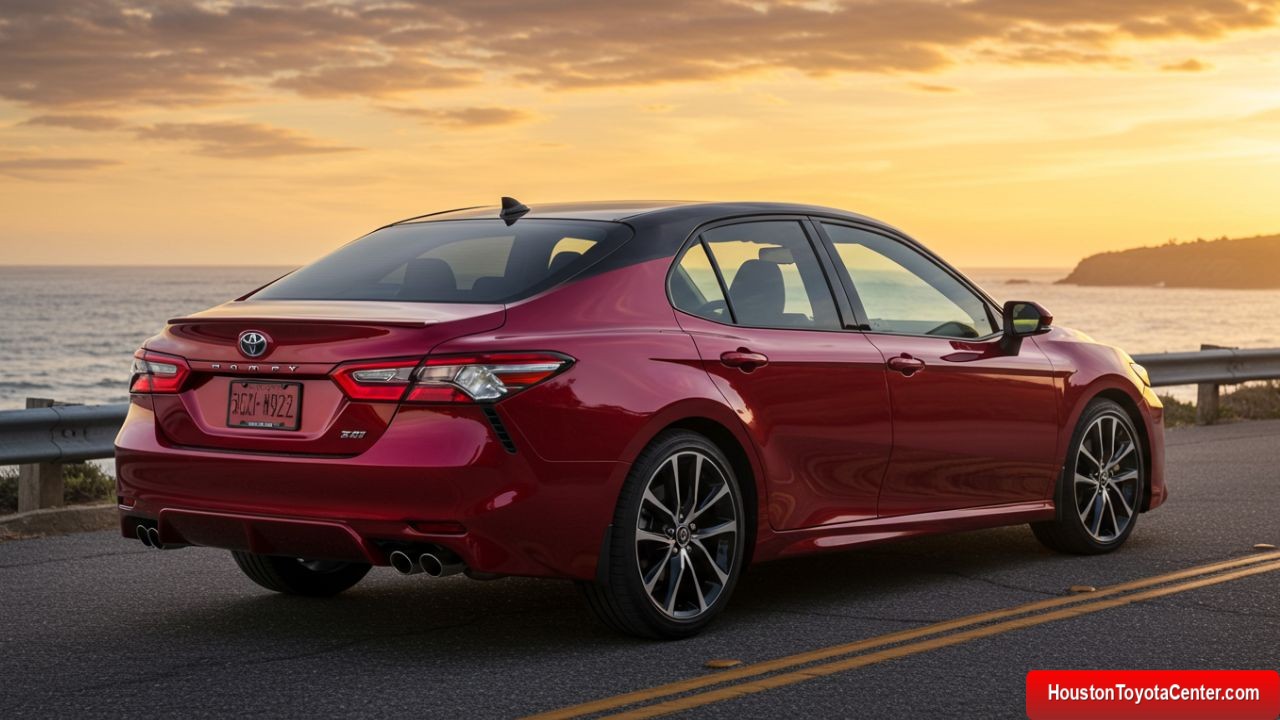
For decades, the Toyota Camry has represented dependability, practicality, and everyday comfort. While many automakers have shifted their focus toward SUVs and crossovers, the Camry continues to prove that the midsize sedan remains relevant. As the automotive industry moves toward electrification, advanced connectivity, and smarter driver assistance technologies, the Camry is entering a new chapter that balances tradition with innovation.
Hybrid Technology Takes Center Stage
One of the biggest developments in the Camry’s evolution is Toyota’s commitment to hybrid powertrains. By making hybrid technology a central part of the lineup, the company is responding to increasing consumer demand for better fuel efficiency and lower emissions without sacrificing reliability.
Modern hybrid systems deliver smooth acceleration, quieter driving, and reduced operating costs, making the Camry an attractive option for commuters and families alike. As battery technology continues to improve, future generations are expected to become even more efficient while maintaining the long-term durability for which the model is known.
Smarter Safety and Driver Assistance
Safety has long been one of the Camry’s strongest selling points. Looking ahead, Toyota is expected to continue expanding its suite of advanced driver assistance features.
FREE: Quickly identify and understand problems with your vehicle 🚘
CLICK HEREEnhanced adaptive cruise control, improved lane-centering capabilities, smarter collision avoidance systems, and more sophisticated sensor technology could make future Camry models even safer in a wide range of driving conditions. These innovations are designed to reduce driver fatigue while improving overall confidence behind the wheel.
A More Connected Driving Experience
Digital technology is becoming just as important as engine performance. Future Camry models are likely to feature larger infotainment displays, faster software, wireless smartphone integration, cloud-based navigation, and expanded over-the-air software updates.
Artificial intelligence may also play a greater role by offering personalized driving recommendations, predictive maintenance alerts, and voice assistants capable of understanding more natural conversations.
Design That Evolves Without Losing Identity
Toyota has gradually modernized the Camry’s appearance while preserving the characteristics that have made it recognizable for decades. Future versions are expected to feature cleaner body lines, improved aerodynamics, slimmer LED lighting, and more refined interior materials.
The goal is to appeal to younger buyers while maintaining the comfort and practicality that loyal customers have come to expect.
Competing in an SUV-Dominated Market
Although SUVs continue to dominate global sales, sedans still offer meaningful advantages. They typically provide better fuel economy, lower weight, improved handling, and a more comfortable ride for highway travel.
The Camry’s future depends on Toyota’s ability to highlight these strengths while integrating technologies that modern buyers increasingly expect. By combining efficiency, comfort, and advanced features, the sedan remains well positioned in a highly competitive market.
Looking Ahead
The future of the Toyota Camry is not about abandoning its heritage. Instead, it is about refining the qualities that have defined the model for decades while embracing the technologies shaping the next generation of mobility.
With hybrid innovation, intelligent safety systems, connected digital features, and a refreshed design philosophy, the Camry appears ready to remain one of the automotive industry’s most recognizable and trusted sedans for years to come.
Leave a Reply