
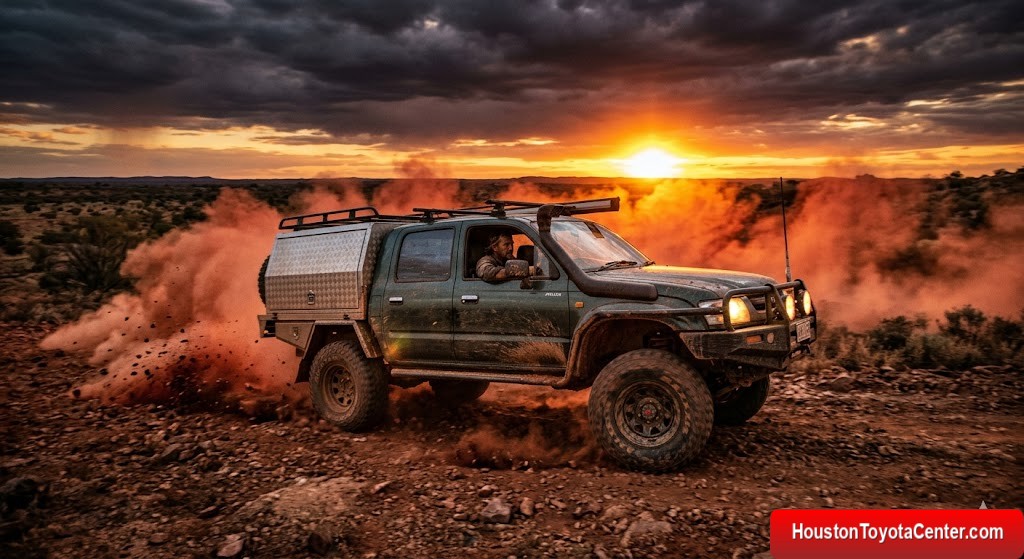
Few vehicles capture the spirit of a nation quite like the Australian ute. Rugged, versatile, and deeply embedded in the country’s culture, the ute—short for “utility vehicle”—is more than just a mode of transport. It is a symbol of practicality, independence, and identity. From dusty outback tracks to suburban driveways, the Australian ute has evolved over decades to become one of the most recognizable and beloved vehicle types in the world.
This article explores the history, evolution, cultural significance, design features, and future of Australian utes. Whether used for farming, trades, recreation, or simply as a daily driver, the ute represents a unique blend of function and personality that few other vehicles can match.
The Origins of the Australian Ute
The story of the Australian ute begins in the early 20th century, during a time when rural Australia demanded vehicles that could serve both work and personal needs. Farmers needed something practical enough to carry tools, livestock, and produce, yet comfortable enough for family use, including trips into town or church on Sundays.
The origin is often traced back to a request made in the 1930s by a farmer’s wife who reportedly wanted “a vehicle to go to church in on Sunday and carry pigs to market on Monday.” This practical requirement led to the creation of a hybrid vehicle that combined the comfort of a passenger car with the utility of a light truck.
FREE: Quickly identify and understand problems with your vehicle 🚘
CLICK HEREEarly designs featured a coupe-like cabin integrated with an open cargo tray at the rear. Unlike American pickup trucks, which were built on truck chassis, Australian utes were often based on passenger car platforms. This gave them a smoother ride and a more car-like driving experience.
Evolution Through the Decades
1930s–1950s: The Birth and Early Development
The first utes were simple but effective. Built with durability in mind, they quickly gained popularity in rural areas. Manufacturers began refining designs, improving load capacity, and enhancing comfort.
During this period, utes were almost exclusively work vehicles. They were essential tools for farmers, tradespeople, and small business owners.
1960s–1980s: Expansion and Cultural Integration
By the 1960s, utes had begun to spread beyond rural environments into suburban areas. Their versatility made them appealing to a wider audience, including tradespeople in urban settings.
This era saw improvements in styling and performance. Utes began to adopt more powerful engines and sleeker designs, reflecting broader automotive trends. They also started to appear in popular culture, becoming associated with a rugged, no-nonsense lifestyle.
1990s–2000s: Performance Meets Utility
The late 20th century marked a turning point for utes. Manufacturers began introducing high-performance variants, blending sports car characteristics with utility functionality.
These “sport utes” featured powerful engines, rear-wheel drive, and enhanced suspension systems. They appealed to drivers who wanted both performance and practicality.
At the same time, dual-cab utes—featuring four doors and additional passenger space—became increasingly popular. This configuration made utes more family-friendly, further expanding their appeal.
2010s–Present: Modernization and Global Influence
In recent years, the ute market has undergone significant changes. Many traditional car-based utes have been phased out, replaced by models based on truck platforms, similar to global pickup trucks.
Modern utes now offer advanced technology, safety features, and refined interiors. They are no longer just workhorses—they are lifestyle vehicles.
Key Features of Australian Utes
Australian utes are defined by their unique combination of characteristics. Below is a breakdown of their most notable features:
| Feature | Description |
|---|---|
| Cargo Tray | Open rear bed for carrying tools, equipment, or goods |
| Dual Functionality | Suitable for both work and personal use |
| Rear-Wheel Drive (RWD) | Traditional layout for better load handling |
| Suspension Design | Balanced for both comfort and heavy loads |
| Engine Options | Range from fuel-efficient to high-performance engines |
| Cabin Configurations | Single cab, extended cab, and dual cab |
| Durability | Built to withstand harsh environments and heavy usage |
| Towing Capacity | Strong towing capabilities for trailers, boats, and caravans |
Utes in Australian Culture
The ute is more than just a vehicle—it is a cultural icon in Australia. Its significance extends into social life, traditions, and identity.
Rural Life and Agriculture
In rural Australia, the ute is indispensable. Farmers rely on it for transporting tools, livestock feed, and equipment across vast properties. Its ability to handle rough terrain makes it essential in remote areas.
Trades and Industry
Tradespeople—often referred to as “tradies”—depend heavily on utes. Electricians, plumbers, carpenters, and builders use them to carry tools and materials to job sites.
The ute’s practicality and reliability make it the vehicle of choice in these professions.
Recreation and Lifestyle
Utes are also widely used for recreational activities. From camping and fishing to off-road adventures, they provide the flexibility needed for outdoor pursuits.
Many owners customize their utes with accessories such as roof racks, bull bars, and off-road tires, tailoring them to specific lifestyles.
Ute Musters and Community Events
One of the most unique cultural expressions involving utes is the “ute muster.” These gatherings bring together thousands of ute enthusiasts for celebrations featuring music, competitions, and displays.
Activities may include:
- Best-presented ute competitions
- Tug-of-war events
- Barrel racing
- Burnout contests
These events highlight the strong community and identity built around ute ownership.
Types of Australian Utes
Over time, several distinct categories of utes have emerged:
1. Single Cab Utes
- Two-door configuration
- Large cargo area
- Ideal for heavy-duty work
2. Extended Cab Utes
- Small rear seating area
- Additional storage space
- Balanced between work and limited passenger use
3. Dual Cab Utes
- Four doors with full rear seating
- Family-friendly
- Most popular modern configuration
Advantages of Owning a Ute
Versatility
One of the biggest advantages is the ability to switch seamlessly between work and leisure tasks.
Durability
Built for tough conditions, utes are designed to handle heavy loads and rough terrain.
Resale Value
Utes tend to retain their value well, especially in markets where demand remains strong.
Customization
Owners can modify their vehicles extensively to suit personal or professional needs.
Challenges and Criticisms
Despite their popularity, utes are not without drawbacks.
Fuel Consumption
Larger engines and heavier builds can lead to higher fuel usage compared to smaller cars.
Urban Practicality
In crowded cities, parking and maneuverability can be challenging.
Environmental Impact
As emissions standards become stricter, traditional combustion-engine utes face increasing scrutiny.
The Shift Toward Modern Pickup Trucks
In recent years, the distinction between Australian utes and global pickup trucks has blurred. Many modern utes are now built on ladder-frame chassis, offering increased durability and off-road capability.
This shift reflects changing consumer preferences and global manufacturing trends.
Technology and Innovation
Modern utes are equipped with a wide range of advanced features:
- Touchscreen infotainment systems
- Smartphone integration
- Driver-assistance technologies
- Adaptive cruise control
- Lane-keeping assist
- Off-road driving modes
These innovations have transformed utes into sophisticated vehicles suitable for a wide range of users.
Electric and Hybrid Utes: The Future
As the automotive industry moves toward sustainability, electric and hybrid utes are beginning to emerge.
Benefits of Electrification
- Reduced emissions
- Lower operating costs
- Quiet operation
- Instant torque for towing
Challenges
- Limited charging infrastructure in remote areas
- Higher upfront costs
- Battery range concerns for long-distance travel
Despite these challenges, the transition to electric utes is expected to accelerate in the coming years.
Comparing Utes to Other Vehicle Types
| Vehicle Type | Strengths | Weaknesses |
|---|---|---|
| Ute | Versatile, durable, practical | Fuel consumption, size |
| Sedan | Comfortable, efficient | Limited cargo space |
| SUV | Spacious, family-friendly | Less cargo utility than utes |
| Pickup Truck | High towing capacity | Less refined ride (traditionally) |
The Emotional Connection
What truly sets the Australian ute apart is the emotional connection people have with it. For many, it represents:
- Freedom
- Hard work
- Self-reliance
- Adventure
It is not uncommon for owners to develop strong attachments to their utes, often keeping them for many years or even passing them down through generations.
Customization and Personal Expression
Ute owners often take pride in customizing their vehicles. Common modifications include:
- Lift kits for off-road capability
- Alloy wheels
- Custom paint jobs
- Performance upgrades
- Storage solutions and toolboxes
These modifications allow owners to tailor their utes to their specific needs and preferences.
Utes in Media and Pop Culture
Australian utes have appeared in films, television, and advertising, often portrayed as symbols of rugged masculinity and independence.
They are frequently associated with:
- Rural life
- Blue-collar work ethic
- Outdoor adventure
This representation has helped solidify their iconic status.
Global Influence
While the ute is uniquely Australian in origin, its influence has spread globally. Similar vehicles can now be found in many markets, though the original concept remains distinctly tied to Australia.
International manufacturers have recognized the appeal of the ute and have adapted their designs to meet global demand.
Buying a Ute: What to Consider
When choosing a ute, buyers typically evaluate several factors:
Purpose
- Work vs. personal use
- Off-road vs. city driving
Load and Towing Requirements
- Payload capacity
- Towing capabilities
Fuel Efficiency
- Diesel vs. petrol vs. electric
Features
- Safety technology
- Interior comfort
- Connectivity options
Maintenance and Longevity
Utes are generally built to last, but proper maintenance is essential:
- Regular servicing
- Tire maintenance
- Suspension checks
- Cleaning to prevent corrosion
With proper care, a ute can remain reliable for many years.
Conclusion
The Australian ute stands as a testament to innovation driven by necessity. What began as a practical solution for farmers has evolved into a versatile and culturally significant vehicle that continues to adapt to changing times.
Its ability to balance work and lifestyle needs has ensured its enduring popularity. As technology advances and environmental considerations reshape the automotive landscape, the ute will undoubtedly continue to evolve.
Yet, at its core, it will remain what it has always been: a dependable, hardworking companion that reflects the spirit of Australia.
Leave a Reply