
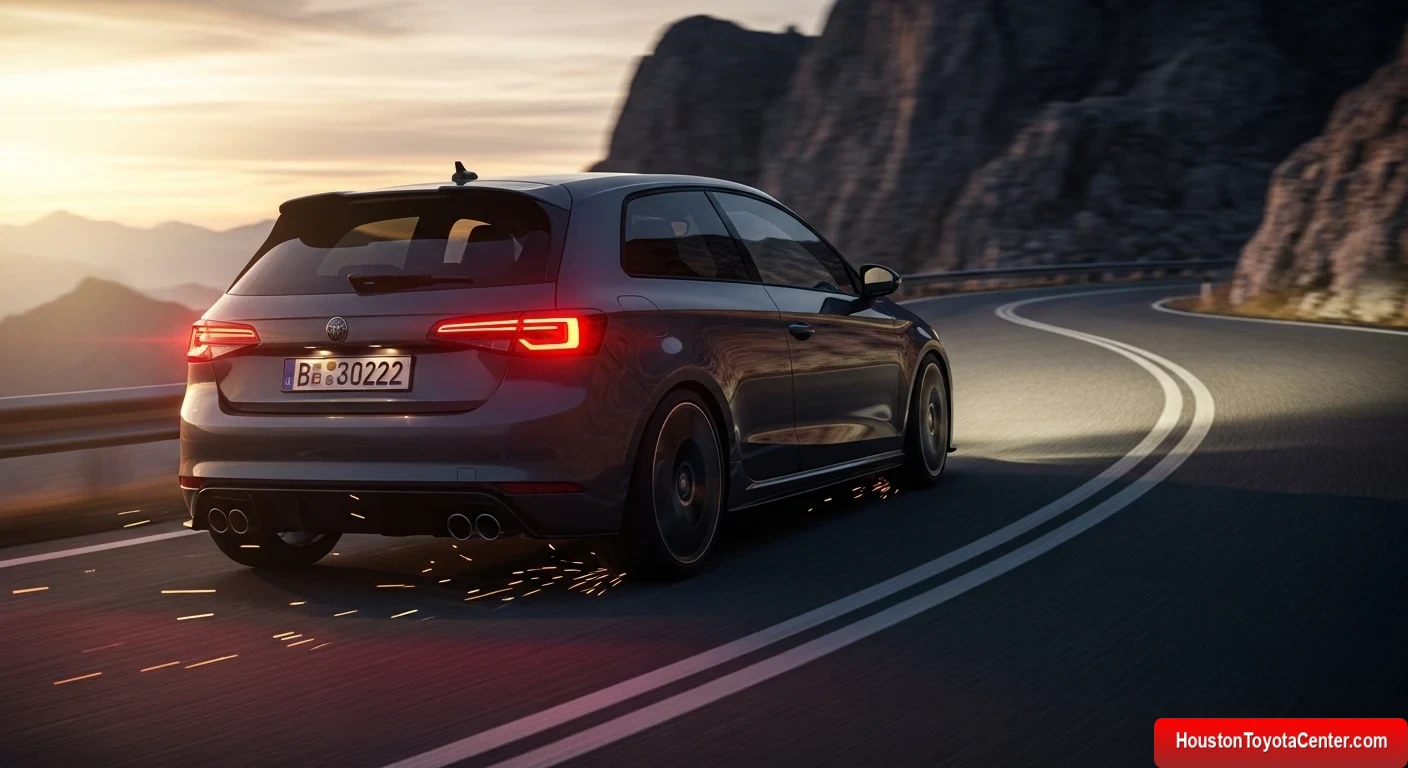
European hot hatches occupy a unique and beloved space in automotive culture. They combine practicality with performance, offering drivers the thrill of a sports car without sacrificing everyday usability. These compact performance machines have evolved significantly over the decades, blending cutting-edge engineering with cultural identity, and they continue to shape the way enthusiasts and everyday drivers alike think about driving excitement.
The Origins of the Hot Hatch Phenomenon
The term “hot hatch” refers to a high-performance version of a hatchback car. While hatchbacks were originally designed as economical and practical vehicles, European manufacturers saw an opportunity to inject excitement into this humble format. The concept took off in the 1970s and 1980s, when automakers began modifying small cars with more powerful engines, improved suspension systems, and sportier aesthetics.
One of the earliest icons of the genre emerged in the mid-1970s, setting the tone for decades to come. The formula was simple yet revolutionary: take a lightweight car, add a responsive engine, sharpen the handling, and keep the price relatively accessible. This democratization of performance made driving fun available to a broader audience.
Why Europe Became the Hot Hatch Capital
Europe’s geography and driving culture played a major role in shaping the hot hatch. Narrow roads, tight city layouts, and high fuel costs made compact cars more practical than large vehicles. At the same time, European drivers have long valued handling precision and driver engagement.
FREE: Quickly identify and understand problems with your vehicle 🚘
CLICK HEREUnlike in markets dominated by large sedans or SUVs, European drivers needed cars that could navigate both urban environments and winding countryside roads. The hatchback layout provided versatility, while performance upgrades added excitement. This combination proved irresistible.
Additionally, Europe’s strong motorsport heritage influenced engineering philosophies. Technologies developed on the racetrack often found their way into road cars, including hot hatches. The result was a category of vehicles that delivered a dynamic driving experience far beyond their modest size.
Core Characteristics of Hot Hatches
Although each model has its own personality, most hot hatches share several defining traits:
- Compact dimensions for urban practicality
- Turbocharged engines or high-revving naturally aspirated units
- Front-wheel drive (traditionally), though all-wheel drive has become more common
- Sport-tuned suspension and steering
- Distinctive but subtle styling cues
- Everyday usability, including rear seats and cargo space
These features create a balance between performance and practicality that few other vehicle types can match.
Evolution of Performance Engineering
Over the years, hot hatches have undergone significant technological advancements. Early models relied on relatively simple mechanical upgrades, but modern versions incorporate sophisticated electronics and engineering solutions.
Engine Technology
Modern hot hatches typically use turbocharged engines to maximize power while maintaining efficiency. Turbocharging allows smaller engines to produce impressive horsepower figures, often exceeding those of older sports cars.
Transmission Advancements
Manual transmissions were once the hallmark of hot hatches, emphasizing driver engagement. While manuals remain popular among purists, dual-clutch automatic transmissions have become increasingly common. These systems provide lightning-fast gear changes and improved performance metrics.
Suspension and Handling
Suspension systems have evolved dramatically, incorporating adaptive dampers, multi-link rear setups, and advanced traction control systems. These enhancements allow hot hatches to deliver both comfort and sharp handling.
Electronic Driver Aids
Modern hot hatches feature advanced driver assistance and performance systems, including:
- Launch control
- Drive mode selection
- Torque vectoring
- Stability management systems
These technologies enhance performance while maintaining safety and accessibility.
Comparison of Classic vs Modern Hot Hatches
| Feature | Classic Hot Hatches (1980s–1990s) | Modern Hot Hatches (2000s–Present) |
|---|---|---|
| Engine Type | Naturally aspirated | Turbocharged |
| Power Output | 100–150 hp | 200–320+ hp |
| Transmission | Manual | Manual / Dual-clutch |
| Electronics | Minimal | Advanced systems |
| Driving Experience | Raw and mechanical | Refined yet powerful |
| Safety Features | Basic | Comprehensive |
This comparison highlights how far the segment has come, while also illustrating why some enthusiasts still prefer the simplicity of older models.
The Driving Experience
Driving a hot hatch is often described as uniquely engaging. The combination of a compact chassis and responsive engine creates a sense of agility that larger performance cars struggle to replicate.
Front-wheel-drive setups, common in many hot hatches, present their own challenges and rewards. Engineers have worked extensively to minimize torque steer and maximize grip, resulting in cars that feel planted yet playful.
All-wheel-drive hot hatches, on the other hand, offer enhanced traction and acceleration, making them particularly appealing in varying weather conditions.
Everyday Practicality
One of the defining advantages of hot hatches is their practicality. Unlike traditional sports cars, they can comfortably serve as daily drivers.
Key practical benefits include:
- Foldable rear seats for increased cargo space
- Compact size for easy parking
- Relatively good fuel efficiency
- Comfortable interiors with modern infotainment systems
This dual-purpose nature is a major reason for their enduring popularity.
Design Philosophy
Hot hatch design typically balances subtlety with aggression. Unlike exotic sports cars, they often retain the general shape of their standard counterparts while incorporating performance-oriented details such as:
- Larger wheels
- Sportier bumpers
- Dual exhaust systems
- Distinctive badging
This understated approach appeals to drivers who prefer a “sleeper” aesthetic—cars that don’t immediately reveal their performance capabilities.
Cultural Impact
Hot hatches have had a profound impact on automotive culture, particularly in Europe. They are often associated with younger drivers, car enthusiasts, and grassroots motorsport.
They also play a significant role in car communities, including:
- Track day events
- Car meets
- Tuning and modification culture
Their accessibility makes them an entry point into performance driving, fostering a passionate and diverse enthusiast base.
The Role of Tuning and Customization
Hot hatches are particularly popular in the tuning community. Their turbocharged engines and relatively simple layouts make them ideal candidates for performance upgrades.
Common modifications include:
- ECU remapping
- Upgraded exhaust systems
- Suspension enhancements
- Performance tires
These modifications can significantly increase performance, allowing owners to tailor their cars to their preferences.
Environmental Considerations
As environmental concerns grow, hot hatch manufacturers face increasing pressure to reduce emissions. This has led to the adoption of hybrid systems and more efficient engine technologies.
Some modern hot hatches incorporate mild hybrid systems to improve efficiency without compromising performance. Fully electric hot hatches are also beginning to emerge, signaling a new chapter in the segment’s evolution.
Market Trends and Consumer Preferences
The automotive market has shifted significantly in recent years, with SUVs and crossovers dominating sales. Despite this trend, hot hatches continue to maintain a loyal following.
Manufacturers have adapted by:
- Increasing power outputs
- Adding premium features
- Enhancing technology integration
These updates help keep hot hatches relevant in a competitive market.
Advantages Over Other Performance Cars
Hot hatches offer several advantages compared to traditional sports cars:
- Lower cost of entry
- Greater practicality
- Easier drivability
- Better fuel efficiency
These factors make them an attractive option for drivers seeking performance without compromise.
Challenges Facing the Segment
Despite their strengths, hot hatches face several challenges:
- Stricter emissions regulations
- Declining demand for manual transmissions
- Competition from electric vehicles
- Market shift toward SUVs
Manufacturers must innovate to keep the segment alive and appealing.
The Future of Hot Hatches
The future of hot hatches is both exciting and uncertain. Electrification is likely to play a major role, with manufacturers exploring ways to deliver performance through electric powertrains.
Electric hot hatches could offer:
- Instant torque
- Lower emissions
- Advanced connectivity features
However, they may also face criticism from purists who value the traditional driving experience.
Emotional Appeal
Beyond specifications and performance metrics, hot hatches offer something intangible: emotional connection. They evoke a sense of fun, freedom, and individuality that resonates with drivers.
This emotional appeal is a key factor in their enduring popularity. Whether navigating city streets or tackling winding roads, hot hatches deliver a driving experience that feels personal and engaging.
Conclusion
European hot hatches represent a perfect fusion of practicality and performance. They have evolved from simple modified hatchbacks into sophisticated machines capable of rivaling traditional sports cars.
Their enduring appeal lies in their versatility, accessibility, and driving enjoyment. While the automotive landscape continues to change, the essence of the hot hatch remains the same: delivering big thrills in a small package.
As technology advances and new challenges emerge, hot hatches will undoubtedly continue to evolve. Whether powered by turbocharged engines or electric motors, they are likely to remain a vital and exciting part of automotive culture for years to come.
Leave a Reply