
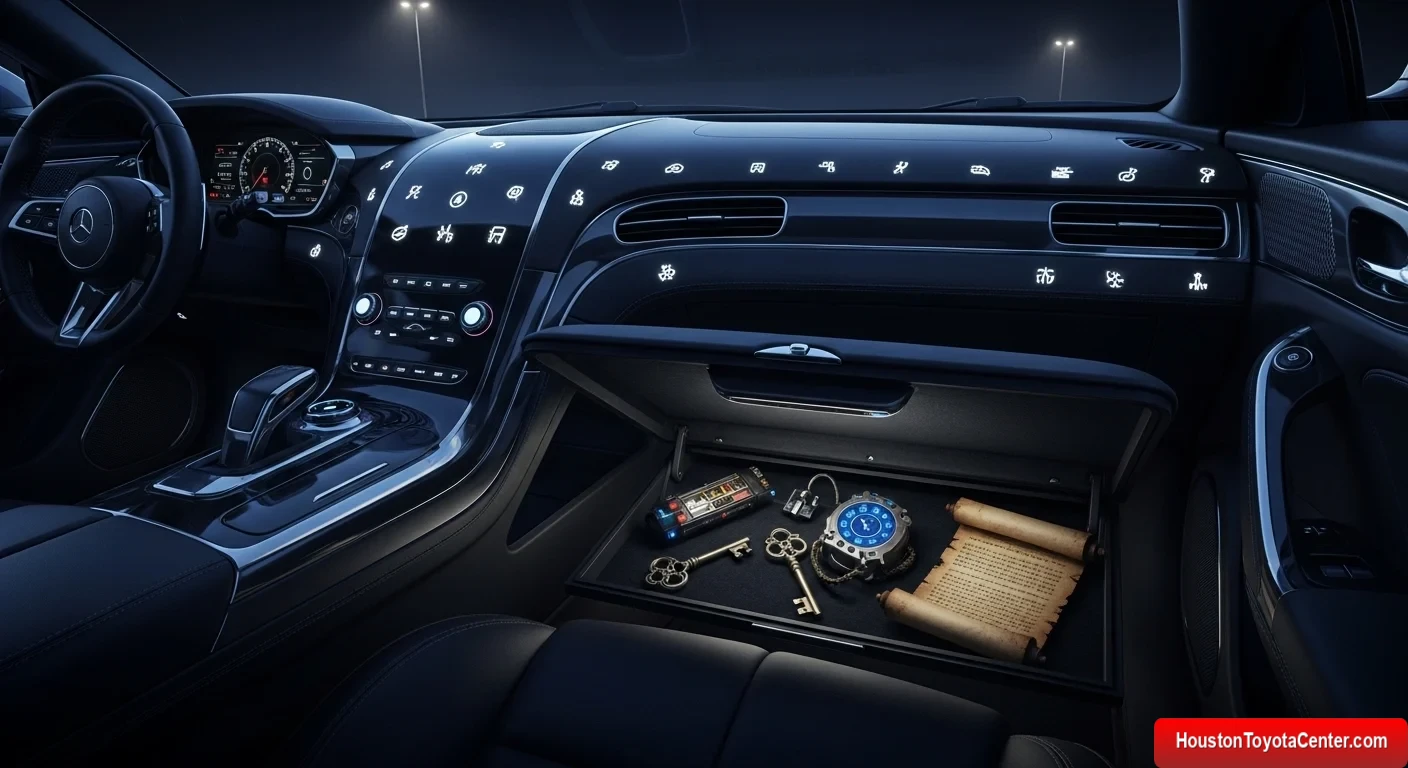
The modern automobile is far more than a machine designed to transport people from one place to another. It has evolved into a complex blend of engineering, art, technology, and even storytelling. Beneath the surface of sleek exteriors and advanced infotainment systems lies a fascinating world of “automotive Easter eggs”—hidden features, subtle design touches, and playful secrets embedded by designers and engineers. These elements often go unnoticed by casual drivers, yet they reveal the personality, creativity, and sometimes humor of the people who build these machines.
This article explores the intriguing phenomenon of automotive Easter eggs, tracing their origins, examining their purposes, and highlighting some of the most creative examples across the automotive industry. From secret logos and coded messages to hidden compartments and software surprises, these details transform vehicles into interactive experiences that reward curiosity.
What Are Automotive Easter Eggs?
An automotive Easter egg is a hidden feature or design detail intentionally included in a vehicle by its creators. Much like Easter eggs in films or video games, these elements are not immediately obvious and are often discovered only by attentive users or enthusiasts.
They can take many forms:
FREE: Quickly identify and understand problems with your vehicle 🚘
CLICK HERE- Visual elements (hidden logos, shapes, or patterns)
- Functional surprises (secret compartments or alternate modes)
- Digital features (software tricks in infotainment systems)
- Cultural references (nods to history, pop culture, or internal company jokes)
Unlike standard features, Easter eggs are not typically advertised. Their value lies in discovery—the delight of finding something unexpected.
The Origins of Hidden Design Touches
The concept of Easter eggs in products predates automobiles, appearing in art, literature, and later in software. In the automotive world, these hidden details began appearing more frequently in the late 20th century as manufacturing processes became more flexible and designers gained more creative freedom.
Initially, such touches were subtle—small engravings, symbolic shapes, or inside jokes among engineering teams. As vehicles became more digitized, the scope expanded dramatically. Software allowed for hidden menus, animations, and even games embedded within the vehicle’s interface.
Today, Easter eggs are often part of a brand’s identity, helping differentiate models in a competitive market.
Why Automakers Include Easter Eggs
At first glance, it might seem unnecessary to include features that most users will never notice. However, there are several compelling reasons why automakers invest time in these details.
1. Humanizing the Machine
Cars are highly engineered products, often perceived as purely functional. Easter eggs inject personality into these machines, reminding users that they were created by people with imagination and humor.
2. Rewarding Curiosity
Discovering a hidden feature creates a sense of accomplishment. It turns the ownership experience into a kind of exploration, deepening the emotional connection between driver and vehicle.
3. Strengthening Brand Identity
Hidden design elements often reference a company’s heritage, values, or iconic models. This reinforces brand loyalty and creates a sense of continuity.
4. Engaging Enthusiast Communities
Automotive enthusiasts love sharing discoveries. Easter eggs generate discussion, online content, and word-of-mouth marketing without traditional advertising.
5. Encouraging Exploration of Features
Sometimes, Easter eggs lead users to explore aspects of the car they might otherwise ignore, such as advanced settings or customization options.
Categories of Automotive Easter Eggs
Automotive Easter eggs can be broadly categorized based on their nature and function. The following table provides an overview:
| Category | Description | Example Type |
|---|---|---|
| Visual Design | Hidden shapes, logos, or patterns in physical components | Map outlines, silhouettes |
| Functional Features | Secret compartments or alternate uses of components | Hidden storage spaces |
| Digital/Software | Hidden menus, animations, or responses in infotainment systems | Voice command surprises |
| Historical References | Elements referencing past models or milestones | Engraved dates or model names |
| Cultural/Pop References | Nod to movies, games, or internal jokes | Character silhouettes |
| Environmental Interactions | Features that activate under specific conditions | Light patterns or startup animations |
Visual Easter Eggs: Design Details Hidden in Plain Sight
One of the most common forms of automotive Easter eggs involves subtle visual details integrated into the vehicle’s design.
Hidden Shapes and Patterns
Designers often incorporate shapes that reference something meaningful. These might appear in:
- Headlight housings
- Dashboard textures
- Seat stitching
- Air vent patterns
For example, a vehicle designed for urban environments might include a stylized skyline pattern etched into interior panels. Similarly, off-road vehicles may feature mountain silhouettes or topographic lines.
Micro-Engravings
Some manufacturers include tiny engravings visible only upon close inspection. These might depict:
- The outline of a famous landmark
- A miniature version of the vehicle itself
- Coordinates of a significant location
These details often go unnoticed for years, making their discovery especially satisfying.
Functional Easter Eggs: Hidden Utility
Beyond aesthetics, some Easter eggs serve a practical purpose.
Secret Compartments
Hidden storage spaces are a classic example. These compartments may be concealed behind panels, under seats, or within seemingly solid components.
They can be used to store:
- Emergency tools
- Personal items
- Valuables
The cleverness lies in their invisibility—they blend seamlessly into the car’s design.
Multi-Purpose Components
Some parts of a car are designed to serve secondary functions. For instance:
- Removable components that double as tools
- Adjustable elements that reveal hidden features when repositioned
These touches demonstrate thoughtful engineering and attention to user experience.
Digital Easter Eggs: Software Surprises
As vehicles have become increasingly digital, software-based Easter eggs have grown in popularity.
Hidden Menus
Many infotainment systems include secret menus accessible through specific sequences of inputs. These menus may reveal:
- Diagnostic information
- Developer settings
- Special visual themes
Voice Command Surprises
Voice assistants in cars sometimes respond playfully to unexpected commands. Instead of standard responses, they may deliver jokes, references, or unique messages.
Animated Features
Some vehicles include hidden animations triggered by certain actions, such as:
- Startup sequences
- Charging status displays
- Unlocking or locking the vehicle
These animations often reflect the brand’s personality or technological identity.
Historical References: Honoring the Past
Automakers frequently pay homage to their heritage through subtle references.
Legacy Model Tributes
A modern vehicle might include design cues from a classic predecessor, such as:
- A silhouette embedded in a window corner
- A badge referencing a historic model
- Interior stitching patterns inspired by vintage designs
Anniversary Markers
Special editions sometimes include hidden references to significant dates or milestones, such as:
- Founding years
- Production milestones
- Racing victories
These elements connect the present with the past, creating a narrative across generations of vehicles.
Cultural and Pop Culture References
Some Easter eggs go beyond automotive history and tap into broader culture.
Film and Media References
Designers occasionally include subtle nods to popular films or television shows. These might appear as:
- Symbolic shapes
- Hidden icons
- Thematic design elements
Internal Jokes
Engineering teams sometimes include inside jokes that only insiders fully understand. Over time, these jokes may be discovered and shared by enthusiasts, adding to the vehicle’s mystique.
Environmental Easter Eggs: Contextual Surprises
Certain Easter eggs only appear under specific conditions.
Light-Based Features
Lighting systems are often used creatively to reveal hidden elements:
- Patterns projected onto the ground when doors open
- Unique light sequences during startup
- Subtle illumination changes based on driving modes
Context-Triggered Behavior
Some features activate only in particular scenarios, such as:
- Extreme weather conditions
- Specific geographic locations
- Unique combinations of user inputs
These dynamic elements make the vehicle feel responsive and alive.
The Role of Designers and Engineers
Automotive Easter eggs are rarely the result of a single individual. They emerge from collaboration among designers, engineers, and product teams.
Creative Freedom
Including Easter eggs often requires approval, as every component must meet safety and cost requirements. Teams must balance creativity with practicality.
Hidden Signatures
In some cases, designers leave a kind of “signature” within the vehicle—a subtle mark indicating their contribution. This practice mirrors traditions in art and architecture.
Challenges in Implementing Easter Eggs
While fun and engaging, Easter eggs are not without challenges.
Cost Constraints
Even small design changes can increase manufacturing costs. Teams must ensure that Easter eggs do not significantly impact production efficiency.
Regulatory Requirements
Automotive components are subject to strict regulations. Hidden features must comply with safety standards and cannot interfere with primary functions.
Risk of Misinterpretation
Some hidden elements might be misunderstood or overlooked entirely. Designers must strike a balance between subtlety and discoverability.
The Psychology of Discovery
The appeal of Easter eggs lies in human psychology.
Curiosity and Exploration
Humans are naturally curious. Hidden features tap into this instinct, encouraging exploration and engagement.
Reward Mechanisms
Discovering an Easter egg triggers a sense of reward, similar to solving a puzzle. This positive reinforcement strengthens the user’s connection to the product.
Social Sharing
People enjoy sharing discoveries. In the age of social media, a single hidden feature can generate widespread attention.
The Future of Automotive Easter Eggs
As technology continues to evolve, the possibilities for Easter eggs expand.
Augmented Reality Integration
Future vehicles may use augmented reality displays to reveal hidden elements dynamically, depending on context or user interaction.
Personalization
Easter eggs could become personalized, adapting to individual users based on preferences or driving behavior.
Over-the-Air Updates
With software updates, manufacturers can introduce new Easter eggs long after the vehicle has been purchased, keeping the experience fresh.
Case Study Overview Table
Below is a simplified comparison of how different types of Easter eggs enhance user experience:
| Feature Type | Visibility Level | User Impact | Discovery Method |
|---|---|---|---|
| Visual Details | Low | Aesthetic delight | Close inspection |
| Functional Features | Medium | Practical benefit | Exploration |
| Digital Features | Variable | Interactive fun | Input sequences or commands |
| Historical References | Low | Emotional connection | Knowledge of brand history |
| Environmental Effects | Medium-High | Dynamic engagement | Context-based triggers |
Why These Details Matter
At a time when vehicles are increasingly standardized and technology-driven, small details make a big difference. Automotive Easter eggs provide:
- A sense of uniqueness
- Emotional engagement
- A deeper appreciation of design and engineering
They remind us that even in highly industrialized processes, creativity still thrives.
Conclusion
Automotive Easter eggs represent a fascinating intersection of engineering precision and human creativity. They transform vehicles from mere transportation devices into interactive experiences filled with personality and hidden stories.
Whether it’s a tiny engraving, a secret compartment, or a playful software response, these details reward curiosity and foster a deeper connection between driver and machine. As technology advances, the scope for such features will only grow, promising even more innovative and personalized surprises in the future.
In the end, automotive Easter eggs are not just about hidden features—they are about discovery, delight, and the enduring human desire to leave a mark, even in the most unexpected places.
Leave a Reply