
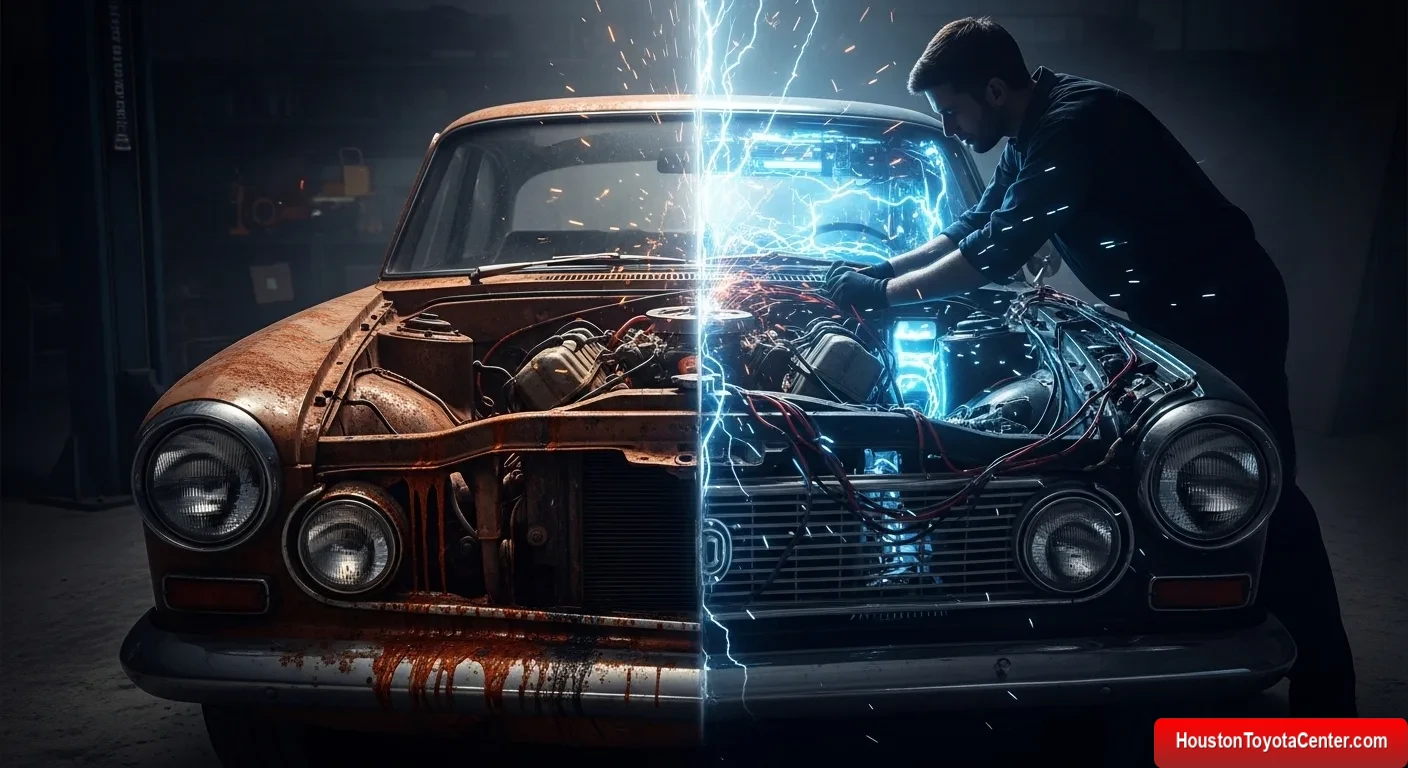
The global shift toward sustainable transportation has sparked increasing interest in electric vehicles (EVs). While major automakers continue to roll out new electric models, a growing number of enthusiasts are exploring a different path: converting existing gasoline-powered cars into electric vehicles. This movement, often referred to as DIY electric car conversion, combines engineering curiosity, environmental awareness, and a passion for customization.
But is it truly feasible for the average person? Can a DIY electric conversion realistically compete with factory-built EVs in terms of performance, safety, cost, and reliability? This article takes a deep dive into the feasibility of DIY electric car conversions, examining the technical, financial, legal, and practical dimensions of the process.
Understanding DIY Electric Car Conversion
A DIY electric car conversion involves removing the internal combustion engine (ICE) and related components from a vehicle and replacing them with an electric drivetrain. This typically includes:
- An electric motor
- A battery pack
- A motor controller
- Charging systems
- Auxiliary systems (cooling, power steering, etc.)
The idea is simple in concept: replace fuel-based propulsion with electric power. In practice, however, the process is complex and requires careful planning, mechanical skill, and electrical knowledge.
FREE: Quickly identify and understand problems with your vehicle 🚘
CLICK HEREWhy Consider Converting a Car to Electric?
Environmental Motivation
One of the primary drivers behind DIY conversions is environmental concern. Converting an existing vehicle can extend its lifespan and reduce waste associated with manufacturing a new car. While battery production has its own environmental footprint, reusing an existing chassis can offset some of that impact.
Cost Considerations
New electric vehicles can be expensive, especially in markets where subsidies are limited. A DIY conversion may offer a lower upfront cost, particularly if the base vehicle is already owned.
Customization and Learning
For hobbyists and engineers, conversion projects offer an opportunity to learn and experiment. Builders can tailor performance, range, and features to their preferences.
Preservation of Classic Cars
Many enthusiasts convert vintage or classic vehicles to electric power, preserving their aesthetics while modernizing their functionality.
Key Components of an Electric Conversion
To understand feasibility, it’s essential to break down the core components involved.
Electric Motor
The motor replaces the combustion engine. There are different types:
- DC motors: Simpler and cheaper, but less efficient
- AC motors: More efficient and common in modern builds, but require complex controllers
Battery Pack
The battery is the heart of the system. Lithium-ion batteries are the most common due to their energy density and lifespan.
Motor Controller
This regulates power delivery from the battery to the motor, controlling speed and torque.
Charger
An onboard charger allows the vehicle to recharge from external power sources.
Transmission
Some conversions retain the original manual transmission, while others use a direct-drive system.
Conversion Process Overview
The process typically follows these stages:
- Vehicle Selection
- Planning and Design
- Removal of ICE Components
- Installation of Electric Components
- Wiring and Integration
- Testing and Debugging
- Certification and Legal Compliance
Each stage requires different skills and tools, making the project both challenging and rewarding.
Cost Breakdown
The cost of a DIY electric conversion varies widely depending on the quality of components and desired performance.
| Component | Estimated Cost (USD) |
|---|---|
| Electric Motor | $1,000 – $5,000 |
| Battery Pack | $3,000 – $15,000 |
| Controller | $1,000 – $3,000 |
| Charger | $500 – $2,000 |
| Miscellaneous Parts | $1,000 – $5,000 |
| Total | $6,500 – $30,000+ |
This range highlights a critical point: conversions are not always cheaper than buying a used electric vehicle.
Technical Challenges
Electrical Complexity
Working with high-voltage systems can be dangerous. Proper insulation, grounding, and safety protocols are essential.
Battery Management
Balancing cells, monitoring temperature, and ensuring longevity require sophisticated battery management systems (BMS).
Weight Distribution
Battery packs are heavy, and improper placement can affect handling and safety.
Integration Issues
Modern vehicles rely heavily on electronic systems. Integrating electric components without disrupting essential functions can be difficult.
Skills Required
A successful DIY conversion demands a mix of skills:
- Mechanical engineering
- Electrical engineering
- Fabrication and welding
- Software and diagnostics
While beginners can learn along the way, the learning curve is steep.
Time Investment
DIY conversions are not quick projects. Depending on experience and complexity, they can take:
- Basic conversions: 3–6 months
- Advanced builds: 1–2 years or more
Time commitment is a major factor in feasibility.
Legal and Regulatory Considerations
Laws vary by country and region, but common requirements include:
- Vehicle inspection and certification
- Registration updates
- Compliance with safety standards
In some regions, converting a car may void warranties or complicate insurance coverage.
Performance Comparison
Advantages
- Instant torque
- Quiet operation
- Reduced maintenance
Disadvantages
- Limited range (depending on battery size)
- Longer charging times
- Potential reliability issues
DIY vs Factory-Built EVs
| Feature | DIY Conversion | Factory EV |
|---|---|---|
| Cost | Variable | High but predictable |
| Reliability | Depends on builder | High |
| Range | Limited | Optimized |
| Safety | Variable | Certified |
| Customization | High | Limited |
This comparison shows that DIY conversions excel in customization but lag in standardization and reliability.
Battery Technology Considerations
Battery choice significantly impacts feasibility.
Lithium-Ion Batteries
- High energy density
- Long lifespan
- Expensive
Lead-Acid Batteries
- Cheap
- Heavy and inefficient
- Short lifespan
Emerging Technologies
Solid-state batteries and other innovations may improve future conversions, but they are not yet widely accessible.
Charging Infrastructure
Charging an EV requires access to reliable electricity.
Home Charging
Most DIY converters rely on home charging setups, which may require electrical upgrades.
Public Charging
Compatibility with public charging stations can be challenging, depending on the system used.
Safety Concerns
Safety is one of the biggest challenges in DIY conversions.
- High-voltage risks
- Fire hazards
- Structural integrity issues
Proper design and testing are essential to mitigate risks.
Real-World Case Studies
Budget Conversion
A simple conversion using a small battery pack and DC motor may result in:
- Range: 50–100 km
- Top speed: 80 km/h
- Cost: ~$8,000
High-End Conversion
A premium build with advanced components:
- Range: 300+ km
- Top speed: 150+ km/h
- Cost: $25,000+
These examples illustrate the wide spectrum of possibilities.
Advantages of DIY Electric Conversions
- Sustainability through reuse
- Educational value
- Personal satisfaction
- Unique vehicle builds
Disadvantages
- High complexity
- Uncertain reliability
- Legal hurdles
- Potentially high costs
Who Should Consider a DIY Conversion?
DIY conversions are best suited for:
- Engineers and hobbyists
- Automotive enthusiasts
- Individuals with workshop access
- Those seeking a learning experience
They are less suitable for those looking for a quick, reliable, and cost-effective transportation solution.
Future Outlook
As EV technology becomes more widespread, DIY conversions may become easier due to:
- More affordable components
- Better documentation and communities
- Standardized kits
However, increasing regulation may also make conversions more complex.
Is It Feasible?
The answer depends on how feasibility is defined.
Technically Feasible
Yes. Thousands of successful conversions prove it is possible.
Financially Feasible
Sometimes. Costs can rival or exceed buying a used EV.
Practically Feasible
For skilled individuals with time and resources, yes. For the average person, it may be challenging.
Final Thoughts
DIY electric car conversions sit at the intersection of innovation, sustainability, and craftsmanship. They are not a universal solution to transportation needs, but they offer a compelling alternative for those willing to invest the time and effort.
Feasibility ultimately comes down to expectations. If the goal is to learn, experiment, and create something unique, DIY conversions are highly rewarding. If the goal is convenience and reliability, factory-built EVs remain the better choice.
Leave a Reply