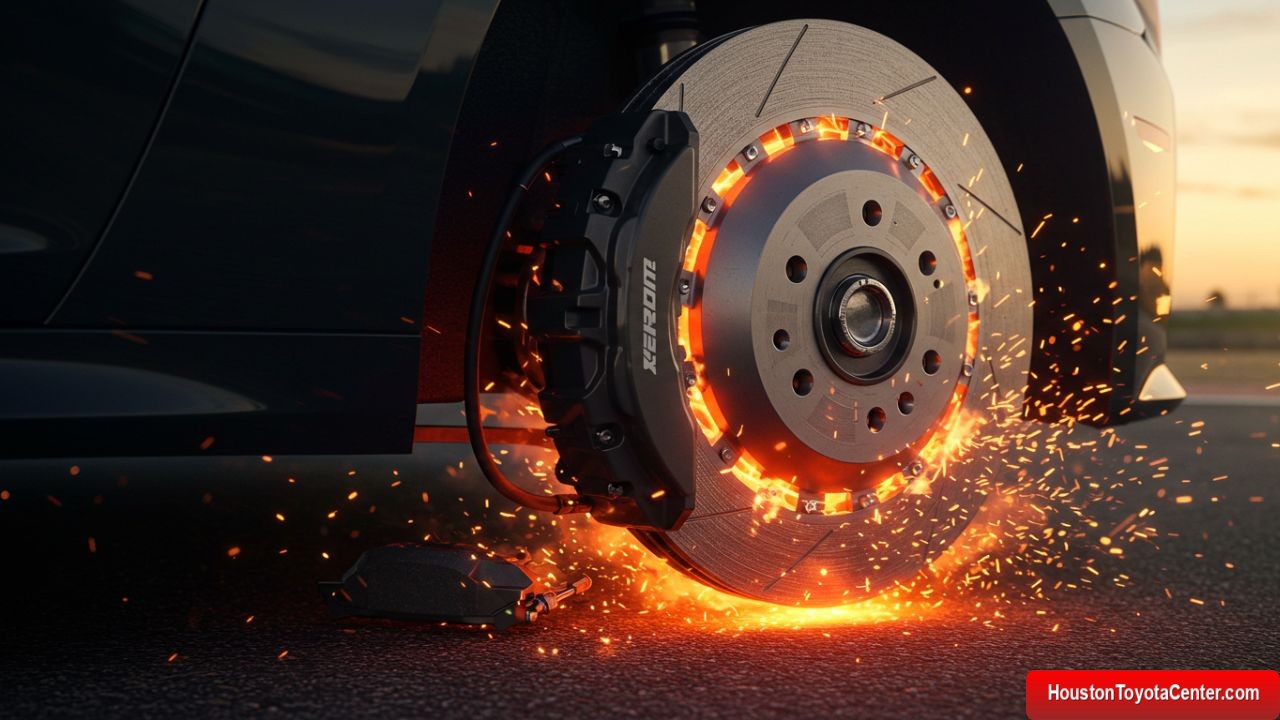
When it comes to automotive performance, enthusiasts often rush to upgrade horsepower, suspension, or wheels, overlooking one of the most critical aspects of safety and driving dynamics: the braking system. Brakes aren’t just about stopping power; they’re about control, confidence, and maximizing the potential of your car. Whether you’re carving through mountain roads, chasing lap times on the track, or simply want a safer daily driver, upgrading your rotors, pads, and lines can transform your driving experience.
This article will dive deeply into performance braking systems, covering the science, benefits, options, installation tips, and maintenance advice. By the end, you’ll know exactly what upgrades matter, which ones fit your driving style, and how to ensure your investment lasts.
Why Braking Systems Matter
The braking system is more than just a means of stopping—it’s about balance. Cars are engineered with stock brakes sufficient for everyday commuting. But once you start driving aggressively or adding power modifications, factory brakes may no longer be adequate.
- Heat management becomes critical under spirited driving or track conditions. Stock rotors and pads may overheat, leading to brake fade.
- Pedal feel can dramatically affect driver confidence. A spongy pedal makes it harder to gauge braking force.
- Stopping distance can be the difference between a safe stop and a collision.
Upgrading braking components ensures that your car’s performance aligns with its stopping capability.
FREE: Quickly identify and understand problems with your vehicle 🚘
CLICK HEREKey Components in a Braking System
A complete braking system has multiple parts, but the three most impactful performance upgrades are:
- Brake Rotors (Discs) – The surface where pads clamp to create friction.
- Brake Pads – The friction material that directly contacts rotors.
- Brake Lines – Pathways carrying hydraulic fluid to transfer pedal force.
Let’s explore each in detail.
Upgrading Rotors
Rotors are the foundation of your braking system. The stock rotors on most vehicles are plain cast iron discs, optimized for cost and quiet operation—not necessarily performance.
Rotor Types
| Rotor Type | Characteristics | Best For |
|---|---|---|
| Plain/Blank Rotors | Smooth surface, inexpensive, quiet | Daily driving, budget builds |
| Slotted Rotors | Machined grooves allow gas and debris escape | Aggressive street driving, light track |
| Drilled Rotors | Holes improve cooling, reduce weight | Performance street, show cars |
| Drilled & Slotted Rotors | Combination of both, best cooling and bite | High-performance cars, track |
| Two-Piece Rotors | Lightweight aluminum hat with iron ring | Racing, serious track drivers |
Benefits of Performance Rotors
- Improved heat dissipation – Reduces brake fade during hard driving.
- Consistent performance – Better bite even under repeated stops.
- Reduced unsprung weight – With two-piece rotors, handling improves.
Considerations
- Longevity: Drilled rotors may crack under extreme track use.
- Noise: Slotted rotors can generate a “whooshing” sound.
- Cost: High-performance rotors can be 3–4x the price of OEM.
Upgrading Brake Pads
If rotors are the foundation, pads are the soul of braking performance. They determine friction levels, temperature tolerance, and pedal feel.
Types of Brake Pads
| Pad Type | Characteristics | Pros | Cons |
|---|---|---|---|
| Organic | Made of natural fibers, rubber, resins | Quiet, inexpensive, gentle on rotors | Wear quickly, fade easily |
| Semi-Metallic | Blend of metal and organic materials | Great bite, durable, good heat tolerance | Dusty, noisy |
| Ceramic | Advanced compounds, high-tech resins | Quiet, low dust, long life | Expensive, not best for track |
| Racing/Track Pads | High-friction compounds | Excellent bite at high temps, consistent | Poor cold performance, noisy, harsh on rotors |
Matching Pads to Driving Style
- Daily Driver → Ceramic or organic pads.
- Enthusiast Street Driving → Semi-metallic pads.
- Track/Racing → Dedicated track pads (swap for daily use).
Upgrading Brake Lines
Most vehicles come with rubber brake lines, which expand slightly under pressure. While fine for normal driving, they reduce pedal responsiveness under aggressive use.
Benefits of Stainless Steel Brake Lines
- Improved pedal feel – More immediate response.
- Durability – Resistant to heat and expansion.
- Longevity – Less prone to wear compared to rubber.
This is one of the most cost-effective upgrades, dramatically improving driver confidence without breaking the bank.
The Role of Brake Fluid
Even with upgraded pads, rotors, and lines, brake fluid is critical. Overheating fluid can cause vapor lock, leading to pedal failure.
- DOT 3: Standard fluid, low boiling point.
- DOT 4: Higher boiling point, great for spirited driving.
- DOT 5.1: Even higher boiling point, compatible with ABS.
- DOT 5 (Silicone-based): Not interchangeable, rarely used outside special cases.
For performance cars, DOT 4 or DOT 5.1 is recommended.
Performance vs. Stock Braking Systems
| Feature | Stock System | Upgraded Performance System |
|---|---|---|
| Heat Tolerance | Moderate | High |
| Pedal Feel | Soft/spongy | Firm, responsive |
| Longevity | Average | Longer with quality parts |
| Cost | Low | Medium–High |
| Stopping Power | Adequate | Superior under stress |
Installation Considerations
Upgrading your braking system requires precision. Incorrect installation can compromise safety.
- Professional installation is recommended for rotors and lines.
- Torque specs must be followed exactly.
- Brake bedding is critical after new pads and rotors.
Bedding-in Process
- Perform several gradual stops from 30–40 mph.
- Increase to moderate stops from 50–60 mph.
- Avoid coming to a complete stop during bedding.
- Allow brakes to cool completely before heavy use.
This process ensures even transfer of pad material to rotors, preventing uneven wear or vibrations.
Cost of Upgrades
| Upgrade | Price Range (USD) |
|---|---|
| Performance Rotors | $150–$1000+ (set of four) |
| Performance Pads | $75–$400 (set) |
| Stainless Brake Lines | $100–$250 (kit) |
| High-Performance Fluid | $15–$50 (per bottle) |
A complete performance braking upgrade can range from $500 for budget-friendly setups to $3000+ for track-ready systems.
Common Myths About Braking Upgrades
- “Big brake kits are always necessary.” → Not true. Pads, rotors, and lines often deliver 80% of the benefit.
- “Ceramic pads are best for all uses.” → Not for track. They shine on the street but struggle under extreme heat.
- “Upgrading only one component is enough.” → Braking works as a system; balance is key.
When to Consider a Full Big Brake Kit (BBK)
Sometimes, upgrading rotors, pads, and lines isn’t enough. A BBK includes larger rotors, multi-piston calipers, and improved heat capacity. Consider a BBK if:
- You track your car regularly.
- You’ve significantly increased horsepower.
- You experience brake fade even with upgraded components.
Maintenance Tips
- Regular inspections – Check pads every oil change.
- Rotor resurfacing/replacement – Replace when below minimum thickness.
- Brake fluid flush – At least once every 2 years, annually if tracked.
- Listen to your brakes – Squealing, vibration, or pulling may signal issues.
The Driving Experience After Upgrades
Drivers often report:
- Sharper pedal response.
- More confidence at higher speeds.
- Shorter stopping distances.
- Ability to brake later into corners on track.
Ultimately, upgraded brakes don’t just make your car stop—they transform how you interact with the road.
Conclusion
Performance braking systems are one of the smartest investments any enthusiast can make. While horsepower and suspension mods steal the spotlight, braking is what keeps you safe and lets you fully exploit your car’s potential.
Upgrading rotors, pads, and lines creates a well-balanced, confidence-inspiring system that enhances performance and safety alike. Whether you’re seeking an edge at the track or peace of mind on the street, investing in brakes is investing in control.
Leave a Reply