
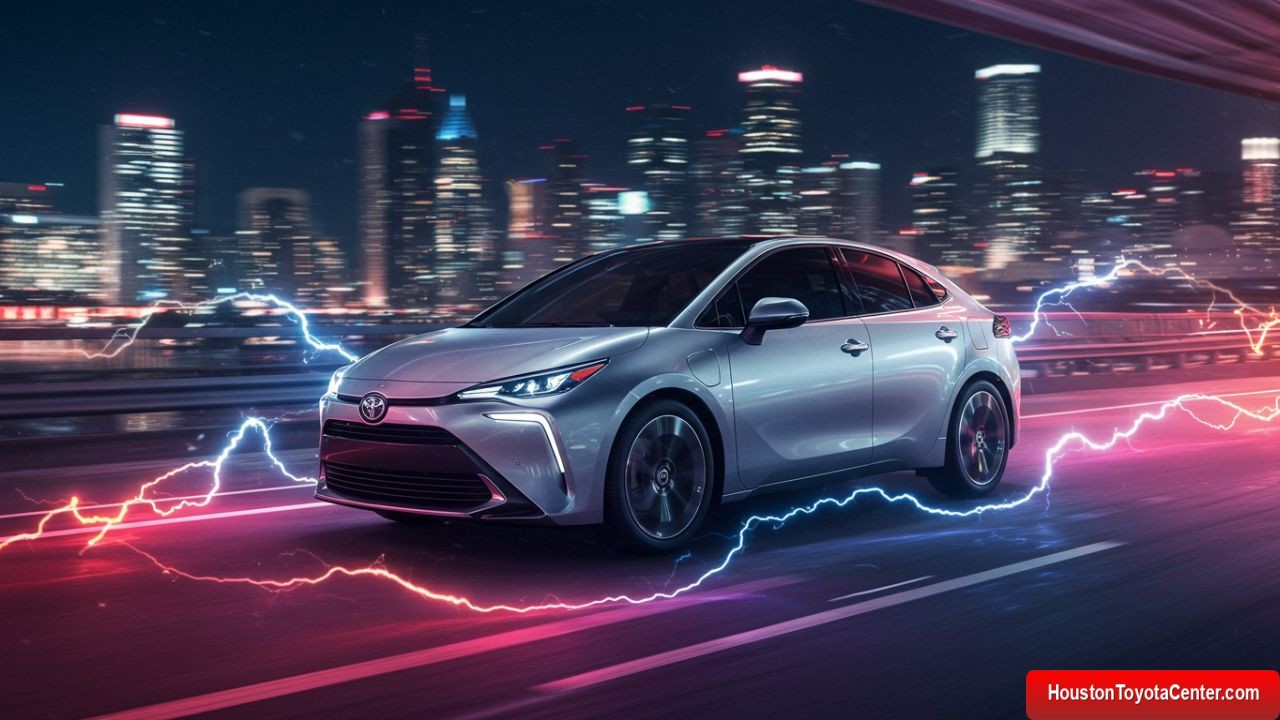
Toyota has long been a dominant force in the automotive industry, known for its innovation, reliability, and commitment to sustainability. As the global transition to electric vehicles (EVs) accelerates, Toyota’s strategic approach to electric mobility sets it apart from other manufacturers. While many automakers have aggressively shifted toward battery electric vehicles (BEVs), Toyota has taken a more balanced and diversified approach, focusing not only on BEVs but also on hybrid electric vehicles (HEVs), plug-in hybrid electric vehicles (PHEVs), and hydrogen fuel cell electric vehicles (FCEVs). This multi-pronged strategy reflects Toyota’s deep understanding of market demands, infrastructure limitations, and long-term environmental goals.
In this article, we will explore Toyota’s contribution to the electric car market, examining the company’s unique strategy, technological advancements, market performance, and future plans. We will also compare Toyota’s approach to that of its competitors, highlighting the key factors that make Toyota a standout player in the EV industry.
1. Toyota’s Historical Leadership in Electrification
Toyota’s journey toward electric mobility began decades ago, well before the current surge in demand for EVs. The company’s commitment to reducing emissions and improving fuel efficiency laid the foundation for its dominance in the hybrid market.
Introduction of the Prius: A Game-Changer
Toyota introduced the Prius in 1997, making it the world’s first mass-produced hybrid vehicle. The Prius combined a gasoline engine with an electric motor, reducing fuel consumption and emissions. This innovative technology quickly gained traction, positioning Toyota as a pioneer in hybrid technology.
FREE: Quickly identify and understand problems with your vehicle 🚘
CLICK HEREThe Prius became a global success, selling over 15 million units as of 2020. Its success was rooted in Toyota’s focus on reliability, affordability, and fuel efficiency—qualities that resonated with environmentally conscious consumers and mainstream buyers alike.
Expansion of the Hybrid Lineup
Following the success of the Prius, Toyota expanded its hybrid technology to other models across its lineup:
- Camry Hybrid – Introduced in 2006, combining comfort and fuel efficiency.
- Highlander Hybrid – One of the first hybrid SUVs, providing increased passenger capacity and improved mileage.
- RAV4 Hybrid – A compact SUV offering hybrid efficiency without compromising performance.
By 2020, Toyota had sold over 18 million hybrid vehicles globally, demonstrating the company’s dominance in hybrid technology.
2. Toyota’s Unique Multi-Path Strategy
Unlike many automakers that have focused exclusively on battery electric vehicles (BEVs), Toyota has adopted a diversified approach to electrification. This strategy reflects Toyota’s belief that different markets and consumers require different types of electric vehicles.
(a) Hybrid Electric Vehicles (HEVs)
Toyota continues to invest heavily in hybrid technology. The latest HEV models feature improved battery efficiency, better regenerative braking, and more seamless transitions between electric and gasoline power.
- Example: The 2021 Toyota Sienna minivan is available exclusively as a hybrid, delivering class-leading fuel economy and lower emissions.
(b) Plug-In Hybrid Electric Vehicles (PHEVs)
Toyota’s PHEV strategy combines the benefits of electric driving with the flexibility of a gasoline engine for longer trips.
- Example: The Toyota RAV4 Prime offers up to 42 miles of electric-only range, the highest among SUVs in its class.
- PHEVs provide an effective transition for consumers hesitant to switch fully to electric due to charging infrastructure limitations.
(c) Battery Electric Vehicles (BEVs)
Toyota has entered the BEV market more cautiously than its competitors, prioritizing battery longevity and safety over rapid market entry.
- Example: The Toyota bZ4X, released in 2022, is Toyota’s first mass-market BEV, offering a range of up to 252 miles and an innovative all-wheel-drive system.
(d) Hydrogen Fuel Cell Electric Vehicles (FCEVs)
Toyota remains one of the few automakers investing heavily in hydrogen technology, seeing it as a long-term solution for heavy-duty transport and regions with limited charging infrastructure.
- Example: The Toyota Mirai, introduced in 2014, remains one of the most advanced hydrogen fuel cell vehicles on the market. The latest generation has a range of up to 402 miles and emits only water vapor.
3. Toyota’s Technological Edge
Toyota’s leadership in electric mobility is rooted in its engineering excellence and long-term investments in battery and fuel cell technology.
Solid-State Battery Research
Toyota is one of the leading developers of solid-state battery technology, which promises to revolutionize the EV industry by offering:
✅ Higher energy density
✅ Faster charging times
✅ Improved safety (lower risk of overheating)
✅ Longer lifespan
Toyota plans to release its first solid-state battery-equipped vehicle by 2027, aiming for a range exceeding 700 miles on a single charge.
Hybrid Synergy Drive (HSD)
Toyota’s proprietary HSD system combines the benefits of a gasoline engine and electric motor, optimizing power delivery and fuel efficiency. The system’s regenerative braking technology enhances battery performance and longevity.
Advanced Manufacturing and Supply Chain
Toyota’s global manufacturing network allows it to scale production quickly while maintaining quality. Its partnerships with battery suppliers and raw material providers ensure stability in the face of supply chain disruptions.
4. Market Performance and Competitive Position
Toyota’s diversified approach has allowed it to maintain a strong market position even as competitors have focused on pure BEVs.
| Category | Toyota | Tesla | Volkswagen | General Motors |
|---|---|---|---|---|
| Total Hybrid Sales (2020–2024) | 18 million+ | – | 2 million | 1 million |
| BEV Models Available | 2 | 4 | 5 | 3 |
| Hydrogen Fuel Cell Vehicles | Yes (Mirai) | No | No | No |
| Plug-In Hybrid Vehicles | Yes (RAV4 Prime, Prius Prime) | No | Yes | Yes |
| Solid-State Battery Research | Yes (target launch by 2027) | In progress | In progress | In progress |
Toyota’s hybrid sales continue to outpace most competitors, demonstrating the company’s ability to cater to diverse market needs.
5. Future Outlook and Strategic Vision
Toyota’s electrification strategy is centered on long-term sustainability rather than short-term market dominance.
Global Electrification Targets
- By 2025 – Toyota plans to have 70 electrified models in its lineup, including 15 BEVs.
- By 2030 – Toyota aims to sell 3.5 million EVs annually.
- By 2035 – Toyota intends to achieve carbon neutrality across its entire manufacturing and supply chain network.
Investment in Infrastructure and Partnerships
Toyota has partnered with governments and private companies to expand charging infrastructure and hydrogen refueling stations.
- Japan: Toyota has installed over 100 hydrogen refueling stations in partnership with local governments.
- Europe: Toyota is working with Shell to expand the hydrogen refueling network across key markets.
Conclusion: Why Toyota’s Strategy Sets It Apart
Toyota’s success in the electric car market stems from its pragmatic and diversified strategy. While many competitors have focused exclusively on BEVs, Toyota’s multi-path approach—including hybrids, PHEVs, BEVs, and FCEVs—positions it to adapt to different markets and consumer needs.
Toyota’s technological advancements, particularly in solid-state batteries and fuel cells, reinforce its leadership in sustainable mobility. By prioritizing long-term environmental impact, market flexibility, and customer trust, Toyota remains a powerhouse in the evolving EV landscape.
✅ Toyota’s Edge in the EV Market:
✔️ Proven hybrid technology leadership
✔️ Diversified approach to electrification
✔️ Solid-state battery innovation
✔️ Strong market presence and customer trust
✔️ Strategic partnerships and infrastructure investments
Leave a Reply