
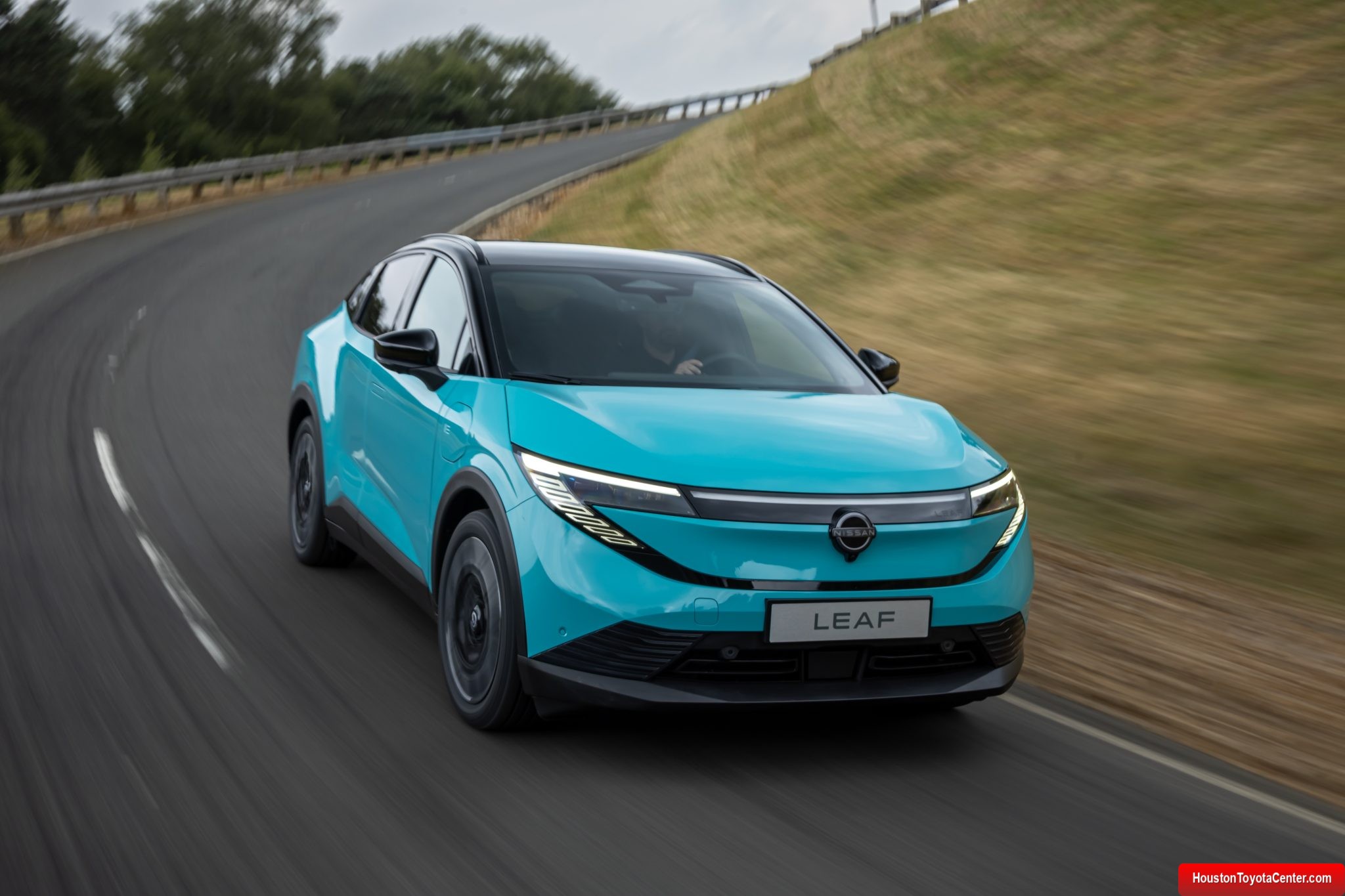
🚗⚡ Nissan’s third-generation electric car changes shape, breaks paradigms, and redefines its own legacy.
The Nissan Leaf is one of those vehicles destined to live forever in automotive history. Launched in 2009, it became:
- 🥇 The first mass-produced electric car
- 🚀 The first EV to exceed 500,000 units sold
- 🌍 A global symbol of Nissan’s early leadership in electrification
Yet, for reasons that remain unclear, Nissan gradually lost this leadership. The Leaf faded from the spotlight and even ceased production in several markets, including Brazil.
That silence is now broken.
FREE: Quickly identify and understand problems with your vehicle 🚘
CLICK HERE🔄 A Comeback in a New Shape
The third-generation Nissan Leaf entered production in Japan and the United Kingdom in 2025 and has already reached key markets such as the United States, where it has been extensively tested.
Unlike its predecessors (2010–2025), which followed a hatchback formula with futuristic styling, the new Leaf completely redefines itself:
✨ From hatchback to coupe-crossover
✨ Sharper, more emotional design
✨ Greater consumer appeal
Unveiled in June 2025, this new Leaf clearly aims to attract a broader and more style-conscious audience.
⚙️ Powertrain & Performance Highlights
Built on the CMF-EV platform, the new Leaf focuses on everyday usability, efficiency, and modern technology.
🔋 Powertrain Options
| Version | Power | Torque | Battery | Drivetrain |
|---|---|---|---|---|
| Entry Version | 177 hp | 35.1 kgfm | 52 kWh | Front-Wheel Drive |
| High-Output (US) | 214 hp | 36.1 kgfm | 75 kWh | Front-Wheel Drive |
📏 EPA Estimated Range (75 kWh battery):
➡️ 416–487 km (258–303 miles)
⚡ Fast Charging:
- Up to 150 kW DC
- Uses NACS connector, compatible with Tesla Superchargers

🧠 Smarter, Quieter, More Refined
The Leaf debuts a new 3-in-1 electric power unit, integrating:
- Electric motor
- Inverter
- Transmission
Benefits:
- 🔇 75% reduction in vibrations
- 📍 Predictive thermal management via navigation
- 👁️ 360° 3D surround-view assistance
- ♻️ Adaptive regenerative braking
- 🚗 Intelligent distance and speed control
🎨 Exterior Design: Timeless Japanese Futurism
Inspired by Nissan’s “Timeless Japanese Futurism” philosophy, the Leaf blends elegance with efficiency:
- ✨ Clean, flowing lines
- 🚪 Recessed door handles
- 🛞 19-inch wheels
- 🌬️ Aerodynamic drag coefficient: 0.26 Cx
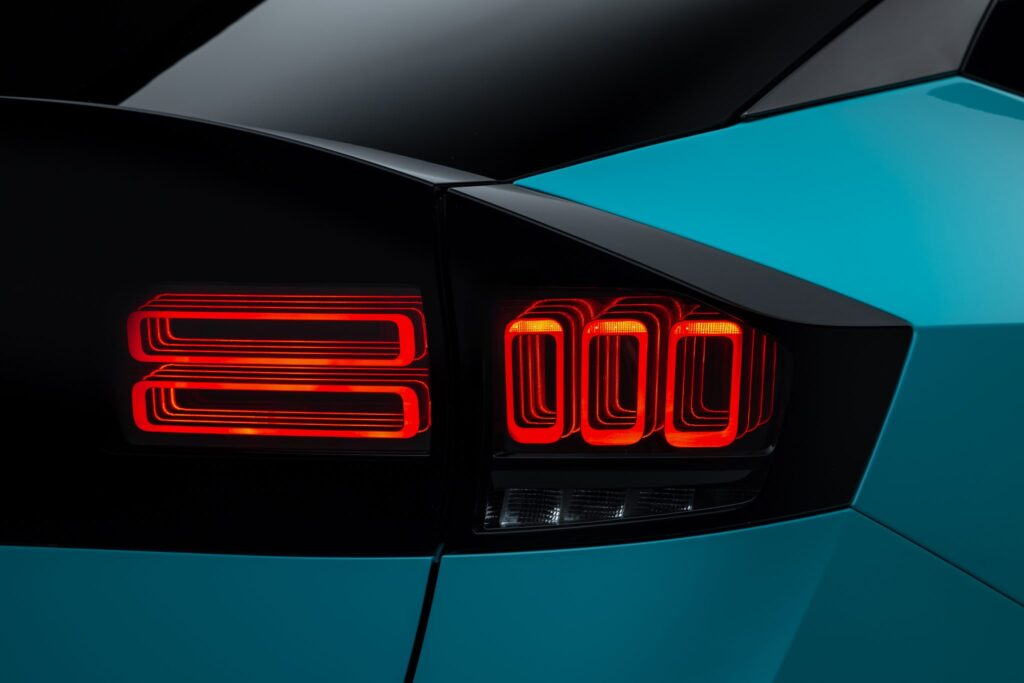
- 💡 Digital headlights
- 🔆 Illuminated Nissan logo signaling a new design era
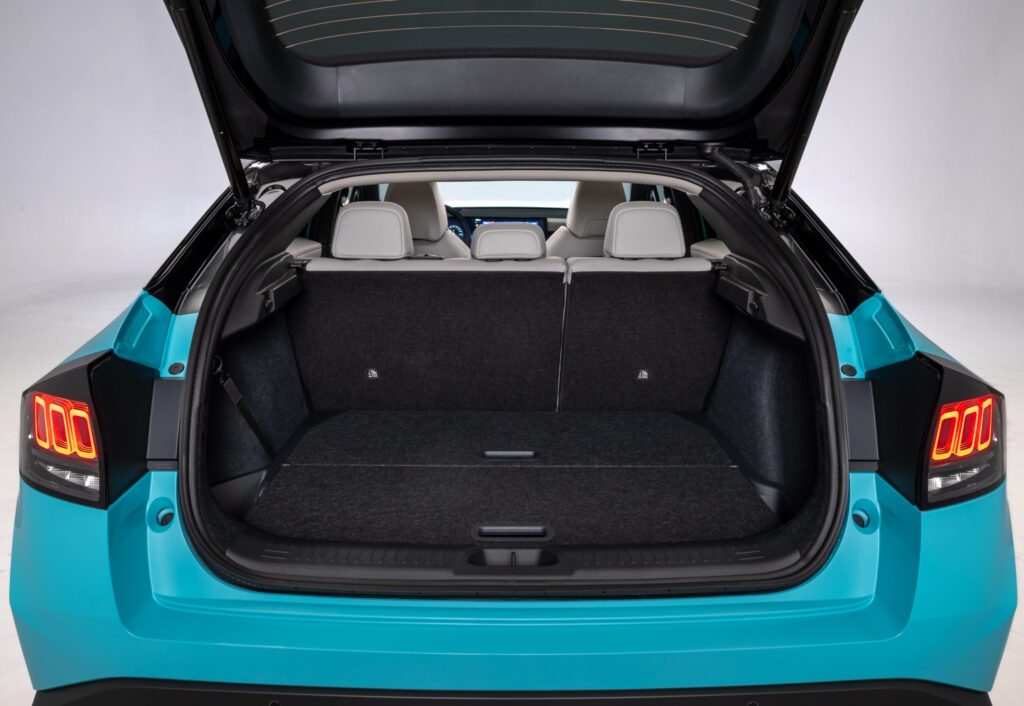
🛋️ Interior: Space, Technology & Comfort
The cabin focuses on openness and usability:
- 🟦 Flat floor design
- 📺 Dual 14.3-inch digital displays
- 🎶 Bose sound system with headrest speakers
- 🌤️ Panoramic electrochromic sunroof
- 🔌 120V power outlets
- 🔋 Vehicle-to-Load (V2L) capability (selected versions)
While material quality reflects its position as an entry-level EV, the build quality is solid, mixing soft-touch surfaces with durable materials. Practicality shines thanks to:
- Plenty of storage spaces
- Physical buttons for key controls
- Excellent ergonomics
⚖️ Driving Impressions: Balanced and Confident
The new Leaf isn’t about extremes—it’s about balance.
🚘 Driving Characteristics:
- Neutral and predictable handling
- Easy acceleration
- Agile feel with no sense of excess weight
- Medium-firm suspension offering comfort and control
🔋 Efficiency Test (40 km):
- Average consumption: ~6 km/kWh
- Estimated real-world range: ~450 km (280 miles) with the 75 kWh battery
🕹️ Regenerative braking can be adjusted via steering-wheel paddles with four intensity levels, plus a highly effective One Pedal mode.
🌟 Final Thoughts
The Nissan Leaf has always been a gateway into electrification—and now, it’s more compelling than ever.
✔️ Rational and well-engineered
✔️ Technologically mature
✔️ Efficient and easy to drive
✔️ Extremely spacious
This third-generation Leaf doesn’t try to be the best at everything—but it does everything well, just like a great Nissan should.
Leave a Reply