
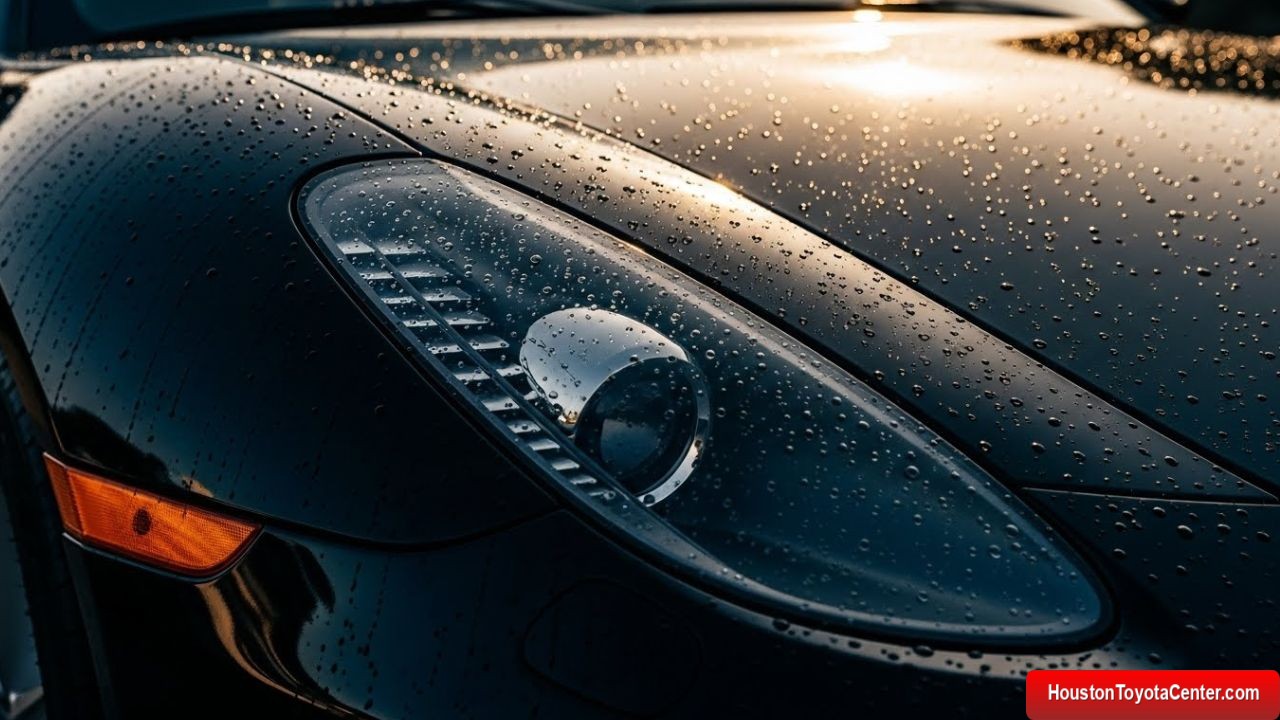
Car detailing is far more than an upgraded version of a car wash; it is a meticulous craft, an art form built on patience, technical understanding, and a passion for preserving automotive beauty. While a standard wash removes superficial dust and dirt, true detailing digs deeper—restoring, rejuvenating, and protecting a vehicle inside and out. Whether you are a car enthusiast, a daily commuter, or a professional detailer, understanding the layers behind detailing transforms the way you view your vehicle and elevates your relationship with it.
This article explores the philosophy, techniques, tools, and advanced practices that define automotive detailing today. Expect an immersion into paint science, interior preservation, ceramic coatings, engine bay care, and the psychology that fuels the detailing culture.
The Philosophy of Detailing: Why It’s Considered an Art
Detailing is not just a task—it’s an intentional act of craftsmanship. For many, it is a therapeutic ritual where precision and attention to detail take precedence.
1. Attention to Micro-Detail
Great detailers notice what others overlook:
FREE: Quickly identify and understand problems with your vehicle 🚘
CLICK HERE- Faint scratches visible only under direct sunlight
- Hidden dust in air vents
- Faded plastics that slowly degrade over time
- Water-spot etchings invisible from afar
This micro-awareness differentiates average and expert detailing.
2. Elevating Aesthetics and Preservation
Detailing is about enhancing a car’s visual and tactile appeal, but also about preservation. A polished and protected vehicle ages slower, holds value longer, and simply feels better to drive.
3. The Emotional Connection
For many car owners, the detailing process develops a relationship with their machine. A clean and well-maintained car brings:
- Pride
- Confidence
- Calmness
- Motivation
When a car looks good, the owner feels good.
Car Washing vs. Car Detailing: Key Differences
| Aspect | Standard Car Wash | Full Car Detailing |
|---|---|---|
| Purpose | Remove surface dirt | Restore, protect, rejuvenate |
| Tools | Sponges, hoses, soap | Clay bars, polishers, microfiber tools, specialized chemicals |
| Time Required | 10–20 minutes | 2–12 hours |
| Protection Added | Minimal or none | Wax, sealant, ceramic coatings |
| Depth of Clean | Surface-level | Deep cleaning, correction, restoration |
| Interior Care | Often basic vacuum only | Deep vacuum, steam, conditioning, fabric or leather treatment |
Understanding the Vehicle’s Paint System
To appreciate detailing, you must understand the layers of a car’s paint. Modern vehicles typically have:
- Clear Coat (top protective layer)
- Base Coat (color layer)
- Primer (adherence and corrosion prevention)
- Metal Body Panel
The clear coat is where most detailing efforts focus. It protects the paint but is vulnerable to:
- UV radiation
- Chemical etching
- Water spots
- Swirl marks
- Oxidation
Detailing restores clarity to the clear coat rather than adding new color.
The Exterior Detailing Process
Exterior detailing is a structured series of steps that clean, decontaminate, correct, and protect the vehicle’s surfaces.
1. Pre-Wash and Rinsing
The pre-wash stage prevents scratching. Using a foam cannon or pre-wash solution, detailers loosen dirt before physically touching the paint.
Key benefits:
- Reduces swirl marks
- Softens mud and debris
- Removes surface contaminants
2. Two-Bucket Method Wash
This professional-grade technique uses:
- Bucket 1: Soapy water
- Bucket 2: Rinse water
Each dip in the rinse bucket helps avoid reintroducing dirt to the paint.
Tools used:
- Grit guards
- pH-neutral soap
- Microfiber wash mitt
3. Decontamination (Chemical + Physical)
After washing, the paint may still feel rough due to bonded contaminants.
Chemical Decontamination:
- Iron removers dissolve metallic deposits
- Tar removers break down asphalt spots
- Bug removers eliminate stuck proteins
Physical Decontamination:
- Clay bars or clay mitts glide across the surface to remove embedded particles
The paint becomes glass-smooth, preparing it for polishing.
4. Paint Correction
Paint correction is the core of exterior detailing. It restores depth, clarity, and reflection by leveling the clear coat surface.
Types of Defects Corrected:
- Swirl marks
- RIDS (Random Isolated Deep Scratches)
- Oxidation
- Water spot etching
- Holograms
Tools and Compounds Used:
- Dual-action or rotary polishers
- Abrasive compounds
- Finishing polishes
- Foam or microfiber pads
Paint correction ranges from a one-step polish (light enhancement) to a multi-stage correction (serious overhaul).
When done correctly, the car looks like a mirror.
5. Paint Protection: Wax, Sealants & Ceramic Coatings
Detailers use one or more protective products to guard the newly corrected paint.
Wax
- Warm, deep shine
- 1–3 months durability
Sealants
- Synthetic protection
- 6–12 months durability
- Crisp, glassy shine
Ceramic Coatings
- Semi-permanent protection
- 2–7 year durability
- Hydrophobic, chemically resistant
- Provides depth and extreme gloss
Ceramic coatings represent the modern pinnacle of paint protection.
Wheel & Tire Care: More Important Than You Think
Wheels face extreme contamination from brake dust, tar, and road grime.
Wheel Cleaning Stages:
- Pre-rinse
- Iron-remover application
- Agitation with brushes
- Tire cleaning and stripping
- Tire dressing application
Freshly dressed tires complete the aesthetic transformation.
Glass, Trim & Metal Polishing
Glass
Detailers use glass polish and water-repellent coatings to enhance clarity and driving safety.
Plastic Trim
UV exposure fades exterior plastic. Restorers revive the deep black finish and protect against further fading.
Metal Polishing
For exhaust tips, chrome, or stainless trim:
- Metal polish
- Steel wool
- Microfiber towels
A polished exhaust can transform the rear appearance of a car entirely.
Interior Detailing: A Deep Dive
Interior detailing tackles upholstery, plastics, leather, carpets, headliners, and air vents.
1. Vacuuming and Dust Removal
Detailers start with compressed air to blow debris from tight areas, then vacuum thoroughly.
2. Carpet & Upholstery Shampooing
Steam cleaners or extraction machines remove:
- Stains
- Dirt
- Odors
- Spills
3. Leather Care
Leather is a natural material that requires:
- Gentle cleaning
- Conditioning
- Protection
Quality products enhance suppleness and prevent cracking.
4. Dashboard & Plastic Restoration
UV damage dries out interior plastics. Detailers apply dressings or protectants to restore hydration and sheen.
5. Air Vent & Crevice Cleaning
Brushes, steam, and compressed air reach the unseen dust that accumulates over months and years.
Engine Bay Detailing: The Underrated Step
A clean engine bay improves both aesthetics and mechanical inspection.
Benefits:
- Easier to spot leaks
- Improved heat dissipation
- Increased resale value
Steps Involved:
- Cover sensitive components
- Degrease
- Agitate
- Rinse lightly
- Dress plastics and rubber
The transformation is dramatic—an engine bay can look nearly factory-new.
The Role of Technology in Modern Detailing
Advancements have revolutionized the detailing industry.
1. Ceramic & Graphene Coatings
More durable, more hydrophobic, more resistant.
2. AI-Powered Polishing Tools
Smart polishers adjust speed and torque based on pressure.
3. Steam Cleaners
Clean without chemicals; sanitize surfaces effectively.
4. LED Paint Inspection Lights
Reveal defects invisible in normal lighting.
5. Advanced Blowers & Drying Systems
Touchless drying to avoid scratches.
Common Mistakes in DIY Car Detailing
Even well-intentioned beginners can cause damage. Here are mistakes to avoid:
❌ Using household cleaners (dangerous for paint and interiors)
❌ Using bath towels instead of microfiber
❌ Applying wax or coating on contaminated paint
❌ Polishing without proper lighting
❌ Over-dressing tires (sling risk)
❌ Skipping protective layers
Avoiding these ensures a safer, more professional result.
The Business Side: Why Professional Detailing is Growing
The detailing industry is booming due to increasing appreciation for car aesthetics and rising vehicle costs.
Reasons for Growth:
- Cars are kept longer now
- Luxury vehicles are more common
- Social media exposes detailing transformations
- Ceramic coatings offer compelling value
- High resale value motivates owners
Detailing has evolved from a side-gig to a serious, profitable profession.
The Psychology Behind Detailing Enthusiasts
Why do people get so passionate about detailing?
1. A sense of control
Detailing transforms chaos into order—every wipe is progress.
2. Priceless satisfaction
Seeing a car shine like new delivers instant gratification.
3. Stress relief
The repetitive motions provide meditative relaxation.
4. Identity & pride
A well-kept car becomes an extension of oneself.
Detailing as a Lifestyle
More than a chore, detailing becomes a lifestyle that blends artistry, science, and passion. Car meets, detailing communities, and online groups have created a worldwide culture dedicated to:
- Technique perfection
- Product experimentation
- Education and sharing
Detailing connects people across backgrounds through shared respect for automotive beauty.
Why Detailing Matters More Than Ever
Modern streets are filled with cars—but only some stand out. Detailing elevates a vehicle from ordinary to extraordinary. Beyond aesthetics, detailing preserves and protects your investment.
A well-detailed car:
- Ages slower
- Drives smoother (psychologically!)
- Feels more luxurious
- Commands higher value
Ultimately, detailing is the art of celebrating the machine that carries us through life’s journeys.
Final Thoughts
Car detailing goes far beyond a simple wash. It’s a craft rooted in care, precision, and understanding. Whether performed by a passionate enthusiast or a seasoned professional, detailing breathes life back into a vehicle. It turns an everyday machine into a masterpiece worthy of admiration.
If done right, detailing is not just maintenance—it’s art.
Leave a Reply