
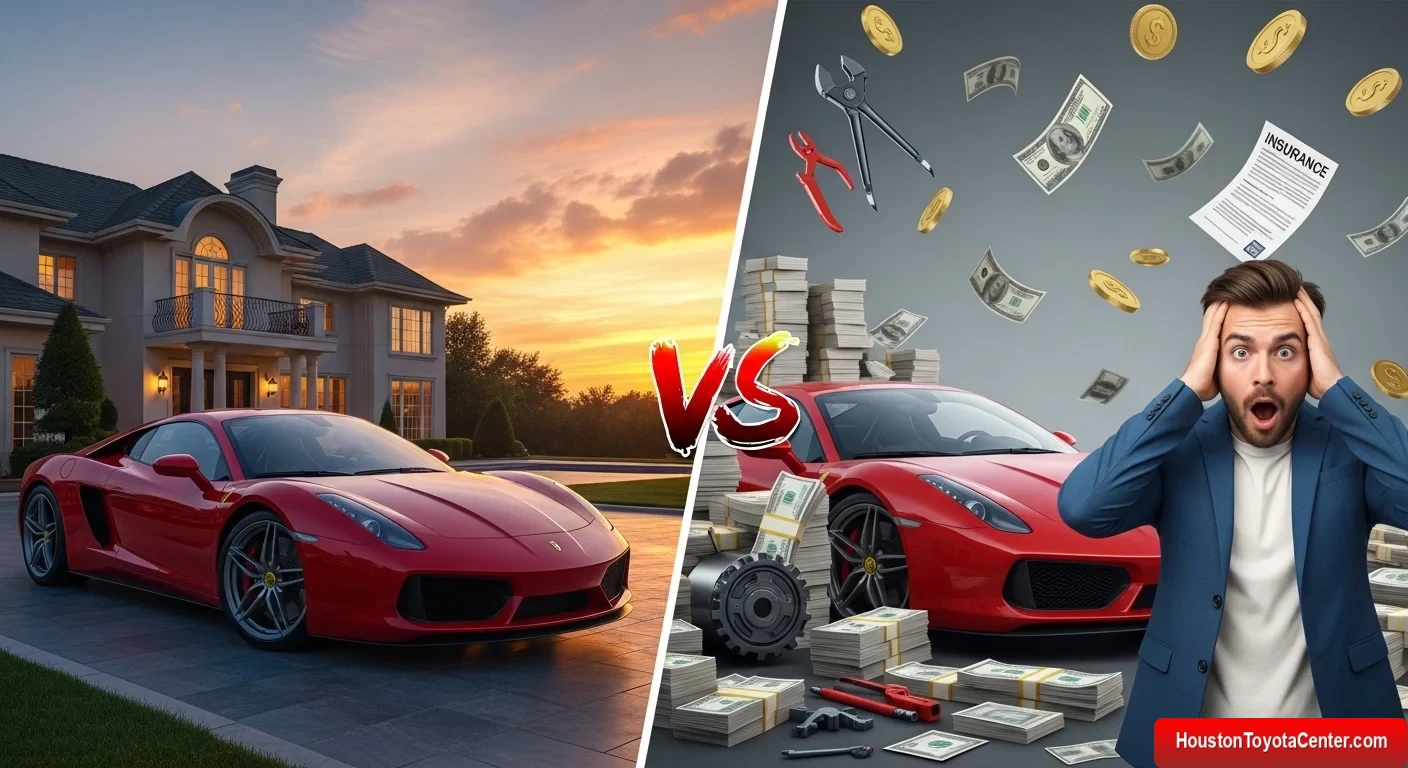
Owning a luxury car is often seen as a symbol of success, comfort, and refined taste. The appeal is obvious: premium materials, advanced technology, powerful engines, and exceptional driving experiences. Brands like Mercedes‑Benz, BMW, Audi, Porsche, and Lamborghini produce vehicles that represent engineering excellence and prestige.
However, while many buyers focus on the purchase price, the real cost of owning a luxury vehicle extends far beyond the showroom. Maintenance, insurance, and depreciation often make luxury cars significantly more expensive to own than standard vehicles.
Understanding these costs before buying a luxury car is essential. Many owners underestimate long-term expenses, only to discover later that routine services, insurance premiums, and resale value loss add up quickly.
This article explores the three major cost categories associated with luxury car ownership: maintenance, insurance, and depreciation. By examining each in detail, potential buyers can better understand the financial commitment that comes with owning a high-end automobile.
FREE: Quickly identify and understand problems with your vehicle 🚘
CLICK HEREThe True Cost of Luxury Car Ownership
Luxury vehicles offer superior comfort, advanced technology, and higher performance levels. However, these advantages come with higher operational costs.
Several factors drive these expenses:
- Advanced engineering and complex components
- Premium materials and specialized parts
- Higher repair labor costs
- Expensive insurance premiums
- Faster depreciation in some segments
While buying a luxury car might feel like a one-time investment, the ongoing costs often surpass expectations.
Below is a simplified overview of the main ownership costs.
| Cost Category | Why It’s Expensive | Typical Impact |
|---|---|---|
| Maintenance | Specialized parts and labor | High long-term cost |
| Insurance | Higher vehicle value and repair cost | Higher premiums |
| Depreciation | Rapid value loss for many models | Significant financial loss |
Each category plays a major role in the total cost of ownership.
Maintenance Costs of Luxury Cars
Maintenance is often the largest surprise for luxury car owners. Premium vehicles contain sophisticated engineering and advanced systems that require specialized care.
Even routine services can be expensive compared to standard vehicles.
For example, a basic oil change for a luxury vehicle may cost several times more than for a standard sedan. This is partly due to synthetic oils, larger engine capacities, and specialized filters.
Additionally, luxury cars often require dealership servicing to maintain warranty coverage.
Routine Maintenance
Routine maintenance includes services performed regularly to keep the vehicle functioning properly.
Typical maintenance tasks include:
- Oil changes
- Brake service
- Tire replacement
- Filter replacement
- Fluid checks
- Software updates
Luxury vehicles typically require premium parts and fluids.
For instance, high-performance engines in cars from Porsche or Ferrari require specialized oil designed for high temperatures and engine loads.
These requirements increase maintenance costs significantly.
Brake Systems
Luxury cars often use advanced braking systems designed for performance and safety.
Some vehicles feature:
- Larger brake rotors
- High-performance brake pads
- Carbon ceramic brakes
Carbon ceramic brake systems, commonly found in vehicles from Lamborghini or McLaren, can cost thousands of dollars to replace.
Although they offer superior braking performance and durability, the replacement cost can be extremely high.
Tire Replacement
Luxury and performance vehicles typically use specialized tires designed for high speed and improved handling.
These tires:
- Wear faster
- Cost more
- Require precise alignment
High-performance tires for sports models from BMW or Audi can cost significantly more than standard tires.
Some vehicles even require different tire sizes for front and rear wheels, increasing replacement complexity and cost.
Electronic Systems and Technology
Modern luxury vehicles include numerous advanced technologies:
- Adaptive suspension systems
- Driver assistance features
- Digital dashboards
- Advanced infotainment systems
- Radar and sensor arrays
While these features improve safety and comfort, they also increase repair costs.
For example, recalibrating sensors after a minor accident can be expensive.
Vehicles from Tesla, for instance, rely heavily on sensors and cameras that require specialized calibration.
Maintenance Cost Comparison
The table below illustrates typical maintenance differences between standard and luxury vehicles.
| Vehicle Type | Average Annual Maintenance |
|---|---|
| Economy car | $500 – $900 |
| Mid-range car | $900 – $1,500 |
| Luxury vehicle | $1,500 – $4,000+ |
| Exotic supercar | $5,000 – $20,000+ |
These numbers vary widely depending on the brand, model, and driving habits.
Insurance Costs for Luxury Cars
Insurance is another major component of luxury car ownership.
Insurance companies calculate premiums based on risk. Luxury vehicles typically carry higher risks due to their value, repair costs, and performance capabilities.
As a result, premiums are often significantly higher than for standard vehicles.
Why Luxury Cars Cost More to Insure
Several factors increase insurance costs:
- Vehicle Value
Luxury vehicles are more expensive to repair or replace. Insurers must account for this higher potential payout.
- Repair Complexity
Specialized parts and trained technicians increase repair costs.
For example, repairing a vehicle from Mercedes‑Benz or Jaguar often requires brand-specific equipment and certified technicians.
- Performance Risk
High-performance vehicles often have higher accident risks due to speed capabilities.
Cars from Porsche or Ferrari may fall into higher insurance risk categories.
- Theft Risk
Luxury cars are often targeted by thieves due to their resale value and expensive parts.
Insurance Premium Comparison
Below is a simplified comparison of average annual insurance premiums.
| Vehicle Category | Average Annual Insurance |
|---|---|
| Economy car | $1,200 |
| Mid-range sedan | $1,500 |
| Luxury sedan | $2,000 – $4,000 |
| Sports car | $3,000 – $6,000 |
| Exotic supercar | $5,000 – $20,000+ |
Premiums vary depending on location, driver history, and coverage level.
Additional Insurance Considerations
Luxury car owners often purchase specialized insurance coverage.
Examples include:
- Gap insurance
- Agreed value policies
- Collector car insurance
- Exotic car coverage
These policies ensure proper compensation if the vehicle is damaged or stolen.
Owners of rare models from manufacturers like Bugatti or Pagani often use agreed value insurance to protect the car’s unique market value.
Depreciation: The Hidden Cost
Depreciation is often the largest financial loss associated with luxury car ownership.
A new car begins losing value the moment it leaves the dealership. Luxury vehicles frequently depreciate faster than mainstream vehicles.
This is due to several factors:
- Rapid technology upgrades
- High initial purchase price
- Expensive maintenance for second owners
- Market supply of used luxury cars
Typical Depreciation Timeline
Most vehicles follow a predictable depreciation curve.
| Vehicle Age | Average Value Loss |
|---|---|
| Year 1 | 20% – 30% |
| Year 3 | 40% – 50% |
| Year 5 | 50% – 60% |
| Year 10 | 70% – 80% |
Luxury vehicles often fall on the higher end of these ranges.
For example, a $90,000 luxury sedan might be worth only $45,000 after five years.
Why Luxury Cars Depreciate Faster
Several factors accelerate depreciation.
Rapid Technology Evolution
Luxury cars introduce cutting-edge technology, but these features can become outdated quickly.
For example:
- Infotainment systems
- Driver assistance features
- battery technology in electric vehicles
Newer models from Tesla or BMW frequently introduce upgraded features that make previous models less desirable.
Expensive Maintenance for Used Buyers
Second-hand buyers often avoid luxury cars because of potential maintenance costs.
This reduced demand lowers resale values.
A used vehicle from Land Rover, for example, may depreciate quickly due to concerns about repair costs.
Leasing Culture
Many luxury cars are leased rather than purchased outright.
When lease terms end, large numbers of vehicles enter the used market simultaneously. This increased supply pushes prices downward.
Exceptions: Cars That Hold Value
Not all luxury vehicles depreciate rapidly.
Some models maintain strong resale value due to demand, brand reputation, or limited production.
Examples include certain vehicles from:
- Porsche
- Toyota’s luxury division Lexus
- Limited-edition supercars
Classic models or rare vehicles may even appreciate over time.
Total Cost of Ownership
When considering luxury car ownership, evaluating the total cost of ownership is crucial.
This includes:
- Purchase price
- Maintenance
- Insurance
- Fuel
- Depreciation
The combined cost can be substantial.
Below is an illustrative example.
| Cost Category | 5-Year Estimate |
|---|---|
| Purchase price | $80,000 |
| Depreciation | $35,000 |
| Maintenance | $12,000 |
| Insurance | $15,000 |
| Fuel | $10,000 |
| Total Cost | $72,000 |
In this scenario, the owner spends nearly as much on ownership costs as the initial purchase price.
Strategies to Reduce Luxury Car Ownership Costs
While luxury vehicles are inherently expensive, several strategies can help reduce costs.
Buying Certified Pre-Owned
Certified pre-owned vehicles offer:
- Lower purchase price
- Manufacturer warranty
- Reduced depreciation
This approach allows buyers to avoid the steepest depreciation period.
Choosing Reliable Luxury Brands
Reliability varies widely among luxury brands.
Manufacturers like Lexus and Acura are known for lower maintenance costs compared to some European brands.
Avoiding Excessive Options
Luxury vehicles often include expensive optional features.
While appealing, these options rarely add equivalent resale value.
Selecting only essential features can reduce purchase price and depreciation loss.
Maintaining the Vehicle Properly
Regular maintenance:
- Preserves performance
- Prevents expensive repairs
- Improves resale value
Keeping detailed service records also helps maintain buyer confidence during resale.
Emotional Value vs Financial Cost
Despite the high costs, many people still choose luxury vehicles for reasons beyond pure financial logic.
Luxury cars offer experiences that standard vehicles often cannot match:
- Exceptional ride comfort
- Precision engineering
- Advanced safety technology
- Brand prestige
- Unique driving enjoyment
For enthusiasts, driving a high-performance vehicle from Ferrari or Porsche provides emotional satisfaction that justifies the expense.
Final Thoughts
Luxury car ownership can be rewarding, but it comes with substantial financial responsibilities.
Maintenance, insurance, and depreciation are the three primary cost drivers that significantly impact the total cost of ownership. While the purchase price is often the most visible expense, long-term costs frequently exceed expectations.
Understanding these factors allows buyers to make informed decisions before investing in a premium vehicle.
By considering total ownership costs and exploring strategies to reduce expenses—such as buying certified pre-owned models, choosing reliable brands, and maintaining vehicles properly—buyers can enjoy the luxury car experience while managing financial risk.
Ultimately, owning a luxury vehicle is not just about transportation. It is about engineering excellence, driving pleasure, and personal expression. However, responsible ownership requires awareness of the full financial picture that accompanies these remarkable machines.
Leave a Reply