
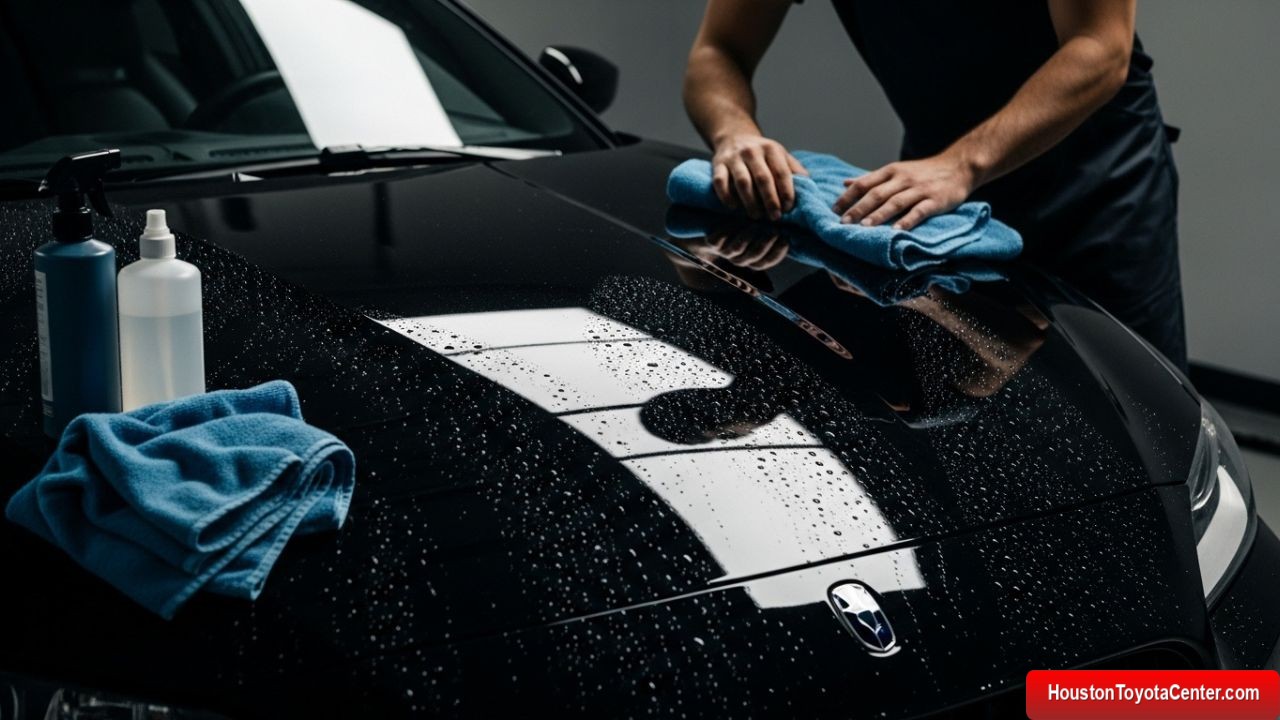
Car detailing is far more than just washing your vehicle. It is a systematic process of cleaning, restoring, and protecting both the interior and exterior of a car to achieve a showroom-quality finish. For beginners, DIY car detailing may seem overwhelming due to the wide range of products, tools, and techniques available. However, with the right guidance, patience, and practice, anyone can achieve professional-looking results at home.
This article is a complete beginner-friendly guide to DIY car detailing. It covers essential products, step-by-step techniques, common mistakes, and practical tips to help you detail your car safely and effectively. Whether you want to maintain your daily driver, restore an older vehicle, or simply enjoy caring for your car, this guide will give you the foundation you need.
Understanding Car Detailing
Before diving into products and techniques, it’s important to understand what car detailing actually involves.
Car detailing is typically divided into two main categories:
FREE: Quickly identify and understand problems with your vehicle 🚘
CLICK HERE- Exterior detailing – Focuses on cleaning, correcting, and protecting the paint, wheels, tires, glass, and trim.
- Interior detailing – Involves deep cleaning and protecting seats, carpets, dashboards, door panels, and other interior surfaces.
Unlike a standard car wash, detailing aims to preserve and enhance the car’s condition rather than simply removing surface dirt.
Why DIY Car Detailing Is Worth It
Many beginners wonder if DIY detailing is worth the effort compared to professional services. The answer depends on your goals, but DIY detailing offers several advantages:
- Cost savings – Professional detailing can be expensive. DIY allows you to invest once in tools and products.
- Control over products – You choose what touches your car’s surfaces.
- Skill development – Detailing becomes easier and more satisfying over time.
- Vehicle longevity – Regular detailing helps preserve paint, interior materials, and resale value.
DIY detailing also builds a stronger connection with your vehicle, turning maintenance into a rewarding hobby.
Essential Mindset for Beginners
Before buying products or tools, beginners should adopt the right mindset:
- Start simple – You don’t need every product on the market.
- Avoid shortcuts – Rushing often leads to scratches or damage.
- Use proper techniques – The wrong method can cause more harm than good.
- Consistency beats perfection – Regular maintenance is more important than flawless results.
With these principles in mind, let’s explore the essential tools and products.
Essential Car Detailing Tools for Beginners
Having the right tools makes detailing safer and more effective. Below is a breakdown of beginner-friendly tools and their purpose.
Basic Exterior Detailing Tools
| Tool | Purpose | Beginner Tip |
|---|---|---|
| Microfiber wash mitt | Safely washes paint | Avoid sponges, which trap dirt |
| Two buckets | Reduces swirl marks | Use one for soap, one for rinse |
| Grit guards | Trap dirt at bucket bottom | Helps prevent scratching |
| Microfiber towels | Drying and buffing | Wash separately from other laundry |
| Wheel brushes | Clean wheels and barrels | Use dedicated brushes for wheels only |
| Foam applicators | Apply wax or sealant | Use gentle pressure |
Basic Interior Detailing Tools
| Tool | Purpose | Beginner Tip |
|---|---|---|
| Vacuum cleaner | Remove dirt and debris | Use crevice attachments |
| Soft detailing brushes | Clean vents and seams | Avoid stiff bristles |
| Microfiber towels | Wipe surfaces | Color-code to avoid cross-contamination |
| Spray bottles | Apply cleaners evenly | Label each bottle clearly |
Essential Car Detailing Products for Beginners
Choosing the right products is crucial. Beginners should focus on versatile, safe, and forgiving products.
Exterior Detailing Products
Car Wash Soap
Car wash soap is specifically formulated to clean automotive paint without stripping protection.
What to look for:
- pH-balanced formula
- Lubrication to reduce friction
- Safe for wax and sealants
Avoid: Dish soap, which strips wax and dries out rubber and trim.
Wheel and Tire Cleaner
Wheels accumulate brake dust and road grime, which require specialized cleaners.
Types:
- Acid-based (strong but risky for beginners)
- Non-acidic (safer and recommended for beginners)
Beginner recommendation: Non-acidic wheel cleaners.
Clay Bar or Synthetic Clay
Clay removes embedded contaminants that washing alone cannot.
Benefits:
- Smooths paint
- Improves wax or sealant bonding
Beginner tip: Use plenty of clay lubricant to avoid marring.
Paint Protection Products
Beginners should choose easy-to-apply protection.
| Product | Durability | Difficulty |
|---|---|---|
| Carnauba wax | 1–2 months | Easy |
| Synthetic sealant | 3–6 months | Easy |
| Spray wax/sealant | Weeks | Very easy |
Interior Detailing Products
Interior Cleaner (All-Purpose)
An interior cleaner is versatile and safe for multiple surfaces.
Uses:
- Plastic
- Vinyl
- Door panels
- Dashboards
Always test on an inconspicuous area.
Upholstery and Carpet Cleaner
Fabric surfaces trap odors and stains.
Types:
- Foam cleaners
- Liquid spray cleaners
Beginners should avoid oversaturating fabric.
Leather Cleaner and Conditioner
Leather requires gentle care.
Two-step process:
- Clean dirt and oils
- Condition to restore softness
Avoid harsh degreasers.
Glass Cleaner
Use an ammonia-free glass cleaner to avoid damage to tint.
Step-by-Step Exterior Detailing Process
Step 1: Pre-Wash
The pre-wash loosens heavy dirt before touching the paint.
Methods:
- Rinse with hose or pressure washer
- Foam pre-soak
This step reduces the risk of scratches.
Step 2: Safe Hand Washing
The two-bucket method is essential.
Process:
- Fill one bucket with soapy water.
- Fill another with clean rinse water.
- Wash from top to bottom.
- Rinse mitt after each panel.
Never wash in circular motions; use straight lines.
Step 3: Wheel and Tire Cleaning
Clean wheels before or after washing the body, but always use separate tools.
Steps:
- Spray cleaner
- Agitate with brush
- Rinse thoroughly
Step 4: Drying the Vehicle
Improper drying causes water spots.
Best practices:
- Use microfiber drying towels
- Pat or drag gently
- Avoid air drying
Step 5: Decontamination (Clay Bar)
After washing, run your hand across the paint. If it feels rough, claying is needed.
Technique:
- Spray lubricant
- Glide clay lightly
- Fold clay frequently
Step 6: Paint Protection
Apply wax or sealant to protect paint.
Beginner tips:
- Work in shade
- Apply thin layers
- Allow proper curing time
Step-by-Step Interior Detailing Process
Step 1: Remove Trash and Personal Items
Start with a clean workspace.
Step 2: Vacuum Thoroughly
Vacuum seats, carpets, mats, and crevices.
Tip: Use different attachments for tight areas.
Step 3: Clean Hard Surfaces
Spray cleaner onto a microfiber towel, not directly on surfaces.
Clean:
- Dashboard
- Center console
- Door panels
Step 4: Clean Seats and Carpets
Fabric seats:
- Spray cleaner lightly
- Agitate with brush
- Blot with microfiber
Leather seats:
- Use leather cleaner
- Wipe gently
- Apply conditioner
Step 5: Clean Glass
Use a dedicated glass towel.
Clean inside first, then outside.
Common Beginner Mistakes and How to Avoid Them
| Mistake | Why It’s Bad | Solution |
|---|---|---|
| Using dish soap | Strips protection | Use car wash soap |
| One bucket washing | Causes scratches | Use two buckets |
| Dirty towels | Reintroduce dirt | Wash towels properly |
| Working in sun | Causes streaks | Work in shade |
| Too much product | Wastes product | Apply thin layers |
Maintaining Your Car Between Details
Regular maintenance makes detailing easier.
Weekly or bi-weekly:
- Quick wash
- Interior wipe-down
Monthly:
- Tire dressing
- Spray wax
Budget-Friendly DIY Detailing Setup
You don’t need to spend a fortune.
Starter kit essentials:
- Car wash soap
- Two buckets
- Microfiber mitt and towels
- Interior cleaner
- Spray wax
As skills grow, you can add specialized products.
Developing Your Detailing Skills Over Time
Car detailing is a skill that improves with experience.
Ways to improve:
- Practice proper techniques
- Learn from mistakes
- Upgrade tools gradually
- Focus on consistency
The Satisfaction of DIY Car Detailing
DIY car detailing is more than cleaning—it’s a form of care and craftsmanship. Seeing your car shine after your own effort is incredibly rewarding. Beginners may feel intimidated at first, but with patience, the right products, and proper techniques, professional-looking results are achievable at home.
By starting simple, avoiding common mistakes, and maintaining a regular routine, DIY car detailing becomes easier, more efficient, and more enjoyable. Over time, you’ll not only improve your car’s appearance but also protect your investment and develop a valuable skill.
Leave a Reply