
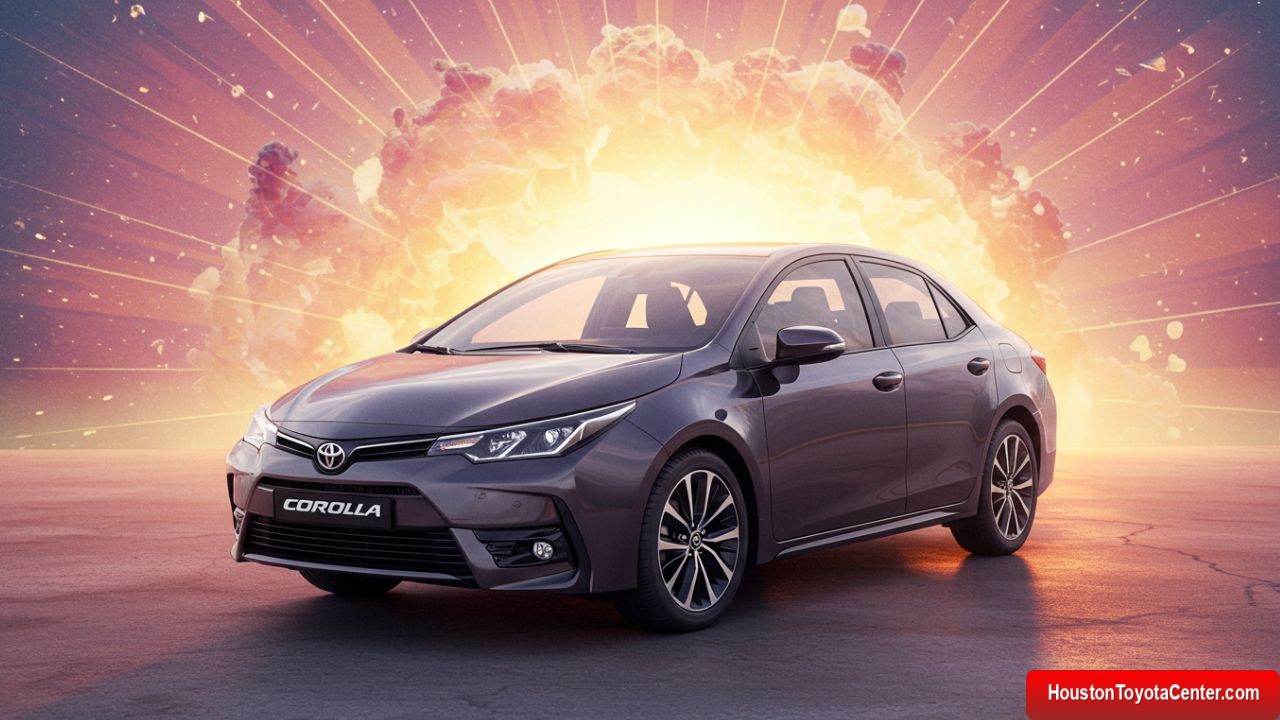
The Toyota Corolla is more than just a car—it’s an automotive institution. Since its debut in 1966, the Corolla has become the best-selling nameplate in the history of the automobile, with over 50 million units sold worldwide as of 2023. Its reputation for reliability, fuel efficiency, affordability, and low maintenance costs has made it a staple in households across the globe. Whether you’re a first-time car buyer, a commuter seeking dependability, or someone looking for a budget-friendly used car, the Corolla often lands at the top of the list.
But not all Corollas are created equal. While the model line enjoys a generally stellar reputation, certain years stand out—both for their excellence and their shortcomings. Understanding which model years deliver the best value and which ones to avoid can save you thousands in repairs, headaches, and depreciation.
In this comprehensive guide, we’ll analyze every generation of the Toyota Corolla from the early 2000s through the latest models available in 2026. We’ll examine mechanical reliability, safety features, interior quality, technology integration, owner satisfaction, common problems, and resale value. By the end, you’ll have a clear picture of the best and worst Toyota Corolla years, helping you make an informed decision whether you’re buying new, certified pre-owned, or browsing private sellers.
The Evolution of the Toyota Corolla (2000–2026)
To understand the strengths and weaknesses of each model year, it’s important to trace the Corolla’s evolution through its various generations. Each redesign brings changes in platform, engine options, safety systems, and design philosophy—all of which impact long-term ownership experience.
FREE: Quickly identify and understand problems with your vehicle 🚘
CLICK HERE| Generation | Model Years | Key Features |
|---|---|---|
| Ninth Gen (E120/E130) | 2000–2002 | Compact size, basic interiors, reliable but dated tech |
| Tenth Gen (E140/E150) | 2003–2008 | Redesigned exterior, improved ride comfort, introduction of VVT-i engines |
| Eleventh Gen (E160/E170) | 2009–2013 | Significant redesign, better fuel economy, standard stability control |
| Twelfth Gen (E180) | 2014–2018 | Sportier styling, updated infotainment, optional CVT |
| Thirteenth Gen (E210) | 2019–2023 | All-new TNGA platform, enhanced safety, hybrid option introduced |
| Fourteenth Gen (E220) | 2024–2026 | Sharper design, upgraded tech, expanded hybrid availability |
Now, let’s dive into a year-by-year analysis to determine which Corollas shine—and which ones should be avoided.
2000–2002: The End of an Era
These final years of the ninth-generation Corolla represent the tail end of a conservative design era. Built on the E120/E130 platform, these models were compact, efficient, and mechanically simple.
Engine & Transmission:
Most trims came with a 1.8L 4-cylinder engine producing around 120–130 horsepower, paired with either a 5-speed manual or 4-speed automatic transmission. The drivetrain was bulletproof, with many examples still running past 200,000 miles today.
Reliability:
Mechanically, these years are solid. The lack of complex electronics means fewer failure points. Common issues include worn suspension components (struts, ball joints), aging climate control systems, and occasional water leaks due to clogged sunroof drains (on models so equipped).
Safety:
By modern standards, safety is severely lacking. No side airbags, no electronic stability control, and minimal crash protection. The Insurance Institute for Highway Safety (IIHS) gave the 2002 model a “Poor” rating in frontal offset tests.
Verdict:
✅ Good for budget mechanics or DIY enthusiasts who want a simple, repairable car.
❌ Avoid if safety is a priority. Not recommended for families or highway-heavy driving.
2003–2008: The Rise of Refinement
The tenth-generation Corolla (E140/E150) brought a major leap forward in refinement, comfort, and performance. With sleeker styling and a more spacious interior, this generation became one of the most popular in Corolla history.
Notable Changes:
- Introduction of VVT-i (Variable Valve Timing) for better efficiency
- Available 2.4L engine in the XRS trim (2005–2008)
- Improved aerodynamics and quieter cabin
2005–2008 XRS Trim – A Sleeper Hit
One of the most underrated performance compacts of the 2000s, the Corolla XRS featured a 2.4L 2ZZ-GE engine borrowed from the Toyota Matrix XRS and Pontiac Vibe GT. It produced 164 hp and could reach 60 mph in under 7 seconds with the manual transmission—a feat unmatched by any other Corolla until the GR Corolla.
However, this engine required high RPMs to perform well and needed regular oil changes to prevent timing chain tensioner failures—a known issue after 100,000 miles.
Common Problems (2003–2008):
- Accelerator Pedal Recall (2009–2011): Though not limited to these years, some 2005–2008 models were included in the massive unintended acceleration recall due to floor mat interference and sticky pedals.
- Power Window Motor Failure: Especially prevalent in 2007–2008 models; drivers’ side windows often fail due to motor burnout.
- Rust Issues: In colder climates with road salt, frame rails and rear wheel wells are prone to rust.
Safety:
Starting in 2005, Toyota added standard anti-lock brakes (ABS). Electronic Stability Control (ESC) became standard in 2007, a significant upgrade. IIHS ratings improved to “Good” in frontal crashes by 2007.
Verdict:
✅ 2007–2008 are the best of this generation—better safety, refined ride, and the XRS offers fun-to-drive dynamics.
❌ Avoid pre-2005 models for safety reasons. Check for recalls and rust before purchasing.
2009–2013: Controversial Styling, Strong Reliability
The eleventh-generation Corolla (E160/E170) marked a polarizing shift in design language—boxy, upright, and widely criticized for being bland. But beneath the awkward sheet metal lay a car that was more reliable than ever.
Key Improvements:
- Standard Vehicle Stability Control (VSC) and traction control
- Enhanced crash structure with more high-strength steel
- Better fuel economy (up to 35 mpg highway on 4-cylinder models)
Engine & Drivetrain:
The 1.8L 2ZR-FE engine became standard, producing 132 hp. Paired with a 4-speed automatic or 5-speed manual, it was adequate but uninspiring. The transmission felt outdated compared to competitors offering 6-speed autos.
Toyota’s Biggest Recall (2009–2011)
This period overlaps with Toyota’s most infamous crisis—the unintended acceleration scandal. Millions of vehicles, including Corollas from 2009–2010, were recalled due to:
- Floor mat entrapment
- Sticky accelerator pedals
- Potential electronic throttle control faults
While fixes were implemented, residual stigma affected resale value and consumer trust—even though most issues were mechanical, not electronic.
Common Problems:
- Oil Consumption (2009–2010): Some engines burned excessive oil (over 1 quart per 1,200 miles). Toyota extended the warranty to 150,000 miles or 8 years for affected vehicles.
- AC Compressor Failure: Premature wear reported in hot climates.
- Radio Display Flickering: Due to failing capacitors on the circuit board.
Owner Satisfaction:
Despite reliability, owners complained about dull driving dynamics, cheap interior plastics, and lack of tech. J.D. Power surveys from the era show declining scores in predicted reliability and customer satisfaction.
Verdict:
✅ Mechanically dependable, especially post-recall fixed models. Good for high-mileage commuters.
❌ Bland design, poor tech, and lingering recall concerns. Avoid 2009–2010 unless fully serviced and documented.
2014–2018: Modernization Begins
With the twelfth-generation Corolla (E180), Toyota finally addressed many criticisms. The design became sharper, the ride more composed, and technology began catching up.
Redesign Highlights:
- New front fascia with aggressive headlights
- Updated interior with softer materials
- Standard backup camera starting in 2015
- Optional Entune infotainment system with navigation and apps
Safety Upgrades:
Toyota Safety Sense™ (TSS) was introduced in 2016 as an option and became standard in 2017. This suite included:
- Pre-Collision System with Pedestrian Detection
- Lane Departure Alert
- Adaptive Cruise Control
- Automatic High Beams
Models from 2017 onward earned “Top Safety Pick” status from the IIHS.
Transmission Options:
The 4-speed automatic remained standard on base models—an embarrassing omission in an era of 6-, 8-, and even 10-speed transmissions. Higher trims offered a CVT (Continuously Variable Transmission), which improved fuel economy but delivered a rubber-band-like driving feel.
Common Issues:
- CVT Shuddering (2014–2016): Some owners report vibration during acceleration, often requiring software updates or fluid changes.
- Water Pump Failure: The plastic impeller can degrade, leading to overheating.
- Wind Noise: Poor door sealing leads to noticeable noise at highway speeds.
Hybrid Version?
No—Toyota reserved the hybrid powertrain for the Prius and Camry during this period. The Corolla wouldn’t get a hybrid option until 2020.
Verdict:
✅ 2017–2018 are excellent choices—loaded with safety tech, reliable, and affordable on the used market.
❌ Avoid 2014–2015 for lack of TSS. Base models feel underpowered and outdated.
2019–2023: A New Chapter with TNGA
The thirteenth-generation Corolla (E210) marked a turning point. Built on Toyota’s New Global Architecture (TNGA) platform—shared with the Camry and RAV4—the 2019 Corolla became lower, stiffer, and more engaging to drive.
Revolutionary Changes:
- Lower center of gravity for better handling
- MacPherson strut front / double-wishbone rear suspension (on higher trims)
- Standard Toyota Safety Sense 2.0 (TSS 2.0)
- Available hybrid powertrain (2020+)
- Digital instrument cluster and larger touchscreen
Engine Options:
- Base Engine: 2.0L M20A-FKS Dynamic Force engine, 169 hp, 151 lb-ft torque
- Hybrid: 1.8L 2ZR-FXE + electric motor, combined 121 hp (LE grade), up to 53 mpg city
The non-hybrid engine is mated to a Direct-Shift CVT—a significant improvement over traditional CVTs, featuring a physical first gear for smoother take-offs.
Interior & Tech:
Materials improved dramatically. Soft-touch surfaces, available leather, and available 8-inch touchscreen with Apple CarPlay® and Android Auto™ (standard from 2020). However, base L trim remains spartan.
Safety:
TSS 2.0 includes:
- Lane Tracing Assist (centering)
- Full-speed Dynamic Radar Cruise Control
- Road Sign Assist
- Automatic Emergency Braking
All 2019–2023 Corollas received “Top Safety Pick+” from IIHS when equipped with LED headlights.
Known Problems:
- Infotainment Glitches (2019–2020): Early software had bugs—random reboots, Bluetooth pairing issues. Most resolved via dealer updates.
- Sunroof Rattle (2019–2021): Some owners report wind-related vibrations; dealers issued weatherstrip kits.
- Hybrid Battery Longevity Concerns: While rare, replacement costs exceed $2,000. Most batteries last 150,000+ miles.
Trim Differences:
| Trim | Key Features | Ideal For |
|---|---|---|
| L | Steel wheels, manual AC, basic audio | Budget buyers |
| LE | 16″ alloys, keyless entry, TSS | Daily commuters |
| SE | Sport suspension, paddle shifters, rear disc brakes | Driving enthusiasts |
| XSE | Leather, JBL audio, ambient lighting | Luxury seekers |
| Hybrid LE/SE/XSE | 50+ mpg, eco-driving displays | Eco-conscious drivers |
Verdict:
✅ 2020–2023 are among the best Corollas ever made—safe, efficient, and modern.
❌ 2019 models may have unresolved software bugs. Hybrids cost more upfront but save long-term.
2024–2026: The Smartest Corolla Yet
The fourteenth-generation Corolla (E220) launched in 2024 with subtle but meaningful refinements. While not a full redesign, it represents Toyota’s commitment to continuous improvement.
Major Updates:
- Revised front and rear bumpers for a bolder look
- Standard Toyota Safety Sense 3.0 (TSS 3.0)
- Expanded use of acoustic glass for quieter cabin
- Over-the-air (OTA) software updates (starting 2025)
- Available digital key via smartphone
TSS 3.0 Enhancements:
- Improved pedestrian and cyclist detection at night
- Intersection support (detects cross-traffic when turning)
- Emergency Steering Assist
- Curve Speed Management
These upgrades make the Corolla one of the safest compact cars on the road.
Hybrid Dominance:
As of 2025, hybrid models account for over 60% of Corolla sales in North America. Toyota responded by expanding hybrid availability across all trims except the base L.
New TRD Package (2024–2026):
A performance-oriented package for the SE and XSE trims includes:
- Sport-tuned suspension
- Larger rear spoiler
- Unique 18-inch alloy wheels
- Red brake calipers
- Interior stitching
While not as powerful as the GR Corolla, the TRD package enhances cornering and visual appeal.
Technology Leap:
- 9-inch touchscreen (up from 8 inches)
- Wireless Apple CarPlay and Android Auto (2025+)
- Available 12.3-inch digital gauge cluster
- Qi wireless charging pad
Reliability Outlook:
Early data from 2024 models shows excellent reliability. No major recalls to date. Consumer Reports ranks the 2025 Corolla near the top of its compact car category for predicted reliability.
Resale Value:
Corollas continue to hold value exceptionally well. According to Kelley Blue Book (KBB), the 2024 Corolla retains 72% of its value after 3 years, outperforming Honda Civic (68%) and Hyundai Elantra (63%).
Verdict:
✅ 2024–2026 Corollas are the pinnacle of the model line—packed with safety, tech, and efficiency.
❌ Higher price tags, especially with hybrid and premium trims. Not ideal for ultra-budget shoppers.
The GR Corolla: A Wildcard in the Lineup
Launched in 2022 as a 2023 model, the GR Corolla is a radical departure from the frugal image of the Corolla. Developed by Toyota Gazoo Racing, it’s a homologation special built to compete with the Honda Civic Type R and Volkswagen Golf R.
Specifications:
- 1.6L turbocharged 3-cylinder engine: 300 hp, 273 lb-ft torque
- 6-speed manual transmission only
- GR-FOUR all-wheel-drive system with front, rear, and center torque vectoring
- Standard performance seats, Brembo brakes, forged aluminum wheels
Ownership Experience: While incredibly capable, the GR Corolla sacrifices comfort, fuel economy (23 mpg combined), and practicality. Rear seat space is tight, trunk capacity reduced, and daily driving can be fatiguing due to stiff suspension.
Reliability Concerns:
Being a new performance model, long-term reliability is still unknown. Early reports cite turbo lag, clutch wear under aggressive use, and occasional D-4S injection system warnings. Toyota extended the powertrain warranty to 5 years/60,000 miles.
Is It a “Real” Corolla?
Yes—built on a modified Corolla hatchback body, sharing only doors and roof with the standard model. But its purpose is entirely different: track-ready performance over economy.
Verdict:
✅ Thrilling to drive, rare, and collectible potential.
❌ Expensive ($37,000–$45,000), impractical, not for average buyers.
Year-by-Year Summary: Best and Worst Ranked
To help you quickly identify the top performers and lemons, here’s a ranked summary:
| Rank | Model Year | Rating | Reason |
|---|---|---|---|
| 1 | 2025 | ⭐⭐⭐⭐⭐ | Latest tech, TSS 3.0, OTA updates, high reliability |
| 2 | 2020 | ⭐⭐⭐⭐⭐ | First with hybrid option, TNGA platform, strong safety |
| 3 | 2018 | ⭐⭐⭐⭐½ | Final year of old gen with TSS, good value |
| 4 | 2007 | ⭐⭐⭐⭐½ | Best of pre-TNGA era, ESC standard, reliable |
| 5 | 2023 | ⭐⭐⭐⭐½ | Mature TNGA, proven hybrid, few issues |
| 6 | 2010 | ⭐⭐⭐½ | Reliable engine but plagued by recalls |
| 7 | 2005 | ⭐⭐⭐½ | XRS trim is fun, but safety lags |
| 8 | 2015 | ⭐⭐⭐ | No TSS, outdated 4-speed auto |
| 9 | 2009 | ⭐⭐½ | Oil consumption issues, ugly interior |
| 10 | 2003 | ⭐⭐½ | Basic safety, primitive tech |
| 11 | 2001 | ⭐⭐ | Outdated, poor crash protection |
| 12 | 2021 | ⭐⭐ | Minor software bugs, sunroof rattle |
| 13 | 2016 | ⭐½ | CVT issues, lacks modern safety |
| 14 | 2008 | ⭐½ | Rust-prone, window motor failures |
| 15 | 2000 | ⭐ | Ancient by today’s standards |
Note: Ratings based on reliability, safety, tech, owner feedback, and expert reviews.
Factors That Define a “Best” vs. “Worst” Year
Understanding why certain years excel while others falter requires analyzing several key factors:
1. Reliability & Mechanical Durability
The Corolla’s core strength is longevity. The best years feature engines and transmissions that require minimal intervention beyond routine maintenance. The worst suffer from chronic issues like oil burning, transmission shudder, or electrical gremlins.
2. Safety Technology
Pre-2017 models lack advanced driver aids. A car without automatic emergency braking or lane keeping is increasingly seen as unsafe in modern traffic. The introduction of TSS was a game-changer.
3. Fuel Efficiency
With gas prices volatile, efficiency matters. Hybrid models (2020+) offer 50+ mpg, while older 4-speed automatics struggle to hit 30 mpg highway.
4. Interior Quality & Comfort
Cheap plastics and stiff seats hurt daily usability. The TNGA-based models (2019+) significantly upgraded materials and ergonomics.
5. Technology Integration
Apple CarPlay, Android Auto, digital clusters, and connected services are now expected. Models before 2020 lack these, reducing convenience and resale appeal.
6. Recalls & Class-Action Lawsuits
Years like 2009–2010 are tainted by massive recalls, even if fixed. Buyers remain wary, affecting demand and pricing.
7. Driving Dynamics
While not a sports car, the Corolla should feel stable and responsive. The TNGA platform improved steering feel and ride quality dramatically.
8. Resale Value
High retention = confidence in ownership. The 2020+ models command strong resale due to hybrid efficiency and safety ratings.
Frequently Asked Questions (FAQ)
Q: What is the most reliable Toyota Corolla year?
A: The 2020 and 2025 models are currently considered the most reliable, combining the durable TNGA platform with advanced safety and proven hybrid technology.
Q: Which Corolla years should I avoid?
A: Steer clear of 2009–2010 (recall issues, oil consumption), 2016 (CVT problems, no TSS), and 2008 (rust, electrical faults).
Q: Is a 20-year-old Corolla still worth buying?
A: Only if you’re a mechanic or enthusiast. A well-maintained 2003–2007 model can be reliable, but safety and efficiency are poor by today’s standards.
Q: Are Toyota Corolla hybrids worth it?
A: Yes, especially if you drive over 15,000 miles per year. The fuel savings typically offset the $2,000–$3,000 price premium within 3–5 years.
Q: Does the Corolla hold its value?
A: Exceptionally well. It consistently ranks in the top 3 for resale value among compact cars, retaining over 70% of its value after three years.
Q: Can I trust a high-mileage Corolla?
A: Absolutely. Many Corollas surpass 250,000 miles with proper maintenance. Look for service records and avoid cars with skipped oil changes.
Final Verdict: What’s the Best Toyota Corolla Year?
After reviewing two decades of production, one year stands above the rest:
✅ Best Overall: 2020 Toyota Corolla
Why?
- First year with available hybrid powertrain
- Built on the modern TNGA platform
- Standard Toyota Safety Sense 2.0
- Excellent fuel economy (up to 53 mpg)
- Strong predicted reliability
- Great balance of price, features, and efficiency
For those on a tighter budget, the 2018 Corolla LE with TSS is a close second—offering nearly all the safety benefits of newer models at a lower price.
If you want cutting-edge tech and peace of mind, go for the 2025 Corolla Hybrid XSE—the smartest, safest, and most refined Corolla ever built.
And if you crave excitement? The GR Corolla delivers thrills unlike any Corolla before it—though it’s in a completely different category.
On the flip side, the worst years to buy are:
- ❌ 2009–2010: Marred by recalls and oil consumption
- ❌ 2016: Missing critical safety tech, CVT issues
- ❌ 2008: Rust, electrical failures, outdated design
Conclusion: The Corolla Legacy Continues
The Toyota Corolla’s enduring success isn’t accidental. It’s the result of decades of disciplined engineering, a focus on durability, and a willingness to evolve. From a humble economy car to a tech-savvy, hybrid-powered compact, the Corolla has adapted without losing its soul.
While some years stumbled—due to corporate missteps, outdated designs, or missed opportunities—the vast majority of Corollas remain excellent choices. Few cars offer the same combination of low cost of ownership, high reliability, and strong resale value.
When shopping for a used Corolla, prioritize model year over mileage. A well-documented 2020 Corolla with 80,000 miles is a far smarter purchase than a neglected 2012 with 60,000 miles.
And for new buyers: embrace the future. The 2024–2026 Corollas represent the peak of what a practical, safe, and efficient sedan can be. With hybrid dominance, advanced safety, and seamless connectivity, the Corolla isn’t just surviving the EV revolution—it’s thriving in it.
Whether you’re buying your first car or your last, the Toyota Corolla remains one of the wisest choices on four wheels.
Data sources: NHTSA, IIHS, J.D. Power, Consumer Reports, Kelley Blue Book, Toyota Technical Service Bulletins, owner forums (e.g., ToyotaNation), and Edmunds.
Leave a Reply