
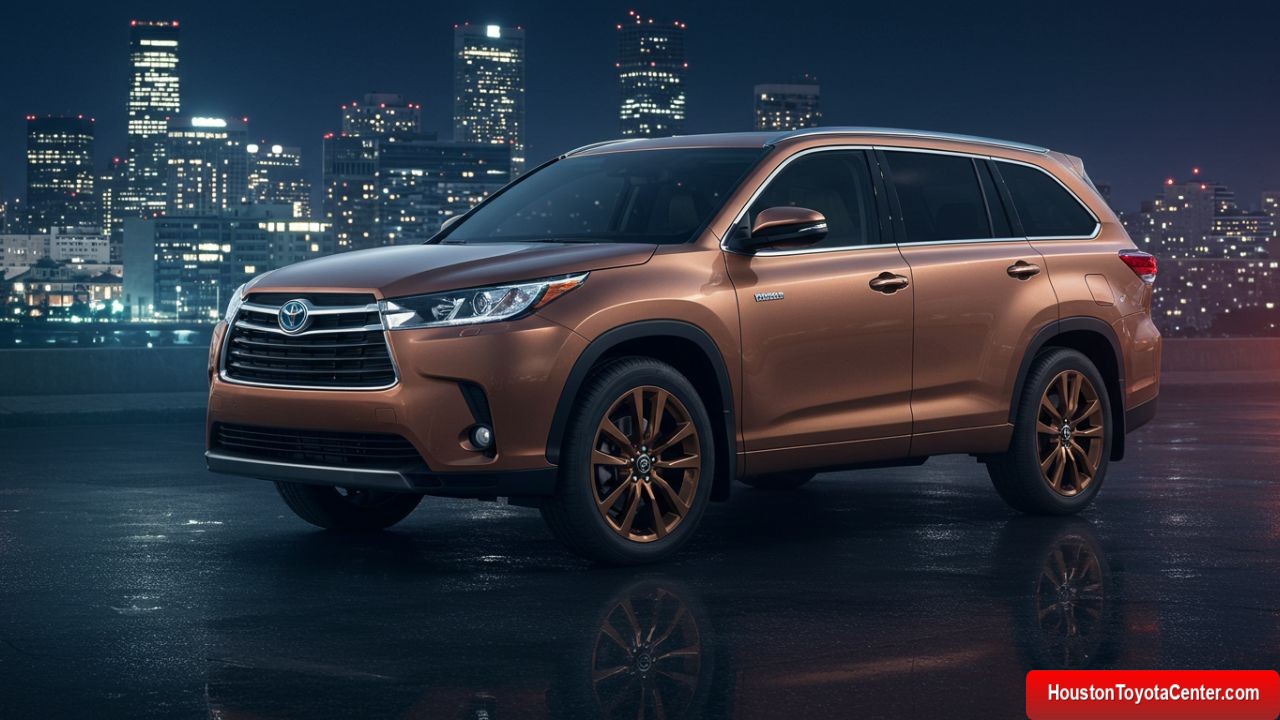
In an era where families increasingly prioritize fuel efficiency without compromising on space, safety, or comfort, the 2026 Toyota Highlander Hybrid emerges as a compelling solution. With rising fuel costs and growing environmental consciousness, consumers are seeking vehicles that deliver practicality alongside sustainability. The Highlander Hybrid represents more than just another midsize SUV; it embodies a shift in automotive priorities where hybrid technology meets family-oriented design. Understanding what makes this vehicle stand out helps families make informed decisions about one of their most significant purchases while contributing to broader conversations about sustainable transportation options.
A Powertrain That Delivers Efficiency Without Compromise
The 2026 Toyota Highlander Hybrid combines a 2.5-liter four-cylinder engine with electric motors to produce a total system output of 243 horsepower. This hybrid powertrain achieves an impressive EPA-estimated 35 miles per gallon combined, making it one of the most fuel-efficient three-row SUVs available today. For families who regularly commute or take long road trips, this translates into substantial savings at the pump. According to Consumer Reports testing, the Highlander Hybrid consistently delivers 35 mpg overall, far surpassing competitors in its class.
What sets the Highlander Hybrid apart is not just its fuel economy but how seamlessly the hybrid system operates. The transition between electric and gasoline power occurs smoothly, ensuring drivers experience consistent performance whether navigating city streets or cruising on highways. The all-wheel-drive system comes standard, providing confidence in various weather conditions while maintaining the vehicle’s efficiency credentials. Eco Mode helps maximize fuel efficiency during everyday driving, while Normal Mode blends economy with responsive performance when needed.
Space and Versatility for Modern Families
Seating up to seven passengers comfortably, the Highlander Hybrid addresses the spatial needs of growing families. The third row, while best suited for children or shorter adults, provides genuine usability that many competitors lack. Cargo capacity stands at 16.0 cubic feet behind the third row, expanding significantly when those seats are folded down. This flexibility allows families to accommodate everything from grocery runs to weekend camping trips without feeling constrained.
FREE: Quickly identify and understand problems with your vehicle 🚘
CLICK HEREThe interior design prioritizes both functionality and comfort. Thoughtful storage solutions throughout the cabin ensure that small items remain organized and accessible. Premium materials and refined finishes elevate the driving experience beyond basic transportation, creating an environment where passengers feel valued rather than merely accommodated. Wireless Android Auto and Apple CarPlay compatibility keep everyone connected without cable clutter.
Safety Standards That Set New Benchmarks
Safety remains paramount for family vehicles, and the 2026 Highlander Hybrid excels in this critical area. The Insurance Institute for Highway Safety awarded the Highlander a Good rating across multiple crashworthiness evaluations, including structure and safety cage performance. These rigorous tests simulate real-world collision scenarios, providing families with confidence that their vehicle offers robust protection.
Standard safety features include automated emergency braking, blind-spot monitoring, and adaptive cruise control. These technologies work together to prevent accidents before they occur, reducing driver stress during challenging conditions. Optional features like a 360-degree camera system enhance visibility during parking maneuvers and tight spaces. The comprehensive suite of safety technologies reflects Toyota’s commitment to protecting occupants while maintaining ease of use.
Consumer reviews highlight the effectiveness of these safety systems, with 85 percent of owners recommending the vehicle based partly on its safety credentials. Blind spot monitoring, lane assist, and intelligent safety features receive particular praise for their reliability and non-intrusive operation. For parents transporting children daily, these features provide peace of mind that extends beyond mere specifications.
Real-World Performance and Ownership Experience
Beyond specifications and ratings, the Highlander Hybrid proves itself through everyday usability. The curb weight ranges from 4,515 to 4,595 pounds depending on configuration, yet the hybrid powertrain manages this mass efficiently. Acceleration feels adequate for merging onto highways and passing slower traffic, though sporty driving enthusiasts might prefer more aggressive tuning. However, the Highlander Hybrid targets families prioritizing comfort and efficiency over spirited performance.
Maintenance costs over five years average approximately $6,332, while estimated fuel expenses reach around $4,133 to $4,188 depending on driving patterns. These figures compare favorably against conventional three-row SUVs that consume significantly more fuel. The hybrid system’s proven reliability contributes to lower long-term ownership costs, an important consideration for budget-conscious families.
Reliability ratings score an impressive 4.8 out of 5, reflecting Toyota’s reputation for building durable vehicles. Styling receives a 4.7 rating, indicating that the Highlander Hybrid appeals aesthetically while maintaining its practical focus. This combination of dependability and attractive design ensures the vehicle ages well both mechanically and visually.
Competitive Positioning in the Three-Row SUV Segment
The three-row SUV market has become increasingly competitive, with numerous manufacturers offering hybrid options. However, the Highlander Hybrid distinguishes itself through its balanced approach. Unlike some competitors that sacrifice interior space for efficiency or compromise fuel economy for power, the Highlander Hybrid achieves both objectives simultaneously. The Grand Highlander variant offers even more space with similar hybrid efficiency, achieving 36 mpg city and 32 mpg highway estimates.
Pricing starts at $49,615 for the base hybrid model, positioning it competitively within the premium three-row segment. Higher trims reach $55,675, adding luxury features and enhanced technology packages. While not the least expensive option available, the Highlander Hybrid justifies its price through comprehensive standard equipment, proven reliability, and strong resale value retention.
Comparisons with rivals reveal the Highlander Hybrid’s strengths. Many competing hybrids offer lower fuel economy or reduced cargo capacity. Others charge premium prices without delivering proportional value. The Highlander Hybrid occupies a sweet spot where efficiency, space, safety, and affordability intersect meaningfully.
Environmental Impact and Sustainability Considerations
Choosing a hybrid vehicle like the Highlander Hybrid contributes to reduced emissions compared to conventional gasoline-powered SUVs. The 35 mpg combined rating means fewer gallons consumed annually, directly translating to lower carbon dioxide output. For environmentally conscious families unwilling to compromise on space or capability, the Highlander Hybrid offers a pragmatic middle ground between traditional SUVs and fully electric vehicles.
The hybrid system’s ability to operate on electric power alone during low-speed driving further reduces emissions in urban environments. Regenerative braking captures energy typically lost during deceleration, improving overall efficiency. While not zero-emission like battery electric vehicles, the Highlander Hybrid represents a significant step toward cleaner transportation without requiring changes to driving habits or charging infrastructure access.
Annual fuel savings of $1,000 to $1,500 compared to less efficient alternatives demonstrate the economic benefits alongside environmental advantages. These savings accumulate over the vehicle’s lifespan, offsetting any initial price premium associated with hybrid technology. Families concerned about both their budgets and environmental footprint find the Highlander Hybrid aligns with their values.
Expert Perspectives and Industry Recognition
Automotive experts recognize the Highlander Hybrid’s achievements. Car and Driver awards the vehicle an 8 out of 10 rating, praising its blend of efficiency, comfort, and practicality. U.S. News rates the Highlander Hybrid’s safety at 9.0 out of 10, reflecting its strong performance in crash tests and comprehensive safety feature availability. These independent evaluations validate Toyota’s engineering decisions and consumer-focused approach.
Industry analysts note that the Highlander Hybrid successfully bridges the gap between traditional SUV expectations and modern efficiency demands. Its continued evolution demonstrates Toyota’s willingness to refine rather than radically reinvent a successful formula. For families researching three-row SUVs, expert consensus positions the Highlander Hybrid as a top contender worthy of serious consideration.
Making the Decision
Selecting a family vehicle involves balancing numerous factors including budget, space requirements, safety priorities, and environmental concerns. The 2026 Toyota Highlander Hybrid addresses these considerations comprehensively. Its hybrid powertrain delivers exceptional fuel economy without sacrificing the space and capability families need. Standard all-wheel drive provides year-round confidence, while advanced safety technologies protect occupants proactively.
For families currently evaluating three-row SUVs, the Highlander Hybrid deserves prominent placement on test drive lists. Experiencing its smooth hybrid operation, spacious interior, and intuitive technology firsthand reveals why it has earned champion status among family SUVs. The combination of proven reliability, competitive pricing, and strong resale value ensures the Highlander Hybrid remains a wise investment for years to come.
As automotive technology continues evolving, vehicles like the Highlander Hybrid demonstrate that progress need not require compromise. Families can enjoy the space and versatility of a traditional SUV while embracing the efficiency and environmental benefits of hybrid technology. In doing so, they participate in a broader shift toward more sustainable transportation choices without abandoning the practical features that make SUVs appealing in the first place.
Leave a Reply