
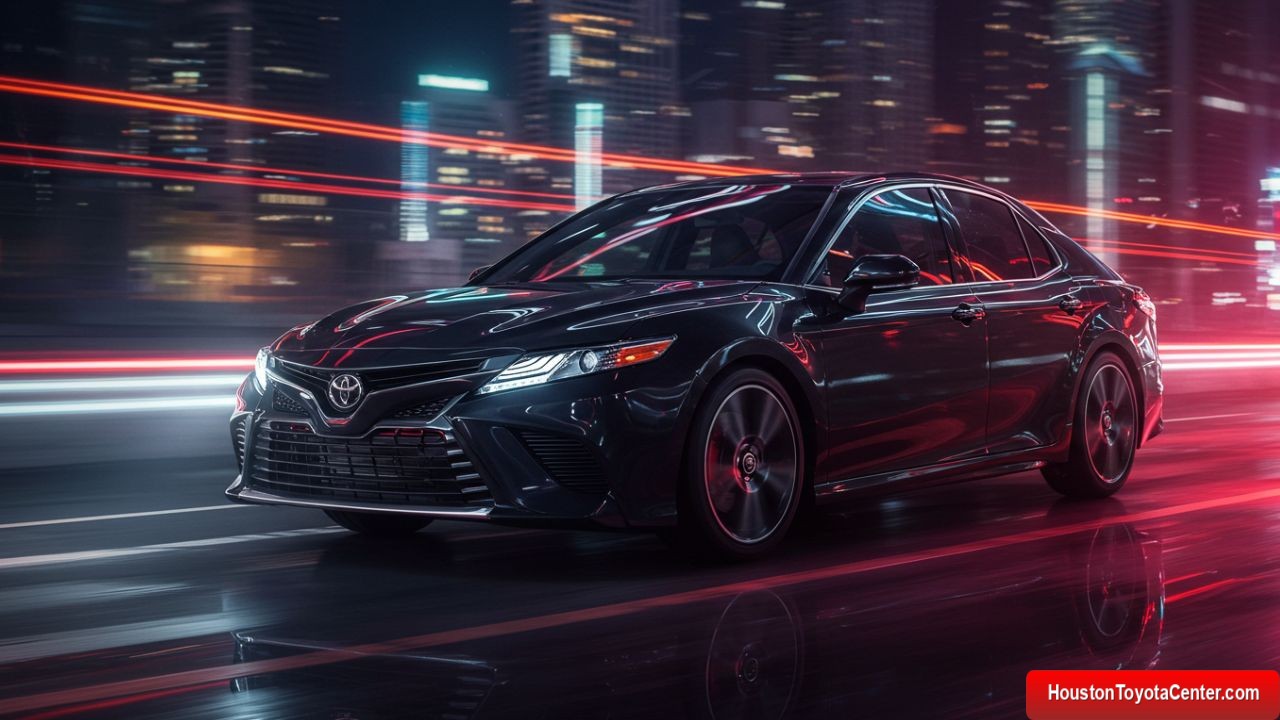
In the ever shifting landscape of the automotive industry, where trends come and go with the seasons and manufacturers constantly vie for consumer attention through flashy designs and cutting edge technology, one vehicle has managed to maintain a position of remarkable stability and desirability. The Toyota Camry, a name that has become synonymous with reliability and practicality, continues to defy the typical depreciation curves that plague most passenger vehicles. For consumers navigating the complex world of used car shopping, the question often arises: why do these sedans retain their value so effectively? The answer lies in a confluence of engineering excellence, brand reputation, market dynamics, and a cultural shift toward long term ownership that has elevated the Camry from a mere transportation device to a symbol of smart financial decision making.
A Foundation Built on Reliability
At the heart of the Camry’s strong resale value is its legendary reputation for reliability. This is not merely marketing speak or brand loyalty gone awry. It is a fact backed by decades of data, consumer reports, and real world experience. Toyota has cultivated an image of building vehicles that simply work, day after day, year after year, with minimal intervention required from their owners. The Camry embodies this philosophy perfectly. Its powertrains, whether the traditional four cylinder engine or the more robust V6 options found in earlier generations, are engineered for longevity rather than peak performance thrills. This conservative approach to engineering means that components are less likely to fail under normal driving conditions, reducing the likelihood of costly repairs that can deter potential buyers in the used market.
When a consumer considers purchasing a used vehicle, one of their primary concerns is the potential for unexpected expenses. A car that requires frequent trips to the mechanic shop quickly loses its appeal, regardless of how attractive its initial price tag might be. The Camry mitigates this fear almost entirely. Owners report high satisfaction with the vehicle’s durability, noting that major mechanical failures are rare even as the odometer climbs well beyond the hundred thousand mile mark. This track record creates a powerful psychological effect among buyers. They are willing to pay a premium for a used Camry because they perceive it as a safer investment compared to competitors that may offer more features or style but lack the same proven history of dependability.
FREE: Quickly identify and understand problems with your vehicle 🚘
CLICK HEREThe Power of Brand Perception and Trust
Toyota as a brand has spent decades cultivating trust among global consumers. This trust translates directly into residual value for its vehicles. In many markets around the world, owning a Toyota is seen as a prudent choice, a sign of someone who values substance over superficial appeal. The Camry benefits immensely from this broader brand equity. When people think of Toyota, they think of quality control, rigorous testing, and a commitment to customer satisfaction. These associations do not disappear when the vehicle is sold to a second or third owner. Instead, they continue to influence buyer behavior in the used car market.
This brand perception is particularly strong in regions where automotive infrastructure may not be as developed, or where access to specialized repair services is limited. In such contexts, the simplicity and robustness of the Camry make it an ideal choice. Buyers know that if something does go wrong, parts are widely available and mechanics are familiar with the vehicle’s architecture. This ease of maintenance further enhances its appeal and supports higher resale prices. The global nature of Toyota’s operations also means that the Camry is recognized and respected across borders, making it a versatile asset for those who may relocate or travel frequently.
Market Dynamics and Supply Constraints
Another critical factor contributing to the Camry’s strong holding power is the basic economic principle of supply and demand. The Camry has consistently been one of the best selling cars in North America and many other markets for years. This high volume of sales creates a large pool of potential buyers in the used market. However, despite the abundance of Camrys on the road, the demand for well maintained examples often outstrips supply, particularly for specific model years or trim levels that are known for exceptional reliability or feature sets.
Additionally, Toyota’s production strategies have sometimes led to limited availability of new Camrys during certain periods, whether due to supply chain disruptions, semiconductor shortages, or strategic decisions to prioritize other models. When new car inventory is tight, consumers turn to the used market in greater numbers, driving up prices for popular models like the Camry. This dynamic creates a feedback loop where strong used values reinforce the perception of the Camry as a desirable vehicle, which in turn sustains demand and keeps prices elevated.
The Shift Toward Long Term Ownership
In recent years, there has been a noticeable shift in consumer behavior regarding vehicle ownership. More people are choosing to keep their cars for longer periods, either due to economic considerations or a growing awareness of the environmental impact of frequent vehicle turnover. This trend favors vehicles like the Camry that are designed to last. Buyers who plan to own a car for five, seven, or even ten years prioritize reliability and low operating costs over short term excitement or trendy features. The Camry fits this profile perfectly, offering a comfortable ride, adequate performance, and minimal hassle over extended periods.
This change in consumer mindset has also influenced how people evaluate used cars. Rather than focusing solely on initial purchase price, buyers are increasingly considering total cost of ownership, which includes fuel efficiency, insurance rates, maintenance expenses, and eventual resale value. The Camry excels in all these categories. Its fuel economy is competitive within its class, insurance premiums tend to be reasonable due to its safety record and low theft rates, and maintenance costs are generally lower than average thanks to its reliability. When all these factors are combined, the Camry emerges as a financially sound choice, justifying its higher upfront cost in the used market.
Design Philosophy and Timeless Appeal
While the Camry may not be known for groundbreaking design or avant garde styling, its aesthetic approach has contributed to its enduring appeal. Toyota has generally opted for conservative, clean lines that age gracefully rather than trendy elements that quickly look dated. This timeless design ensures that a Camry from five years ago does not appear significantly older or less relevant than a current model. For used car buyers, this means they are not purchasing a vehicle that feels obsolete or out of step with contemporary tastes.
The interior of the Camry also reflects this philosophy of practical elegance. Materials are chosen for durability and ease of cleaning, layouts are intuitive and user friendly, and features are included based on genuine utility rather than gimmickry. This focus on function over form resonates with buyers who prioritize comfort and convenience over flashy displays or excessive technology. As a result, the Camry maintains a broad appeal across different demographic groups, from young professionals seeking their first reliable sedan to families needing a safe and spacious vehicle for daily commutes.
Technological Integration Without Compromise
In an era where vehicles are increasingly becoming rolling computers, Toyota has managed to integrate modern technology into the Camry without compromising its core values of reliability and simplicity. Recent generations of the Camry feature advanced safety systems, connectivity options, and infotainment platforms that meet contemporary expectations. However, these technologies are implemented in a way that prioritizes stability and ease of use over constant updates or experimental features that may prove unreliable.
This balanced approach to technology appeals to buyers who want modern conveniences but are wary of the potential pitfalls associated with overly complex electronic systems. The Camry offers features like adaptive cruise control, lane keeping assist, and smartphone integration, but these are presented as enhancements to the driving experience rather than replacements for fundamental mechanical integrity. This strategy ensures that the vehicle remains appealing to tech savvy consumers while retaining its traditional base of buyers who value simplicity and dependability.
Conclusion: A Testament to Smart Engineering
The reasons behind the Toyota Camry’s impressive ability to hold its value are multifaceted, rooted in a combination of engineering excellence, brand trust, market dynamics, and evolving consumer preferences. It is not merely a car that happens to retain value well. It is a vehicle that has been deliberately designed and marketed to embody qualities that resonate with buyers seeking long term satisfaction and financial prudence. In a market often driven by hype and fleeting trends, the Camry stands as a testament to the enduring power of reliability, practicality, and thoughtful design.
For those considering a used vehicle purchase, the Camry represents more than just a mode of transportation. It is an investment in peace of mind, a choice that prioritizes long term value over short term gratification. As the automotive industry continues to evolve with electric vehicles, autonomous driving technologies, and new mobility solutions, the principles that have made the Camry successful remain relevant. Consumers will always seek vehicles that are dependable, affordable to maintain, and respectful of their financial resources. The Toyota Camry, in its quiet and unassuming way, continues to deliver on these promises, ensuring its place as a leader in the used car market for years to come.
Leave a Reply