
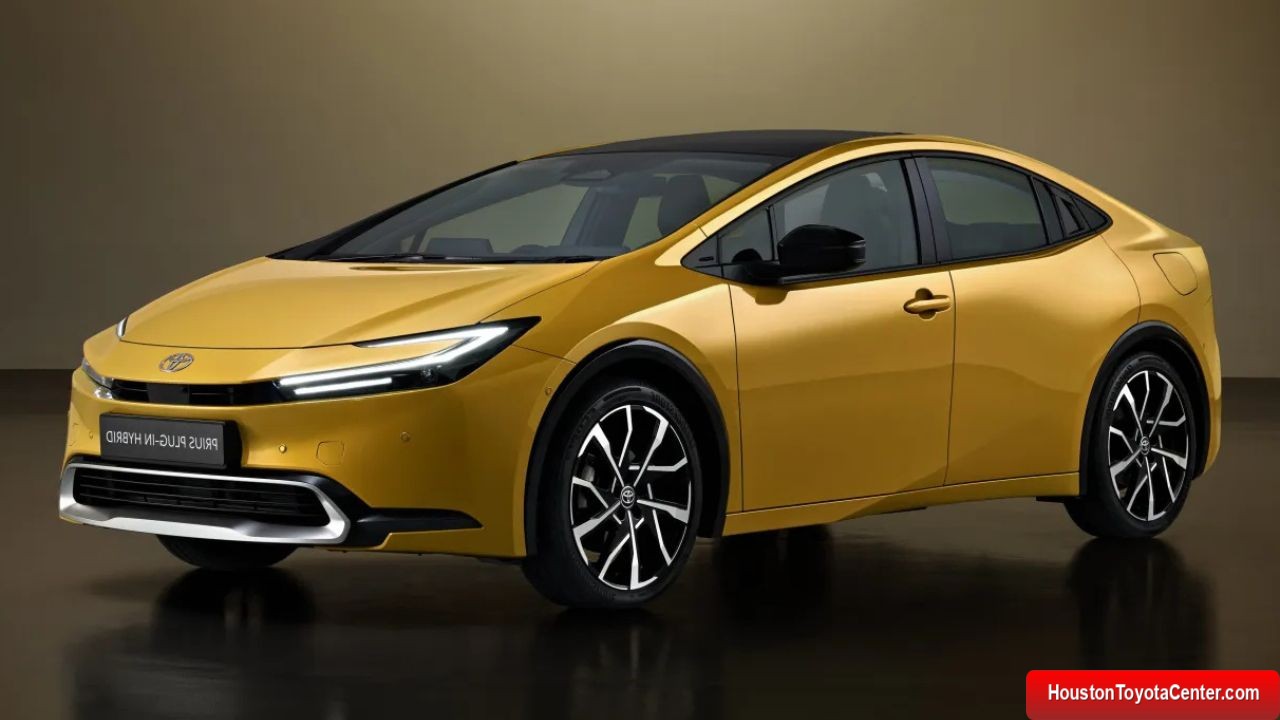
Few automobiles have altered the trajectory of the global automotive industry as profoundly as the Toyota Prius. While electric vehicles dominate many modern discussions about sustainable transportation, the Prius deserves recognition as the vehicle that transformed hybrid technology from an engineering curiosity into a mainstream movement. More than just a fuel-efficient car, the Prius became a symbol of environmental consciousness, technological innovation, and changing consumer values.
For millions of drivers around the world, the Prius represented their first meaningful encounter with electrified transportation. Long before battery-electric vehicles became common sights on city streets, the Prius demonstrated that reducing fuel consumption did not require sacrificing practicality, reliability, or affordability. It proved that advanced technology could coexist with everyday usability.
The story of the Prius is not simply about a successful car model. It is the story of how one vehicle challenged conventional wisdom, influenced public perception, reshaped automotive engineering priorities, and helped prepare society for the broader transition toward sustainable mobility.
The Automotive World Before the Prius
To understand the significance of the Prius, it is important to remember the automotive landscape of the late twentieth century.
FREE: Quickly identify and understand problems with your vehicle 🚘
CLICK HEREThroughout the 1980s and much of the 1990s, fuel economy was often viewed as secondary to performance, size, and comfort. Although concerns about oil dependence and environmental sustainability existed, they rarely influenced mainstream car-buying decisions. Most manufacturers focused on improving traditional internal combustion engines rather than exploring radical alternatives.
Hybrid vehicles were largely experimental. Engineers understood the theoretical advantages of combining electric motors with gasoline engines, but the technology was considered expensive, complicated, and commercially risky. Batteries were limited, electronic controls were less sophisticated, and consumers were generally unfamiliar with electrified drivetrains.
Environmental regulations were becoming stricter, however. Governments increasingly demanded reductions in emissions and fuel consumption. At the same time, growing awareness of climate change encouraged discussions about cleaner transportation solutions.
The automotive industry faced a critical challenge: how could manufacturers significantly improve efficiency without forcing consumers to change their habits?
Toyota believed it had an answer.
The Birth of the Prius
Toyota began serious development of what would eventually become the Prius during the early 1990s. The company envisioned a vehicle designed specifically for the twenty-first century—a car that could dramatically improve fuel economy while remaining practical for everyday drivers.
This project was ambitious. Rather than modifying an existing vehicle, Toyota sought to create a new platform centered around hybrid technology.
The name “Prius” comes from a Latin word meaning “to go before” or “to precede.” The choice reflected Toyota’s belief that the car would lead the automotive industry into a new era.
When the first-generation Prius debuted in Japan in 1997, it became the world’s first mass-produced hybrid passenger vehicle. This alone was a remarkable achievement. Toyota had succeeded where many competitors hesitated.
The first-generation model was not an immediate global sensation. It featured unconventional styling, modest performance, and technology that many consumers did not fully understand. Nevertheless, it demonstrated that hybrid vehicles could be manufactured and sold at scale.
More importantly, it established a foundation upon which future generations would build.
Understanding Hybrid Technology
One reason the Prius became so influential was its ability to make complex technology accessible.
At its core, a hybrid vehicle combines two power sources:
| Component | Purpose |
|---|---|
| Gasoline Engine | Provides power for higher speeds and longer distances |
| Electric Motor | Assists acceleration and powers the vehicle in certain conditions |
| Battery Pack | Stores electrical energy |
| Regenerative Braking | Recovers energy normally lost during braking |
| Power Control System | Manages energy flow between components |
The genius of Toyota’s Hybrid Synergy Drive was its seamless operation. Drivers did not need specialized knowledge or behavior changes.
The vehicle automatically determined when to use electric power, gasoline power, or a combination of both. During low-speed driving, the electric motor could handle much of the workload. Under acceleration, both systems worked together. When braking, energy that would normally become heat was converted into electricity and stored in the battery.
This intelligent integration delivered impressive efficiency without requiring charging stations or major lifestyle adjustments.
For consumers accustomed to traditional vehicles, the Prius represented a comfortable bridge between the familiar and the futuristic.
The Second Generation: A Breakthrough Moment
Although the original Prius established the concept, the second-generation model launched in 2003 truly transformed the vehicle into a global phenomenon.
Toyota redesigned nearly every aspect of the car. The new Prius featured a distinctive aerodynamic shape that immediately differentiated it from conventional sedans.
Its wedge-like profile was not merely stylistic. Every curve served the goal of reducing aerodynamic drag and improving efficiency.
The second-generation Prius offered:
- Improved fuel economy
- Greater interior space
- Enhanced reliability
- Better performance
- More advanced electronics
- Increased practicality
The vehicle’s multifunction display, energy-flow graphics, and futuristic dashboard helped drivers visualize how hybrid technology worked. These features turned efficiency into an engaging experience.
Owners could watch energy move between the engine, battery, and electric motor in real time. Suddenly, fuel economy was not just a number—it became something interactive and understandable.
The Prius had evolved from an experimental vehicle into a compelling consumer product.
Becoming a Cultural Icon
Most automobiles achieve commercial success. Very few become cultural symbols.
The Prius accomplished both.
During the 2000s, the vehicle became strongly associated with environmental awareness and progressive values. Celebrities, business leaders, politicians, academics, and environmentally conscious consumers embraced the Prius as a visible statement of their commitment to sustainability.
Unlike luxury cars that projected wealth or sports cars that emphasized performance, the Prius communicated something different.
It signaled responsibility.
This cultural significance gave the Prius extraordinary visibility. It appeared in movies, television programs, news reports, and public discussions about climate change.
For many years, the silhouette of a Prius was instantly recognizable. The vehicle’s unique shape helped distinguish owners who intentionally chose efficiency over traditional automotive priorities.
The Prius became one of the first automobiles whose identity extended beyond transportation.
Why Consumers Loved the Prius
The popularity of the Prius was not based solely on environmental messaging. The vehicle offered tangible benefits that appealed to a broad audience.
Fuel Savings
The most obvious advantage was reduced fuel consumption.
Drivers could travel significantly farther on a gallon of gasoline compared to many conventional vehicles. Over years of ownership, these savings often became substantial.
Reliability
Toyota’s reputation for durability played a major role in Prius adoption.
Many consumers initially worried that hybrid technology would be complicated or fragile. Instead, the Prius developed a reputation for exceptional reliability.
Taxi fleets in various cities accumulated hundreds of thousands of miles with remarkable consistency.
Low Operating Costs
Hybrid systems reduced wear on several components.
Because regenerative braking handled part of the stopping process, brake components often lasted longer. The electric motor reduced stress on the gasoline engine in many driving situations.
Quiet Driving Experience
Electric assistance created a smoother and quieter ride, especially in urban environments.
Many drivers appreciated the calm character of hybrid operation.
Technological Appeal
The Prius attracted technology enthusiasts who appreciated innovation.
The vehicle felt futuristic without being intimidating.
The Design Philosophy Behind the Prius
Toyota made a deliberate decision to ensure that the Prius looked different.
Many automakers prefer new technologies to appear familiar. Toyota chose the opposite approach.
The Prius visually communicated its purpose.
Its aerodynamic shape improved efficiency while simultaneously announcing that this was not a conventional automobile.
This strategy created several advantages:
| Design Objective | Result |
| Improve Aerodynamics | Better fuel economy |
| Distinguish Hybrid Technology | Strong market identity |
| Reinforce Environmental Messaging | Greater consumer recognition |
| Create Future-Oriented Appearance | Technological appeal |
The distinctive design helped transform the Prius into a recognizable global brand.
Overcoming Skepticism
The Prius faced significant skepticism during its early years.
Critics questioned:
- Battery longevity
- Repair costs
- Performance
- Reliability
- Consumer demand
- Economic viability
Many industry observers believed hybrid technology would remain a niche product.
Toyota responded not with marketing alone, but with execution.
Year after year, Prius owners accumulated mileage. Reliability data improved. Customer satisfaction remained strong. Sales increased.
The real-world success of the vehicle gradually weakened criticism.
As evidence accumulated, hybrids shifted from a speculative technology to a proven solution.
Environmental Impact
The Prius played an important role in reducing fuel consumption and emissions on a global scale.
Although no gasoline-powered vehicle can eliminate emissions entirely, the Prius significantly lowered fuel usage compared to many traditional automobiles of its era.
Its impact extended beyond direct environmental benefits.
The Prius helped normalize the idea that consumers could make transportation choices based on ecological considerations.
Before the Prius, environmentally focused vehicles were often perceived as compromises.
After the Prius, efficiency became a desirable feature in its own right.
This shift in consumer attitudes may have been just as important as the vehicle’s engineering achievements.
Influence on Competitors
The success of the Prius sent a powerful message throughout the automotive industry.
Manufacturers that initially dismissed hybrid technology began developing their own electrified vehicles.
The competitive response included:
- Hybrid sedans
- Hybrid SUVs
- Hybrid luxury vehicles
- Plug-in hybrids
- Electrified performance cars
Toyota’s early investment created pressure across the industry.
Companies realized that consumers were increasingly interested in efficiency and environmental performance.
The Prius effectively accelerated industry-wide innovation.
The Prius and Urban Transportation
Cities proved to be ideal environments for hybrid technology.
Traditional gasoline engines are often least efficient in stop-and-go traffic. Hybrid systems excel under these conditions because they can:
- Utilize electric power at low speeds
- Recover braking energy
- Reduce idle fuel consumption
- Improve overall efficiency
As urban populations grew worldwide, these advantages became increasingly valuable.
Many taxi operators adopted the Prius because of its fuel savings and durability.
In some cities, fleets of Prius taxis became nearly as recognizable as traditional taxi designs themselves.
Technological Innovations Introduced by the Prius
The Prius served as a platform for numerous innovations.
Some features eventually became common throughout the industry:
Regenerative Braking
Capturing energy during braking was revolutionary for mainstream consumers.
Today, regenerative braking is standard in most electrified vehicles.
Advanced Energy Management
The Prius demonstrated sophisticated coordination between multiple power sources.
This capability became essential for later hybrid and electric vehicles.
Aerodynamic Optimization
The Prius highlighted the importance of reducing drag for efficiency.
Many modern vehicles incorporate lessons learned from its design.
Consumer Energy Awareness
The vehicle’s displays educated drivers about efficiency in real time.
This concept influenced numerous later vehicle interfaces.
Economic Significance
The Prius represented more than a technological achievement—it was a business success.
Its commercial performance validated investments in electrification.
Without profitable examples such as the Prius, manufacturers might have been slower to pursue advanced powertrain development.
Toyota demonstrated that environmentally oriented technology could generate substantial demand.
This lesson influenced strategic planning across the global automotive sector.
The Rise of Plug-In Hybrids
As battery technology improved, Toyota expanded the Prius concept through plug-in hybrid models.
These vehicles offered:
- Larger battery capacity
- External charging capability
- Increased electric-only range
- Reduced fuel consumption
The plug-in Prius served as an intermediate step between traditional hybrids and fully electric vehicles.
For many consumers, it provided an opportunity to experience more extensive electrification while maintaining the security of a gasoline engine.
The Electric Vehicle Revolution
Ironically, one of the greatest achievements of the Prius may be how effectively it prepared the world for vehicles that could eventually replace it.
The Prius helped consumers become comfortable with concepts such as:
- Battery technology
- Electric motors
- Energy management systems
- Regenerative braking
- Electrified transportation
Many drivers who later purchased fully electric vehicles first encountered electrification through a hybrid.
In this sense, the Prius functioned as an educational bridge.
It familiarized society with technologies that would become central to the future of transportation.
Common Misconceptions About the Prius
Several misconceptions surrounded the vehicle throughout its history.
“The Batteries Fail Quickly”
In reality, many Prius battery packs lasted far longer than critics predicted.
Although eventual replacement is possible, numerous vehicles operated successfully for many years.
“Hybrids Are Slow”
While the Prius prioritized efficiency over performance, hybrid technology itself is not inherently slow.
Modern hybrids can deliver impressive acceleration.
“Repair Costs Are Excessive”
Long-term ownership data often revealed competitive operating costs, particularly when fuel savings were considered.
“Hybrid Technology Is Temporary”
The continued expansion of electrified vehicles suggests that hybrid systems were not a temporary experiment but part of a broader technological transition.
The Evolution of Consumer Expectations
The Prius changed what consumers expected from automobiles.
Before its rise, fuel efficiency was often viewed as a secondary specification.
Afterward, efficiency became a central consideration.
Consumers increasingly expected vehicles to provide:
- Lower emissions
- Better fuel economy
- Advanced technology
- Intelligent energy management
The Prius helped redefine automotive priorities.
Global Reach
Although initially launched in Japan, the Prius eventually achieved international success.
Its influence extended across:
- North America
- Europe
- Asia
- Australia
- Middle Eastern markets
Different regions embraced the vehicle for different reasons.
Some buyers prioritized fuel savings. Others valued environmental benefits. Many appreciated reliability and practicality.
This broad appeal contributed to its enduring popularity.
Lessons for Future Mobility
The story of the Prius offers several important lessons for future transportation technologies.
Innovation Requires Patience
Groundbreaking technologies rarely achieve immediate dominance.
Toyota invested years of development before hybrids became mainstream.
Practicality Matters
Consumers embrace innovation more readily when it integrates smoothly into everyday life.
The Prius succeeded because it required minimal behavioral changes.
Reliability Builds Trust
Technological breakthroughs must be supported by dependable performance.
Toyota’s emphasis on reliability helped overcome skepticism.
Visibility Can Accelerate Adoption
The Prius’s distinctive appearance made the technology highly visible.
This visibility increased public awareness and discussion.
The Legacy of the Prius
Today, the automotive industry is moving rapidly toward electrification.
Battery-electric vehicles receive enormous attention, and new technologies continue to emerge. Yet it would be difficult to understand this transformation without recognizing the role of the Prius.
The Prius arrived at a moment when environmental concerns were growing but practical solutions remained limited. It demonstrated that cleaner transportation could be accessible, reliable, and desirable.
Its influence extends far beyond sales figures.
The vehicle helped reshape consumer attitudes, encouraged industry investment, accelerated technological development, and introduced millions of people to electrified driving.
Few cars can claim to have changed an entire industry. Even fewer can claim to have changed public perception on a global scale.
The Prius accomplished both.
More than a successful hybrid, it became a symbol of innovation during a pivotal period in automotive history. It proved that efficiency could be aspirational, that sustainability could be practical, and that technology could transform everyday transportation.
Long after future generations of vehicles replace today’s hybrids, the Prius will remain a landmark achievement—a car that not only made hybrid technology mainstream but made it cool.
Its legacy is visible every time an electrified vehicle glides silently through traffic, recovers energy while braking, or demonstrates that transportation can evolve toward a cleaner future.
The Prius did not merely participate in the automotive revolution.
It helped start it.
Leave a Reply