
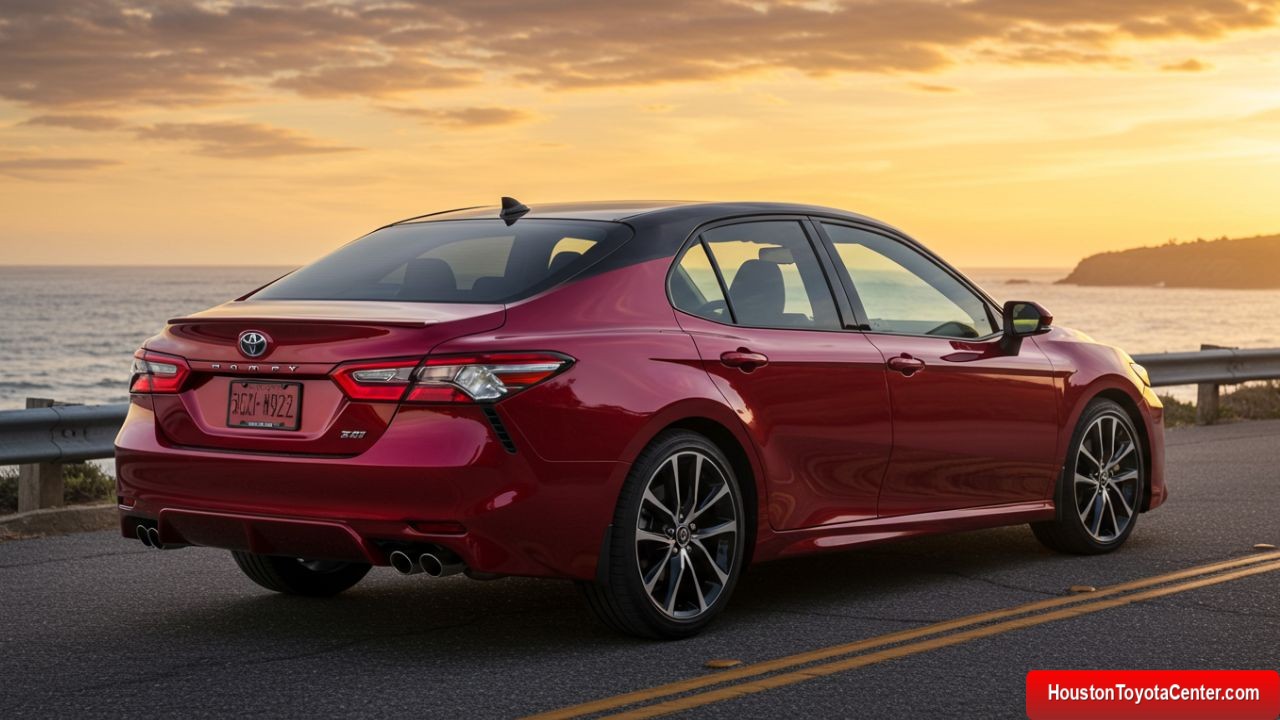
The Toyota Camry has long been one of the most influential midsize sedans in the global automotive market. Known for its reliability, comfort, and long-term value, the model has gone through multiple generations of refinement, occasional missteps, and major engineering improvements. Understanding the best and worst years of the Toyota Camry requires looking at its evolution over time, including changes in engines, transmissions, safety systems, and overall build quality.
This article provides a deep and practical breakdown of the most reliable and least reliable model years, helping buyers make informed decisions whether they are purchasing a used vehicle or simply researching long-term ownership costs.
Overview of the Toyota Camry’s Evolution
The Toyota Camry was first introduced in the early 1980s as a compact sedan and gradually evolved into a spacious, refined midsize car. Over the decades, it has become a benchmark for reliability in its segment, often competing with models like the Honda Accord, Nissan Altima, and Hyundai Sonata.
Each generation brought improvements, but also occasional issues that affected certain model years. Broadly speaking, Camry generations can be divided as follows:
FREE: Quickly identify and understand problems with your vehicle 🚘
CLICK HERE- 1st Generation: 1983–1986
- 2nd Generation: 1987–1991
- 3rd Generation: 1992–1996
- 4th Generation: 1997–2001
- 5th Generation: 2002–2006
- 6th Generation: 2007–2011
- 7th Generation: 2012–2017
- 8th Generation: 2018–present
While earlier generations are now mostly collector or budget vehicles, the most relevant discussion for buyers today centers on the 2002–present models.
What Makes a Camry Year “Good” or “Bad”?
Before diving into specific years, it’s important to define criteria:
A “best year” typically includes:
- High reliability ratings
- Low frequency of major mechanical failures
- Strong engine and transmission durability
- Fewer recalls
- Positive owner reports
- Balanced maintenance costs
A “worst year” usually includes:
- Transmission or engine design flaws
- Excessive oil consumption issues
- Electrical system failures
- Suspension or steering problems
- High number of recalls or technical service bulletins
Even in a strong lineup like the Camry, some years stand out negatively due to manufacturing changes or rushed redesigns.
Best Years for the Toyota Camry
1. 2015 Toyota Camry (One of the most balanced models)
The 2015 model is widely considered one of the most dependable modern Camrys. It belongs to the 7th generation, which focused heavily on refinement and reliability improvements.
Strengths:
- Extremely reliable 2.5L 4-cylinder engine
- Smooth 6-speed automatic transmission
- Excellent fuel economy
- Low long-term maintenance costs
- Strong resale value
This model year is often recommended for buyers seeking a “no-surprises” used sedan.
2. 2013 Toyota Camry (Early 7th generation refinement)
The 2013 version improved on early issues from the 2012 redesign.
Strengths:
- Improved interior quality compared to previous generation
- Reliable drivetrain
- Good safety ratings
- Comfortable ride quality
Weaknesses:
- Slightly less refined than later 7th-gen models
Still, it remains one of the most cost-effective reliable options.
3. 2018 Toyota Camry (Major redesign success)
The 2018 model marked the beginning of the 8th generation and introduced a completely new platform.
Strengths:
- New TNGA platform improved handling and rigidity
- Introduction of improved 2.5L Dynamic Force engine
- Better fuel efficiency
- Standard Toyota Safety Sense features
- More modern interior and tech
This model is considered a turning point in making the Camry more engaging to drive without sacrificing reliability.
4. 2021–2023 Toyota Camry (Refined modern reliability)
These recent model years show Toyota’s continuous improvement in quality control.
Strengths:
- Very strong reliability ratings
- Improved infotainment system
- Hybrid variants are extremely efficient
- Fewer reported mechanical issues
- Advanced driver assistance systems
Hybrid versions in particular are praised for longevity and fuel savings.
5. 2006 Toyota Camry (Peak of 5th generation reliability)
The 2006 model represents the end of a very solid generation.
Strengths:
- Proven 2.4L engine
- Simple mechanical design
- Low-cost maintenance
- High durability over time
This year is often called a “mechanic’s favorite” due to its simplicity and reliability.
Worst Years for the Toyota Camry
Even though the Camry is known for reliability, certain years stand out as problematic.
1. 2007 Toyota Camry (Major transmission and oil issues)
The beginning of the 6th generation introduced significant changes—but not all were successful.
Common issues:
- Excessive oil consumption in 4-cylinder engines
- Transmission hesitation and failure reports
- Engine sludge in poorly maintained units
- Higher-than-average repair costs for the model
This is one of the most frequently avoided Camry years.
2. 2008 Toyota Camry (Continuation of 2007 problems)
While slightly improved, many issues persisted.
Issues include:
- Oil burning complaints
- Dashboard and interior material degradation
- Transmission inconsistencies
It remains a risky used purchase unless thoroughly inspected.
3. 2009 Toyota Camry (Moderate improvement but still flawed)
Toyota attempted fixes, but not all problems were resolved.
Strengths:
- Slightly improved reliability over 2007–2008
- Better recall support
Weaknesses:
- Still reports of oil consumption
- Electrical issues in some trims
4. 2012 Toyota Camry (First year of redesign problems)
New generations often have early production issues, and 2012 is a clear example.
Problems:
- Cheap-feeling interior materials compared to rivals
- Transmission hesitation complaints
- Brake issues in some units
- Road noise increase compared to 6th generation
While not catastrophic, it is less reliable than later 7th-gen models.
5. 2002–2003 Toyota Camry (Early 5th generation concerns)
These early years of the 5th generation had minor but notable issues.
Issues:
- Transmission durability concerns in high-mileage units
- Suspension wear
- Interior aging faster than later years
Still usable, but not as refined as 2004–2006 models.
Reliability Comparison Table
| Model Year | Reliability Rating | Key Strengths | Key Weaknesses |
|---|---|---|---|
| 2002 | متوسط | Simple design | Transmission wear |
| 2003 | متوسط | Cheap maintenance | Early drivetrain issues |
| 2006 | Excellent | Highly durable | Aging design |
| 2007 | Poor | Comfort | Oil consumption |
| 2008 | Poor | Smooth ride | Engine issues |
| 2009 | Fair | Slight improvements | Still oil issues |
| 2012 | Fair | Modern design | Cheap interior feel |
| 2013 | Good | Reliability restored | Minor refinements needed |
| 2015 | Excellent | Balanced performance | None major |
| 2018 | Excellent | Modern platform | Early infotainment bugs |
| 2021–2023 | Excellent | Advanced tech | Higher repair complexity |
Engine and Transmission Trends Across Years
One of the most important aspects of the Toyota Camry is its drivetrain evolution.
Engines:
- 2.2L and 2.4L engines (older models): very durable but less efficient
- 2.5L engines (modern): balance of power and efficiency
- V6 engines: powerful but slightly higher maintenance cost
- Hybrid systems: extremely efficient and long-lasting when maintained properly
Transmissions:
- 4-speed automatics (older): very durable but outdated
- 5-speed and 6-speed automatics: improved smoothness
- CVT (recent hybrids): efficient but requires maintenance discipline
Common Problems That Affect Certain Years
Across multiple generations, some issues appear repeatedly:
Oil Consumption
Mostly in 2007–2009 models, this issue is one of the most discussed Camry problems.
Transmission Hesitation
Seen in 2007–2008 and early 2012 models.
Interior Wear
Some years used lower-quality materials, especially early 2010s models.
Electronics
Modern Camrys (2018+) have better systems, but early infotainment systems had glitches.
Best Used Toyota Camry Buying Strategy
If you are considering purchasing a used Toyota Camry, the strategy depends on budget:
Budget Buyers:
- 2004–2006 models
- 2013 models
Balanced Buyers:
- 2015–2017 models
Modern Buyers:
- 2018–2023 models
Avoid:
- 2007–2009 models
- Early 2012 models unless heavily inspected
Maintenance Costs and Long-Term Ownership
One of the reasons the Camry remains popular is predictable maintenance costs.
Typical expenses:
- Oil changes: low cost
- Brake pads: moderate cost
- Transmission service: infrequent but important
- Engine longevity: often exceeds 250,000 km with proper care
Hybrid models may require battery replacement eventually, but they are generally long-lasting.
Why Some Years Fail and Others Succeed
The difference between best and worst Camry years usually comes down to:
- Redesign timing (first-year models are riskier)
- Manufacturing adjustments
- Engine redesigns
- Supplier quality variations
- Software calibration issues in modern models
Toyota generally corrects issues within 1–2 years after a redesign, which is why mid-cycle models tend to be the most reliable.
Final Thoughts
The Toyota Camry has built a strong reputation over decades, but not every model year is equal. Some years deliver exceptional reliability and long-term value, while others suffer from early design flaws or mechanical issues.
For most buyers today, the safest choices are 2015, 2018, and newer models, while avoiding the problematic 2007–2009 range unless the vehicle has detailed maintenance history.
Overall, the Camry remains one of the most dependable midsize sedans ever produced, and careful year selection can make ownership experience nearly trouble-free.
Leave a Reply