
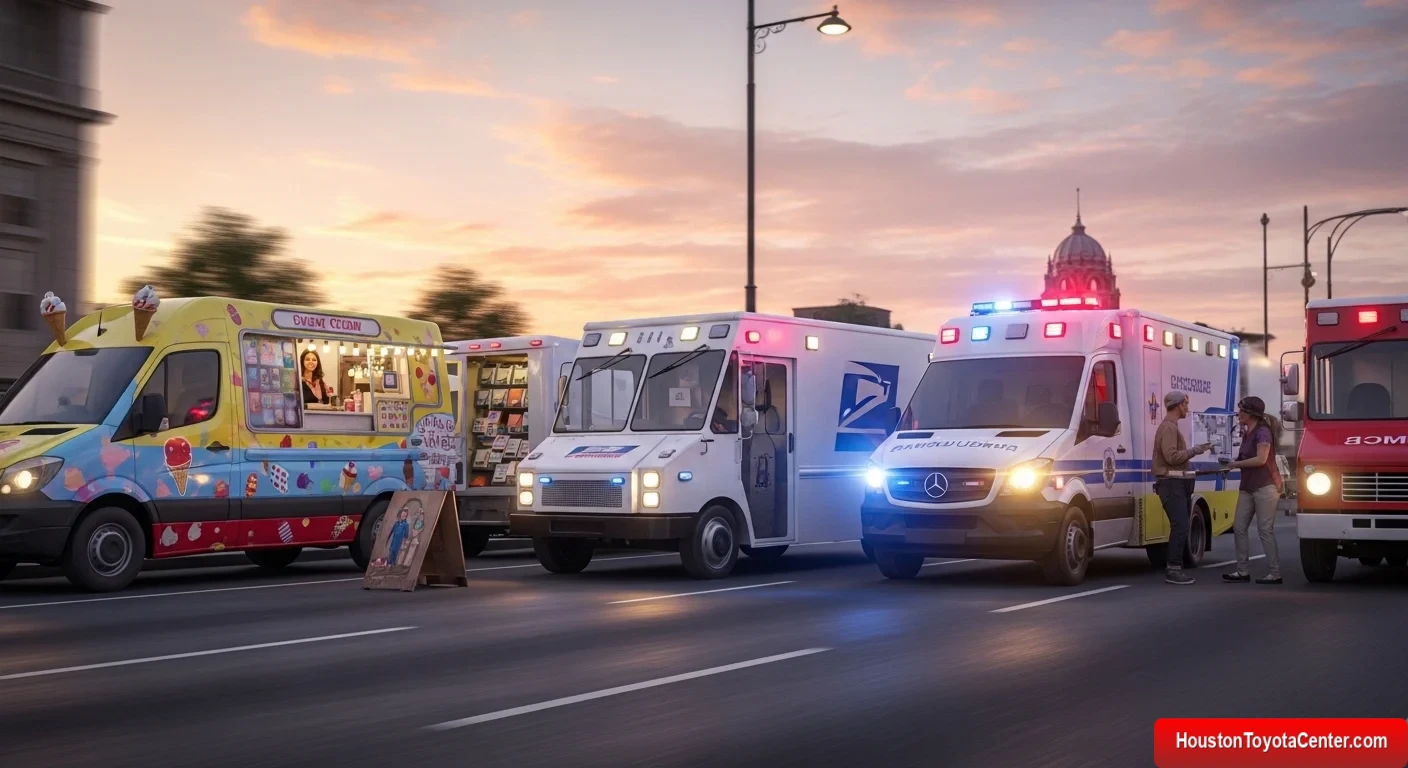
In the vast and ever-evolving world of automobiles, most people are familiar with standard categories: sedans, SUVs, trucks, and sports cars. These vehicles are designed to serve general transportation needs, balancing comfort, efficiency, and performance for everyday use. However, beyond this mainstream landscape exists a fascinating niche of vehicles engineered for highly specific professions. These are not merely modified versions of standard cars—they are purpose-built machines tailored to the unique demands of specialized jobs.
From mail delivery trucks that prioritize accessibility and efficiency, to ice cream vans that blend mobility with nostalgia and commerce, profession-specific vehicles play a crucial role in modern society. They are often overlooked, yet they embody some of the most innovative and practical design solutions in automotive engineering. This article explores the world of these specialized vehicles, examining how they are designed, why they exist, and the impact they have on the professions they serve.
The Philosophy Behind Profession-Specific Vehicle Design
Designing a vehicle for a specific profession requires a fundamentally different approach compared to consumer vehicles. Instead of focusing on aesthetics or broad appeal, engineers and designers prioritize functionality, durability, and efficiency within a narrow set of requirements.
Key Design Principles
- Task Optimization
Every aspect of the vehicle is tailored to the primary task it performs. For example, a mail truck is designed to allow drivers to quickly enter and exit the vehicle hundreds of times per day. - Ergonomics and Accessibility
Drivers often spend long hours performing repetitive tasks. Vehicles must reduce strain and increase efficiency through ergonomic design. - Durability and Reliability
These vehicles are typically used intensively and must withstand harsh conditions, frequent stops, and heavy loads. - Customization and Modularity
Many profession-specific vehicles are built with modular interiors that can be adapted for different workflows. - Cost Efficiency
Since these vehicles are often part of large fleets, cost per unit and maintenance expenses are critical considerations.
Mail Delivery Trucks: Efficiency on Wheels
Mail delivery vehicles are among the most recognizable examples of profession-specific cars. Their design reflects the unique challenges of delivering mail in both urban and rural environments.
FREE: Quickly identify and understand problems with your vehicle 🚘
CLICK HEREUnique Features
- Right-Hand Drive (in many countries)
Allows drivers to easily access roadside mailboxes without exiting the vehicle. - Sliding Doors
Enable quick entry and exit, saving time during frequent stops. - Low Floor Height
Reduces physical strain when getting in and out repeatedly. - Compact Size
Facilitates maneuverability in tight neighborhoods and narrow streets. - Large Cargo Area
Maximizes storage for letters and packages.
Evolution of Mail Trucks
Early mail delivery relied on horseback and simple carts. As automobiles became widespread, postal services began adopting vehicles specifically tailored for delivery routes. Over time, these evolved into highly specialized trucks with minimal focus on comfort and maximum emphasis on utility.
Modern mail vehicles are increasingly incorporating electric drivetrains, reflecting a shift toward sustainability. Electric mail trucks are particularly well-suited for stop-and-go routes, where regenerative braking improves efficiency.
Ice Cream Vans: Mobility Meets Experience
Few vehicles evoke as much nostalgia and joy as the ice cream van. These vehicles are not just transportation—they are mobile retail experiences designed to attract attention and create memorable interactions.
Distinctive Characteristics
- Audio Systems
Play recognizable tunes to signal their presence. - Serving Windows
Allow customers to order and receive products without entering the vehicle. - Freezer Units
Maintain the proper temperature for frozen goods. - Bright Colors and Graphics
Designed to be visually appealing, especially to children.
Design Challenges
Ice cream vans must balance several competing requirements:
| Requirement | Design Solution |
|---|---|
| Temperature Control | Insulated compartments and refrigeration |
| Mobility | Compact and agile chassis |
| Customer Interaction | Large service windows |
| Branding | Vibrant exterior design |
Cultural Impact
Ice cream vans have become cultural icons in many countries. Their design often prioritizes emotional engagement as much as functionality, making them unique among profession-specific vehicles.
Ambulances: Life-Saving Engineering
Ambulances represent one of the most critical applications of specialized vehicle design. Every detail is engineered to support emergency medical care and rapid response.
Core Features
- Medical Equipment Integration
Includes stretchers, oxygen tanks, defibrillators, and monitoring systems. - Stability and Suspension
Ensures patient safety during transport. - Lighting and Sirens
Designed for visibility and rapid navigation through traffic. - Interior Layout
Allows medical personnel to perform procedures while in motion.
Types of Ambulances
- Type I – Built on truck chassis, offering maximum space and durability.
- Type II – Based on van chassis, more compact and maneuverable.
- Type III – Hybrid design combining features of both.
Technological Advancements
Modern ambulances incorporate advanced communication systems, GPS tracking, and telemedicine capabilities, allowing real-time coordination with hospitals.
Food Trucks: Culinary Innovation on Wheels
Food trucks have transformed urban dining by bringing diverse cuisines directly to customers. These vehicles are essentially mobile kitchens, requiring complex design solutions.
Key Components
- Cooking Equipment
Includes grills, fryers, ovens, and stovetops. - Ventilation Systems
Essential for safety and comfort. - Water and Waste Systems
Provide clean water and manage waste disposal. - Serving Counters
Facilitate customer interaction.
Design Constraints
Operating a kitchen in a confined space presents unique challenges:
- Limited space requires efficient layout planning.
- Equipment must be securely mounted to prevent movement.
- Power supply must support high-energy appliances.
Police Cars: Performance Meets Authority
Police vehicles are designed to balance speed, durability, and functionality. They must perform under demanding conditions while supporting law enforcement operations.
Specialized Features
- Enhanced Engines
Provide high-speed pursuit capabilities. - Reinforced Suspension
Handles aggressive driving and varied terrain. - Communication Systems
Enable coordination with dispatch and other units. - Onboard Technology
Includes license plate readers and computer terminals.
Variations
Police vehicles vary depending on their role:
- Patrol cars for urban areas
- SUVs for versatility
- Undercover vehicles for surveillance
Utility and Service Vehicles: The Backbone of Infrastructure
Many professions rely on vehicles designed for maintenance and repair tasks. These include electricians, plumbers, and telecommunications workers.
Common Features
- Tool Storage Systems
Organized compartments for equipment. - Ladders and Racks
Mounted externally for easy access. - Power Supplies
Provide electricity for tools. - Workstations
Allow on-site repairs and diagnostics.
Agricultural Vehicles: Farming Efficiency
Farmers depend on specialized vehicles such as tractors and harvesters. These machines are designed for heavy-duty tasks in challenging environments.
Design Priorities
- Power and Torque
Necessary for pulling heavy equipment. - Durability
Must withstand dirt, moisture, and extreme conditions. - Versatility
Ability to attach various implements.
Construction Vehicles: Built for Heavy Work
Construction sites require vehicles that can handle extreme loads and demanding tasks.
Examples
- Dump trucks
- Cement mixers
- Bulldozers
Each is designed with specific functions in mind, emphasizing strength and reliability.
Delivery Vans in the E-Commerce Era
With the rise of online shopping, delivery vans have become more specialized than ever.
Innovations
- Route Optimization Systems
Improve efficiency and reduce fuel consumption. - Electric Powertrains
Reduce emissions in urban areas. - Cargo Organization
Facilitates quick package retrieval.
Emerging Trends in Profession-Specific Vehicles
Electrification
Many specialized vehicles are transitioning to electric power, reducing environmental impact and operating costs.
Automation
Autonomous technology is beginning to influence certain professions, such as delivery and agriculture.
Connectivity
Modern vehicles are increasingly connected, enabling real-time data sharing and improved efficiency.
Why These Vehicles Matter
Profession-specific vehicles may not capture headlines like luxury cars or supercars, but they are essential to the functioning of society. They enable critical services, improve efficiency, and often define the public perception of the professions they serve.
Conclusion
Cars designed for specific professions represent a unique intersection of engineering, design, and practicality. They are tailored solutions to real-world problems, often sacrificing comfort and aesthetics in favor of functionality and efficiency. Whether delivering mail, serving ice cream, saving lives, or building infrastructure, these vehicles play an indispensable role in our daily lives.
As technology continues to advance, we can expect these vehicles to become even more specialized, efficient, and sustainable. They may not always be in the spotlight, but they are the unsung heroes of the automotive world—quietly keeping everything running smoothly.
Leave a Reply