
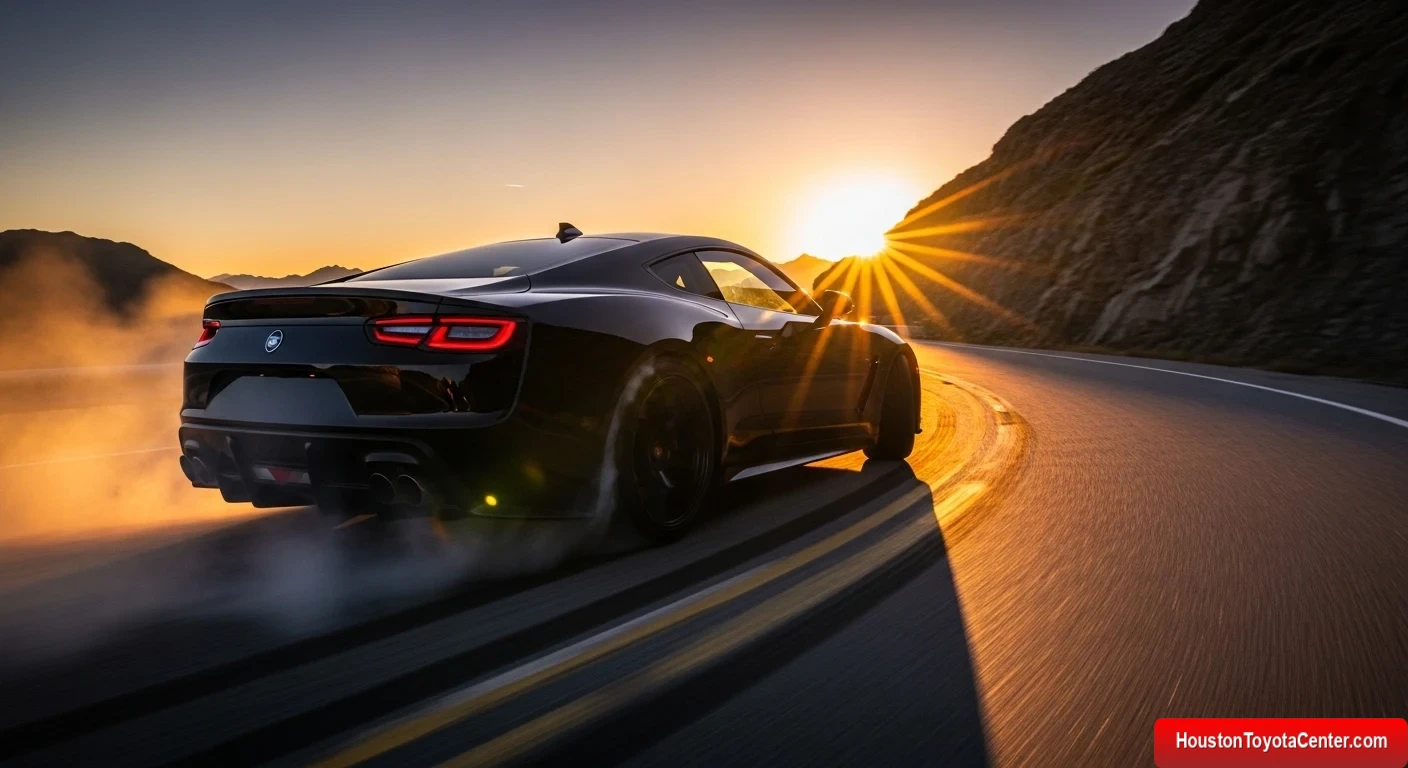
Car photography is more than simply pointing a camera at a vehicle and pressing the shutter button. It is a dynamic blend of technical skill, artistic vision, storytelling, and an understanding of both machines and light. Whether you are photographing a classic vintage car, a high-performance supercar, or your own daily driver, mastering car photography allows you to transform metal, glass, and rubber into compelling visual narratives.
This guide explores the art of car photography in depth, covering everything from foundational principles to advanced techniques. Whether you’re a beginner or an experienced photographer looking to refine your craft, you’ll find practical insights and creative inspiration throughout.
Understanding the Essence of Car Photography
Car photography sits at the intersection of product photography, landscape photography, and portraiture. A car is not just an object—it has personality, design intent, and emotional appeal. Your role as a photographer is to reveal these qualities.
Each car tells a story. A rugged off-road vehicle suggests adventure and toughness. A sleek sports car evokes speed and precision. A vintage car may carry nostalgia and timeless elegance. Before you even pick up your camera, ask yourself:
FREE: Quickly identify and understand problems with your vehicle 🚘
CLICK HERE- What is the story of this car?
- What emotions should the image evoke?
- Who is the audience?
Your answers will guide every decision you make—from location to lighting to composition.
Essential Equipment for Car Photography
While great photography is not solely dependent on gear, having the right tools can significantly enhance your results.
Camera
A DSLR or mirrorless camera with manual controls is ideal. These cameras allow you to adjust exposure settings precisely and capture high-resolution images.
Lenses
Different lenses serve different purposes:
| Lens Type | Best Use Case | Effect |
|---|---|---|
| Wide-angle (14–35mm) | Environmental shots, landscapes | Emphasizes surroundings, dramatic perspective |
| Standard (35–70mm) | General-purpose shooting | Natural perspective |
| Telephoto (70–200mm) | Detail shots, compression | Isolates subject, compresses background |
| Prime lenses | Sharpness and low-light performance | High image quality, shallow depth of field |
Tripod
A tripod is essential for low-light shooting, long exposures, and ensuring sharp images.
Polarizing Filter
A circular polarizer helps reduce reflections on the car’s surface and enhances color saturation.
Cleaning Supplies
Always carry microfiber cloths and detailing spray. A spotless car is crucial—dust and fingerprints become highly visible in high-resolution images.
Lighting: The Foundation of Great Car Photography
Lighting is arguably the most important aspect of car photography.
Natural Light
The best time to shoot is during the golden hours—shortly after sunrise and before sunset. The soft, warm light enhances the car’s curves and minimizes harsh reflections.
Benefits of Golden Hour:
- Soft shadows
- Warm tones
- Even illumination
- Reduced glare on reflective surfaces
Overcast Conditions
Cloudy days act like a natural softbox, diffusing light evenly across the car. This is ideal for highlighting details without harsh shadows.
Artificial Light
For more controlled environments, especially studio photography, artificial lighting becomes essential.
- Softboxes provide even, diffused light
- LED panels allow continuous lighting adjustments
- Light painting techniques can create dramatic effects
Composition Techniques
Composition is what separates a snapshot from a work of art.
Rule of Thirds
Divide your frame into a 3×3 grid and place key elements along these lines or at their intersections.
Leading Lines
Use roads, fences, or architectural elements to guide the viewer’s eye toward the car.
Framing
Frame the car using natural elements like trees, arches, or windows to create depth and focus.
Symmetry and Balance
Cars are often symmetrical, making them perfect subjects for balanced compositions.
Choosing the Right Location
The location sets the tone for your photograph.
Urban Environments
Cityscapes offer modern, edgy backdrops with reflections, lights, and textures.
Natural Landscapes
Mountains, forests, and beaches provide contrast and scale, emphasizing the car’s presence.
Industrial Areas
Warehouses and abandoned buildings create a gritty, dramatic atmosphere.
Studio Settings
Controlled environments allow for precision lighting and clean, distraction-free images.
Capturing Motion
Static shots are powerful, but motion shots bring energy and excitement.
Rolling Shots
Photograph the car from another moving vehicle. Use a slow shutter speed (e.g., 1/30 to 1/60) to create motion blur in the background while keeping the car sharp.
Panning
Follow the moving car with your camera while using a slower shutter speed. This keeps the car in focus while blurring the surroundings.
Long Exposure
At night, long exposures can capture light trails and create dramatic effects.
Detailing and Close-Up Shots
Don’t just photograph the entire car—focus on the details.
- Headlights
- Wheels
- Interior elements
- Logos and badges
- Textures and materials
Detail shots add depth to your portfolio and tell a more complete story.
Managing Reflections
Cars are highly reflective surfaces, which can be both a challenge and an opportunity.
Tips to Control Reflections:
- Change your shooting angle
- Use a polarizing filter
- Avoid cluttered environments
- Wear neutral-colored clothing to avoid reflections
Color and Contrast
Color plays a vital role in car photography.
Complementary Colors
Choose backgrounds that contrast with the car’s color to make it stand out.
Monochromatic Schemes
Using similar tones can create a cohesive, elegant look.
High Contrast
Strong contrast can add drama and intensity.
Post-Processing Techniques
Editing is where your images come to life.
Software Options:
- Lightroom
- Photoshop
- Capture One
Key Adjustments:
| Adjustment | Purpose |
|---|---|
| Exposure | Correct brightness |
| Contrast | Enhance depth |
| White Balance | Adjust color temperature |
| Clarity | Add texture and sharpness |
| Saturation | Boost or reduce color intensity |
| Cropping | Improve composition |
Advanced Techniques:
- Removing unwanted reflections
- Enhancing reflections creatively
- Color grading for mood
- HDR blending
Shooting at Night
Night photography introduces a new level of creativity.
Tips:
- Use a tripod
- Shoot in RAW format
- Use long exposures
- Incorporate city lights
- Experiment with light painting
Storytelling Through Car Photography
Great car photography goes beyond aesthetics—it tells a story.
Ask yourself:
- Where is this car going?
- Who drives it?
- What lifestyle does it represent?
Incorporate elements like people, environments, and motion to create narrative-driven images.
Common Mistakes to Avoid
Even experienced photographers make mistakes. Here are some to watch out for:
- Shooting at eye level only (experiment with angles)
- Ignoring the background
- Over-editing images
- Forgetting to clean the car
- Poor lighting choices
Building Your Style
As you gain experience, you’ll develop your own photographic style.
Ways to Develop Your Style:
- Study other photographers
- Experiment with different techniques
- Analyze your favorite shots
- Stay consistent in editing
Practical Shooting Checklist
Before every shoot, run through this checklist:
| Task | Status |
|---|---|
| Clean the car | ✓ |
| Scout location | ✓ |
| Check weather conditions | ✓ |
| Charge batteries | ✓ |
| Format memory cards | ✓ |
| Pack essential gear | ✓ |
Advanced Techniques for Professionals
Light Painting
Use a handheld light source to “paint” light onto the car during a long exposure.
HDR Imaging
Combine multiple exposures to capture a wider dynamic range.
Composite Photography
Blend multiple images for a perfect final result.
The Role of Emotion in Car Photography
Emotion is what transforms a technically good photo into a memorable one.
- Use lighting to create mood
- Choose locations that evoke feelings
- Capture moments, not just objects
Final Thoughts
Car photography is a rewarding and ever-evolving art form. It challenges you to balance technical precision with creative expression. With practice, patience, and a willingness to experiment, you can create images that not only showcase vehicles but also tell powerful visual stories.
Remember, the best camera is the one you have—but the best photographer is the one who sees beyond the obvious.
Leave a Reply