
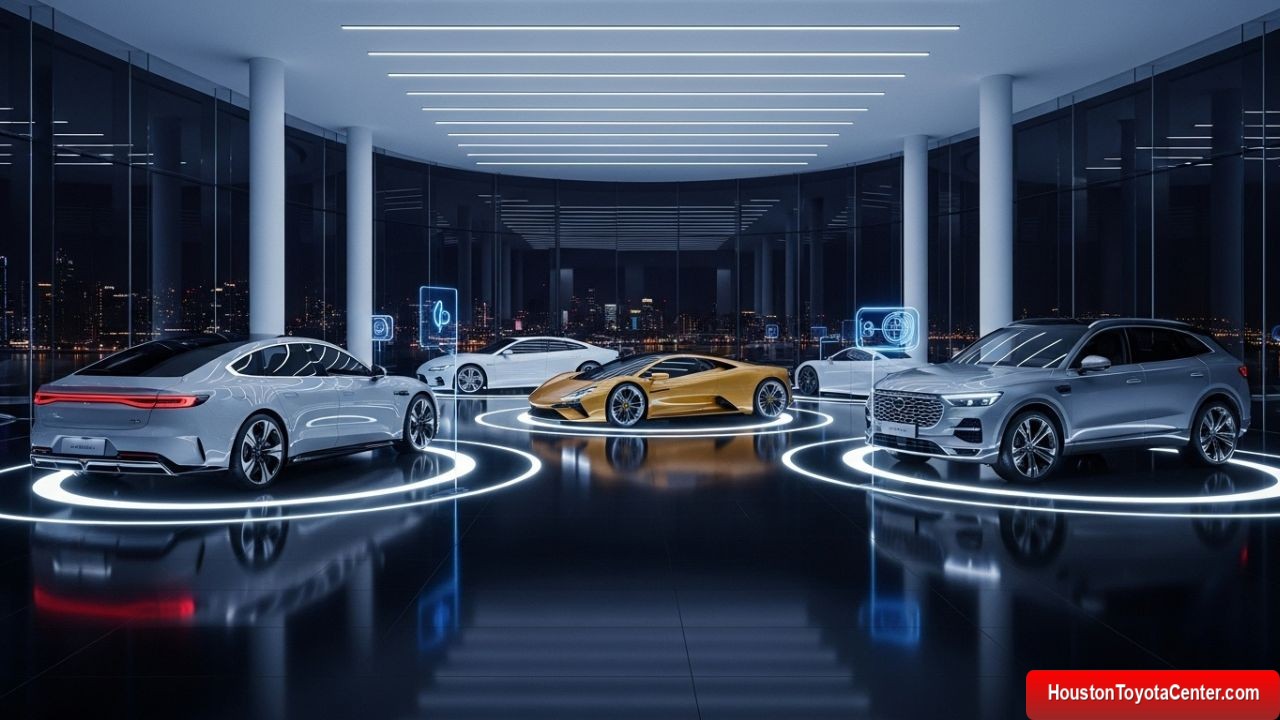
The luxury car market is evolving faster than ever before. In the past, owning a luxury vehicle was about prestige, craftsmanship, and exclusivity. Today, while these qualities still matter, modern luxury car buyers are motivated by an entirely new set of expectations — technology, sustainability, personalization, and digital experiences.
As we move through the mid-2020s, automakers are redefining what “luxury” truly means. It’s no longer just about the badge on the hood but also about how the car fits seamlessly into a buyer’s lifestyle and values.
Let’s take an in-depth look at the latest trends shaping the global luxury car market, what consumers are demanding, and how brands like Mercedes-Benz, BMW, Lexus, Tesla, and Porsche are responding.
1. Technology as the New Luxury
In the digital age, innovation is the ultimate status symbol. Buyers no longer judge luxury cars only by leather quality or horsepower — they want cutting-edge technology that enhances convenience, safety, and connectivity.
FREE: Quickly identify and understand problems with your vehicle 🚘
CLICK HEREModern luxury vehicles come packed with advanced driver assistance systems, digital displays, AI-powered infotainment, and connected ecosystems that sync with smartphones and smart homes.
Top Technological Features in Demand:
| Feature | Description | Popular Models |
|---|---|---|
| Advanced Driver Assistance (ADAS) | Semi-autonomous driving, lane-keeping assist, and adaptive cruise control. | Tesla Model S, BMW 7 Series, Mercedes S-Class |
| Augmented Reality Displays | Heads-up displays with navigation overlays directly on the windshield. | Audi A8, Mercedes EQS |
| AI Personal Assistants | Voice recognition and AI systems that learn driver preferences. | BMW i7, Mercedes MBUX |
| Over-the-Air Updates (OTA) | Continuous software upgrades without dealership visits. | Tesla Model X, Lucid Air |
| 360° Smart Cameras | Enhanced parking, obstacle detection, and self-parking features. | Range Rover, Lexus LS |
Luxury car buyers are now tech enthusiasts — they appreciate innovation over tradition, and expect their vehicles to evolve over time through digital upgrades.
2. Electrification and Sustainability
Environmental awareness is not just a political or social movement — it’s now a major purchasing factor in the luxury car segment. Affluent buyers want to make eco-conscious choices without compromising performance or comfort.
This has led to the rapid rise of electric luxury vehicles (EVs) and hybrid models, with Tesla, Porsche, Mercedes-Benz EQ, and BMW iSeries leading the charge.
Key Trends in Luxury Electrification:
- Electric as Status: Driving electric is now seen as a sophisticated statement — it signals intelligence and modernity.
- Luxury EV Expansion: Even ultra-luxury brands like Rolls-Royce (Spectre) and Bentley are launching EVs.
- Charging Convenience: Buyers expect faster home charging and wide access to high-speed public stations.
- Eco Materials: Interiors now use vegan leather, recycled aluminum, and natural wood for sustainable elegance.
Most Popular Luxury EVs in 2025:
| Model | Range (Miles) | Price (USD) | Unique Feature |
|---|---|---|---|
| Tesla Model S Plaid | 396 | $90,000 | Record-breaking acceleration |
| Lucid Air Grand Touring | 425 | $125,000 | Longest range EV in its class |
| Mercedes EQS 580 | 340 | $130,000 | Hyperscreen dashboard |
| Porsche Taycan Turbo S | 290 | $185,000 | Dual-motor performance focus |
| BMW i7 | 318 | $120,000 | Luxurious electric limousine |
Luxury EVs aren’t just environmentally friendly — they are symbols of quiet power and cutting-edge progress.
3. Personalization: The Ultimate Expression of Luxury
Today’s buyers don’t want “just another Mercedes” or “just another Porsche.” They want a car that reflects their individuality.
Manufacturers are investing heavily in bespoke customization programs, allowing customers to choose everything from exterior colors to ambient lighting tones, steering wheel stitching, and even unique digital display themes.
Examples of Customization Programs:
- Bentley Mulliner: Offers one-of-a-kind paint shades and handcrafted interiors.
- Rolls-Royce Bespoke: “You don’t choose a Rolls-Royce, you commission it.” Every detail can be tailored.
- Porsche Exclusive Manufaktur: Enables personalized leather colors, trims, and performance setups.
- BMW Individual: Combines special paint finishes with limited interior packages.
Buyers are willing to spend up to 20% more on personalized luxury experiences. For many, exclusivity is now less about owning the most expensive model and more about owning a unique one.
4. Digital Ownership Experience
Luxury doesn’t end at the dealership anymore. High-end automakers now focus on the entire digital journey, from online shopping to app-based car management.
Virtual showrooms, AR configurators, and metaverse experiences allow customers to explore and purchase cars from home.
Digital Ownership Trends:
- Remote Test Drives: Customers can book an at-home test drive online.
- Subscription Models: Pay for short-term luxury use instead of ownership (e.g., Porsche Drive).
- NFT Vehicle Certificates: Blockchain-backed ownership records for collector cars.
- Luxury Concierge Apps: Schedule maintenance, valet pickup, and even airport transfers directly from an app.
Technology has turned luxury car ownership into a premium digital ecosystem that extends beyond the vehicle itself.
5. Comfort, Wellness, and Emotional Luxury
Today’s buyers expect their cars to do more than move them — they want them to heal, relax, and energize.
This has given rise to the concept of “emotional luxury”, where comfort meets wellness. Cars like the Mercedes S-Class and BMW 7 Series now feature massage seats, aromatherapy, mood lighting, and even air purification systems to enhance well-being during commutes.
Wellness Features in High Demand:
| Feature | Function | Example |
|---|---|---|
| Massage Seats | Reduces fatigue and improves posture. | BMW 7 Series, Mercedes S-Class |
| Cabin Fragrance Systems | Adjustable scents to match mood. | Mercedes EQS, Bentley Flying Spur |
| Ambient Lighting | Color-coded LED lighting for relaxation. | Lexus LS, Audi A8 |
| Noise Cancellation | Eliminates road noise for tranquility. | Tesla Model X, Rolls-Royce Ghost |
| Climate Zones | Personalized temperature settings. | BMW i7, Genesis G90 |
Luxury today is multi-sensory — it’s about how a car makes you feel, not just how it looks.
6. Younger Buyers Are Redefining Luxury
The new generation of luxury car owners — Millennials and Gen Z — are driving a dramatic shift in the market.
These younger buyers care less about “traditional prestige” and more about values, innovation, and digital connectivity. They are also more likely to purchase online, prefer sustainable brands, and are open to leasing or subscription models over ownership.
Key Insights:
- 60% of Gen Z luxury car buyers value eco-conscious materials more than traditional luxury finishes.
- 70% research cars on social media platforms before visiting a dealer.
- 45% are interested in car-sharing or flexible ownership instead of long-term commitments.
The future of luxury is inclusive, tech-driven, and socially aware, appealing to a mindset rather than an income bracket.
7. The Rise of Hyper-Luxury and Ultra-Performance
While sustainability dominates, there’s still a growing segment of buyers seeking hyper-luxury performance — cars that deliver both extreme comfort and thrilling speed.
Brands like Aston Martin, Lamborghini, and Ferrari are embracing this duality, producing cars that combine track-level performance with five-star luxury.
Top Ultra-Luxury Performance Cars (2025):
| Model | Power (HP) | 0–60 mph | Price (USD) |
|---|---|---|---|
| Ferrari Purosangue | 715 | 3.3s | $400,000 |
| Lamborghini Urus SE | 800 | 3.2s | $300,000 |
| Aston Martin DB12 | 671 | 3.5s | $250,000 |
| Rolls-Royce Spectre | 577 | 4.4s | $420,000 |
| Mercedes-AMG GT63 S E | 831 | 2.8s | $180,000 |
These vehicles reflect a blend of engineering excellence, opulent interiors, and exclusivity, targeting the elite who want the best of both worlds.
8. Global Market Shifts
The luxury car market isn’t just expanding — it’s globalizing.
Emerging markets such as China, India, and the Middle East are becoming critical to global sales, with rising millionaire populations and growing demand for prestige brands.
Top Growing Luxury Car Markets (2025 Estimates):
| Country | Annual Growth Rate | Leading Brands |
|---|---|---|
| China | 11% | Mercedes, BMW, NIO |
| India | 9% | Lexus, BMW, Audi |
| UAE | 7% | Rolls-Royce, Bentley, Range Rover |
| USA | 5% | Tesla, Mercedes, BMW |
| Europe | 4% | Porsche, BMW, Audi |
Luxury automakers are responding by localizing production, expanding dealerships, and introducing region-specific features, such as rear-seat entertainment for chauffeur-driven markets.
9. The Future: Smart, Sustainable, and Emotional
The next decade of luxury automotive design will merge AI, clean energy, and human emotion into a seamless driving experience.
Cars will become personal companions, learning from driver behavior, adapting settings automatically, and even suggesting rest breaks or wellness playlists.
Upcoming concepts like the Mercedes-Benz Vision EQXX and BMW Vision Neue Klasse preview this future — vehicles that are beautiful, intelligent, efficient, and emotionally engaging.
Luxury will mean smart sustainability — where performance, comfort, and conscience coexist.
10. Conclusion
The luxury car market has never been more dynamic or more human. The modern buyer is not just chasing prestige; they’re pursuing connection, consciousness, and comfort.
Brands that adapt to this new definition of luxury — one that blends innovation, personalization, and purpose — will continue to lead the road ahead.
As we move into a future defined by technology and environmental awareness, one thing is clear:
Luxury is no longer about owning more. It’s about owning better.
Leave a Reply